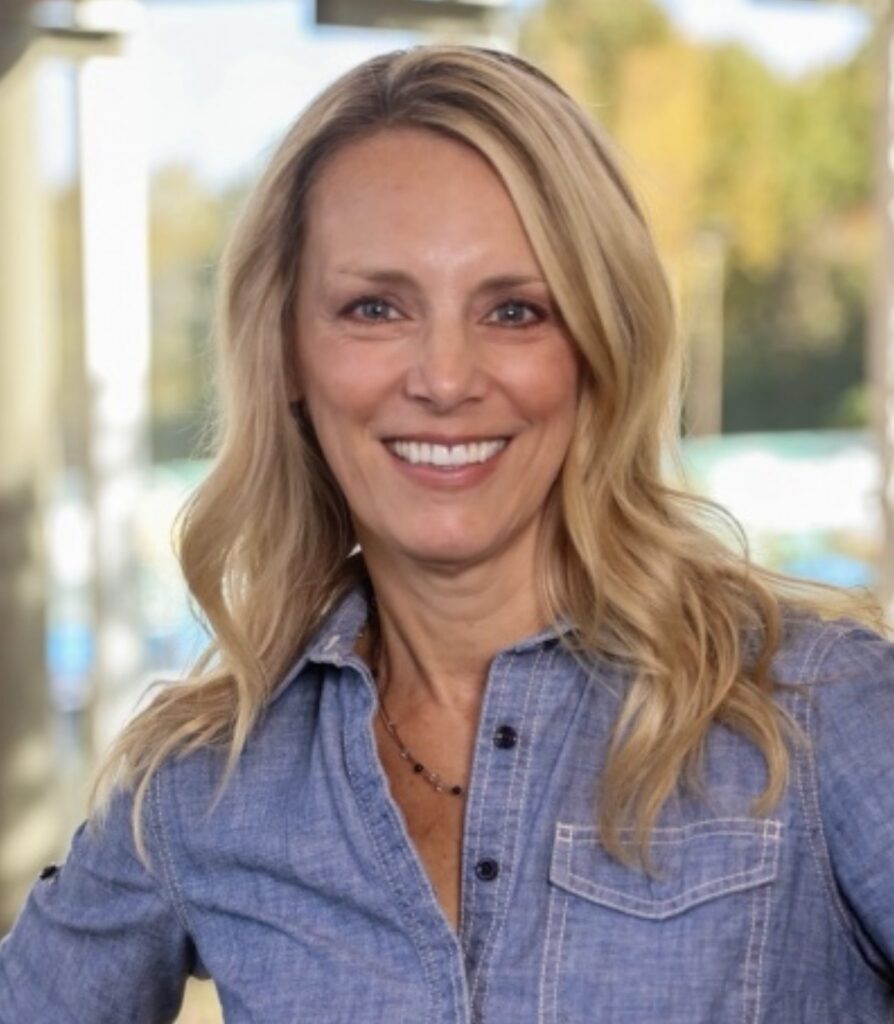
Gretchen graduated from Philadelphia College of Pharmacy and Science, The University of Scranton, and received a Doctor of Pharmacy degree from Temple University.
Gretchen has been teaching for over 25 years at Rutgers University, Keystone College, Lackawanna College, The University of Scranton, and Marywood University. She has earned certifications in Pilates, yoga, barre and teaches all three locally. She has a Wellness and Lifestyle coaching certification from Harvard University.
Gretchen resides in Scranton with her husband, Timothy Welby, MD, and has three daughters – Casey, Kate, and Caroline.
Lifestyle Medicine, is not just a fad or buzzword that is overused in a plethora of health, fitness and wellness magazines, but is actually a medical specialty. It is the practice of using diet and exercise, along with other lifestyle modifications to prevent and manage disease. Lifestyle Medicine focuses on six pillars: healthy eating, physical activity, restorative sleep, stress management, positive social connections, and avoidance of risky substances.
The American College of Lifestyle Medicine was established in 2004. Since then, its membership and outreach have grown exponentially. Lifestyle medicine is currently the fastest-growing specialty in medicine. Its primary aim is to utilize evidence-based therapeutic lifestyle interventions to prevent/control chronic diseases such as cardiovascular disease, type II diabetes, and obesity. However, new data is emerging which expands the role of Lifestyle Medicine into many other areas, including chronic low back pain, sleep, hormonal disorders, Alzheimer’s Disease, chronic inflammatory conditions, and mental health, to name a few.
Lifestyle Medicine differs from conventional medicine in that its approach is not disease specific. Following the six pillars of Lifestyle medicine improves overall health. Conventional medicine targets and treats a specific disease process with medication or surgical intervention in a reactionary approach. Lifestyle medicine prevents or reverses the disease process through behavioral and dietary changes. In a perfect world, Lifestyle medicine and Conventional medicine can be combined to achieve the best results for some patients.
A JAMA study, published in 1993, linked unhealthy lifestyles with premature death. Since this study was published, the rates of cardiovascular disease and Type II diabetes have continued to climb. Obesity rates are at an epidemic level. 70% of American adults, and 22% of children fall into overweight/obese Body Mass Index (BMI) categories. According to the American Academy of Cardiology, only 6.8% of adult Americans meet the criteria for ideal cardiometabolic health, something the Academy calls a “Population Level Code Blue.”
In 2020, the American Heart Association issued a Presidential Advisory for 2030 Impact Goals. The overall goal is to improve morbidity and mortality through preventative measures. Interventions should be targeted earlier in childhood and young adulthood, where healthy habits can be formed with greater success and maximum outcomes. For example, physical activity is well established for its positive effects on cardiovascular health. Physical activity prevents clot and plaque build-up, is antiarrhythmic, and provides hemodynamic stability. Physical activity has also been shown to have psychological, emotional, and social benefits. The American Heart Association categorizes physical activity as a Level 1 (highest) intervention for primary prevention.
Lifestyle Medicine is rooted in evidence-based findings, and its efficacy is supported in scientific literature. A study published in the New England Journal of Medicine in 2002 examined the prevention of the onset of Type II Diabetes in prediabetic patients. Patients were divided into three groups: a placebo group, a metformin group (a type 2 diabetes medication), and a lifestyle intervention group. The metformin group received daily metformin (medication intervention). The lifestyle intervention group received education and prescriptive interventions/instructions on diet, exercise, and stress reduction. Patients were followed for three years. At the end of the study period, the metformin group saw a 31% incidence reduction of type II diabetes, and the lifestyle intervention group saw a 58% incidence reduction in type II diabetes (almost double that of the medication group).
Many examples abound, highlighting the ability of lifestyle medicine interventions for healthy outcomes. The advantages of lifestyle medicine over conventional medicine interventions are numerous. Medications come with side effects. Medication costs are rising and are often not fully covered by insurance programs. Often, current medications are not completely effective for treating disease. For example, Alzheimer’s Disease treatments are lacking. The Alzheimer’s Association International Conference emphasizes healthy lifestyle interventions. They stress adopting 4 or 5 healthy lifestyle factors to reduce the risk of Alzheimer’s dementia by 60%.
Healthy eating habits do not lead to serious side effects. Lifestyle interventions are within the patients’ control and may result in cost savings, potentially lowering food and medical bills. Because lifestyle intervention involves behavioral changes, the process requires time and effort, as well as investment in education and reinforcement to sustain healthy patterns. Motivating clients to make necessary changes and stick with those changes can be the biggest challenge. A Lifestyle/Wellness Coach may be employed to start the client on their journey. The coach works with the client to make choices that are adaptable to the client while fitting within the six pillars. The role of the coach is to hold space and provide guidance for the client, but not to “fix”, “rescue,” or “judge”. Coaching sessions last 30-60 minutes. Coaches and clients may meet 10 times over 3-12 months to establish patterns.
If you, like so many others, have not achieved your health and wellness goals using traditional methods, it may be worth considering Lifestyle Medicine. Focus on healthy eating (minimizing processed foods and sugar intake), physical activity (minimum 300 minutes per week), restorative sleep (between 7-9 hours per night), stress management (controlling anxiety and depression), positive social connections (consistent interactions with friends) and avoidance of risky substances (alcohol, tobacco/nicotine, illicit drugs) have evidence-based positive outcomes to prevent, manage and reverse chronic diseases.
Sources: More information about the six pillars of Lifestyle Medicine and specific intervention outcomes can be found @Balanced Living 570 on Facebook and Instagram!
Visit your doctor regularly and listen to your body.
EVERY MONDAY – Read Dr. Paul J. Mackarey “Health & Exercise Forum!” via Blog
EVERY SUNDAY in "The Sunday Times" - Read Dr. Paul J. Mackarey “Health & Exercise Forum!” in hard copy
This article is not intended as a substitute for medical treatment. If you have questions related to your medical condition, please contact your family physician. For further inquires related to this topic email: drpmackarey@msn.com
Paul J. Mackarey PT, DHSc, OCS is a Doctor in Health Sciences specializing in orthopedic and sports physical therapy in Scranton and Clarks Summit. Dr. Mackarey is in private practice and is an associate professor of clinical medicine at Geisinger Commonwealth School of Medicine. For all of Dr. Mackarey's articles, visit our exercise forum!