Get Started
Get Started
570-558-0290

Health & Exercise Forum

Weighted Vests - Benefits and Risks

, , , , , , , , , , , , , , , , ,
Oct 23, 2026

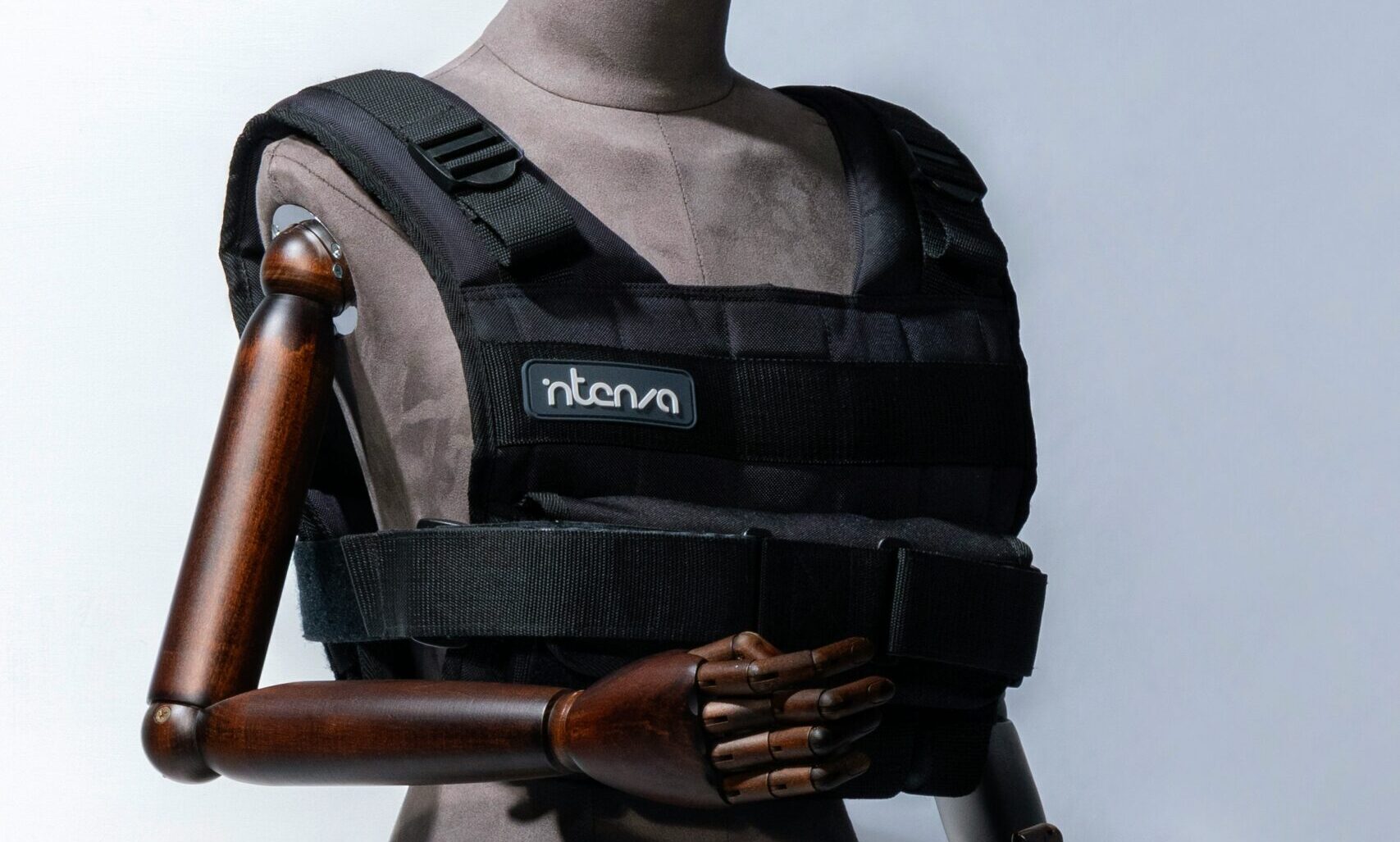
It seems like every time you scroll through social media wellness or fitness posts, there is a new “fad “or “craze” promising to enhance fitness and weight loss. Weighted vests seem to be the new favorite of social media influencers and fitness fanatics. A weighted vest is a form-fitting garment loaded with extra weight. The vest is worn over the torso during exercise or daily activities to increase resistance. However, like most fads, there is a gap between testimonials and scientific research. But, before you hit the trails with extra weight on your back, know the benefits and risks of using a weighted vest.

Weighted Vests (WV)

According to the American College of Sports Medicine (ACSM), weighted vests are an effective way to increase the calories burned while walking. When tested on untrained subjects, (ages 18-55 years) it was found that walking 2.5 mph while wearing a weighted vest of 15% of their body weight increased energy expenditure approximately 12% as compared to those not wearing a vest. Those subjects wearing 20% of their body weight while walking 3.0 mph expended 13% energy. Please note, however, that the recommended vest weight is 5-10% of body weight.

Potential Benefits of Using a WV– according to the current scientific literature

  • Caloric Expenditure – as stated above, wearing a WV can increase caloric expenditure up to 12-13%.
  • Bone Mineral Density – wearing a WV can increase mechanical axial load, (increasing the impact of gravity) to signal bone remodeling more than casual walking without a WV. However, those with existing osteopenia/osteoporosis should consult with their physician prior to using a WV.
  • Cardiovascular Load – wearing a WV while walking or stair climbing has been found to elevate oxygen consumption and heart rate.
  • Functional Strength – WV use while performing non-impact exercises (pull-ups, push-ups, squats, lunges) can improve functional strength.

Potential Side Effects/Risks of Using a WV

Some of the more obvious side effects of wearing a WV are; blisters, chafing, and muscle soreness and the risks of wearing a WV may require medical clearance from your physician or physical therapist if you have the following conditions:

  • Chronic neck pain, middle and lower back pain…especially with radiating symptoms into the arms or legs.
  • Osteopenia/Osteoporosis – bone density problems
  • Balance or Vestibular Problems
  • Arthritis – symptomatic arthritis in spine or lower extremities (hips, knees, ankles, feet)

Types of WV’s:

WV’s can be found online or in stores like Dick’s Sporting Goods, Target and Walmart.

  • Plate Carrier Vest: Holds flat metal plates often preferred by those performing cross-fit or rucking (walking, marching, hiking while using a weighted backpack).
  • Pocket/Plug Vest: Has small pockets to hold individual sand or iron-filled weights. This type of vest tends to be close-fitting and balanced. It allows for easy changes in the amount of weight.
  • Fixed-Weight Vest: Offers an inexpensive, easy to use, pre-loaded vest for weighted exercise. However, this vest does not allow for variation in weight.

Choosing the Best WV:

Like most things, there is not one size and style that is best for everyone. WV’s vary in size, cost, durability, flexibility and adjustability.

  • Start Light: Begin with a vest that allows variation in weight. Start with a light weight which should be approximately 5-10 pounds or 5% of your body weight. Weight can be added gradually over time but should not exceed 10% of your body weight.
  • Maximum Weight: Although an adjustable WV allows a light start with gradual increases, it is recommended that users keep the amount of weight under 10% of their body weight for safety and the ability to maintain proper alignment and posture.
  • Adjustable Weight and Straps: WV’s with the ability to adjust the amount of weight and the straps for a proper fit are recommended. A proper fit prevents blisters, chafing and back pain.

How to Begin Using a WV:

  • Limit Load -start conservatively at 5% to 10% of your total body weight.
  • Movement Safety – start with non-impact movement and activities such as walking, hiking, lunges, step-ups and avoid running or jumping.
  • Proper Fit – a snug fit with adjustable weights and straps is best.
  • Caution for Those with Pre-existing Risks – medical clearance is advised

In Conclusion:

What the Science Says – Using a WV can be an effective way to increase the calories burned while walking or performing other non-impact activities. WV can also improve bone density, cardiovascular fitness, and functional strength. However, for those with the aforementioned risks, medical clearance is advised.

SOURCES: American College of Sports Medicine; NIH; prevention.com

EVERY MONDAY – Read Dr. Paul J. Mackarey “Health & Exercise Forum!” via Blog

EVERY SUNDAY in "The Sunday Times" - Read Dr. Paul J. Mackarey “Health & Exercise Forum!” in hard copy

This article is not intended as a substitute for medical treatment. If you have questions related to your medical condition, please contact your family physician. For further inquires related to this topic email: drpmackarey@msn.com

Paul J. Mackarey PT, DHSc, OCS is a Doctor in Health Sciences specializing in orthopedic and sports physical therapy in Scranton and Clarks Summit. Dr. Mackarey is in private practice and is an associate professor of clinical medicine at Geisinger Commonwealth School of Medicine. For all of Dr. Mackarey's articles, visit our exercise forum!