
Guest Author: Gretchen Welby, PharmD, MHA
Gretchen graduated from Philadelphia College of Pharmacy and Science, The University of Scranton, and received a Doctor of Pharmacy degree from Temple University.
Gretchen has been teaching for over 25 years at Rutgers University, Keystone College, Lackawanna College, The University of Scranton, and Marywood University. She has earned certifications in Pilates, yoga, barre and teaches all three locally. She has a Wellness and Lifestyle coaching certification from Harvard University.
Gretchen resides in Scranton with her husband, Timothy Welby, MD, and has three daughters – Casey, Kate, and Caroline.
I have invited Gretchen Welby, PharmD, MHA to present the current wisdom on the very controversial topic of vaccination/immunization to raise awareness and dispel any myths and misunderstandings.
Scientific progress has rarely advanced by popular vote, and vaccination is no exception. While public sentiment deserves respect and thoughtful engagement, the evidence guiding immunization policy is built on decades of rigorous research, transparent testing and continuous review. These research processes are designed precisely to rise above fear, trend, politics or misinformation. Choosing to prioritize scientific findings over shifting opinion is not an act of dismissal, but of responsibility…it is a commitment to decisions that protect both individual lives and the collective good, even when those decisions challenge what feels comfortable or widely believed.
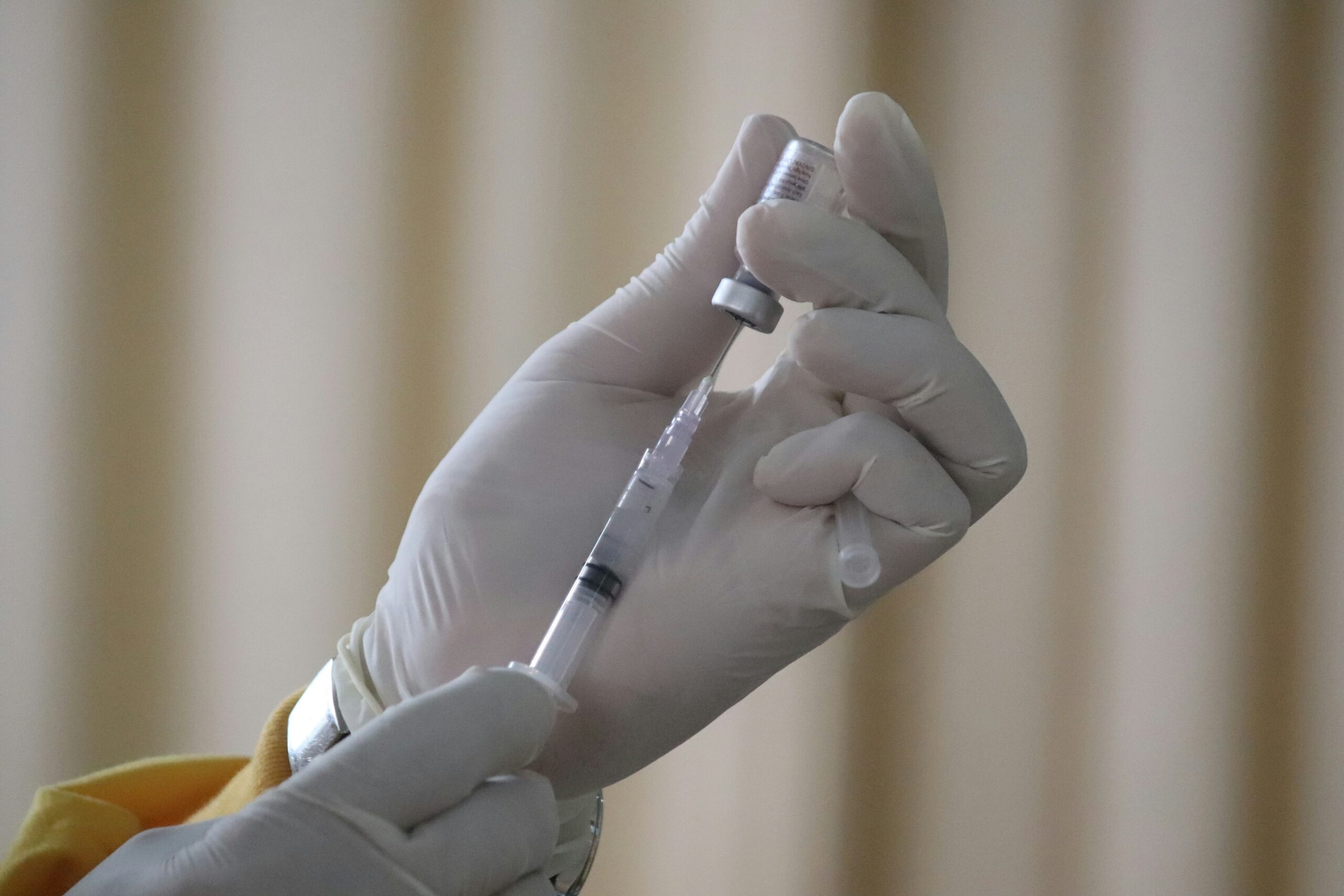
2024 marked the 50th anniversary of the World Health Organization’s Expanded Programme on Immunization (EPI). An initiative to make life-saving vaccines available to all worldwide. A modeling study done to mark the 50 years of EPI estimated that vaccination averted 154 million deaths, including 146 million deaths among children. Several additional studies on vaccine effectiveness show that vaccines improve infant safety, contribute to a healthy society, and even reduce cancer risk. Vaccines work for an individual and society. The data show that many vaccines can reduce mortality by 99% or more. Unfortunately, global immunization has been a victim of its own success because people have forgotten how deadly and dangerous the diseases vaccines protect against can be.
Vaccine effectiveness is overshadowed today by misinformation about vaccine safety, changing vaccine administration timelines, and mixed public health messaging. What are the outcomes of the recent relaxed vaccine message? The number of measles cases has jumped. Fifty-nine cases were reported in 2023. In 2025, 2242 cases were reported. For additional perspective, an article published in the 2007 edition of JAMA listed the number of deaths pre-vaccine release and the number of deaths post-vaccine release. The findings are remarkable.
The recent Centers for Disease Control and Prevention (CDC) change to the childhood vaccine schedule reduces routine protection against 13 childhood diseases to 7, with shared decision-making now required for the remaining 6. Diphtheria, tetanus, acellular pertussis (DTaP; Tdap), Haemophilus influenzae type b (Hib), Pneumococcal (PCV), Inactivated poliovirus (IPV), Measles, mumps, rubella (MMR), Varicella (VAR), and Human papillomavirus (HPV – changing from 2 doses to 1 dose) are now part of the routine vaccine schedule.
Rotavirus, COVID-19, Influenza, Hepatitis A, Hepatitis B, Meningococcal ACWY, and Meningococcal B are now grouped in a shared-decision-making model. Traditionally, when changes are made to the vaccine schedule, they are made with much deliberation, study, and expert input from multiple agencies and governing bodies. However, this recent change, however, did not follow the normal study path. This is concerning because changes are proposed without proper study of the immediate and long-term consequences.
Vaccines have been shown to be safe, with most patients experiencing very minor side effects. Normal reactions from vaccinations include low-grade fever for 24-48 hours. A low-grade fever and minor muscle aches signal the body's immune response. Tenderness and redness at the injection site are other normal reactions from immunization and should last from 24-48 hours. There is no proof that thimerosal (a preservative historically used in vaccines) causes adverse reactions. Additionally, thimerosal has been removed from most vaccine preparations used today. Vaccines do not overwhelm a child’s immune system. Children are exposed to hundreds of antigens daily. A WHOLE pediatric vaccination schedule exposes them to around 50 antigens. There is NO evidence to support altering or delaying the American Academy of Pediatrics vaccination schedule. This does NOT increase safety; it DECREASES protection at a time when infants and children are most vulnerable.
How can consumers of healthcare information, in particular, vaccine information, find reliable, trustworthy, educated guidance? Since the June 2025 changes in CDC personnel have resulted in less qualified members of the Advisory Committee on Immunization Practices (ACIP), it is generally best to rely on non-governmental sources such as the American Academy of Pediatrics, American College of Gynecologists, the Infectious Disease Society of America, and the Vaccine Integrity Project for vaccine advice. Additionally, discuss vaccine efficacy and safety with your doctor.
For More Information:
Vaccination greatly reduces disease, disability, death and inequity worldwide - PMC
The New Federal Vaccine Schedule for Children: What Changed and What Are the Implications? | KFF
JAMA 2007; 298:2155-2162
Visit your doctor regularly and listen to your body.
EVERY MONDAY – Read Dr. Paul J. Mackarey “Health & Exercise Forum!” via Blog
EVERY SUNDAY in "The Sunday Times" - Read Dr. Paul J. Mackarey “Health & Exercise Forum!” in hard copy
This article is not intended as a substitute for medical treatment. If you have questions related to your medical condition, please contact your family physician. For further inquires related to this topic email: drpmackarey@msn.com
Paul J. Mackarey PT, DHSc, OCS is a Doctor in Health Sciences specializing in orthopedic and sports physical therapy in Scranton and Clarks Summit. Dr. Mackarey is in private practice and is an associate professor of clinical medicine at Geisinger Commonwealth School of Medicine. For all of Dr. Mackarey's articles, visit our exercise forum!