May is National Bike Month! In fact, Saturday, May 7, 2022 Lackawanna Heritage Valley’s Heritage Explorer Bike Tour is returning in person for the first time since 2019. For those who have a bike, now might be a good time to dust it off and enjoy the many beautiful and well-maintained trails that are available at the Countryside Conservancy at Lackawanna State Park, other locations in the Abingtons or the Lackawanna Heritage Valley Authority. For those who don’t have a bike, it might be a good time to get one!
There are many obvious reasons to bike…cardiovascular fitness, burn calories, improve leg strength and others. But, the real question is, “what are the advantages of biking over other forms of exercise?” Glad you asked…
Prevention is the best management of musculoskeletal problems associated with biking. First, many of the problems associated with biking such as knee pain, buttock soreness, and tendonitis can be prevented through proper fitting. Furthermore, it is important that your equipment be in good working order such as tires, chain, brakes and pedals. Next, be sure to maintain a fairly good fitness level in order to bike safely. If you are a beginner, start slowly. Warm up and slowly bike for 10 to 15 minutes and build up over time. Practice the coordination of stopping, starting, shifting and braking. Work on good strength and flexibility of the hamstrings, quadriceps, calves and gluteal muscles. All of these muscles are necessary to generate pedal force. Balance is also important to safety and can be practiced on and off the bike. Be aware that adaptive equipment can modify your bike for added comfort and safety such as soft handlebar tape, seat post and front fork shock absorbers, padded biking shorts, c-out and gel pad saddle seats, and wider tires.
Be careful not to progress too quickly because inactivity to over activity in a short period of time can create problems. Overuse injuries such as tendonitis, can be avoided by cross training. Bike every other day and walk, run or swim on off days. Make sure to take time off to recover after a long ride. Use ice and massage to sore muscles and joints after riding.
Remember, cycling should be fun! Pain from improperly fitted and poorly maintained equipment is preventable. Excessive workouts and training rides should be kept to a minimum and consider cross-training in between.
EQUIPMENT: Helmets are a must! Also, keep your bike in good condition. Road bikes should have mirrors and reflectors. Use hand signals and obey traffic rules. Dress for weather and visibility. Have a first aid and tire patch kit, tire pump and tools. Seat comfort can be improved with gel cushion or split seat.
BE ALERT: for traffic, parked cars, pedestrians loose gravel and cracks in the road.
SOURCES: American Physical Therapy Association
The last two columns in “Health & Exercise Forum” have been dedicated to the health benefits of exercise for Parkinson’s disease. Specifically, the use of dance was featured as a method to promote strength, balance, coordination and agility in this population. However, dance as a form of exercise and for the promotion of balance, coordination and agility, is not limited to those with neurological conditions…it is beneficial for everyone! In fact, my wife, Esther and I, have always enjoyed our dance classes with Vince Brust!
Like most forms of exercise, if done regularly, dance can have multiple health benefits. If dance is your only form of exercise, make it your goal to sustain the activity for about 30 minutes a day, 3-4 days per week for the most value.
If you have any doubt or reservations about the ability of dance to improve your health and wellness, take notice of the muscle tone, flexibility, agility and coordination of a professional dancer...ballet, modern, hip hop, jazz, etc. They are incredible athletes and artists!
It is common to lose agility and flexibility with age especially if you regularly perform the same limited movements throughout your day and lifetime. This will lead to stiffness and lack of flexibility, especially for new or season activities which can make you more vulnerable for injury and pain. Lower back pain and calf or hamstring strains are most common. Research suggests that dance can help.
For example, in one study it was found that cross-country skiers who received months of dance training showed improvements in joint mobility and muscle flexibility of the spine, as well as their speed and agility.
It is also expected that balance and coordination are also compromised with age. It’s one of the reasons that older adults are so prone to falls. The research also supports the value of dance to offset this problem.
One particular study found that in people over the age of 80 years, social dancing helped improve balance and walking speed, as well as contributing to a more stable walking pattern.
Moderate-intensity dance, performed continuously for at least 30 minutes on a regular basis has been found to reduce the risk of death from cardiovascular disease in some studies. Moreover, it has been more effective in prevention than average-pace walking ...and is less boring!
Most activities of daily living (walking, climbing stairs) occur in a linear and forward directon. However, dance has not set direction and can move in multiple planes (forwards, backwards, and sideways with diagonal and rotational components.
These unlimited movements, not only improves agility, coordination, and balance, but also strengthens muscles that often get forgotten like your core and abdominals.
As with any cardiovascular exercise, dance is a form of aerobic exercise which burns calories. This is especially true if performed a minimum of moderate-intensity for 30 minutes or longer.
According to the American Diabetes Association, aerobic exercise can support weight loss.
Weight-bearing exercise is the cornerstone for any osteoporosis prevention program and dance is a prime example.
According to the National Osteoporosis Foundation, high-impact, weight-bearing exercises, such as certain forms of dance, can help maintain bone strength and even build new bone mass. This slows the development and progression of osteoporosis. It is also well established that low-impact weight-bearing exercise (dancing with the impact of jumping etc.) is effective in bone loss prevention. Dance can be whatever intensity you want it to be, depending on your mood, energy level, and physical limitations.
Like most forms of exercise, especially aerobic, dance can improve cognitive health. In addition to releasing special hormones, it can also improve circulation and oxygenation to the brain to enhance brain health.
Some research suggests that dance can help create new connections between brain regions involved in long-term memory and improve mood, cognitive acuity and mental energy.
Physicians and physical therapists often recommend dance as a form of rehabilitation following brain injury, stroke or dementia.
One study found that out of many different types of exercise (including dance, swimming, golf, cycling, tennis, and others) dance was the only one associated with a lower risk of dementia for people in the study. Experts believe the benefit was due to a combo of social interaction and mental focus...that is not to say that the aforementioned types of exercise do not have value.
Dancing can contribute to your mental health by improving mood and reducing stress. As Morrie advised in Mitch Albom’s best-selling book, Tuesdays with Mori, “dance like nobody’s watching”...it can be very invigorating!
Dance participants ranked mood enhancement as the number one reason for participation! One study examining people’s motivation for dancing, “mood enhancement” ranked top on the list. The dancers felt that the activity is expressive and allows you to escape and “let your hair down.”
Some studies also suggest that dance therapy might also reduce depression, especially in those who have serious illnesses, such as breast cancer or Parkinson’s (read last week’s column). Researchers feel that this may be due to increased endorphins and lower cortisol levels.
The pandemic has taught most of us a valuable lesson ... some of us have a serious need to socialize and some do not. For those like me, who thrive on being among others, dance classes and dance-style workouts often take place in groups, which allows for social bonding in a fun, light and breezy environment.
Depending on your marital status and the specific style of dance you choose (salsa, tango or swing dancing), you may even be paired up with a partner every week!
While exercise on treadmill, bike or elliptical can be great exercise, it also can be boring and repetitive. Research suggests that any form of exercise can boost self-esteem.
When dancing, however, you get all the benefits of exercise, while simultaneously learning a new skill. It can be incredibly rewarding and satisfying to master the skill, especially with others such as learning the tango.
SOURCE: “Greatest” Debra Sullivan, Ph.D., MSN, R.N., CNE, COI
NEXT MONDAY – Read Dr. Paul J. Mackarey “Health & Exercise Forum!” This article is not intended as a substitute for medical treatment. If you have questions related to your medical condition, please contact your family physician. For further inquires related to this topic email: drpmackarey@msn.comPaul J. Mackarey PT, DHSc, OCS is a Doctor in Health Sciences specializing in orthopaedic and sports physical therapy. Dr. Mackarey is in private practice and is an associate professor of clinical medicine GCSOM.
For all of Dr. Mackarey's articles visit www.mackareyphysicaltherapy.com/forum
“Dance like nobody’s watching!” This is one of my favorite quotes from Mitch Albom’s book, Tuesdays With Mori, because it represents interesting facts about human behavior. One, of course, is the ability to be comfortable in your own skin. The other, maybe less obvious benefit is that challenging your balance through dancing, even if it’s not pretty, is very effective in maintaining or improving quality of life for those with challenges in gait and balance, as found in Parkinson’s disease (PD). In fact, “Dance for PDR”, a new and popular treatment for PD, has recently been validated in the scientific literature as a valuable treatment tool for those with PD.
Research published in the Journal of Neural Transmission, shows that dancing is shown to help people with PD improve their ability to walk and enhances their quality of life. The program was applicable to those at various stages of PD, including those using walkers. Moreover, the results found that, in addition to physical improvements, participants also had psychological and social benefits through camaraderie, joy of movement and less isolation.
Participants, none of whom had ever engaged in a dance class before, performed a structured dance program for 16 sessions over 8 weeks. Each class was 75 minutes long with seated warm-up activities 50% of the time. Results showed: 10%improvement in overall movement, 26% improvement in walking and 18% improvement in tremor.
Parkinson’s disease is a chronic, degenerative disease that leads to slowness of movement, balance disorders, tremors, and difficulty walking. PD results from the loss of dopamine-producing nerve cells in the brain. Dopamine is critical to stimulate the nerves of the muscular system in the body. PD affects approximately 1.5 million people in the USA with 60,000 new cases each year according to the National Parkinson Foundation. Most people know someone affected by PD. PD typically affects those over 65 years of age and only 15% are under 50.
While there is no current cure for PD, exercise is well documented to relieve some of its symptoms. Specifically, exercise can help keep muscles strong, joints mobile, and tissues flexible. Exercise will not stop PD from progressing, but it will improve balance, enhance walking ability, reduce muscle weakness, and minimize joint stiffness. In 2007, a study published in the Journal of Neuroscience revealed that exercise may benefit individuals with PD because exercise encourages the remaining dopamine cells to work harder to produce more dopamine. Also, the researchers discovered that exercise decreases the rate at which dopamine is removed from the brain.
Exercise to improve strength, balance, and flexibility can be performed independently at home or supervised at a rehab or exercise facility. Supervised exercise can include physical therapy, recreational therapy, water therapy, yoga, and Tai Chi. Physical therapy can improve walking ability, enhance balance, reduce fatigue, increase strength, promote flexibility and minimize pain. Physical therapy uses movement techniques and strategies as well as various pieces of equipment to enhance an individual’s level of independence and improve his quality of life. PT can also incorporate leisure activities (e.g. golfing and ballroom dancing) to reduce the symptoms and associated limitations of PD. Tai Chi, a total mind and body workout, is a series of individual dance-like movements linked together in a continuous flowing sequence. Particular benefits for people with PD include reduced stress, increased energy, improved concentration and focus, better circulation and muscle tone, and significant improvements in balance.
According to Dance for PDR,their programoffers internationally acclaimed dance classes for people with Parkinson’s disease in Brooklyn, New York and, through a network of partners and associates, in more than 120 other communities and 16 countries. In Dance for PD classes, participants are empowered to explore movement and music in ways that are refreshing, enjoyable, stimulating and creative. For more information visit: www.danceforpd.org
So, if you like to dance, “keep on dancing!” If you don’t dance and notice some changes in balance and coordination, or if you have PD…it’s a good time to start! “Dance like nobody’s watching!”
NEXT MONDAY – Read Dr. Paul J. Mackarey “Health & Exercise Forum!”
This article is not intended as a substitute for medical treatment. If you have questions related to your medical condition, please contact your family physician. For further inquires related to this topic email: drpmackarey@msn.com. Paul J. Mackarey PT, DHSc, OCS is a Doctor in Health Sciences specializing in orthopaedic and sports physical therapy. Dr. Mackarey is in private practice and is an associate professor of clinical medicine at GCSOM.
For all of Dr. Mackarey's articles visit www.mackareyphysicaltherapy.com/forum
Parkinson’s disease (PD) is a chronic, degenerative disease that leads to slowness of movement, balance disorders, tremors, and difficulty walking. PD results from the loss of dopamine-producing nerve cells in the brain. Dopamine is critical to stimulate the nerves of the muscular system in the body. PD affects approximately 1.5 million people in the USA with 60,000 new cases each year according to the National Parkinson Foundation. Most people know someone affected by PD. PD typically affects those over 65 years of age and only 15% are under 50. However, actor, Michael J. Fox brought national attention to the disease in 1991 when he was only 30 years old. Juvenile Parkinson’s, those diagnosed under the age of 40, is rare and only represents 7% of all those with PD.
While there is no current cure for PD, exercise can relieve some of its symptoms. Although PD affects an individual’s ability to move, exercise can help keep muscles strong, joints mobile, and tissues flexible. Exercise will not stop PD from progressing, but it will improve balance, enhance walking ability, reduce muscle weakness, and minimize joint stiffness. In 2007, a study published in the Journal of Neuroscience revealed that exercise will benefit individuals with PD because exercise encourages the remaining dopamine cells to work harder to produce more dopamine. Also, the researchers discovered that exercise decreases the rate at which dopamine is removed from the brain.
Depending on the stage of the disease and the level of assistance required, exercise to improve strength, balance, flexibility and ambulation for those with PD, can be performed independently at home or supervised at a rehab or fitness facility. Supervised exercise can include physical therapy, recreational therapy, water therapy, yoga, and Tai Chi… AND DANCE! Physical therapy can improve walking ability, enhance balance, reduce fatigue, increase strength, promote flexibility and minimize pain. Physical therapy uses movement techniques and strategies as well as various pieces of equipment to enhance an individual’s level of independence and improve his quality of life. Recreational therapy incorporates leisure activities (e.g. golfing and ballroom dancing) to reduce the symptoms and associated limitations of PD. Recreational therapy adapts these activities to meet the specific needs of the person with PD. The modified activities are taught by professionals who have significant knowledge and experience in this area. Water therapy is especially helpful to people with PD because the water provides enough buoyancy to lessen the amount of balance required to perform essential exercises. The cushioning effect of the water allows for freedom of movement while providing the appropriate level of resistance necessary to achieve the desired results. Using a combination of physical and mental exercises, yoga promotes flexibility, reduces stress levels, and increases stamina and strength in individuals with PD. Tai Chi, a total mind and body workout, and is a series of individual dance-like movements linked together in a continuous flowing sequence. Particular benefits for people with PD include reduced stress, increased energy, improved concentration and focus, better circulation and muscle tone, and significant improvements in balance.
If you choose the convenience of a home exercise program, consult your physician or physical therapist for recommendations regarding: (1) the types of exercise best suited for you and those which you should avoid, (2) the intensity of the workout, (3) the duration of your workout, and (4) any physical limitations you may have.
The type of exercise that works best for you depends on your symptoms, fitness level, and overall health. Your exercise program should address not only strength but also flexibility and endurance and should include all body parts: face, mouth, neck, torso, arms, legs, hands, and feet. Some general exercise suggestions include:
Since individuals with PD are at risk for falling and freezing (becoming rigid), work out in a safe environment and, if possible, when someone is present. Avoid slippery floors, poor lighting, throw rugs, and other potential dangers (e.g., watch out for the pooch because he might want to join in the fun). If you have difficulty balancing, exercise sitting down, lying on the bed or within reach of a grab bar or securely installed rail. Stop and rest if you feel tired during your exercise program since overexertion can make your PD symptoms worse.
Contributions: Janet Caputo, DPT, OCS,
NEXT MONDAY – Read Dr. Paul J. Mackarey “Health & Exercise Forum!” Next Week: Part II of II: Dance for Parkinson ’s Disease.
This article is not intended as a substitute for medical treatment. If you have questions related to your medical condition, please contact your family physician. For further inquires related to this topic email: drpmackarey@msn.comPaul J. Mackarey PT, DHSc, OCS is a Doctor in Health Sciences specializing in orthopaedic and sports physical therapy. Dr. Mackarey is in private practice and is an associate professor of clinical medicine at GCSOM.
For all of Dr. Mackarey's articles visit: http://www.mackareyphysicaltherapy.com/forum
In 2000, President Bill Clinton dedicated March as National Colorectal Cancer Awareness Month. The purpose of this designation is to increase public awareness of the facts about colon cancer – a cancer that is preventable, treatable and has a high survival rate. Regular screening tests, expert medical care and a healthy lifestyle, which includes a proper diet and exercise, are essential for prevention. Several studies have demonstrated that exercise can also help prevent colon cancer.
The American Cancer Society estimates that there will be approximately 150,000 new cases of colorectal cancer in 2021. Of these, 52,980 men and women will succumb to the disease. It is the second-leading cause of U.S. cancer deaths for both men and women combined. The good news is incidence and mortality rates are dropping both nationally as well as in northeast Pennsylvania. The bad news is northeast Pennsylvania still has increased incidence and mortality rates when compared to the national average.
Studies show that prevention of this disease is multifaceted and includes: engaging in daily exercise, eating a low-fat diet with little red meat, avoiding smoking, drinking in moderation and having regular colonoscopy screenings.
Early detection is the key to survival. Death from colorectal cancer can be eliminated if caught at the earliest signs of disease. Colorectal cancer progresses very slowly, usually over years. It often begins as non-cancerous polyps in the lining of the colon. In some cases, these polyps can grow and become cancerous, often without any symptoms. Some symptoms that may develop are: blood in stool, changes in bowel movement, feeling bloated, unexplained weight loss, feeling tired easily, abdominal pain or cramps, and vomiting. Contact your physician if you have any of these symptoms.
The risk of colon cancer increases with age, as 90 percent of those diagnosed are older than age 50. A family history of colon cancer increases risk. Also, those with benign polyps, inflammatory bowel disease, ulcerative colitis or Crohn’s disease are at greater risk and should be screened more frequently.
The intestine works like a sewage plant, recycling the food and liquid needed by your body. However, it also stores waste prior to disposal. The longer the wastes remain idle in your colon or rectum, the more time toxins have to be absorbed from you waste into the surrounding tissues. One method in which exercise may help prevent colon cancer is to get your body moving, including your intestines. Exercise stimulates muscular contraction called peristalsis to promote movement of waste through your colon.
Exercise to prevent colon cancer does not have to be extreme. A simple increase in daily activity for 15 minutes, two times per day or 30 minutes, once per day is adequate to improve the movement of waste through your colon. This can be simply accomplished by walking, swimming, biking or playing golf, tennis or basketball. For those interested in a more traditional exercise regimen, perform aerobic exercise for 30-45 minutes four to five days per week, with additional sports and activities for the remainder of the time. For those in poor physical condition, begin slowly. Start walking for five to 10 minutes, two to three times per day. Then, add one to two minutes each week until you attain a 30-45 minute goal.
Dr. Christopher Peters is a partner of Radiation Medicine Associates of Scranton (RAMAS) and serves as medical director of Northeast Radiation Oncology Centers (NROC). He is an associate professor of clinical medicine at GCSOM.
Sources: American Cancer Society/Northeast Regional Cancer Institute, and CA Cancer J Clin.
This article is not intended as a substitute for medical treatment. If you have questions related to your medical condition, please contact your family physician. For further inquires related to this topic email: drpmackarey@msn.com
Paul J. Mackarey PT, DHSc, OCS is a Doctor in Health Sciences specializing in orthopaedic and sports physical therapy. Dr. Mackarey is in private practice and is an associate professor of clinical medicine at GCSOM.
You are never too old to exercise! This is the second of two columns dedicated to appropriate exercise for the elderly. Last week I discussed basic strengthening exercises. This column will address three additional components necessary for independence in the elderly: flexibility, balance and endurance. While it may not be as valuable for those fortunate to be over 75 years of age and capable of running, skiing and playing tennis, you may still find a noteworthy pearl of wisdom.
Why would someone 75 or 80 be interested in a basic exercise program? Well, one must maintain adequate flexibility, strength, balance and endurance to safely function in daily activities around the house. For example, the most common goals of elderly patients are: climbing stairs, getting in and out of a shower, putting on shoes and socks, tucking in a shirt or fastening a bra, cooking, cleaning, and carrying groceries or laundry.
Remember, for most people it is more harmful not to exercise, so contact you physician to discuss whether independent exercise is appropriate for you. You may need to consult with a physical therapist to get started.
Flexibility Exercises involve moving the arms, legs and trunk through comfortable range of motion to give you more mobility in order to improve your ability to perform daily activities such as tucking in a shirt, tying shoes or fastening a bra. Best if performed after strength exercises because the muscles and joints will be warm and limber. Always perform slowly with slight stretch sensation and no pain. No bouncing or over stretching!
These exercises are to be performed while sitting in a chair with a backrest, slowly, 5 repetitions, 3-5 times per week.
Balance Exercises involve strengthening muscles that keep the body upright and stable in standing in order to improve your ability to perform daily activities without falling. According to the NIH, 300,000 US hospital admissions for broken hips occur each year due to falls. Check with your physician if you have a history of dizziness before performing these exercises on your own. Best if performed with someone at home or some assistance. Always use a countertop or back of chair to hold onto for support.
Endurance Exercises involve any activity such as walking, swimming, biking or raking leaves that elevates your heart rate and breathing for an extended period of time. Check with your physician if you have a history of heart problems or dizziness before performing these exercises on your own. Best if performed with someone at home or some assistance. Start off slowly for only 5 minutes and add 1-2 minutes each week or 2. Wear good and comfortable shoes – no heels!
While not all of these endurance exercises may be appropriate for you, one or two of these may offer a good starting point.
NEXT MONDAY – Read Dr. Paul J. Mackarey “Health & Exercise Forum!”
This article is not intended as a substitute for medical treatment. If you have questions related to your medical condition, please contact your family physician. For further inquires related to this topic email: drpmackarey@msn.com
Paul J. Mackarey PT, DHSc, OCS is a Doctor in Health Sciences specializing in orthopaedic and sports physical therapy. Dr. Mackarey is in private practice and is an associate profession of clinical medicine at Geisinger Commonwealth School of Medicine.
For all of Dr. Mackarey's articles visit mackareyphysicaltherapy.com
The number one resolution each year is to lose weight. The internet is flooded with endless recommendations for diet and exercise. While not guaranteed, the recommendations below are safe, simple and easily implemented. And, it is a good way to start your day…give it a try!
Source: WebMD, Mayo Clinic
Read Dr. Mackarey’s Health & Exercise Forum – Every Monday
This article is not intended as a substitute for medical treatment. If you have questions related to your medical condition, please contact your family physician. For further inquires related to this topic email: drpmackarey@msn.com
Paul J. Mackarey PT, DHSc, OCS is a Doctor in Health Sciences specializing in orthopaedic and sports physical therapy. Dr. Mackarey is in private practice and is an associate professor of clinical medicine at GCSOM.
For all of Dr. Mackarey's articles visit: mackareyphysicaltherapy
Special Feature “ Health & Exercise Forum” with GCSOM: Steven Scheinman, MD, GCSOM President and Dean
Steven Scheinman, MD, Geisinger Commonwealth School of Medicine President and Dean, retired at the end of 2021, leaving behind a legacy that will continue in perpetuity. It is often said that success can be measured by the degree to which one makes the world a better place. By that measure, my friend and mentor, Dr. Steven Scheinman, is a very successful man! His numerous contributions to our community will have a long-lasting positive impact, not only on health and wellness, but also on the spirit and pride of its humble citizens.
Dr. Scheinman has demonstrated many of the attributes associated with great leaders and philosophers; openness, with a curiosity and tolerance for diverse cultural and intellectual experiences; conscientiousness, with a gift for dutifulness, diligence, and orderliness; and extraversion, with a tendency to experience positive emotions and being active and sociable.
In 2010, the Robert Graham Center, a think tank focused on primary care, analyzed the physician shortage in Pennsylvania. The researchers concluded, “Pressures from a growing, aging, increasingly insured population call on Pennsylvania to address current and growing demand for primary care providers to adequately meet health care needs. Policymakers in Pennsylvania should consider strategies to bolster the primary care pipeline . . .”
Northeastern Pennsylvania was certainly not immune to the problem. In fact, our need for increased access to primary care, which includes mental and behavioral health, reached a boiling point in September of 2012 when our community was shocked by a tragic rash of teen suicides.
That same year, Dr. Steve Scheinman arrived in Scranton to assume leadership of what was then The Commonwealth Medical College (TCMC). Our community was justifiably proud of the school…almost singlehandedly and completely single-mindedly, the people of northeastern Pennsylvania built the school without a major hospital or university partner – something no other community has done. Its purpose, of course, was not just to be a point of pride. It was to ensure the health and wellbeing of our entire region.
When Dr. Scheinman took the reins, TCMC intended to re-populate the region’s physician workforce but had few ways beyond admissions policies favorable to local students to incentivize its talented young graduates to remain. Dr. Scheinman took the school’s mission as his own and went to work. He guided our medical school to full accreditation – with six commendations, including one for community engagement. He convened a consortium of mental and behavioral health providers, patients and caregivers and founded the Behavioral Health Initiative (BHI), which has gone on to help found the Autism Collaborative and create opportunities for additional graduate medical education in psychiatry in our region.
Undeniably, however, Dr. Scheinman’s most important achievement was in presiding over TCMC’s integration with Geisinger. Geisinger was the perfect partner for this community’s medical college. Both the school and the system are focused on the health of the people in our region. Both focus on serving community and solving the problems that affect our overall wellbeing. Importantly, integration with Geisinger secured the future of medical education in northeastern Pennsylvania. The crowning achievement, however, of becoming Geisinger Commonwealth School of Medicine (GCSOM) is its turbocharged ability to meet the founding goal of the school – to create a physician pipeline right here in our neighborhoods. Together with leaders from Geisinger, in 2018 Dr. Scheinman announced the launch of the Abigail Geisinger Scholars Program.
Dr. Scheinman tells me that area students have always expressed to him a deep desire to come home – and since 2016 more than 30 have done so -- but financial considerations too often derail these plans. Thanks to the Abigail Geisinger Scholars Program, financial considerations are now an incentive, not an obstacle. And because GCSOM maintains admissions policies that favor local students, a great number of Abigail Geisinger Scholars grew up right here in northeastern Pennsylvania.
The program offers tuition-free medical education to GCSOM students in exchange for a promise to return to our region and work as a Geisinger physician. Today, up to 45 students per class are enrolled in the program and are dedicated to specializing in family medicine, internal medicine, medicine/pediatrics, and psychiatry – all areas of primary care devoted to keeping people healthy and out of the hospital. In 2021, the first five students in the program graduated from GCSOM and are now in residency training. In the coming years, we will see hundreds added to that number with each and every one ultimately “coming home.”
All of this happened under the leadership of Dr. Steve Scheinman, who earlier this year announced his retirement. On Jan. 3, Dr. Julie Byerley will succeed Dr. Scheinman as the third president and dean of Geisinger Commonwealth School of Medicine. As he leaves us to enjoy a well-deserved retirement, I think the entire community owes him a sincere thank you not only for securing the future of our school, but also for helping our community realize the vision of what having our own medical school would mean -- a guaranteed pipeline of excellently trained physicians to care for us. His legacy will be the wonderful young GCSOM graduates practicing in our region. Here are a few who are already doing so:
· Pat Connors, MD, who practices internal medicine with Prime Med in Scranton.
· Rachel Brutico Gianotti, MD, a Geisinger pediatrician, and her husband, Vince Gianotti, MD, an emergency medicine doctor in Wilkes-Barre.
· Matthew Mullen, MD, a Geisinger cardiac surgeon in Scranton.
· Angela DiBileo Kalinowski, MD, a family medicine doctor with Prime Med in Clarks Summit.
Read Dr. Mackarey’s Health & Exercise Forum – every Monday. This article is not intended as a substitute for medical treatment. If you have questions related to your medical condition, please contact your family physician. For further inquires related to this topic email: drpmackarey@msn.com
Paul J. Mackarey PT, DHSc, OCS is a Doctor in Health Sciences specializing in orthopedic and sports physical therapy. Dr. Mackarey is in private practice and is an associate professor of clinical medicine at GCSOM.
Read all of Dr. Mackarey's articles at: mackareyphysicaltherapy.com/forum
October is National Physical Therapy Month. The American Physical Therapy Association (APTA) would like the nation to recognize the positive role physical therapy plays in your health and wellness. We are passionate about what we do! No, we don’t save lives, but we do save lifestyles and quality of life! PT’s are great people. We have a special gift to provide healthcare unique to our field. For example, while many different health care professionals treat back pain, PT’s are some of the very few working to rehabilitate stroke and head injury victims, amputees, children with cerebral palsy and other serious neurological and orthopedic disorders.
In honor of physical therapy month and the thousands of dedicated physical therapists working hard to keep you healthy and mobile, I would like to share some health and wellness pearls of wisdom.
Remember, we cannot control our gene pool or what happens to our bodies, however, we can control our lifestyles. Research suggests that lifestyle may play the biggest role on how healthy you are and how long you live. The food you eat, what you drink, if you smoke, how active you are and how you handle stress are critical factors that determine your longevity. Research also tells us that smoking, physical inactivity, and poor eating habits are the leading causes of death, in that order.
One, to be truly healthy, one must have a health mind, body and spirit. A healthy mind requires education and intellectual stimulation. The body requires a good diet and physical activity while the spirit thrives on faith and hope. Strive to find balance and address all three elements of health and wellness.
Two, keep it simple. Should I walk, run, swim, or ride? Do I use free weights, barbells, rubber tubing or lifting machines at a gym? The answer is KEEP IT SIMPLE! You don’t need to join an expensive gym with a personal trainer to get in shape. Bands, light dumbbells, walking at the mall, and biking will all get you in shape. It must be convenient and consistent. Physical activity is one of the most important factors in improving a lifestyle in a positive way. But, it does not have to be complicated. A minimum of 30-45 minutes of physical activity, 3-5 days per week will have many positive effects on your body. But, the studies also show that engaging in 10-15 minutes of activity 2-3 times per day, is also valuable to your health…even at work!
Three, be realistic. Expect that exercise will take time to have a noticeable benefit. Don’t get overly ambitious and set yourself up for failure.
Four, be religious. Be religious about exercise and diet but don’t get too compulsive. Studies show if you are too compulsive, you will probably not keep it up for life.
Five, ask a professional. There are a million misconceptions about health and fitness. For example, some people still think you can spot reduce! Ask a professional, (medical doctor, physical therapist, nutritionist, exercise physiologist), if you have a question about beginning a diet or exercise program. If you have health issues or concerns, see your primary care physician first.
Six, there is no secret to a long and healthy life. According to the National Institutes of Health (NIH), while genes play an important role, lifestyle plays the biggest role on how healthy you are and how long you live. The food you eat, what you drink, if you smoke, how active you are and how you handle stress are critical factors that determine your longevity. The NIH research has found that smoking, physical inactivity, and poor eating habits are the leading causes of death, in that order.
Seven, find a fitness mentor or role model. I have the good fortune of meeting many patients over the years that serve as my health & fitness role models. I continue to be inspired by those who overcome their disabilities and injuries through hard work and determination to regain health, wellness and function. Find someone who inspires you!
Eight, find a spiritual mentor or role model. Learn a lesson from “the greatest generation.” The WWII generation rarely complained, worked hard and placed great emphasis on God and responsibility to family. Try to associate with people whose “glass of water is always half full.”
Nine, do the right thing. When it comes to exercise, do the right thing. Get good advice, wear the appropriate clothing and shoes and eat and drink appropriately for the activity. Walk and run in running shoes, eat plenty of whole grains, fruits and vegetables with a good balance of protein and carbohydrates. Drink plenty of water before and during endurance activities. Make proper adjustments for different temperatures.
Ten, have FUN! A healthy lifestyle doesn’t have to be drudgery. There are plenty of good and flavorful healthy food choices. An occasional cheat is good. Also, there are plenty of fun activities and exercise options. Run, walk, swim, bike, hike a canyon, cross-country ski, downhill ski. Use the elliptical, recumbent bike, or stairmaster, recumbent stepper. Alternate routines, cross-train, or play a sport like tennis, golf (walk the course), racquetball or squash. Mix it up. IF YOU WANT TO EXERCISE FOR LIFE - YOU MUST HAVE FUN!
Read Dr. Mackarey’s Health & Exercise Forum – Every Monday
This article is not intended as a substitute for medical treatment. If you have questions related to your medical condition, please contact your family physician. For further inquires related to this topic email: drpmackarey@msn.com
For all of Dr. Mackarey's articles visit: https://mackareyphysicaltherapy.com/forum/
Paul J. Mackarey PT, DHSc, OCS is a Doctor in Health Sciences specializing in orthopaedic and sports physical therapy. Dr. Mackarey is in private practice and is an associate professor of clinical medicine at Geisinger Commonwealth School of Medicine.
Difficulty sleeping during the COVID-19 quarantine has become a common problem and can be manifested in a variety of ways; insomnia, fragmented sleep and nightmares. National prescription providers have reported a 21% increase in anti-insomnia, anti-anxiety and antidepressant medications since March of 2020. The past two weeks in Health & Exercise Forum” have been dedicated to sleep wellness.
We discussed the importance of sleep for health and wellness. Sleep is crucial to us as a species, but it is not always easily attained. For many individuals across the globe, sleeping properly can be a challenge. The trial and tribulations of the human experience can lead to restless nights and early morning risings without adequate sleep. This week, we will discuss how lack of quality or quantity of sleep can impact our lives in many ways and make suggestions to improve your sleep hygiene.
Although it may be tempting to sleep in on weekends after a long week of classes, some studies report that this habit results in a smaller volume of the gray matter of the brain in adolescents. Also, in this report, students who altered their sleep pattern on weekends had a lower grade average than those who did not. Therefore, it seems that it is not only important to maintain an average healthy average amount of sleep each night, but also to stay consistent with the hours that you are asleep.
There are many studies that have linked unhealthy sleep patterns to obesity. Inadequate sleep causes irregular levels of the hormones that are responsible for telling our brains when we need to eat. Therefore, this hormone imbalance can lead to obesity and thus make us vulnerable to the dangerous effects dramatically increased body fat.
A healthy sleep schedule has been shown to reduce the risk of heart disease and stroke, which are two of the leading causes of death in the United States. For example, interruptions in sleep due to disorders like sleep apnea have been shown to be a risk factor for stroke and that persistent tiredness often preceded heart disease.
Whether you are a high school or collegiate athlete, or simply enjoy some daily exercise, a healthy sleep schedule can help maximize performance. It is worth noting that it is possible that athletes require different sleep patterns than the general population to reach peak performance. Moreover, it has been shown that sleep loss is linked to a decreased ability in athletes to store sugar in the muscle to use as energy during a workout.
Needless to say, there are a plethora of things that can negatively impact our sleep. Even one night of poor sleep can drastically impact our performance and ability to concentrate the following day. So how do we combat this? There are several simple habits that can improve sleep hygiene and increase the likelihood of getting a good night’s sleep.
There are thousands of other resources that can help us achieve a great night’s sleep. Apps like “Calm” and “Headspace” have guided meditations and relaxation techniques to help us unwind before bed. More useful information about healthy sleep and why it is important can be found on Harvard Medical School’s Healthy Sleep website. And there are hundreds of thousands of YouTube videos with relaxation techniques and informative healthy sleep videos to be discovered. If these interventions do not improve your sleep, talk to your primary care doctor and see which next steps are right for you.
Sleeping well is not always easy and there will undoubtedly be nights on which rest eludes us despite our best efforts. But with consistent healthy sleep habits, we will be on our way to a healthier and better tomorrow.
For More Informations:
-http://healthysleep.med.harvard.edu/healthy/
-https://jamanetwork.com/journals/jamainternalmedicine/fullarticle/2110998
-https://www.sciencedirect.com/topics/medicine-and-dentistry/insomnia
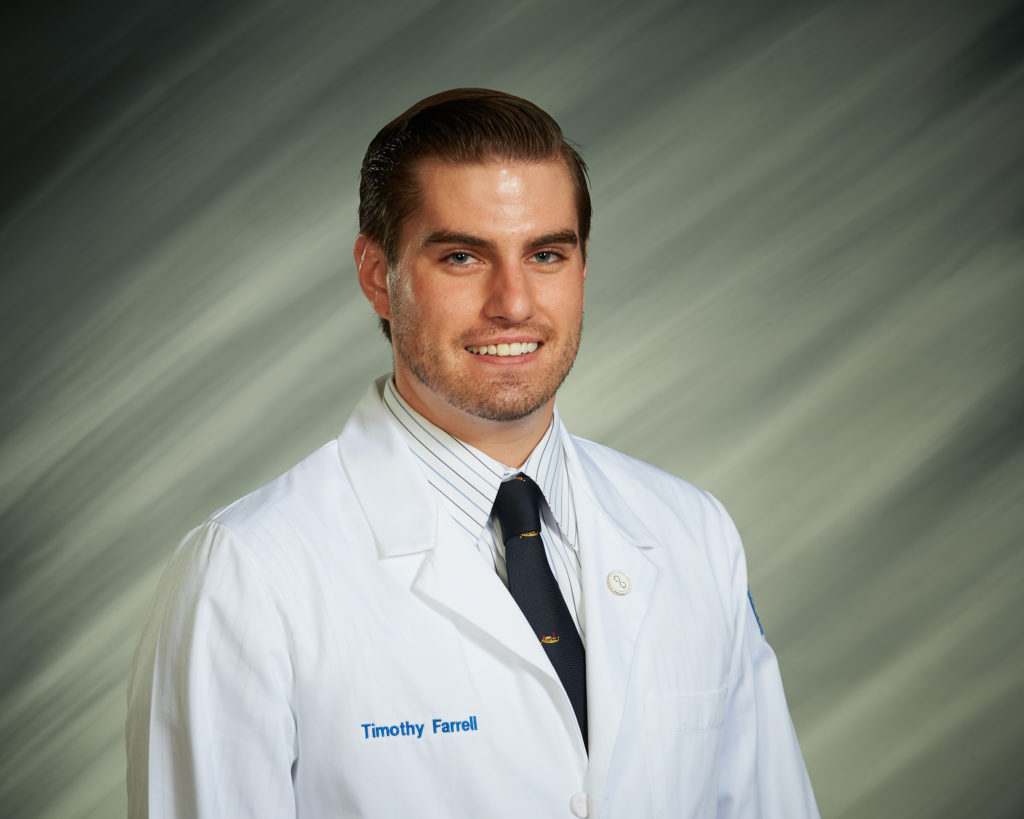
Timothy Farrell, MD3
Tim Farrell is a third year medical student at Geisinger Commonwealth School of Medicine. Originally from Clarks Summit, Pennsylvania, Tim received his bachelor’s degree from Loyola University Maryland in Baltimore, MD. Currently a 2nd Lieutenant in the US Army, he enjoys listening to music, running, and spending time with his two dogs. He volunteers with the Cody Barrasse Foundation in the Organ Transplant Assistance Program, where he helps patients receive grant funding as they await their transplant surgery. He hopes to pursue a career in General Surgery.
This article is not intended as a substitute for medical treatment. If you have questions related to your medical condition, please contact your family physician. For further inquires related to this topic email: drpmackarey@msn.com
Paul J. Mackarey PT, DHSc, OCS is a Doctor in Health Sciences specializing in orthopaedic and sports physical therapy. Dr. Mackarey is in private practice and is an associate professor of clinical medicine at Geisinger Commonwealth School of Medicine.