Happy Holidays! Despite political divisions and war in the Middle East and Ukraine, it is at this time of year that we celebrate life with great hope and faith. People of many faiths take time to reflect, respect, and resolve. Christians celebrate Christmas, the miraculous birth of Christ, the Son of God, and the Messiah. Jews celebrate Chanukah, the miraculous festival of lights, when one night’s oil provided enough light and safety for 8 nights. Both major faiths promote healthy lifestyles for the mind, body and spirit. These faiths are grounded in hope, faith, love and peace. It is no surprise that studies repeatedly demonstrate that faithful and spiritual people live longer and healthier lives! At this turbulent time in the world, it is important to note that people of all faiths benefited equally!
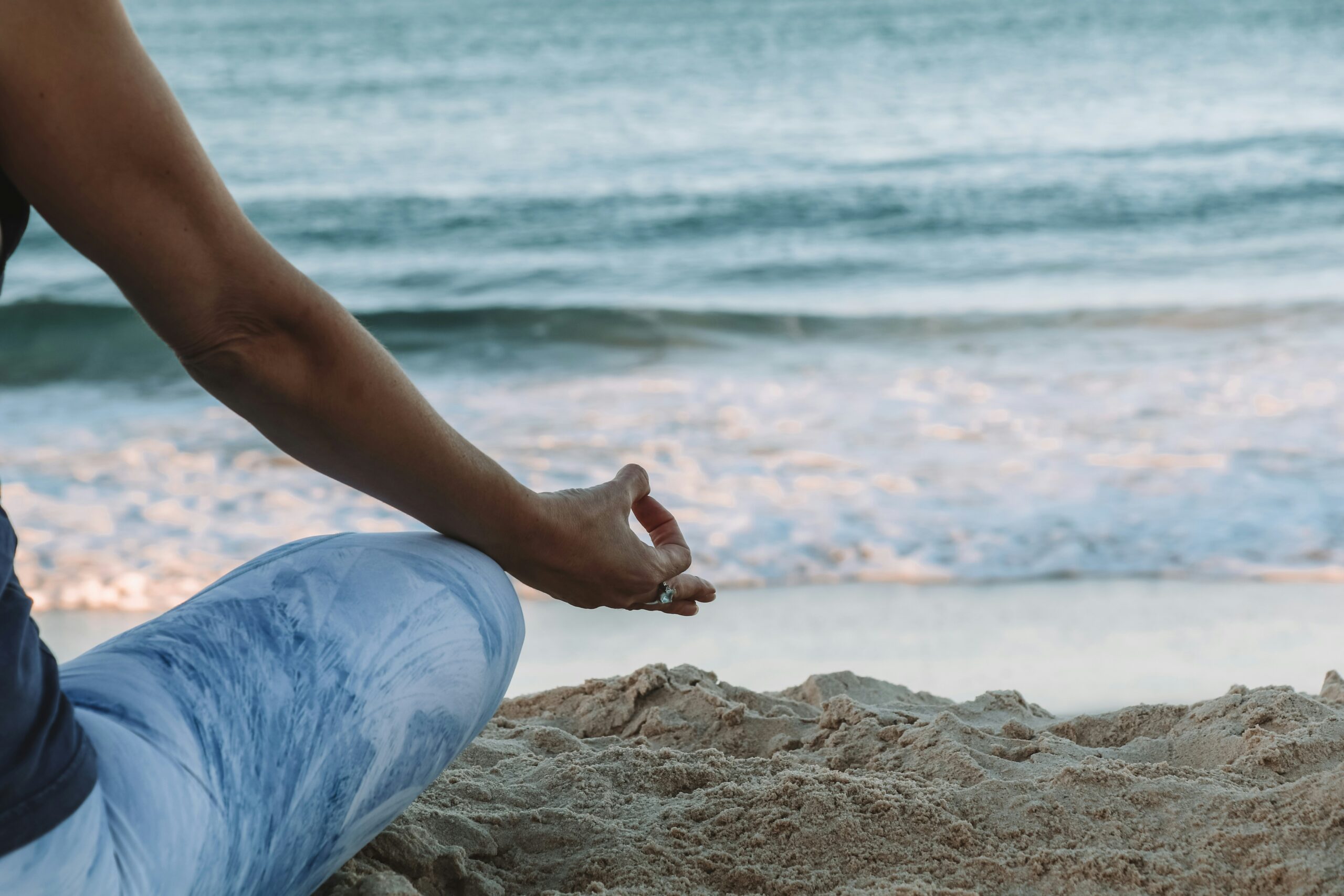
I purport that to be truly healthy; one must have faith because complete health is multidimensional. Socrates preached this message to his students thousands of years before Christ. One must have a healthy mind, which requires intellectual stimulation with attainable goals related to education and intellect. One must have a healthy body by eating well, engaging in physical activity and having attainable goals related to his/her body. Likewise, one must have a healthy spirit with faith, hope, prayer and meditation, comrades and counsel, and set attainable spiritual goals.
Being religious or spiritual has been shown to benefit your mind, body and spirit…
EVERY MONDAY – Read Dr. Paul J. Mackarey “Health & Exercise Forum!” via Blog
EVERY SUNDAY in "The Sunday Times" - Read Dr. Paul J. Mackarey “Health & Exercise Forum!” in hard copy
This article is not intended as a substitute for medical treatment. If you have questions related to your medical condition, please contact your family physician. For further inquires related to this topic email: drpmackarey@msn.com
Paul J. Mackarey PT, DHSc, OCS is a Doctor in Health Sciences specializing in orthopedic and sports physical therapy in Scranton and Clarks Summit. Dr. Mackarey is in private practice and is an associate professor of clinical medicine at Geisinger Commonwealth School of Medicine. For all of Dr. Mackarey's articles, visit our exercise forum!

September is National Yoga Month! It is hard to believe that yoga, which is now a cultural mainstay, was once considered a foreign practice. An ancient discipline that totes numerous health benefits, it is meant to cultivate inner peace, enlightenment, and a strong relaxed body. In the past, only major cities housed yoga studios but over time it has spread into small towns across the country. Studios offer a variety of classes and each promotes their own unique philosophy. Whether you are looking for a new workout regime, compliment to your current program or simply to quiet your mind in a hectic world, yoga may be an option for you.
Yoga is a discipline that developed over 5,000 years ago and is generally recognized as an ancient system for wellbeing. The word yoga, from the Sanskrit word “yuj”, literally means to yoke or to bind together. The primary focus is to harmonize or unite the mind, body, and spirit through a combination of poses, breathing techniques, and meditation.
The specific origin of it is a topic of debate. However, it is said to have originated in India and was brought to the Western world by gurus in the late 19th and early 20th centuries. The basis for most current practices is The Yoga Sutras of Patanjali. In The Yoga Sutras, eight limbs of yoga are specified. The three most common limbs are meditation, pranayama or breathing exercises, and asana which are the physical poses. Classes can vary greatly, however, most classes include a combination of meditation, breathing exercises, and physical postures.
There are numerous styles of yoga. If you are a newcomer, deciding on a class may be difficult. It is always a smart idea to call a studio before attending a class to gain information and have any questions answered. Furthermore, if you have any health concerns you may want to consult your doctor prior to trying a new form of exercise. Some common forms include but are not limited to:
Below you can find a few common poses or asanas that can be found in beginner classes. These poses promote flexibility and strength and can be incorporated into your everyday workout routine. Remember, before you attempt the poses, begin by walking, biking or running to warm up. Don’t overstretch, perform slowly, and hold the position. You should feel mild discomfort NOT pain.
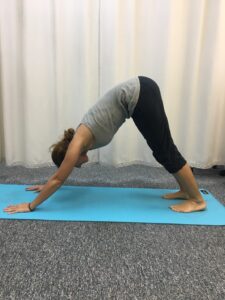
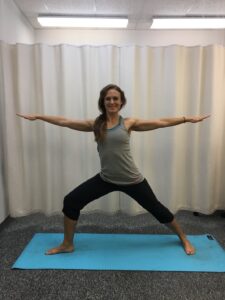
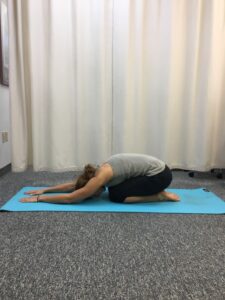
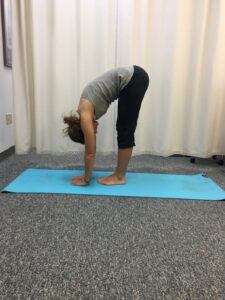
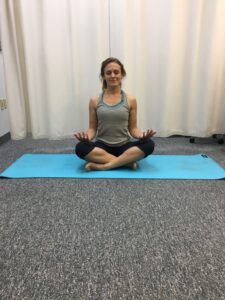
There are a lot of options when it comes to where to start to practice. It is important that the studio you choose employs certified yoga instructors who have completed comprehensive training. A good instructor can make all the difference in your experience. The studio should provide a clean environment and offer a variety of classes including beginner level if you are a newcomer. The best way to get a feel for a studio is to stop in for more information. You may want to ask about pricing as there are often discount introductory rates. Ask about rentals if you do not own a yoga mat and request to see the space. Some yoga studios have a strong sense of community while others are more like a gym. Try out a few different places until you find a fit for you.
Guest Columnist: Catherine Udomsak, PT, DPT | Model: Sarah Singer, PTA
EVERY MONDAY – Read Dr. Paul J. Mackarey “Health & Exercise Forum!” via Blog
EVERY SUNDAY in "The Sunday Times" - Read Dr. Paul J. Mackarey “Health & Exercise Forum!” in hard copy
This article is not intended as a substitute for medical treatment. If you have questions related to your medical condition, please contact your family physician. For further inquires related to this topic email: drpmackarey@msn.com
Paul J. Mackarey PT, DHSc, OCS is a Doctor in Health Sciences specializing in orthopedic and sports physical therapy in Scranton and Clarks Summit. Dr. Mackarey is in private practice and is an associate professor of clinical medicine at Geisinger Commonwealth School of Medicine. For all of Dr. Mackarey's articles, visit our exercise forum!
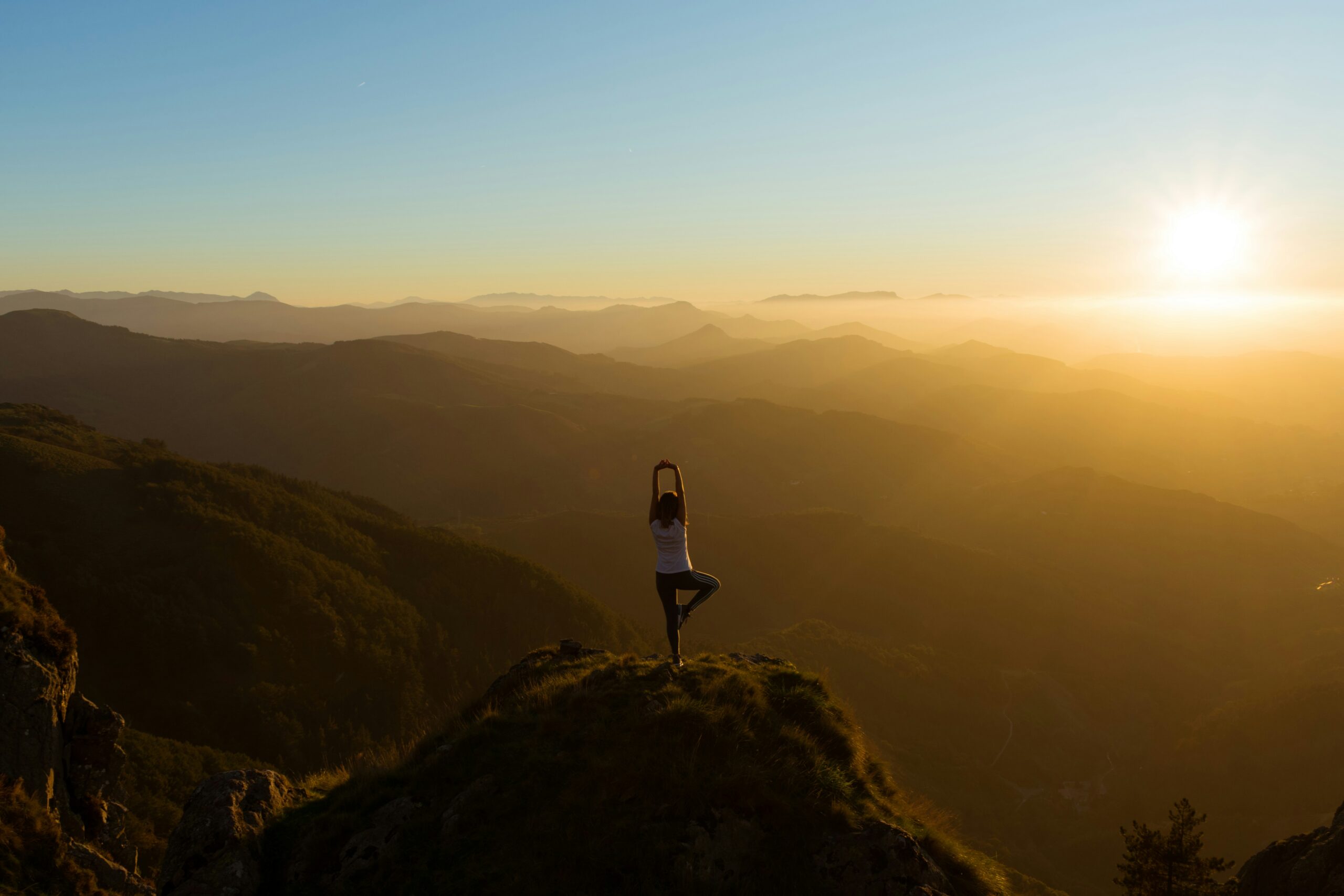
September is National Yoga Month! It is hard to believe that yoga, which is now a cultural mainstay, was once considered a foreign practice. An ancient discipline that totes numerous health benefits, yoga is meant to cultivate inner peace, enlightenment, and a strong relaxed body. In the past, only major cities housed yoga studios but over time yoga has spread into small towns across the country. Studios offer a variety of classes and each promotes their own unique philosophy. Whether you are looking for a new workout regime, compliment to your current program or simply to quiet your mind in a hectic world, yoga may be an option for you.
Yoga is a discipline that developed over 5,000 years ago and is generally recognized as an ancient system for well-being. The word yoga, from the Sanskrit word “yuj”, literally means to yoke or to bind together. The primary focus of yoga is to harmonize or unite the mind, body, and spirit through a combination of poses, breathing techniques, and meditation.
The specific origin of yoga is a topic of debate. However, it is said to have originated in India and was brought to the Western world by yoga gurus in the late 19th and early 20th centuries. The basis for most current yoga practices is The Yoga Sutras of Patanjali. In The Yoga Sutras, eight limbs of yoga are specified. The three most common limbs are meditation, pranayama or breathing exercises, and asana which are the physical poses. Yoga classes can vary greatly, however, most classes include a combination of meditation, breathing exercises, and physical postures.
So what is with all the hype? Why has yoga become so popular? Many would say it is due to its numerous mental and physical health benefits. Research has shown that yoga, when practiced regularly, can reduces stress levels and even boost one’s immune system. Regular stretching releases tension in the body and the controlled breathing and mediation decrease anxiety. Studies show that those who practice yoga habitually can have decreased blood pressure and cholesterol making them less prone to heart disease. Other ailments which are shown to be positively impacted by yoga include insomnia, depression, and chronic pain including low back pain and headaches. Yoga is an excellent way to combat the negative effects of stress on the body and cope with anxiety and angst.
In addition to stress reduction, yoga has many physical benefits. These include increased flexibility, strength, and balance. Those who practice yoga regularly are often less prone to injury, such as a muscle strain or tear, due to their increased flexibility. Furthermore, yoga can be an effective way to strengthen one’s core which is crucial to maintaining ideal posture and protecting the back. For athletes, yoga can be a great way to challenge one’s balance and improve stability. In the elderly, it is a safe way to improve overall body awareness and decrease the risk of falling. Yoga has also been shown to improve respiration and many report an overall increase in energy when incorporating yoga into their lives.
With all of the positive impacts yoga has on the body it is easy to see why it has become such a popular form of exercise. There are classes to meet almost all needs and most poses can be modified based on ability. Yoga can be practiced by those of all ages and all fitness levels. Whether you’re looking for a way to loosen up tight muscles or you simply wish to quiet your mind for an hour, yoga is a tool to improve and maintain health. The only thing you need is a mat and an open mind.
Yoga can be practiced by anyone. From children to adults to the elderly, there are classes for all ages and abilities. It can be a form of cross training for athletes, especially runners who tend to have tight musculature. It also promotes balance and core stability which may be beneficial to sportspersons including football players, soccer players, boxers, etc. Furthermore, there are classes for the elderly which focus on balance and maintaining mobility. There are even prenatal yoga classes for pregnant women to promote deep breathing, flexibility and muscle tone.
Next Week: Types of Yoga and Basic Poses
Guest Columnist: Catherine Udomsak, PT, DPT
EVERY MONDAY – Read Dr. Paul J. Mackarey “Health & Exercise Forum!” via Blog
STAY TUNED for Yoga: TYPES OF YOGA AND BASIC POSES: Part II of II!
EVERY SUNDAY in "The Sunday Times" - Read Dr. Paul J. Mackarey “Health & Exercise Forum!” in hard copy
This article is not intended as a substitute for medical treatment. If you have questions related to your medical condition, please contact your family physician. For further inquires related to this topic email: drpmackarey@msn.com
Paul J. Mackarey PT, DHSc, OCS is a Doctor in Health Sciences specializing in orthopedic and sports physical therapy in Scranton and Clarks Summit. Dr. Mackarey is in private practice and is an associate professor of clinical medicine at Geisinger Commonwealth School of Medicine. For all of Dr. Mackarey's articles, visit our exercise forum!