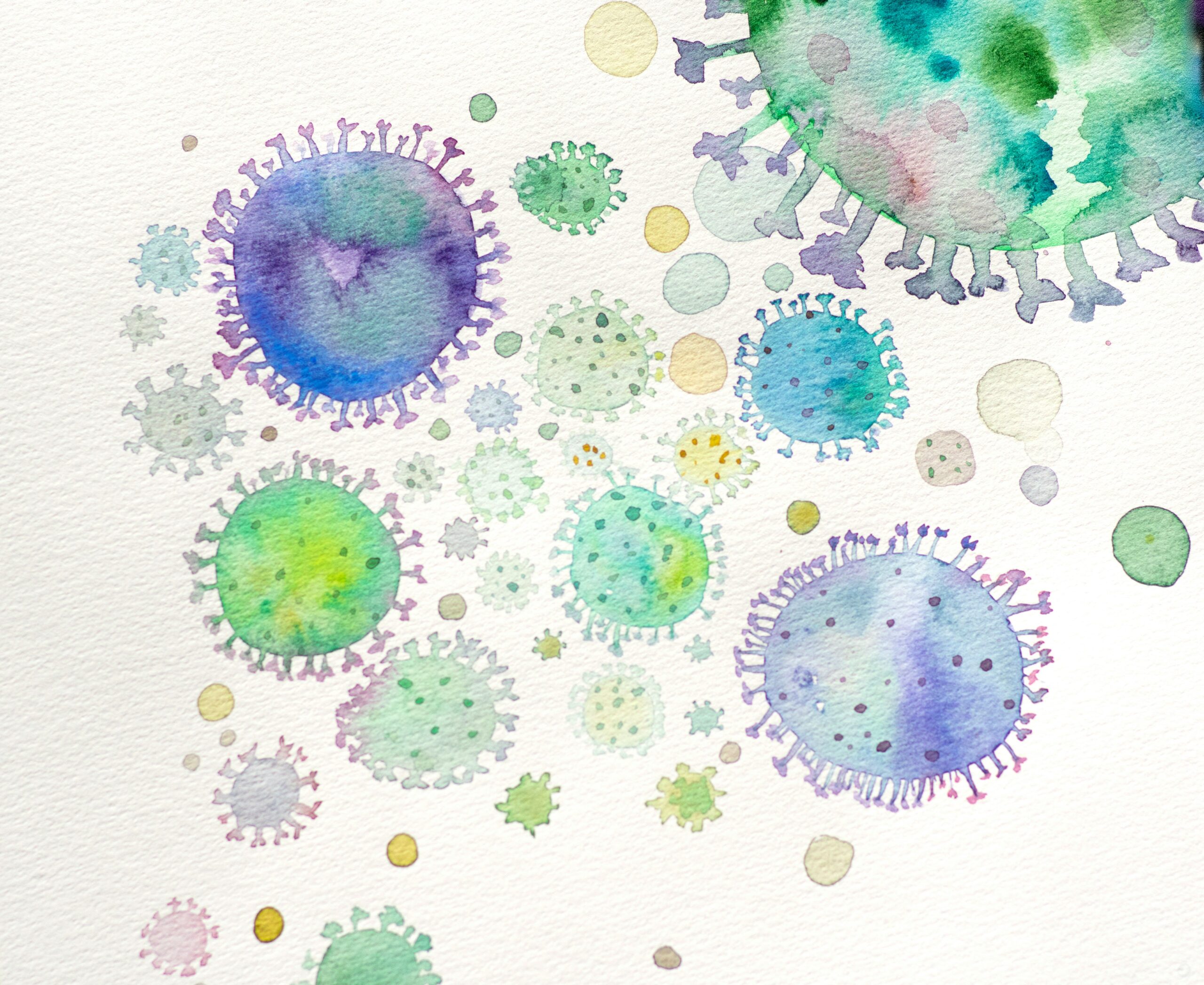
This is the third of three columns dedicated to healthcare for college students. Please find these “10 Tips to Keep Yourself Healthy in College” helpful. However, no discussion regarding the health and wellness of college students would be complete and thorough without addressing what health care and university experts consider the two most dangerous behaviors on college campuses across the nation: binge drinking and unprotected sexual activity.
While it is not my intent to offend the religious and moral values of any reader, it is my purpose to provoke direct and meaningful conversation between parents, religious leaders and students. To prevent serious health problems in college, parents must share their experience and discuss their values regarding sexual activity and alcohol consumption with children before they leave home to live independently in college. If you are unable to have a direct conversation about these issues, consider doing what several readers have done; mail a copy of this column to your child!
SOURCES: American Academy of Pediatrics
Visit your doctor regularly and listen to your body.
Keep moving, eat healthy foods, and exercise regularly.
EVERY MONDAY – Read Dr. Paul J. Mackarey “Health & Exercise Forum!” via Blog
EVERY SUNDAY in "The Sunday Times" - Read Dr. Paul J. Mackarey “Health & Exercise Forum!” in hard copy
This article is not intended as a substitute for medical treatment. If you have questions related to your medical condition, please contact your family physician. For further inquires related to this topic email: drpmackarey@msn.com
Paul J. Mackarey PT, DHSc, OCS is a Doctor in Health Sciences specializing in orthopedic and sports physical therapy in Scranton and Clarks Summit. Dr. Mackarey is in private practice and is an associate professor of clinical medicine at Geisinger Commonwealth School of Medicine. For all of Dr. Mackarey's articles, visit our exercise forum!

This is the second of three columns dedicated to healthcare for college students. As part of the preparation, think about a first aid kit, health care history, and insurance file. For parents without other children at home, once you finish with these preparations and your child departs for college away from home, plan to take dance, art history and conversational Italian classes to occupy your time without children. Resist the temptation to be a helicopter parent…life goes on!
Remember, living in a large community and sharing close quarters makes the development and spread of disease a natural progression. College life can be very unhealthy for many reasons: lack of sleep, poor eating habits, poor hygiene and stress.
Last week we discussed common illnesses among college students, how to manage and when to seek professional help. Below you will find a list of symptoms that should never be ignored. The college health services department should be contacted if you have any of the following symptoms:
Get a small/medium plastic storage box and use it to keep all the following health care items together in one place.
SOURCES: American Academy of Pediatrics
Visit your doctor regularly and listen to your body.
Keep moving, eat healthy foods, and exercise regularly
EVERY MONDAY – Read Dr. Paul J. Mackarey “Health & Exercise Forum!” via Blog
EVERY SUNDAY in "The Sunday Times" - Read Dr. Paul J. Mackarey “Health & Exercise Forum!” in hard copy. Next Week: “Health Tips for College Students – Part III of III”
This article is not intended as a substitute for medical treatment. If you have questions related to your medical condition, please contact your family physician. For further inquires related to this topic email: drpmackarey@msn.com
Paul J. Mackarey PT, DHSc, OCS is a Doctor in Health Sciences specializing in orthopedic and sports physical therapy in Scranton and Clarks Summit. Dr. Mackarey is in private practice and is an associate professor of clinical medicine at Geisinger Commonwealth School of Medicine. For all of Dr. Mackarey's articles, visit our exercise forum!

It is hard to believe it is that time of year when parents and students are preparing to return to school. Many will leave home for the first time as college freshmen. Over the past month I have received several requests for a copy of my three-part series of columns on health tips for college students. In view of this, I thought other parents preparing to send a child off to college this fall might also find this information valuable.
To fully appreciate the importance of this topic, one must keep in mind that living in a large community and sharing close quarters is the first ingredient in the development and spread of disease. College life can be very unhealthy for many reasons. Lack of sleep, poor eating habits and stress add spice to the recipe for disease. Lastly, poor hygiene added to the equation will really get the Petri dish cooking up some nasty germs.
SOURCES: American Academy of Pediatrics
Visit your doctor regularly and listen to your body.
Keep moving, eat healthy foods, and exercise regularly
EVERY MONDAY – Read Dr. Paul J. Mackarey “Health & Exercise Forum!” via Blog
EVERY SUNDAY in "The Sunday Times" - Read Dr. Paul J. Mackarey “Health & Exercise Forum!” in hard copy
This article is not intended as a substitute for medical treatment. If you have questions related to your medical condition, please contact your family physician. For further inquires related to this topic email: drpmackarey@msn.com
Paul J. Mackarey PT, DHSc, OCS is a Doctor in Health Sciences specializing in orthopedic and sports physical therapy in Scranton and Clarks Summit. Dr. Mackarey is in private practice and is an associate professor of clinical medicine at Geisinger Commonwealth School of Medicine. For all of Dr. Mackarey's articles, visit our exercise forum!

This column is repeated every year at this time with the intent of raising the level of awareness to prevent death or serious illness from heat stroke in athletes and other active people in hot, humid weather.
It is mid-July, and we have managed to survive two “heat waves” in NEPA. While it is important to have fun in the sun, please be mindful of how your body reacts to high humidity and heat and take appropriate precautions. Athletes are particularly vulnerable due to daytime practice sessions. In response to this potential problem, the PIAA has established acclimatization guidelines for fall sports beginning in August. Visit www.piaa.org for more information. Keep in mind, you don’t have to be running a marathon or playing football in full uniform to suffer from heat stroke. Adults 65 and older, and infants/young children (5 and younger) are vulnerable. Those with chronic conditions such as diabetes, cardiovascular diseases, and obesity are also at higher risk.
Heat stroke, one of the most serious heat-related illnesses, is the result of long-term exposure to the sun to the point which a person cannot sweat enough to lower the body temperature. The elderly and infants are most susceptible, and it can be fatal if not managed properly and immediately. Believe it or not, the exact cause of heatstroke is unclear. Prevention is the best treatment because it can strike suddenly without warning. It can also occur in non athletes at outdoor concerts, outdoor carnivals, or backyard activities.
Some “old school” folks think that wearing extra clothing and “breaking a good sweat” is an optimal goal for exercise. However, it may be potentially very dangerous in hot and humid conditions. When exercising in hot weather, the body is under additional stress. As the activity and the hot air increase your core temperature, your body will try to deliver more blood to your skin to cool it down. In doing so, your heart rate is increased, and less blood is available for your muscles, which leads to cramping and other more serious problems. In humid conditions, problems are magnified as sweat cannot be evaporated from the skin to assist in cooling the body.
The American Academy of Pediatrics and The American College of Sports Medicine have the following recommendations which are appropriate for both the competitive athlete and weekend warrior:
EVERY MONDAY – Read Dr. Paul J. Mackarey “Health & Exercise Forum!” via Blog
EVERY SUNDAY in "The Sunday Times" - Read Dr. Paul J. Mackarey “Health & Exercise Forum!” in hard copy
This article is not intended as a substitute for medical treatment. If you have questions related to your medical condition, please contact your family physician. For further inquires related to this topic email: drpmackarey@msn.com
Paul J. Mackarey PT, DHSc, OCS is a Doctor in Health Sciences specializing in orthopedic and sports physical therapy in Scranton and Clarks Summit. Dr. Mackarey is in private practice and is an associate professor of clinical medicine at Geisinger Commonwealth School of Medicine. For all of Dr. Mackarey's articles, visit our exercise forum!
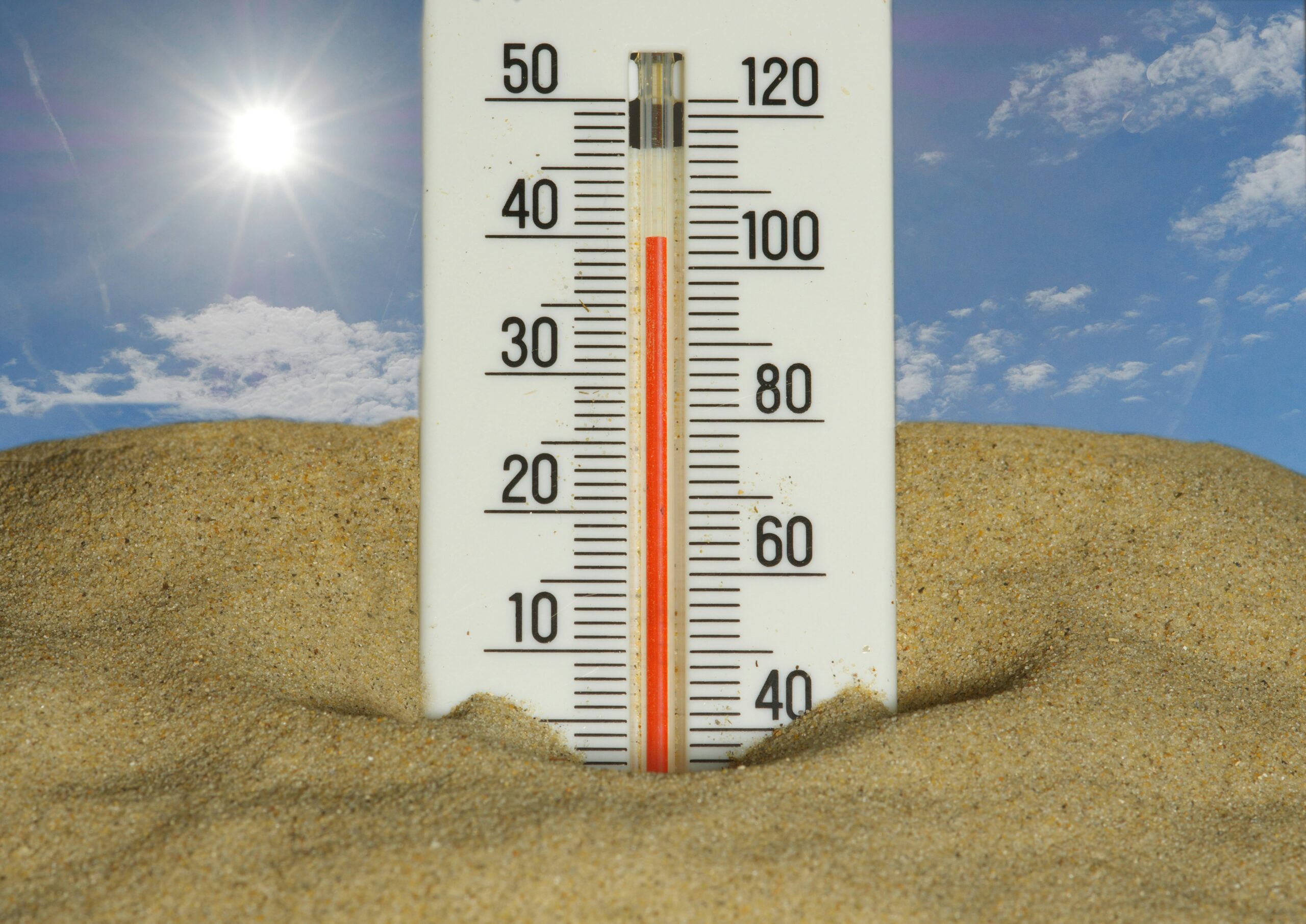
According to the United States Environmental Protection Agency, NEPA and all of Pennsylvania is experiencing a change in climate as indicated by a half a degree (F) in temperature, more frequent and heavy rainstorms and the tidal portion of the Delaware River is rising one inch every eight years. Last summer was one of our hottest on record and this summer more is expected. For those without air conditioning or access to a lake or pool, it will also be remembered as record setting warm temperatures. A local reader who cares for her elderly mother wrote to express her concern about dehydration in the elderly. Age, diet, illness and medications are some of the many reasons why elders suffer from dehydration not only in the summer heat, but year-round.
Next to oxygen, water is the nutrient most needed for life. A person can live without food for a month, but most can survive only three to four days without water. Even though proper hydration is essential for health, water gets overlooked as one of the six basic nutrients. Dehydration occurs when the amount of water taken into the body is less than the amount that is being lost. Dehydration can happen very rapidly (i.e. in less than eight hours). The consequences can be life threatening and the symptoms can be alarmingly swift.
In the body, water is needed to regulate body temperature, carry nutrients, remove toxins and waste materials, and provide the medium in which all cellular chemical reactions take place. Fluid balance is vital for body functions. A significant decrease in the total amount of body fluids leads to dehydration. Fluids can be lost through the urine, skin, or lungs. Along with fluids, essential electrolytes, such as sodium and potassium, are also perilously depleted in a dehydrated individual.
Dehydration is the most common fluid and electrolyte disorder of frail elders, both in long term care facilities and in the community! Elders aged 85 to 99 years are six times more likely to be hospitalized for dehydration than those aged 65 to 69 years. More than 18% of those hospitalized for dehydration will die within 30 days, and associated mortality increases with age. Men appear to dehydrate more often than women and dehydration is often masked by other conditions.
Elderly individuals are at heightened risk for dehydration for several reasons. Compared to younger individuals, their regulatory system (i.e. kidneys and hormones) does not work as well and their bodies have lower water contents. Older adults often have a depressed thirst drive due to a decrease in a particular hormone. They do not feel thirsty when they are dehydrated. This is especially true in hot, humid weather, when they have a fever, are taking medications, or have vomiting or diarrhea. They have decreased taste, smell, and appetite which contribute to the muted perception of thirst. Because of dementia, depression, visual deficits, or motor impairments, elderly people may have difficulty getting fluids for themselves. Many elderly individuals limit their fluid intake in the belief that they will prevent incontinence and decrease the number of trips to the bathroom. The medications that they are taking (e.g. diuretics, laxatives, hypnotics) contribute to dehydration.
Elders may suffer headaches, fainting, disorientation, nausea, seizure, a stroke, or a heart attack as a result of dehydration. The minimum daily requirement to avoid dehydration is between 1,500 (6.34 cups) and 2,000 ml of fluid intake per day. Six to eight good-sized glasses of water a day should provide this amount. Better hydration improves well-being and medications work more effectively when an individual is properly hydrated.
Those who care for the elderly whether at home or in a health care facility need to be alert to the following symptoms:
By the way, plain old tap water is a good way to replenish fluid loss. Keep in mind that some energy drinks not only have excess and unneeded calories but also contain sugar that slows down the rate at which water can be absorbed from the stomach. Consuming alcoholic and caffeinated beverages actually have an opposite, diuretic effect!
EVERY MONDAY – Read Dr. Paul J. Mackarey “Health & Exercise Forum!” via Blog
EVERY SUNDAY in "The Sunday Times" - Read Dr. Paul J. Mackarey “Health & Exercise Forum!” in hard copy
This article is not intended as a substitute for medical treatment. If you have questions related to your medical condition, please contact your family physician. For further inquires related to this topic email: drpmackarey@msn.com
Paul J. Mackarey PT, DHSc, OCS is a Doctor in Health Sciences specializing in orthopedic and sports physical therapy in Scranton and Clarks Summit. Dr. Mackarey is in private practice and is an associate professor of clinical medicine at Geisinger Commonwealth School of Medicine. For all of Dr. Mackarey's articles, visit our exercise forum!

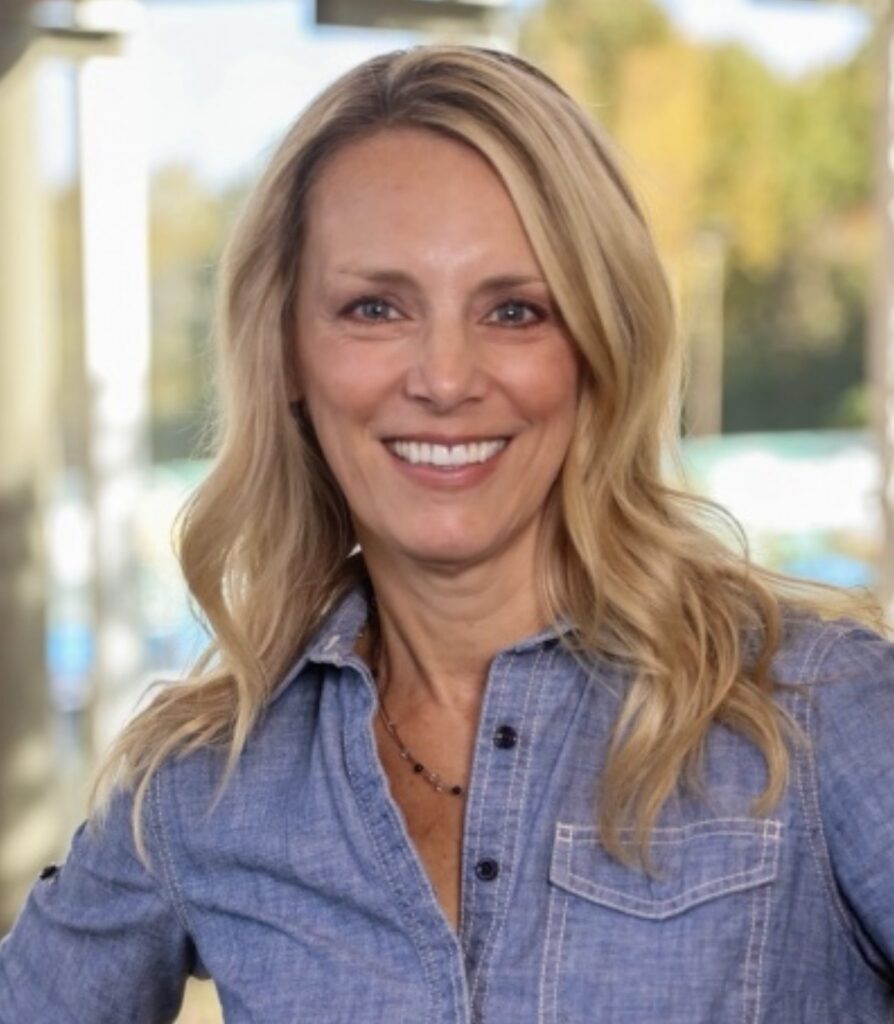
Gretchen graduated from Philadelphia College of Pharmacy and Science, The University of Scranton, and received a Doctor of Pharmacy degree from Temple University.
Gretchen has been teaching for over 25 years at Rutgers University, Keystone College, Lackawanna College, The University of Scranton, and Marywood University. She has earned certifications in Pilates, yoga, barre and teaches all three locally. She has a Wellness and Lifestyle coaching certification from Harvard University.
Gretchen resides in Scranton with her husband, Timothy Welby, MD, and has three daughters – Casey, Kate, and Caroline.
Lifestyle Medicine, is not just a fad or buzzword that is overused in a plethora of health, fitness and wellness magazines, but is actually a medical specialty. It is the practice of using diet and exercise, along with other lifestyle modifications to prevent and manage disease. Lifestyle Medicine focuses on six pillars: healthy eating, physical activity, restorative sleep, stress management, positive social connections, and avoidance of risky substances.
The American College of Lifestyle Medicine was established in 2004. Since then, its membership and outreach have grown exponentially. Lifestyle medicine is currently the fastest-growing specialty in medicine. Its primary aim is to utilize evidence-based therapeutic lifestyle interventions to prevent/control chronic diseases such as cardiovascular disease, type II diabetes, and obesity. However, new data is emerging which expands the role of Lifestyle Medicine into many other areas, including chronic low back pain, sleep, hormonal disorders, Alzheimer’s Disease, chronic inflammatory conditions, and mental health, to name a few.
Lifestyle Medicine differs from conventional medicine in that its approach is not disease specific. Following the six pillars of Lifestyle medicine improves overall health. Conventional medicine targets and treats a specific disease process with medication or surgical intervention in a reactionary approach. Lifestyle medicine prevents or reverses the disease process through behavioral and dietary changes. In a perfect world, Lifestyle medicine and Conventional medicine can be combined to achieve the best results for some patients.
A JAMA study, published in 1993, linked unhealthy lifestyles with premature death. Since this study was published, the rates of cardiovascular disease and Type II diabetes have continued to climb. Obesity rates are at an epidemic level. 70% of American adults, and 22% of children fall into overweight/obese Body Mass Index (BMI) categories. According to the American Academy of Cardiology, only 6.8% of adult Americans meet the criteria for ideal cardiometabolic health, something the Academy calls a “Population Level Code Blue.”
In 2020, the American Heart Association issued a Presidential Advisory for 2030 Impact Goals. The overall goal is to improve morbidity and mortality through preventative measures. Interventions should be targeted earlier in childhood and young adulthood, where healthy habits can be formed with greater success and maximum outcomes. For example, physical activity is well established for its positive effects on cardiovascular health. Physical activity prevents clot and plaque build-up, is antiarrhythmic, and provides hemodynamic stability. Physical activity has also been shown to have psychological, emotional, and social benefits. The American Heart Association categorizes physical activity as a Level 1 (highest) intervention for primary prevention.
Lifestyle Medicine is rooted in evidence-based findings, and its efficacy is supported in scientific literature. A study published in the New England Journal of Medicine in 2002 examined the prevention of the onset of Type II Diabetes in prediabetic patients. Patients were divided into three groups: a placebo group, a metformin group (a type 2 diabetes medication), and a lifestyle intervention group. The metformin group received daily metformin (medication intervention). The lifestyle intervention group received education and prescriptive interventions/instructions on diet, exercise, and stress reduction. Patients were followed for three years. At the end of the study period, the metformin group saw a 31% incidence reduction of type II diabetes, and the lifestyle intervention group saw a 58% incidence reduction in type II diabetes (almost double that of the medication group).
Many examples abound, highlighting the ability of lifestyle medicine interventions for healthy outcomes. The advantages of lifestyle medicine over conventional medicine interventions are numerous. Medications come with side effects. Medication costs are rising and are often not fully covered by insurance programs. Often, current medications are not completely effective for treating disease. For example, Alzheimer’s Disease treatments are lacking. The Alzheimer’s Association International Conference emphasizes healthy lifestyle interventions. They stress adopting 4 or 5 healthy lifestyle factors to reduce the risk of Alzheimer’s dementia by 60%.
Healthy eating habits do not lead to serious side effects. Lifestyle interventions are within the patients’ control and may result in cost savings, potentially lowering food and medical bills. Because lifestyle intervention involves behavioral changes, the process requires time and effort, as well as investment in education and reinforcement to sustain healthy patterns. Motivating clients to make necessary changes and stick with those changes can be the biggest challenge. A Lifestyle/Wellness Coach may be employed to start the client on their journey. The coach works with the client to make choices that are adaptable to the client while fitting within the six pillars. The role of the coach is to hold space and provide guidance for the client, but not to “fix”, “rescue,” or “judge”. Coaching sessions last 30-60 minutes. Coaches and clients may meet 10 times over 3-12 months to establish patterns.
If you, like so many others, have not achieved your health and wellness goals using traditional methods, it may be worth considering Lifestyle Medicine. Focus on healthy eating (minimizing processed foods and sugar intake), physical activity (minimum 300 minutes per week), restorative sleep (between 7-9 hours per night), stress management (controlling anxiety and depression), positive social connections (consistent interactions with friends) and avoidance of risky substances (alcohol, tobacco/nicotine, illicit drugs) have evidence-based positive outcomes to prevent, manage and reverse chronic diseases.
Sources: More information about the six pillars of Lifestyle Medicine and specific intervention outcomes can be found @Balanced Living 570 on Facebook and Instagram!
Visit your doctor regularly and listen to your body.
EVERY MONDAY – Read Dr. Paul J. Mackarey “Health & Exercise Forum!” via Blog
EVERY SUNDAY in "The Sunday Times" - Read Dr. Paul J. Mackarey “Health & Exercise Forum!” in hard copy
This article is not intended as a substitute for medical treatment. If you have questions related to your medical condition, please contact your family physician. For further inquires related to this topic email: drpmackarey@msn.com
Paul J. Mackarey PT, DHSc, OCS is a Doctor in Health Sciences specializing in orthopedic and sports physical therapy in Scranton and Clarks Summit. Dr. Mackarey is in private practice and is an associate professor of clinical medicine at Geisinger Commonwealth School of Medicine. For all of Dr. Mackarey's articles, visit our exercise forum!
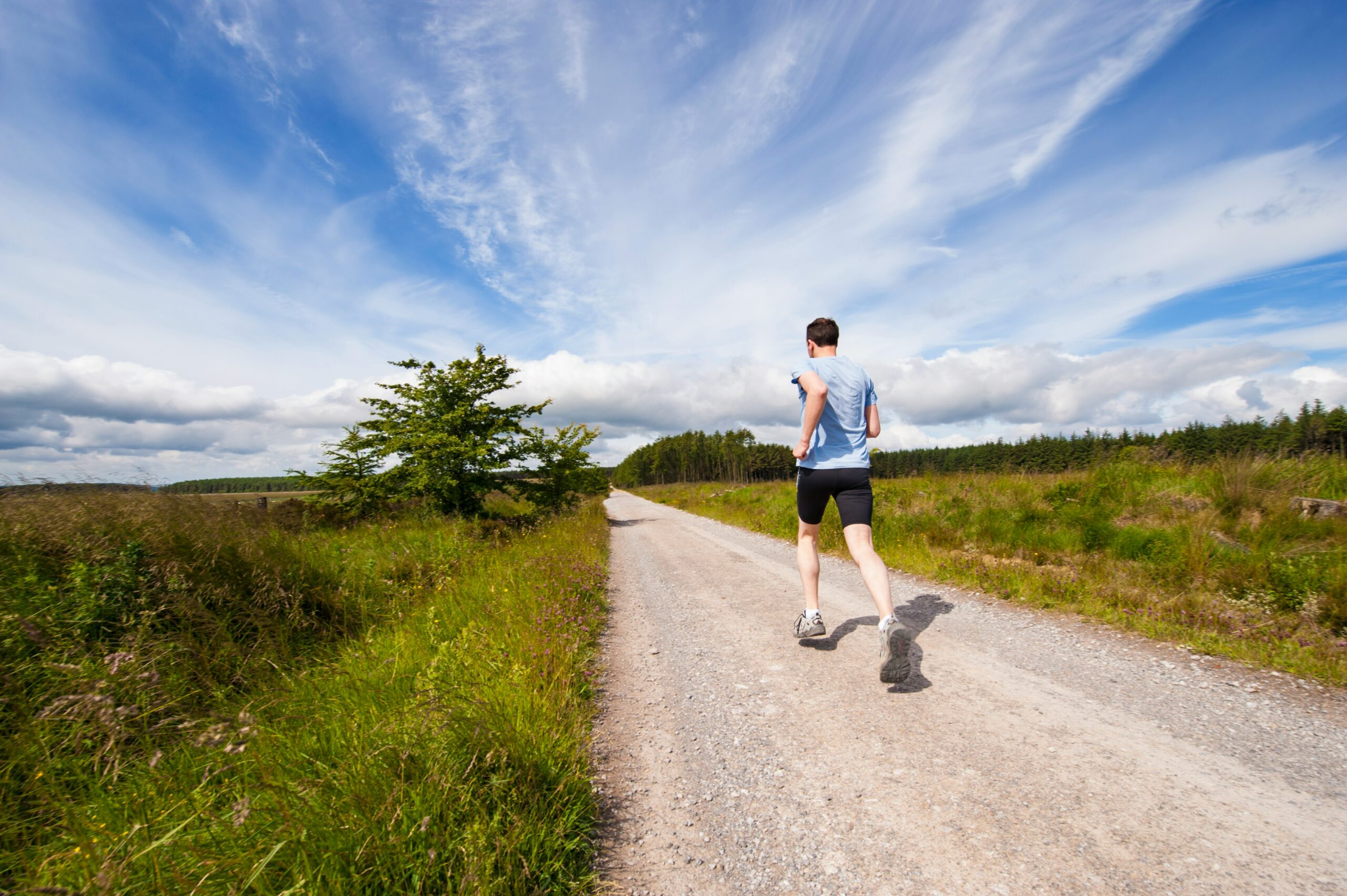
Spring sports and outdoor activities are here…tennis, pickleball, baseball, soccer, running, walking, hiking, golfing, etc. One of the most common injuries associated with physical activity, especially after a sedentary winter or change in temperature is a “pulled hamstring.” This painful injury is not only for the weekend warrior. Well-trained, healthy and fit professional athletes often have their season interrupted for weeks and months due to a hamstring injury. What is the hamstring? How is it injured? What is the best treatment?
A hamstring strain is a tear of the muscle fibers of the muscle group in the back of the thigh called the hamstring. The hamstring muscle is a group of three muscles that run from the back of the hip (lower pelvis), crossing the back of the knee and attaches to the knee bone (tibia). The hamstring muscles work to extend the hip and bend the knee during running and walking activities. They are very active when an athlete changes direction, especially forwards and backwards or decelerating. This injury, like others muscle strains, varies in intensity.
Severe hamstring strain occurs when many muscle fibers are torn. The athlete may experience a sudden onset of severe pain in the back of the thigh and occasionally report a popping sensation. Pain, swelling and black and blue skin from tissue damage and bleeding is often reported. Also, pain is reproduced when attempting to bend the knee. In very severe cases, the boney attachment can be pulled so strongly that a small fracture can occur. Healing time can be as short as a few days or as long as weeks or even months.
Your family physician will examine the back of your leg to determine if you have hamstring strain. Sometimes, pain in the buttocks and back of the leg can be referred from your lower back if the sciatic nerve is inflamed. In more advanced cases, you may be referred to an orthopedic surgeon for further examination and treatment. An X-ray, MRI or bone scan will show the extent of the tear and if the bone is involved. The diagnosis will determine if your problem is minor, moderate or severe.
There are many conservative options. Your family physician or orthopedic surgeon will help you decide which choices are best.
Recent studies have determined that a training program specifically designed to prevent hamstring injuries is effective, especially for the competitive athlete. This program includes:
SOURCES: Journal of Physical Medicine & Rehabilitation and American Academy of Orthopaedic Surgeons
Visit your doctor regularly and listen to your body.
EVERY MONDAY – Read Dr. Paul J. Mackarey “Health & Exercise Forum!” via Blog
EVERY SUNDAY in "The Sunday Times" - Read Dr. Paul J. Mackarey “Health & Exercise Forum!” in hard copy
This article is not intended as a substitute for medical treatment. If you have questions related to your medical condition, please contact your family physician. For further inquires related to this topic email: drpmackarey@msn.com
Paul J. Mackarey PT, DHSc, OCS is a Doctor in Health Sciences specializing in orthopedic and sports physical therapy in Scranton and Clarks Summit. Dr. Mackarey is in private practice and is an associate professor of clinical medicine at Geisinger Commonwealth School of Medicine. For all of Dr. Mackarey's articles, visit our exercise forum!
Germaphobes, cleaning zealots, neat freaks, and those with diagnosed or undiagnosed obsessive-compulsive disorder (OCD), this column is for you! If you would rather clean your bathroom floor than go for a walk on a beautiful sunny day, please read on. If you use a toothbrush on tile grout on a regular basis and take pride in the sparkle of your toilet bowl than beware… studies show that performing these tasks with too much vigor and passion might lead to back, neck, and shoulder and wrist pain.
For some, and you know who you are, (I am related to a few) spring cleaning can be a particularly exciting sporting event. It is almost an exorcism to rid a home of all its evil spirits, smudges, dust, dirt, germs, and odors. Every April curtains come off the windows to be washed and carpets rolled up, removed and cleaned. The surfaces under the curtains and carpets are sterilized with cleaning detergents, disinfectants and chemicals that would make sterile techniques in most hospital operating rooms seem inadequate. And that doesn’t include the heavy work: moving furniture, bedding, including mattresses and box springs.
As a physical therapist and survivor of childhood exposure to copious amounts of cleaning chemicals, I have come to learn that there are healthy and safe options for spring cleaning your home. Of course, the most obvious solution is to hire professional help if you can afford it. The other practical solutions are below:
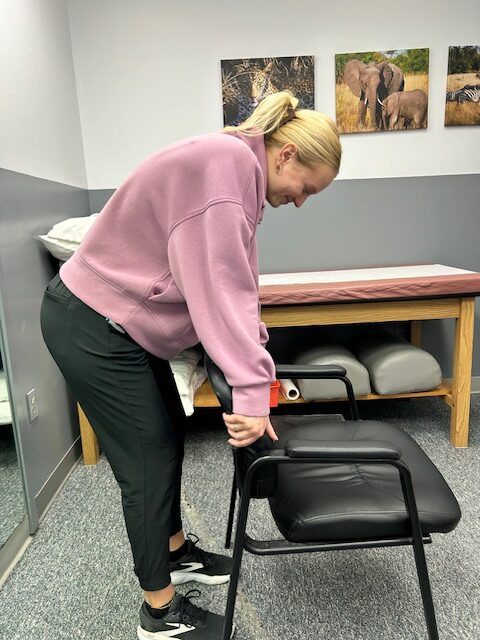 Incorrect
 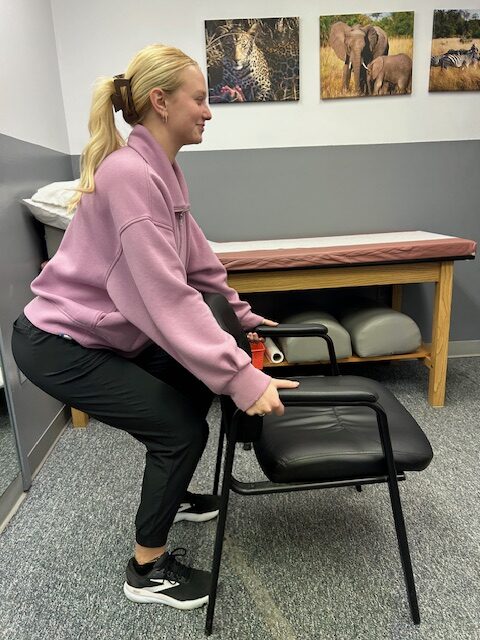 Correct
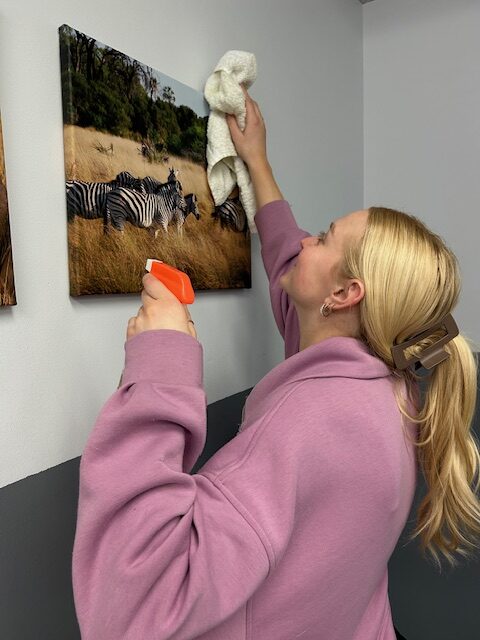 Incorrect
 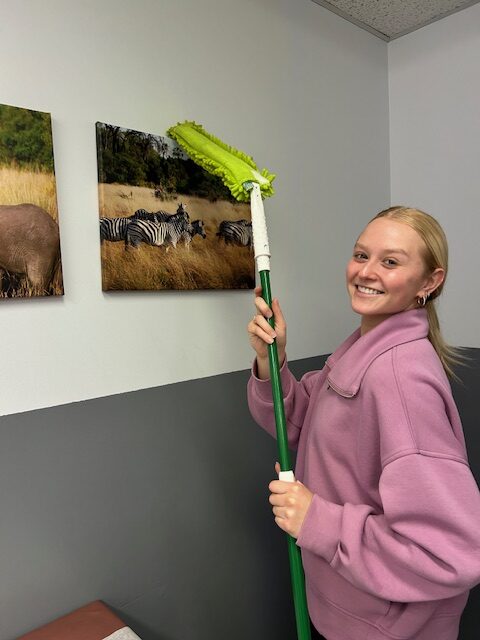 Correct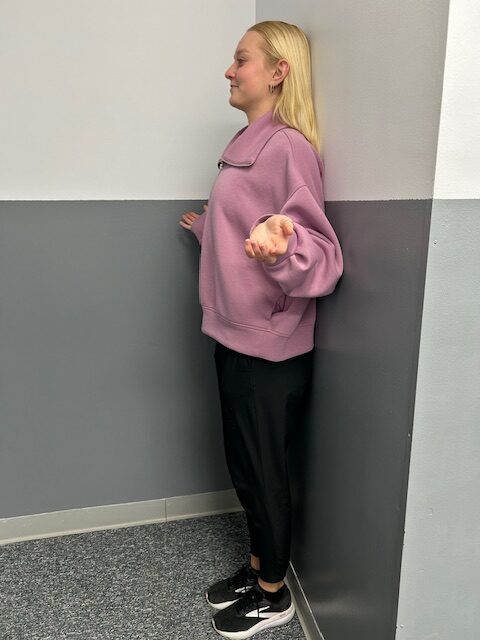
Model: Hannah Keane, Physical Therapy Aide, Mackarey PT
Sources: National Center for Injury Prevention and Control at the CDC, www.medicinenet.comwww.household-management-101
EVERY MONDAY – Read Dr. Paul J. Mackarey “Health & Exercise Forum!” via Blog
EVERY SUNDAY in "The Sunday Times" - Read Dr. Paul J. Mackarey “Health & Exercise Forum!” in hard copy
This article is not intended as a substitute for medical treatment. If you have questions related to your medical condition, please contact your family physician. For further inquires related to this topic email: drpmackarey@msn.com
Paul J. Mackarey PT, DHSc, OCS is a Doctor in Health Sciences specializing in orthopedic and sports physical therapy in Scranton and Clarks Summit. Dr. Mackarey is in private practice and is an associate professor of clinical medicine at Geisinger Commonwealth School of Medicine. For all of Dr. Mackarey's articles, visit our exercise forum!
Guest Author: Gretchen Welby, PharmD, MHA
Gretchen graduated from Philadelphia College of Pharmacy and Science, The University of Scranton, and received a Doctor of Pharmacy degree from Temple University.
Gretchen has been teaching for over 25 years at Rutgers University, Keystone College, Lackawanna College, The University of Scranton, and Marywood University. She has earned certifications in Pilates, yoga, barre and teaches all three locally. She has a Wellness and Lifestyle coaching certification from Harvard University.
Gretchen resides in Scranton with her husband, Timothy Welby, MD, and has three daughters – Casey, Kate, and Caroline.
I have invited Gretchen Welby, PharmD, MHA to present the current wisdom on the very controversial topic of vaccination/immunization to raise awareness and dispel any myths and misunderstandings.
Scientific progress has rarely advanced by popular vote, and vaccination is no exception. While public sentiment deserves respect and thoughtful engagement, the evidence guiding immunization policy is built on decades of rigorous research, transparent testing and continuous review. These research processes are designed precisely to rise above fear, trend, politics or misinformation. Choosing to prioritize scientific findings over shifting opinion is not an act of dismissal, but of responsibility…it is a commitment to decisions that protect both individual lives and the collective good, even when those decisions challenge what feels comfortable or widely believed.
2024 marked the 50th anniversary of the World Health Organization’s Expanded Programme on Immunization (EPI). An initiative to make life-saving vaccines available to all worldwide. A modeling study done to mark the 50 years of EPI estimated that vaccination averted 154 million deaths, including 146 million deaths among children. Several additional studies on vaccine effectiveness show that vaccines improve infant safety, contribute to a healthy society, and even reduce cancer risk. Vaccines work for an individual and society. The data show that many vaccines can reduce mortality by 99% or more. Unfortunately, global immunization has been a victim of its own success because people have forgotten how deadly and dangerous the diseases vaccines protect against can be.
Vaccine effectiveness is overshadowed today by misinformation about vaccine safety, changing vaccine administration timelines, and mixed public health messaging. What are the outcomes of the recent relaxed vaccine message? The number of measles cases has jumped. Fifty-nine cases were reported in 2023. In 2025, 2242 cases were reported. For additional perspective, an article published in the 2007 edition of JAMA listed the number of deaths pre-vaccine release and the number of deaths post-vaccine release. The findings are remarkable.
The recent Centers for Disease Control and Prevention (CDC) change to the childhood vaccine schedule reduces routine protection against 13 childhood diseases to 7, with shared decision-making now required for the remaining 6. Diphtheria, tetanus, acellular pertussis (DTaP; Tdap), Haemophilus influenzae type b (Hib), Pneumococcal (PCV), Inactivated poliovirus (IPV), Measles, mumps, rubella (MMR), Varicella (VAR), and Human papillomavirus (HPV – changing from 2 doses to 1 dose) are now part of the routine vaccine schedule.
Rotavirus, COVID-19, Influenza, Hepatitis A, Hepatitis B, Meningococcal ACWY, and Meningococcal B are now grouped in a shared-decision-making model. Traditionally, when changes are made to the vaccine schedule, they are made with much deliberation, study, and expert input from multiple agencies and governing bodies. However, this recent change, however, did not follow the normal study path. This is concerning because changes are proposed without proper study of the immediate and long-term consequences.
Vaccines have been shown to be safe, with most patients experiencing very minor side effects. Normal reactions from vaccinations include low-grade fever for 24-48 hours. A low-grade fever and minor muscle aches signal the body's immune response. Tenderness and redness at the injection site are other normal reactions from immunization and should last from 24-48 hours. There is no proof that thimerosal (a preservative historically used in vaccines) causes adverse reactions. Additionally, thimerosal has been removed from most vaccine preparations used today. Vaccines do not overwhelm a child’s immune system. Children are exposed to hundreds of antigens daily. A WHOLE pediatric vaccination schedule exposes them to around 50 antigens. There is NO evidence to support altering or delaying the American Academy of Pediatrics vaccination schedule. This does NOT increase safety; it DECREASES protection at a time when infants and children are most vulnerable.
How can consumers of healthcare information, in particular, vaccine information, find reliable, trustworthy, educated guidance? Since the June 2025 changes in CDC personnel have resulted in less qualified members of the Advisory Committee on Immunization Practices (ACIP), it is generally best to rely on non-governmental sources such as the American Academy of Pediatrics, American College of Gynecologists, the Infectious Disease Society of America, and the Vaccine Integrity Project for vaccine advice. Additionally, discuss vaccine efficacy and safety with your doctor.
For More Information:
Vaccination greatly reduces disease, disability, death and inequity worldwide - PMC
The New Federal Vaccine Schedule for Children: What Changed and What Are the Implications? | KFF
JAMA 2007; 298:2155-2162
Visit your doctor regularly and listen to your body.
EVERY MONDAY – Read Dr. Paul J. Mackarey “Health & Exercise Forum!” via Blog
EVERY SUNDAY in "The Sunday Times" - Read Dr. Paul J. Mackarey “Health & Exercise Forum!” in hard copy
This article is not intended as a substitute for medical treatment. If you have questions related to your medical condition, please contact your family physician. For further inquires related to this topic email: drpmackarey@msn.com
Paul J. Mackarey PT, DHSc, OCS is a Doctor in Health Sciences specializing in orthopedic and sports physical therapy in Scranton and Clarks Summit. Dr. Mackarey is in private practice and is an associate professor of clinical medicine at Geisinger Commonwealth School of Medicine. For all of Dr. Mackarey's articles, visit our exercise forum!
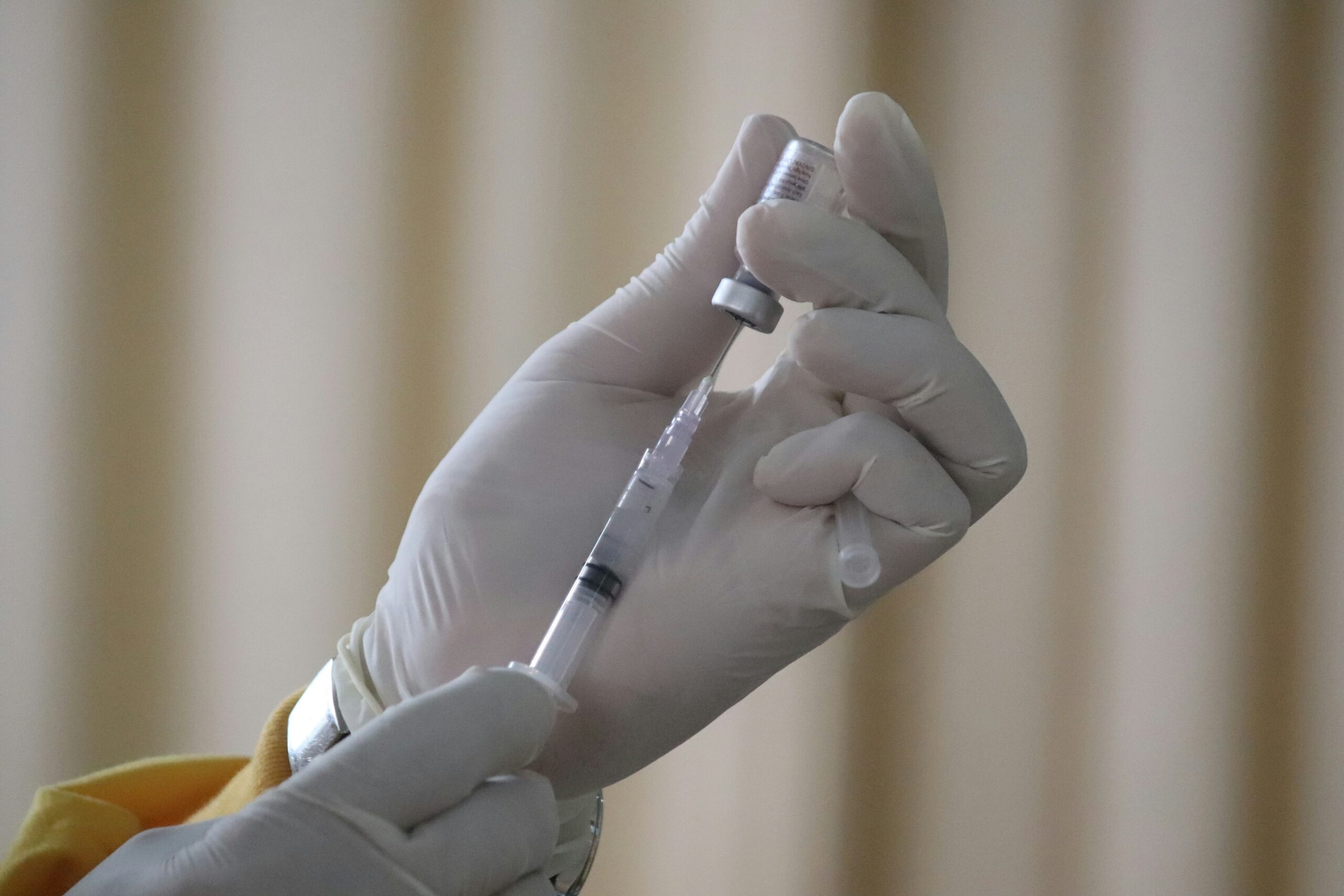
According to the Centers for Disease Control and Prevention (CDC), the 2025/26 flu season has been exceptional. Normally, elderly adults have the largest number of flu related hospitalizations while young children are second. This year, however, baby boomers between 50 and 64 years of age are the second most vulnerable. And, as of January 2026, the US flu season has resulted in an estimated 19 million illnesses, 250,000 hospitalizations, and 10,000 deaths. At the risk of creating an overreaction and promoting “germaphobic” behavior, if there is one time of year that diligent hygiene has merit, it is now…during flu season.
Contracting the cold or flu can make you feel run-down and under the weather for weeks. Unfortunately, your daily activities and responsibilities cannot take a sick day. The common cold and flu is most prevalent during late fall, winter and early spring. According to flufacts.com, “The influenza virus, more commonly known as the flu, is defined as a contagious respiratory infection that infects the nose, throat, and lungs. Thankfully, there are several easy and effective preventive measures that can reduce the probability of contracting the cold and flu. These preventive measures are designed to help keep your immune system strong and healthy. A healthy immune system fights against pathogens, such as the cold and flu virus. This article will focus on the ten best ways to prevent the flu and cold this season.
Sources: www.flufacts.com; www.webmd.com; www.lifescript.com; www.cdc.gov
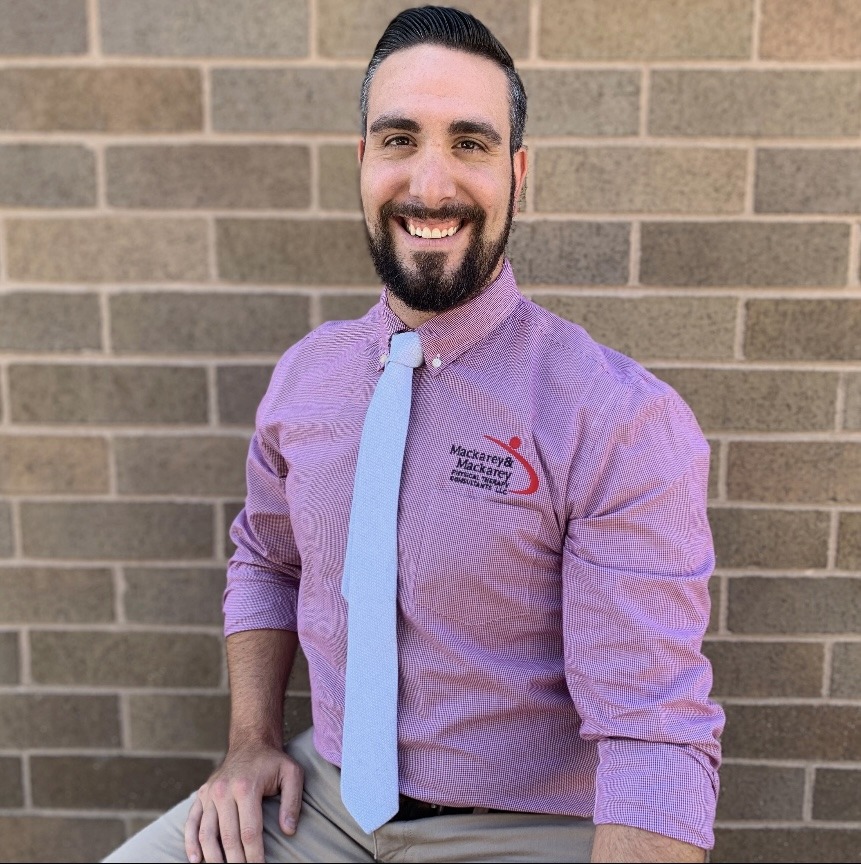
Guest Contributor: Paul Mackarey, Jr. DPT, is a Doctor of Physical Therapy and partner at Mackarey & Mackarey Physical Therapy Consultants, LLC in Scranton and Clarks Summit.
EVERY MONDAY – Read Dr. Paul J. Mackarey “Health & Exercise Forum!” via Blog
EVERY SUNDAY in "The Sunday Times" - Read Dr. Paul J. Mackarey “Health & Exercise Forum!” in hard copy
This article is not intended as a substitute for medical treatment. If you have questions related to your medical condition, please contact your family physician. For further inquires related to this topic email: drpmackarey@msn.com
Paul J. Mackarey PT, DHSc, OCS is a Doctor in Health Sciences specializing in orthopedic and sports physical therapy in Scranton and Clarks Summit. Dr. Mackarey is in private practice and is an associate professor of clinical medicine at Geisinger Commonwealth School of Medicine. For all of Dr. Mackarey's articles, visit our exercise forum!