Human beings were designed to move…walk, run, climb, lift, hunt, and gather. Contemporary man has suffered greatly from a technologically driven inactive and sedentary lifestyle. Inactivity is associated with many health problems; obesity, adult-onset diabetes, high blood pressure to name a few. Other problems associated with lack of movement are;
Constipation
The more you move your body, the more your colon moves! A regular and consistent exercise and activity regime results in a more consistent bowel schedule, especially with age. Healthy muscle tone in your abdominal muscles and diaphragm is also the key to moving waste through your digestive tract.
Stiff Joints
Osteoarthritis, rheumatoid arthritis and many inflammatory or auto-immune diseases can cause achy and stiff joints. However, even healthy joints can also stiffen when you don’t use them enough. Put them to work so they get tight and cause pain.
Shortness of Breath
All muscles get weak from lack of use, including the muscles that help your lungs expand and contract as you breathe if you don’t work them out regularly. The less exercise or activity you do, the more you experience shortness of breath, even during easy daily tasks.
Depression or Moody
Physical problems are not the only complication of inactivity. A lack of movement can also increase feelings of anxiety and depression. Aerobic exercises like walking, biking, swimming, or running, have been proven to stimulate endorphins to boost and steady your mood, and even improve your self-esteem.
Lack of Energy
Many studies have found that regular movement improves energy. Exercise helps deliver oxygen and nutrients to your tissues. When you sit or are inactive, tissues are not getting the same amount of fuel they need to keep you going.
Slow Metabolism
Movement stimulates your metabolism. Hyperactive people burn more calories…just by fidgeting! Even if you are not hyperactive, the more active you are, the more calories you burn each time you move.
Difficulty Sleeping
One of the first recommendations sleep doctors make to their patients suffering from insomnia is exercise. When you keep a regular exercise routine, you fall asleep faster, and you sleep deeper once you drift off.
Brain Fog
Regular exercise tells your body to make more chemicals called growth factors. They boost blood vessel production in your brain. The more blood that gets to your brain, the better you can think, remember, and make decisions.
High Blood Pressure
Spending most of your time sitting raises your risk of heart disease, in great part because you’re more likely to have high blood pressure. This is a big risk factor for heart issues like coronary artery disease and heart attack.
High Blood Glucose
When physical activity is a regular part of your life, your body has an easier time keeping your blood glucose under control. Exercise can stabilize blood sugar levels and keep you out of the type 2 diabetes danger zone.
Lower Back Pain
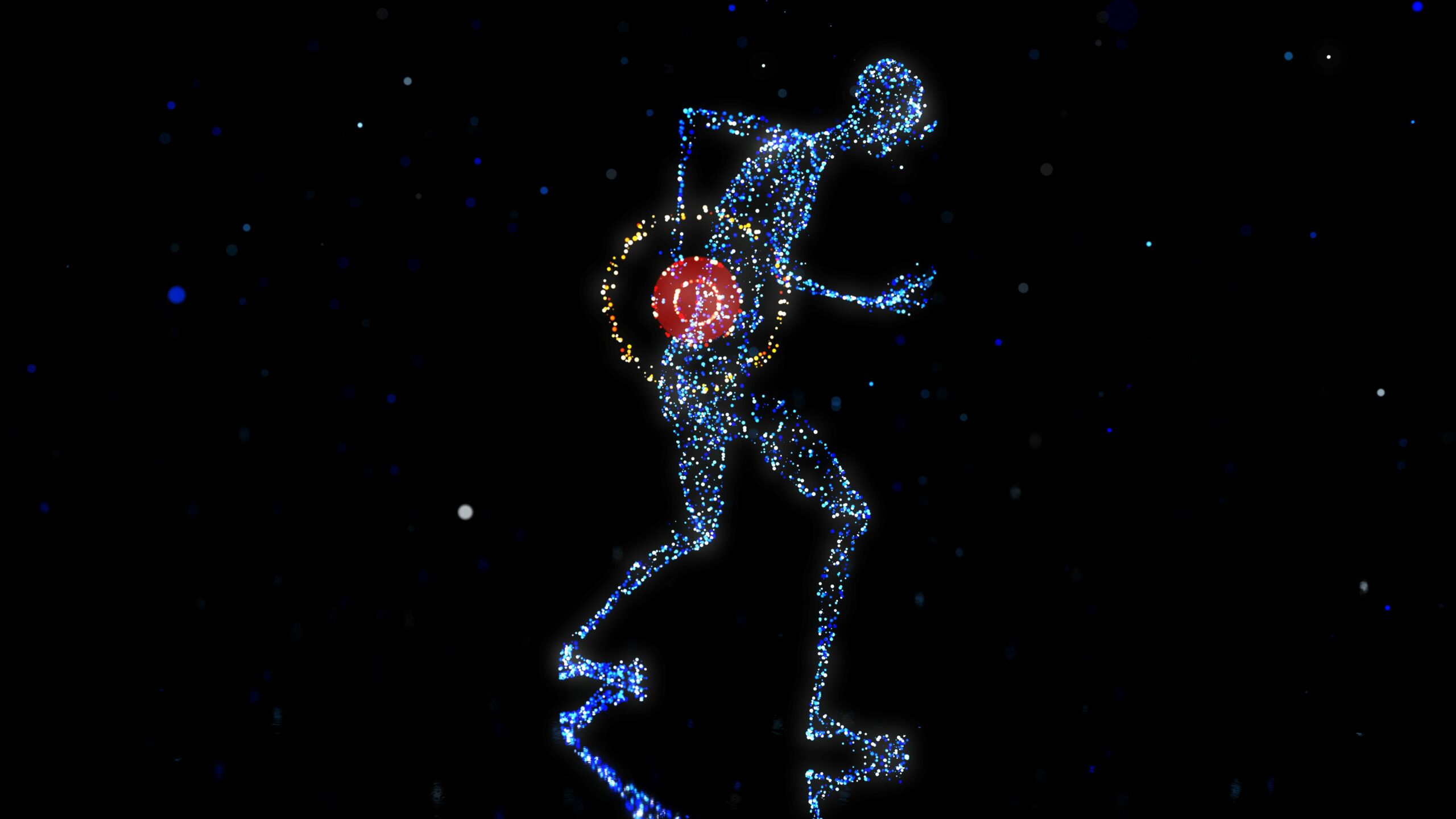
When your core muscles are weak from lack of use, they can’t support your back the way they should. This makes it much easier to tweak your back muscles during everyday movements like standing or reaching. Pilates, yoga, and other exercises that use stretching are good for building a stronger back. Schedule an appointment with a good orthopedic and sports PT.
Hunger Pains … “Hangry”
Logically, one might think that you’d be hungry more often if you exercised more, but the opposite is usually true. Aerobic exercise like biking, swimming, walking, and running can decrease your appetite because it changes the levels of certain “hunger hormones” in your body.
Sick Often
Studies show the more moderate activity you get, the lower your chance of catching a cold or other germs. When you make exercise a habit, your immune system gets stronger.
Dull and Pasty Skin
If your skin looks duller than usual, a lack of movement may be to blame. Some studies show that moderate exercise boosts your circulation and your immune system, which helps your skin keep that youthful glow.
SOURCE: WebMD
EVERY MONDAY – Read Dr. Paul J. Mackarey “Health & Exercise Forum!” via Blog
EVERY SUNDAY in "The Sunday Times" - Read Dr. Paul J. Mackarey “Health & Exercise Forum!” in hard copy
This article is not intended as a substitute for medical treatment. If you have questions related to your medical condition, please contact your family physician. For further inquires related to this topic email: drpmackarey@msn.com
Paul J. Mackarey PT, DHSc, OCS is a Doctor in Health Sciences specializing in orthopedic and sports physical therapy in Scranton and Clarks Summit. Dr. Mackarey is in private practice and is an associate professor of clinical medicine at Geisinger Commonwealth School of Medicine. For all of Dr. Mackarey's articles, visit our exercise forum!
(and back, shoulders, etc)...
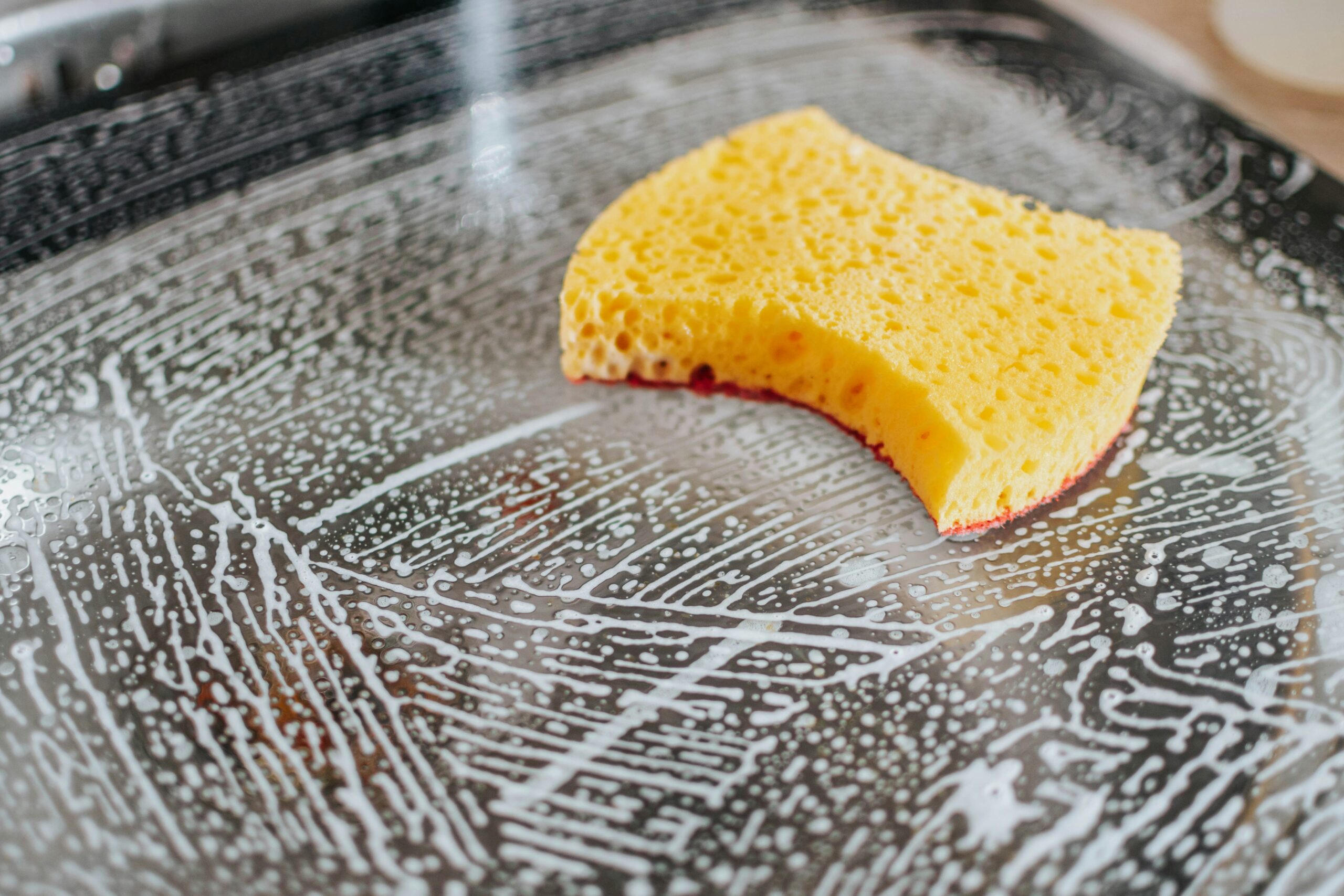
Germaphobes, cleaning zealots, neat freaks, and those with diagnosed or undiagnosed obsessive-compulsive disorder (OCD), this column is for you! If you would rather clean your bathroom floor than go for a walk on a beautiful sunny day, please read on. If you use a toothbrush on tile grout on a regular basis and take pride in the sparkle of your toilet bowl than beware… studies show that performing these tasks with too much vigor and passion might lead to back, neck, and shoulder and wrist pain.
For some, and you know who you are, (I am related to a few) spring cleaning can be a particularly exciting sporting event. It is almost an exorcism to rid a home of all its evil spirits, smudges, dust, dirt, germs, and odors. Every April curtains come off the windows to be washed and carpets rolled up, removed and cleaned. The surfaces under the curtains and carpets are sterilized with cleaning detergents, disinfectants and chemicals that would make sterile techniques in most hospital operating rooms seem inadequate. And that doesn’t include the heavy work: moving furniture, bedding, including mattresses and box springs.
As a physical therapist and survivor of childhood exposure to copious amounts of cleaning chemicals, I have come to learn that there are healthy and safe options for spring cleaning your home. Of course, the most obvious solution is to hire professional help if you can afford it. The other practical solutions are below:
10 Health Tips for Spring Cleaning:
Have a Plan - Take your time
It doesn’t have to be done in one day or one weekend!
Make a list, follow a schedule and do it over the course of 3-4 weeks
Do Not Move Heavy Furniture or Appliances by yourself
Get Help –
Use Sliders – to move heavy items like furniture
Be Cautious on Ladders and Stools
Falls are a leading cause of injury mortality in the US and 43% of fatal falls have involved a ladder, according to the Centers for Disease Control (CDC).
Avoid Reaching or stepping on the top step
Open and lock the ladder properly instead of leaning it against a wall
Use Proper Ergonomics
Lift Properly – back straight, knees bent
Incorrect Correct
Work at Eye Level – don’t work overhead for extended periods of time. Working overhead extends the neck and back and can lead to compression of the spine. This can cause pain, muscle spasms, headaches and pinched nerves which radiate symptoms into the arms and legs. Also, overextending and reaching with the shoulder, such as when cleaning windows, can lead to shoulder pain and stiffness from tendonitis or bursitis.
IncorrectCorrect
Wear a support if needed: knee or back brace, tennis elbow strap, arch supports
Avoid Prolonged Squatting – instead, kneel on a kneeling pad or wear knee pads
Use Caution Walking on Wet Surfaces
Use Caution Working Around Water and Electricity
Use Caution When Working with Household Cleaning Chemicals – provide adequate air circulation
Wear a Mask – when using cleaning chemicals or around dust, mold etc
Limit the Amount of Weight or Items You Carry – especially on the stairs
Take Breaks
Hydrate, Eat, and Rest
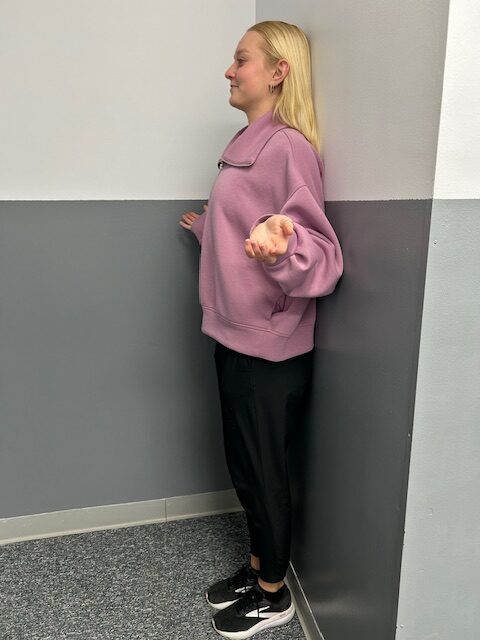
Stretch – neck, back, shoulders with a wall stretch
7 Safety Tips for Spring Cleaning:
Replace or Clean Filters for air and heat units
Clean out Medicine Cabinet
Get rid of unused and expired meds properly
Call your local pharmacist for details
Clean Attic, Garage, Cabinets and Basement of Dangerous Chemicals or toxic trash
Old paint cans, paint thinner, soiled rags, brushes etc
Contact your local government agency or recycling center for details
Remove mold and fungus from bathroom and laundry room
Replace Batteries in Smoke, Fire and Carbon Monoxide Detectors
Clean the Chimney – call a professional to protect you from carbon monoxide exposure
EVERY MONDAY – Read Dr. Paul J. Mackarey “Health & Exercise Forum!” via Blog
EVERY SUNDAY in "The Sunday Times" - Read Dr. Paul J. Mackarey “Health & Exercise Forum!” in hard copy
This article is not intended as a substitute for medical treatment. If you have questions related to your medical condition, please contact your family physician. For further inquires related to this topic email: drpmackarey@msn.com
Paul J. Mackarey PT, DHSc, OCS is a Doctor in Health Sciences specializing in orthopedic and sports physical therapy in Scranton and Clarks Summit. Dr. Mackarey is in private practice and is an associate professor of clinical medicine at Geisinger Commonwealth School of Medicine. For all of Dr. Mackarey's articles, visit our exercise forum!
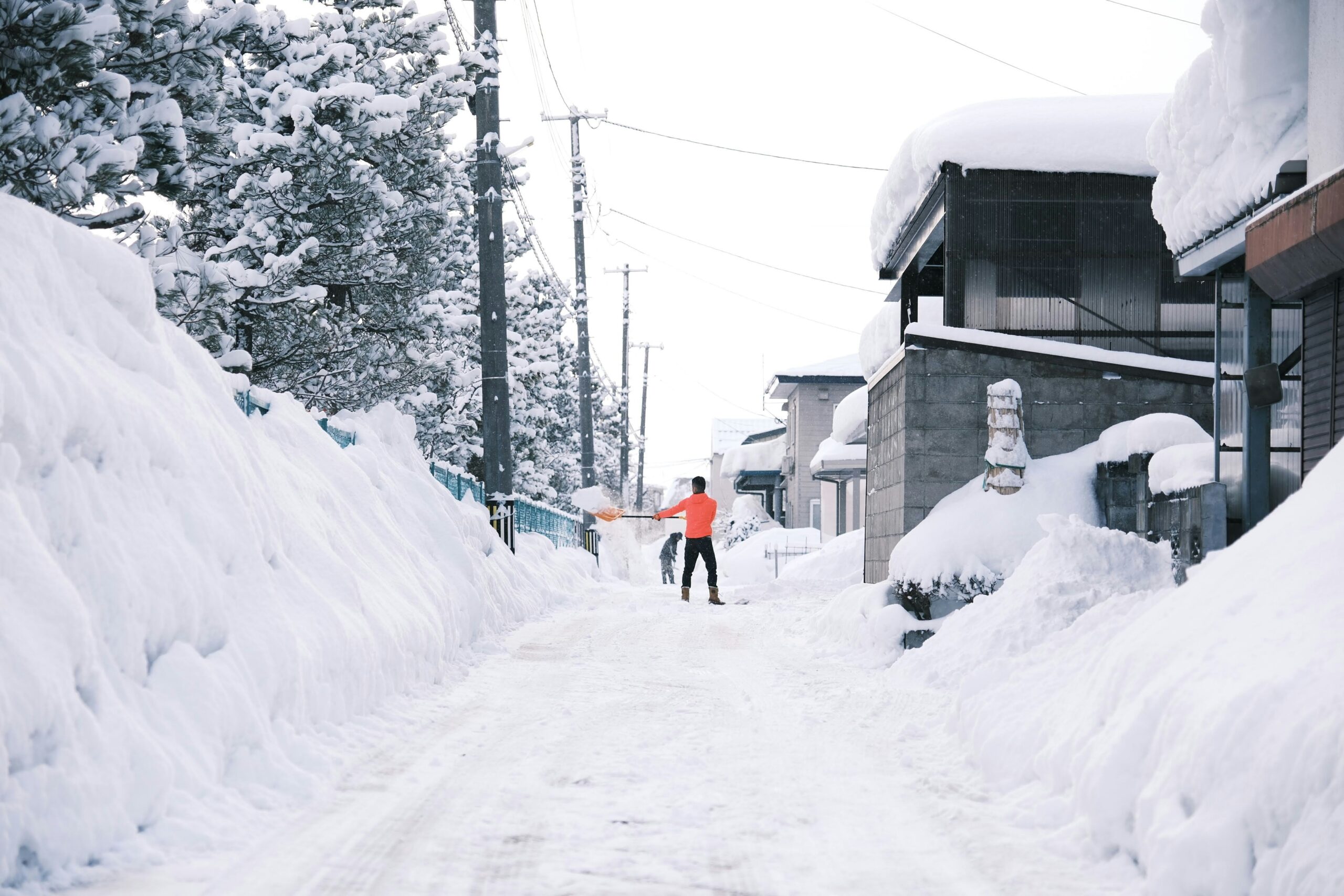
NEPA has had its share or snow this winter…and the recent storm added plenty of the pretty white stuff for work and play. Much has been written about the dangers of snow shoveling for your heart. However, while not fatal, low back pain is the most common injury sustained while shoveling snow. Heart attacks are also more common following wet and heavy snow.
Snow shoveling can place excessive stress on the structures of the spine. When overloaded and overstressed, these structures fail to support the spine properly. The lower back is at great risk of injury when bending forward, twisting, lifting a load, and lifting a load with a long lever. When all these factors are combined simultaneously, as in snow shoveling, the lower back is destined to fail. Low back pain from muscle strain or a herniated disc is very common following excessive snow shoveling.
Snow Shoveling as a Form of Exercise:
GOOD - For the Young and Healthy – studies show that snow shoveling for 15 minutes is considered moderate physical activity and extreme and vigorous physical activity when performed more than 15 minutes even for young healthy college students.
BAD – For the Older and Unfit – research clearly shows that there is a significant increase in heart attacks among snow shovelers. If you have any risk factors or medical condition and do not exercise regularly consult your physician.
Cold Weather – makes this activity even more difficult and physically stressful. Cold air makes breathing more labored and difficult and cold temps create added strain on the body.
People at High Risk of Illness Due to Snow Shoveling:
History of Heart Attack
History of Heart Disease
History of High Blood Pressure or High Cholesterol
Smokers
Inactive & Sedentary Lifestyle
Overweight
Elderly
10 TIPS FOR SAFE SNOW SHOVELING:
MEDICAL CLEARANCE: If you have any medical condition or risk factors consult your physician.
PAIN: Stop immediately if you experience any pain. Especially in the chest, left arm, jaw, face, neck, or lower back.
ERGONOMICS: Choose a snow shovel that is right for you:
An ergonomic shovel with a curved handle allows you to keep your back straighter or arched when shoveling
An ergonomic shovel with a shorter or adjustable handle length allows you to keep your back straighter and knees bent when shoveling. The right handle length allows you to arch your back 10 degrees with your knees slightly bent when the shovel is on the ground.A plastic shovel blade is lighter than a metal one and will be better for your spine.
A smaller blade is better than a larger blade. It may take longer but will stress your back less.
PUSH: When possible, push the snow. Do not lift it. Lifting is much more stressful on the spine. You can find shovels that are ergonomically designed just for pushing snow.
WARM – UP: Be sure your muscles are warm before you start to shovel. Cold and tight muscles are more likely to strain than warm, relaxed muscles. Layer and consider compression shirts or tights can help prevent cold and tight muscles.
LEVERAGE: When you grip your shovel, spread your hands at least 12 inches apart. This will improve your leverage and reduce strain on your lower back.
TECHNIQUE: Shoveling technique is very important. The American Academy of Orthopaedic Surgeons recommends:
Squat with your legs apart, knees bent and back straight.
Lift with your legs. Do not bend at the waist.
Scoop small amounts of snow into the shovel and walk when you want to dump it.
Do not hold the filled shovel with outstretched arms.
If snow is deep, remove in piecemeal, a few inches at a time.
Rest and repeat as necessary.
Move your feet and do not twist your back as you shovel or dump. Never throw snow over your shoulder
CAUTION: Be cautious shoveling wet snow. One full shovel can weigh 25 pounds.
Shovel wet snow slowly in piecemeal.
PACE YOURSELF: Take frequent breaks and stretch your back in the opposite direction of shoveling. For example: 1. Lean backwards and extend your lower back. 2. Pinch your shoulder blades together.
TECHNOLOGY:
Snow Blower - Use a self-propelled snow blower. It will put much less stress on your lower back than shoveling snow if used correctly. For example, push the blower with your legs and keep your back straight or arched and knees bent.
Ergonomic Shovels:
Rechargable Electric Snow Shovel: Toro, DeWalt, Voltask
2 Handle Shovels: ErgieShovel or Snow Joe ShovelutionPush Shovels: Garant Yukon or Garant Sleigh Shovel
WarmlyYours - HeatTrak® portable snowmelting system for roofs, gutters, driveways, sidewalks, stairs and handicapped ramps uses electric mats or runners for home or office which can be customized.
Sources: The Colorado Comprehensive Spine Institute; American Academy of Orthopaedic Surgeons
Visit your doctor regularly and listen to your body.
EVERY MONDAY – Read Dr. Paul J. Mackarey “Health & Exercise Forum!” via Blog
EVERY SUNDAY in "The Sunday Times" - Read Dr. Paul J. Mackarey “Health & Exercise Forum!” in hard copy
This article is not intended as a substitute for medical treatment. If you have questions related to your medical condition, please contact your family physician. For further inquires related to this topic email: drpmackarey@msn.com
Paul J. Mackarey PT, DHSc, OCS is a Doctor in Health Sciences specializing in orthopedic and sports physical therapy in Scranton and Clarks Summit. Dr. Mackarey is in private practice and is an associate professor of clinical medicine at Geisinger Commonwealth School of Medicine. For all of Dr. Mackarey's articles, visit our exercise forum!
More than 65 million people, almost 30% of the population in the United States, are actively involved in providing 20 or more hours of care for a chronically ill, disabled, or aged family member or friend each week. As our population continues to age, this number is expected to grow rapidly.
The role of a caregiver is multifaceted and often involves tasks and skills beyond the education or comfort level of most providers. Some examples include; managing money, paying bills, shopping, cleaning, maintaining and repairing a home, dispensing and injecting medications, cleaning wounds, changing dressings, catheter management, bed baths, assisting in position changes, transferring from the bed to the chair, ambulation, stair climbing, bathroom assistance for toileting and showering and many other responsibilities. Consequently, a caregiver is often at risk for mental, spiritual and physical fatigue or breakdown. It is no surprise that depression, illness and injury often plague a caregiver and eventually, the caregiver is in need of a caregiver. One of the most common injuries suffered by a caregiver is back pain.
Lower back pain (LBP) is one of the most common problems in our society. Over 90% of all Americans will suffer from it at least once in their lives. It is generally agreed that prevention is the best treatment for LBP.
TIPS FOR THE PREVENTION OF BACK PAIN FOR THE CAREGIVER:
Maintain Health & Fitness Level
As little as 10 extra pounds puts great stress on your lower back. It also makes it more difficult to maintain good posture. Eat well and exercise regularly.
Aerobic Exercise
Aerobic exercise will help prevent weight gain and stiffness for a healthier lower back. It will also help with the stress and depression associated with providing care for a loved one. Perform mild aerobic exercise such as walking 3-5 times per week for 30-45 minutes. You can also use an elliptical or bike at home while your loved one is resting. Get outdoors and take multiple short walks …go around the block a few times per day.
Core Exercises
Core stabilization exercises designed to strengthen the abdominal and lower back muscles will help prevent injury. Some examples of core exercises are:
Pelvic Tilt - lying on your back and performing a pelvic tilt as you flatten you lower back into the floor.
Pelvic Tilt and Heel Slide - lying on your back, hold a pelvic tilt as you slide your one heel up and down and repeat with the other heel.
Core on Ball - Perform arm exercises such as biceps and triceps with light weight while sitting on a therapeutic ball while simultaneously trying to hold an isometric contraction of your abdominal and lower back muscles.
Do Not Smoke
Smoking effects natural healing because it constricts the small blood vessels. Smokers have a much higher incidence of LBP and failure from lower back surgery.
Practice Good Posture & Body Mechanics
Good posture is critical for a healthy back. When sitting, standing or walking maintain a slight arch in your lower back, keep shoulders back, and head over your shoulders. In sitting, use a towel roll or small pillow in the small of the back.
Caregivers spend much of the day with their spine bent over a bed or chair feeding, bathing, and lifting a loved one. Postural exercises are designed to stretch your back in the opposite direction of this forward flexed position. Examples include:
Chin Tucks - tuck your chin back to bring head over shoulders.
Shoulder Blade Pinch - pinch your shoulder blades together.
Standing Arch - while standing put your hands behind back, extend lower back 10-20 degrees.
Perform slowly, hold for 3-5 seconds and repeat 6 times each 6 times per day.
Ergonomics
Sitting - When sitting, use an ergonomic work station and chair with a lumbar support and adjustable heights. Get close to your desk, keyboard and monitor.
Driving - If you drive long distances, use a lumbar support to keep an arch, sit close to your steering wheel to prevent bending forward.
Bending – Get an adjustable bed and raise it to a comfortable height when feeding, dressing or bathing your loved one.
Lifting - Think twice. First bend your knees and arch your back. Then, brace your abdominal muscles. Bend your spine forward as little as possible to lift the patient.
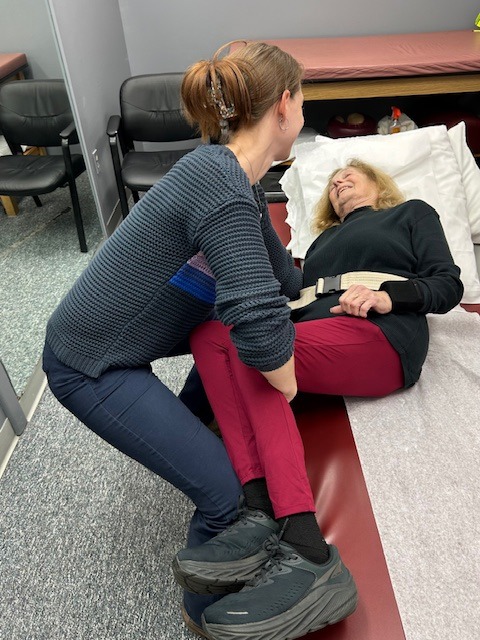
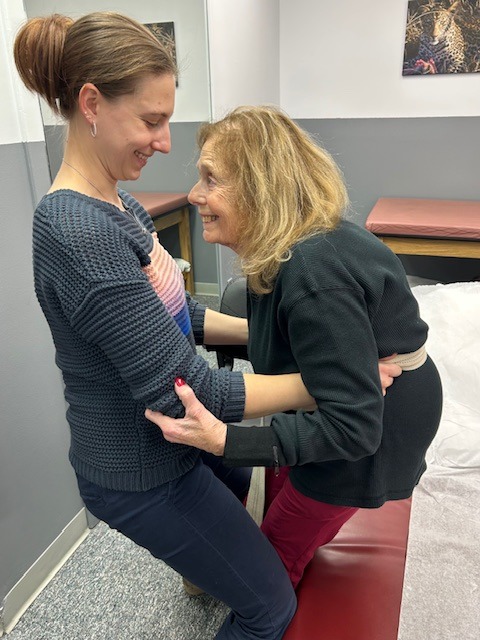
From Lying to Sitting in Bed - Bend your knees, maintain an arch in the back with head up, and bend over as little as possible. Bend the knees of your loved one; roll their trunk toward you to get their legs over the edge of the bed as you pivot their weight on their butt to get them sitting upright.
From Sitting in Bed to Sitting in Chair - Bend your knees, maintain an arch in the back with head up, and bend over as little as possible. Place your hands around the waist or on a transfer belt. Use your legs, turn with feet, and do not twist spine. Block the feet and knees of your loved-one with your feet and knees and use them to pivot and transfer from the bed to the chair. Be sure the chair is along side of the bed and arm of chair removed if possible before the lift.
Transfer Belt - Use a transfer belt around the waist of the patient. Grip the transfer belt, instead of the patient or clothing, during the lift or when ambulating.
Lower Back Lifting Belt - Also, if you have a back problem, consider using a lifting belt or back brace to protect your back when lifting the patient. Immediately following the lift, stand up straight and stretch lower back into extension.
Transfer belts and lower back lifting belts can be found online or at your local pharmacy.
Lift Chair – For patients that require maximum or moderate assistance and only one caregiver is available to lift or transfer, an electric lift chair should be considered.
EVERY MONDAY – Read Dr. Paul J. Mackarey “Health & Exercise Forum!” via Blog
EVERY SUNDAY in "The Sunday Times" - Read Dr. Paul J. Mackarey “Health & Exercise Forum!” in hard copy
This article is not intended as a substitute for medical treatment. If you have questions related to your medical condition, please contact your family physician. For further inquires related to this topic email: drpmackarey@msn.com
Paul J. Mackarey PT, DHSc, OCS is a Doctor in Health Sciences specializing in orthopedic and sports physical therapy in Scranton and Clarks Summit. Dr. Mackarey is in private practice and is an associate professor of clinical medicine at Geisinger Commonwealth School of Medicine. For all of Dr. Mackarey's articles, visit our exercise forum!
Happy Labor Day! There is little doubt that the workplace has been redefined since the pandemic as many employees continue to work from home. Sitting for many hours at a workstation that may not be optimal has also changed the way we define workplace health and safety. It may be more important than ever to pay close attention to designing an ergonomic workstation, changing position, and stretching regularly to prevent injury.
Since 1894 Labor Day has been designated as the national holiday that pays tribute to the contributions and achievements of American workers. Research supports the notion that healthier employees are happier and more productive. When employers encourage healthy behavior and safety at work, they benefit in many ways.
For example, in addition to improving job satisfaction and productivity, healthy employees save money by using less sick time, worker’s compensation benefits and health benefits. For example, according to the Centers for Disease Control and Prevention, approximately 75 percent of employers” health care costs are related to chronic medical problems such as obesity, diabetes, high blood pressure, and high cholesterol. Deconditioned, overweight employees are more likely to suffer from these preventable conditions and are at greater risk for injury. Employers, please consider using this holiday as an opportunity to start a health promotion program at your workplace…have a health fair, offer healthy snacks, encourage walking, smoking cessation, exercising at lunch, and offer fitness club stipends.
Lower back pain, one of the costliest illnesses to employers, is one example of a problem which can be prevented with a good health and safety program. It is widely accepted in the medical community that the best treatment for lower back pain (LBP) is prevention. Keeping fit, (flexible and strong), practicing good posture, and using proper body mechanics are essential in the prevention of LBP. At our clinic, significant time and effort is spent emphasizing the importance of these concepts to our patients, employees, and the businesses we work with through industrial medicine programs. A comprehensive approach can produce significant reductions in LBP injuries through an onsite safety program which promotes education, wellness, body mechanics, lifting techniques, postural and stretching exercises and ergonomics.
Prevention of Lower Back Pain:
Maintain Fitness Level:
As little as 10 extra pounds puts great stress on your lower back. It also makes it more difficult to maintain good posture. Eat well, exercise regularly and don’t smoke. Smokers have a much higher incidence of LBP and failure from lower back surgery.
Practice Good Posture & Body Mechanics:
Good posture is critical for a healthy back. When sitting, standing or walking maintain a slight arch in your lower back, keep shoulders back, and head over your shoulders. In sitting, use a towel roll or small pillow in the small of the back. Also, consider sitting on a physio ball, which promotes proper posture for part of the day.
Perform postural exercises throughout the day. Most of the day we sit, stand, and reaching forward and bend our spine. These exercises are designed to stretch your back in the opposite direction of flexion. Please perform slowly, hold for 3-5 seconds and repeat 6 times each 6 times per day.
Chin Tuck: Tuck your chin back to bring your head over shoulders.
Shoulder Blade Pinch: Pinch your shoulder blades together.
Standing Extension: While standing, put your hands behind back and extend lower back 10-20 degrees.
Good Body Mechanicsand ergonomics are also important in the prevention of LBP. When lifting, think twice. Think about the weight, shape and size of the object. Think about where the object is going and the surface resistance of the floor. Does it require two people to lift? Can I safely lift that high or bend that low?
When bending to lift an object think about safety:
Proper Lifting Technique:
Spread Legs Apart Shoulder Width
Bend at the Knees and Limit Forward Bending the Spine
Arch Lower Back Slightly
Get and Maintain a Firm Grip
Contract and Hold Abdominal (stomach) Muscles
Lift With Legs (not back)
Do Not Pivot or Rotate Spine With Load (use feet and step turn)
Lift Slowly and Carefully (don’t hurry)
Take Time to Perform Back Extension Stretches After the Lift
Remember, Pushing is Better Than Pulling a Heavy Load
Visit your doctor regularly and listen to your body.
EVERY MONDAY – Read Dr. Paul J. Mackarey “Health & Exercise Forum!” via Blog
EVERY SUNDAY in "The Sunday Times" - Read Dr. Paul J. Mackarey “Health & Exercise Forum!” in hard copy
This article is not intended as a substitute for medical treatment. If you have questions related to your medical condition, please contact your family physician. For further inquires related to this topic email: drpmackarey@msn.com
Paul J. Mackarey PT, DHSc, OCS is a Doctor in Health Sciences specializing in orthopedic and sports physical therapy in Scranton and Clarks Summit. Dr. Mackarey is in private practice and is an associate professor of clinical medicine at Geisinger Commonwealth School of Medicine. For all of Dr. Mackarey's articles, visit our exercise forum!
Part II of II
Happy Father’s Day! It is my hope that this information will be helpful to all the fathers who enjoy working in the yard! It is not too late to buy dad a new cart or kneeling pads for the yard. Last week, Health & Fitness Forum presented tips for gardeners for preventing hand and arm injuries such as carpal tunnel syndrome. This week’s column is dedicated to prevention of lower back and lower body injuries when working in the yard and for gardeners with disabilities.
A relaxing and enjoyable activity for many, gardening can turn dangerous without proper precaution as repetitive stress injuries, back pain, muscle pulls, can stem from raking, weeding, digging and pruning, can turn into serious problems if not treated appropriately. Since prevention is the best approach, the US Dept of Agriculture promotes warm-up exercises and injury prevention tips to help all levels of gardeners avoid serious and long-term injuries while enjoying this popular outdoor activity.
People with various disabilities enjoy gardening at different levels. For example, those suffering from neurological diseases with muscle weakness, paralysis and poor balance as well as those with musculoskeletal problems such as neck and LBP or hip and knee arthritis can safely enjoy gardening at some level. This outdoor labor of love is very therapeutic.
Warm up and stretching is important. Don’t garden first thing in the morning before you have a chance to warm up. Get up, go for a short walk, have breakfast and maybe warm up with a hot shower before working in the garden. Some stretches include;
Corner Stretch: Stand facing a corner wall with arms and shoulders at 90 degrees. Lean into corner and stretch shoulders and back.
Knees to Chest Back Stretch: While lying on your back, bring both knees up towards your chest.
Note: These exercises should never be painful when completing them. You should only feel a gentle stretch. Hold the stretch10 seconds and repeat 5 times before you garden and every 2-3 hours while working. Should you experience pain, please consult your family physician or physical therapist.
The following guidelines to prevent injury and foster healthy gardening for those with and without disability:
Listen To Your Body – Aches and pains are signals from your body that you may be doing something wrong or overdoing it. Just like a baseball player in spring training, you must ease into a new activity slowly and stop before you get pain. Do not try to do it all in one day.
Take Frequent Breaks – Perform work in short sessions, with a rest and stretch break between gardening sessions to reduce muscle fatigue and pain.
Change Positions Often – Alternate positions from standing, sitting, bending, and kneeling every 15 to 20 minutes.
Use Large Muscles- When possible use the large muscles of the body to do the work. For example, use your legs to push a shovel blade into the ground instead of your arms. Also, lift with your legs and not your back.
Avoid Awkward Motions – Do not squat, twist and bend at the waist for prolonged periods or with repetition.
Use Supportive Devices and Braces – Remember to wear wrist and knee supports if you have a problem. A lower back brace or corset is also advisable when working in the garden to protect the spine and add support.
Use Well Designed Tools. Use the right tools for the job. Padded, ergonomic handles with extensions to add reach are helpful.
Use Sun Block, Sun Glasses and bug spray – to protect your skin and eyes from the sun and ward off ticks and other bugs.
Plan ahead. Use a container with wheels to carry supplies to the garden. When necessary it should be carried/pulled with hands, distributing the workload equally and decreasing stress in the joints of your body.
Eat Well and Stay Hydrated – When working outdoors eat and drink properly for the climate and temperature.
Use Adaptive Devices - Special gardening carts, wheel barrels, motorized carts, and a garden tractor with a cart can make a job easier, especially for those with disabilities.
“Easy-Grip” tools are available for those unable to grip strongly. For example, hand shovels and weed cultivators that attach to the wrist/forearm with Velcro straps and tools with telescoping extensions are available. (www.wrightstuff.biz)
Mobile Adjustable Stools – with arm rests and 2-3 steps that allow you to go from sitting upright to a position closer to the ground.
Elevated and Raised Beds – allows gardening from a standing, sitting or wheelchair height for improved safety and enjoyment.
Pipe Planter or Seeder – a PVC pipe 5-6 feet long allows planting and seeding without bending or kneeling. For example, a 6 or 8 inch pipe allows plants to slide down and be tampered into a hole and a 1-2 inch pip allows seeds to slide down to the ground for cover or planting.
Kneeling Pads, Mats, Carts – are healthier for your knees and back.
Source: Karen Funkenbusch, MA; Willard Downs, PhD.: U. S. Department of Agriculture - Agricultural Engineering Extension
EVERY MONDAY – Read Dr. Paul J. Mackarey “Health & Exercise Forum!” via Blog
EVERY SUNDAY in "The Sunday Times" - Read Dr. Paul J. Mackarey “Health & Exercise Forum!” in hard copy
This article is not intended as a substitute for medical treatment. If you have questions related to your medical condition, please contact your family physician. For further inquires related to this topic email: drpmackarey@msn.com
Paul J. Mackarey PT, DHSc, OCS is a Doctor in Health Sciences specializing in orthopedic and sports physical therapy in Scranton and Clarks Summit. Dr. Mackarey is in private practice and is an associate professor of clinical medicine at Geisinger Commonwealth School of Medicine. For all of Dr. Mackarey's articles, visit our exercise forum!
While I normally do not address the topic of shoveling snow until January, considering recent weather events, I thought it might be valuable to present it sooner. Much has been written about the dangers of snow shoveling for your heart. However, while not fatal, low back pain is the most common injury sustained while shoveling snow. Heart attacks are also more common following wet and heavy snow.
Snow shoveling can place excessive stress on the structures of the spine. When overloaded and overstressed, these structures fail to support the spine properly. The lower back is at great risk of injury when bending forward, twisting, lifting a load, and lifting a load with a long lever. When all these factors are combined simultaneously, as in snow shoveling, the lower back is destined to fail. Low back pain from muscle strain or a herniated disc is very common following excessive snow shoveling.
Snow Shoveling as a Form of Exercise:
GOOD - For the Young and Healthy – studies show that snow shoveling for 15 minutes is considered moderate physical activity and extreme and vigorous physical activity when performed more than 15 minutes even for young healthy college students.
BAD – For the Older and Unfit – research clearly shows that there is a significant increase in heart attacks among snow shovelers. If you have any risk factors or medical condition and do not exercise regularly consult your physician.
Cold Weather – makes this activity even more difficult and physically stressful. Cold air makes breathing more labored and difficult and cold temps create added strain on the body.
People at High Risk of Illness Due to Snow Shoveling:
History of Heart Attack
History of Heart Disease
History of High Blood Pressure or High Cholesterol
Smokers
Inactive & Sedentary Lifestyle
Overweight
Elderly
10 TIPS FOR SAFE SNOW SHOVELING:
MEDICAL CLEARANCE: If you have any medical condition or risk factors consult your physician.
PAIN: Stop immediately if you experience any pain. Especially in the chest, left arm, jaw, face, neck, or lower back.
ERGONOMICS: Choose a snow shovel that is right for you:
An ergonomic shovel with a curved handle allows you to keep your back straighter or arched when shoveling
An ergonomic shovel with a shorter or adjustable handle length allows you to keep your back straighter and knees bent when shoveling. The right handle length allows you to arch your back 10 degrees with your knees slightly bent when the shovel is on the ground.
A plastic shovel blade is lighter than a metal one and will be better for your spine.
A smaller blade is better than a larger blade. It may take longer but will stress your back less.
PUSH: When possible, push the snow. Do not lift it. Lifting is much more stressful on the spine. You can find shovels that are ergonomically designed just for pushing snow.
WARM – UP: Be sure your muscles are warm before you start to shovel. Cold and tight muscles are more likely to strain than warm, relaxed muscles. Layer and consider compression shirts or tights can help prevent cold and tight muscles.
LEVERAGE: When you grip your shovel, spread your hands at least 12 inches apart. This will improve your leverage and reduce strain on your lower back.
TECHNIQUE: Shoveling technique is very important. The American Academy of Orthopaedic Surgeons recommends:
Squat with your legs apart, knees bent and back straight.
Lift with your legs. Do not bend at the waist.
Scoop small amounts of snow into the shovel and walk when you want to dump it.
Do not hold the filled shovel with outstretched arms.
If snow is deep, remove in piecemeal, a few inches at a time.
Rest and repeat as necessary.
Move your feet and do not twist your back as you shovel or dump. Never throw snow over your shoulder
CAUTION: Be cautious shoveling wet snow. One full shovel can weigh 25 pounds.
Shovel wet snow slowly in piecemeal.
PACE YOURSELF: Take frequent breaks and stretch your back in the opposite direction of shoveling. For example: 1. Lean backwards and extend your lower back. 2. Pinch your shoulder blades together.
TECHNOLOGY:
Snow Blower - Use a self-propelled snow blower. It will put much less stress on your lower back than shoveling snow if used correctly. For example, push the blower with your legs and keep your back straight or arched and knees bent.
Ergonomic Shovels:
2 Handle Shovels: ErgieShovel or Snow Joe Shovelution
Push Shovels: Garant Yukon or Garant Sleigh Shovel
Snow Melting Alternatives:
www.warmlyyours.com - WarmlyYours - HeatTrak® portable snowmelting system for roofs, gutters, driveways, sidewalks, stairs and handicapped ramps uses electric mats or runners for home or office which can be customized.
Sources: The Colorado Comprehensive Spine Institute; American Academy of Orthopaedic Surgeons
Visit your doctor regularly and listen to your body.
EVERY MONDAY – Read Dr. Paul J. Mackarey “Health & Exercise Forum!” via Blog
EVERY SUNDAY in "The Sunday Times" - Read Dr. Paul J. Mackarey “Health & Exercise Forum!” in hard copy
This article is not intended as a substitute for medical treatment. If you have questions related to your medical condition, please contact your family physician. For further inquires related to this topic email: drpmackarey@msn.com
Paul J. Mackarey PT, DHSc, OCS is a Doctor in Health Sciences specializing in orthopedic and sports physical therapy in Scranton and Clarks Summit. Dr. Mackarey is in private practice and is an associate professor of clinical medicine at Geisinger Commonwealth School of Medicine. For all of Dr. Mackarey's articles, visit our exercise forum!
New study recommends a 30 minute walk 3-5 times per week to reduce lower back pain!
Fall has arrived in NEPA and walking is a great way to enjoy the fall foliage. Moreover, a new study has found that walking can reduce lower back pain. Researchers in Australia followed more than 700 adults who had a recent onset of lower back pain (and were able to bear full weight without associated leg symptoms) and enrolled them in a walking program under the supervision of a physical therapist. One group walked for 30 minutes, 3-5 times per week and the control group remained inactive. Both groups were followed for more than three years and discovered that the inactive control group was twice as likely to suffer from repeated flare-ups of lower back pain when compared to the walking group.
It is good news for those who enjoy walking, however, for many who have not maintained an active lifestyle or have health issues, it is challenging to know where to begin. Also, beginning without a good plan can lead to injury and leave you discouraged. For example, those overweight and de-conditioned should not start a walking program too aggressively. Walking at a fast pace and long distance without gradually weaning yourself into it will most likely lead to problems.
WALKING FOR HEALTH
There is probably nothing more natural to human beings than walking. Ever since Australopithecus, an early hominin (human ancestor) who evolved in Southern and Eastern Africa between 4 and 2 million years ago, our ancestors took their first steps as committed bipeds. With free hands, humans advanced in hunting, gathering, making tools etc. while modern man uses walking as, not only a form of locomotion, but also as a form of exercise and fitness. It is natural, easy and free...no equipment or fitness club membership required!
BENEFITS OF WALKING
Walking to reduce or control lower back pain is only one of many important reasons to begin a program. According to the American Heart Association, walking as little as 30 minutes a day can provide the following benefits:
Improve blood pressure and blood sugar levels
Help maintain a healthy body weight and lower the risk of obesity
Enhance mental well-being
Reduce the risk of osteoporosis
Improve muscle and joint health
Improve circulation
Improve sleep
PLAN AHEAD
Gear Up – but don’t go overboard. Good running shoes with proper arch support and shock absorption are also recommended for walking. Wear weather appropriate dry tech clothing with bright, reflective visible colors. Wear multiple layers to protect yourself from the cold. When the weather is not inviting, consider a treadmill to keep up your walking routine. Bring a cell phone in case of emergency…but try not to use it to talk or text because it will ruin the vibe!
Select the Best Path – begin on level surfaces like a “rails to trails.” In inclement weather consider walking in a shopping mall.
Warm up. Walk slowly for five to 10 minutes to warm up your muscles and prepare your body for exercise.
Cool down. At the end of your walk, walk slowly for five to 10 minutes to help your muscles cool down.
Stretch. After you cool down, gently stretch your muscles. If you want to stretch before you walk, remember to warm up first.
Trekking Poles. Consider using trekking poles, especially if you have a balance issue or lower back, hip, knee or ankle/foot problems.
Hydrate. If you build up to more than 45 to 60 minutes or if the temperatures soar, bring a water bottle and be sure to hydrate.
SET REALISTIC GOALS
Anything is better than nothing! However, for most healthy adults, the Department of Health and Human Services recommends at least 150 minutes of moderate aerobic activity or 75 minutes of vigorous aerobic activity, or an equivalent combination of moderate and vigorous aerobic activity. The guidelines suggest that you spread out this exercise during the course of a week. Also aim to do strength training exercises of all major muscle groups at least two times a week.
As a general goal, aim for at least 30 minutes of physical activity a day. If you can't set aside that much time, try several short sessions of activity throughout the day (3 ten or 2 fifteen-minute sessions). Even small amounts of physical activity are helpful, and accumulated activity throughout the day adds up to provide health benefit.
Remember it's OK to start slowly — especially if you haven't been exercising regularly. You might start with five minutes a day the first week, and then increase your time by five minutes each week until you reach at least 30 minutes.
For even more health benefits, aim for at least 60 minutes of physical activity most days of the week. Once you are ready for a challenge, add hills, increase speed and distance.
TRACK YOUR PROGRESS
Keeping a record of how many steps you take, the distance you walk and how long it takes can help you see where you started from and serve as a source of inspiration. Record these numbers in a walking journal or log them in a spreadsheet or a physical activity app. Another option is to use an electronic device such as a smart watch, pedometer or fitness tracker to calculate steps and distance.
MARK YOUR CALENDAR
Make walking part of your daily routine. Pick a time that works best for you. Some prefer early morning, others lunchtime or after work. Enter it in your smart phone with a reminder and get to it!
FIND A WALKING PARTNER
Studies show that compliance with an exercise program is significantly improved when an exercise buddy is part of the equation. It is hard to let someone down or break plans when you commit to someone. Keep in mind that your exercise buddy can also include your dog!
USE EFFICIENT WALKING TECHNIQUE
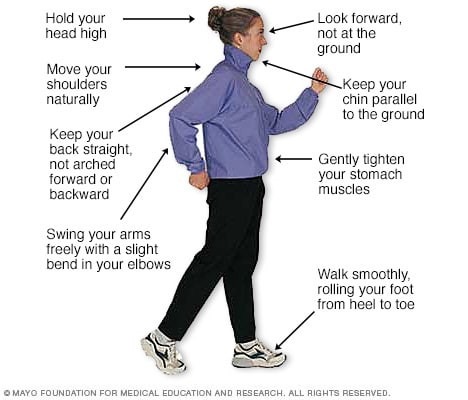
Like everything, there is a right way of doing something, even walking. For efficiency and safety, walking with proper stride is important. A fitness stride requires good posture and purposeful movements. Ideally, here's how you'll look when you're walking:
Head up, look forward – glance at the ground but don’t stare down.
Relax your neck, shoulders and back – avoid a rigid upright posture.
Swing your arms freely with a slight bend in your elbows.
Keep your stomach muscles slightly tightened (work the core) with a straight back.
Walking smoothly - rolling your foot from heel to toe.
Sources : Sapiens.org; WebMD; Mayo Clinic, “Health & Science New”
Visit your doctor regularly and listen to your body
EVERY MONDAY – Read Dr. Paul J. Mackarey “Health & Exercise Forum!” via Blog
EVERY SUNDAY in "The Sunday Times" - Read Dr. Paul J. Mackarey “Health & Exercise Forum!” in hard copy
This article is not intended as a substitute for medical treatment. If you have questions related to your medical condition, please contact your family physician. For further inquires related to this topic email: drpmackarey@msn.com
Paul J. Mackarey PT, DHSc, OCS is a Doctor in Health Sciences specializing in orthopedic and sports physical therapy in Scranton and Clarks Summit. Dr. Mackarey is in private practice and is an associate professor of clinical medicine at Geisinger Commonwealth School of Medicine. For all of Dr. Mackarey's articles, visit our exercise forum!
“When is it safe for my child to start weight training?” This is a very common question asked by parents of young athletes who are looking for advice regarding their children’s participation in weight training. This month, for example, I received three such inquiries. While some who are eager to get a “competitive edge” may not be satisfied with the answer, these recommendations are grounded in the scientific literature and medical specialist with the hope to prevent injury and dispel fear and fallacy.
Weight training, weight lifting or resistive training all describes the use of a resistive force on a muscle to improve strength. While much attention has been given to the benefits of weight training in adults, much less has been written about its application in children.
Optimal Age to Begin Weight Training:
According to the Journal of Pediatric Orthopedics, children less than 12 years old are considered prepubescent or before puberty. Teenagers who are between 12 and 19 are considered to be adolescents. Studies consistently demonstrate that strength gains are much more significant in adolescents than in preadolescents. It is important to note that these strength gains are not only from the enlargement of muscle fibers (hypertrophy), but also from the improvement in the coordination and efficiency in muscle contraction and the recruitment of motor units and fibers within the muscle.
Preadolescents lack the hormones necessary to develop masculine characteristics. Adolescents begin to produce the hormones of testosterone and androsterone to develop secondary sexual characteristics such as pubic hair and enlarged genitalia. In view of this, age 13-14 is the optimal age to safely begin and benefit from a well-designed weight training program.
Benefits of a Well-Designed Weight Training Program for Adolescents:
Increased Strength
Improved Sports Performance
Improved Injury Rehab
Improved Overall Health & Wellness
Risks From Poorly Designed or Unsupervised Program:
Risk level increases if the program is not developed or supervised by a qualified adult for technique, safety, intensity and frequency
Lower Back Pain – from poor technique and overload
Muscle/Tendon Strain – from overuse and overload
Tendonitis – from overuse and overload
Growth Plate Stress – (Osgood Schlatter’s Disease “ bump on the knee) from overload
How to Begin A Weight Training Program for Adolescents:
Pediatrician/Family Physician – get medical clearance to make sure that you are not at risk, especially if you have medical issues such as juvenile diabetes or juvenile arthritis
Orthopedic Physical Therapist – your doctor may think you would benefit from a few visits with an orthopedic PT to make sure your program is well-designed for your specific goals and your specific sport (track, football, basketball, baseball, soccer, tennis)
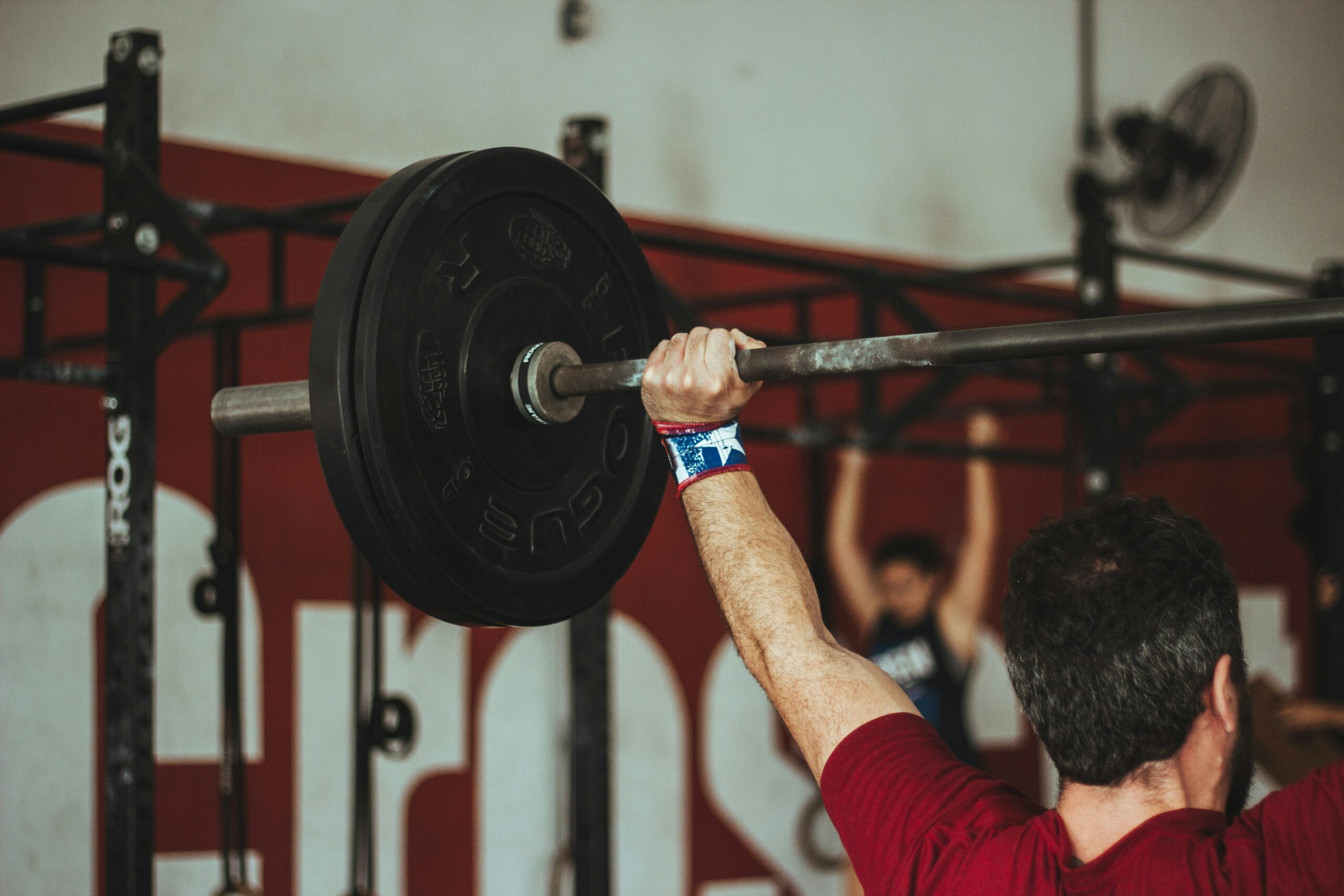
Avoid Competitive Weight Lifting – it sets you up for injury! No Clean-Jerk, Overhead Press, Full Squats. Don’t compete to lift to your maximum. Keep lifting FUN! Make training sport specific because soccer fitness is different than football fitness and runners differ from swimmers.
Technique
Slowly lift and lower weight 4 seconds up, 4 seconds down
Breath – inhale lifting weight up and exhale down
Never hold breath!
Exercise major muscle groups:
Upper body: shrugs, rows, lats, biceps, triceps, chest press, wrist curls – all with light dumbbells and bands to start
Lower Body: hip hike, leg extension, ham curl, step ups, 45 degree squat, calf raise – all light with sandbags and dumbbells to start
Lift 3 times per week on alternating days – 30 to 45 minute sessions
Warm up
Cool down
Work upper body/lower body
Can alternate days for upper body and lower body
Can alternate days for weight lifting with aerobic exercise (swim, run, bike)
Concentrate on low weights (3-5#)/high repetitions(10-15 times)
Once master technique add 1-2 # and 3-5 reps
Never advance weight or reps if you overstrain and compromise technique
**STOP:
If you have pain
If you get lightheaded or dizzy
If you experience lower back pain or joint pain
If you have muscle or joint pain that lasts more than 2 days
EVERY MONDAY – Read Dr. Paul J. Mackarey “Health & Exercise Forum!” via Blog
EVERY SUNDAY in "The Sunday Times" - Read Dr. Paul J. Mackarey “Health & Exercise Forum!” in hard copy
This article is not intended as a substitute for medical treatment. If you have questions related to your medical condition, please contact your family physician. For further inquires related to this topic email: drpmackarey@msn.com
Paul J. Mackarey PT, DHSc, OCS is a Doctor in Health Sciences specializing in orthopedic and sports physical therapy in Scranton and Clarks Summit. Dr. Mackarey is in private practice and is an associate professor of clinical medicine at Geisinger Commonwealth School of Medicine. For all of Dr. Mackarey's articles, visit our exercise forum!
...Labor Day is also the start of the school year
While many people celebrate the Labor Day holiday by firing up the grill, others will be shopping to get their students ready for the school year. One item on the shopping list should be a good quality and well-fitted backpack…to prevent lower back pain!
In 2018, the government of India announced a ban on homework and recently in Poland; the government ministers did the same. Can you imagine…a ban on homework? In an effort to promote student health and address recent surges in the incidence of back pain in the young, there will be no homework for students in grades one and two.
It was estimated that the majority of students ages 7 – 13 in India were carrying almost half their body weight. Not surprisingly, medical practitioners noticed a dramatic increase in reported cases of back pain among this group and decided to take action. In addition to the homework ban for grades one and two, Indian authorities have also implemented a limit of 10% of the student’s body weight.
Back pain in students seems to be universal. Each year, as students in the United States prepare to return to school from summer vacation, the subject of backpacks arises. The good news: when compared to purses, messenger bags, or shoulder bags, backpacks are the best option to prevent lower back pain. The bad news is, most of the 40 million students in the USA using backpacks, are doing so incorrectly.
Studies have found more than 33% of children had LBP that caused them to miss school, visit a doctor, or abstain from activity. Also, 55% of children surveyed carried backpacks heavier than the 10-15% of their body weight, which is the maximum weight recommended by experts. Additionally, the study noted that early onset of LBP leads to greater likelihood of recurrent or chronic problems. Backpacks that are too heavy are particularly harmful to the development of the musculoskeletal system of growing youngsters. It can lead to poor posture that may lead to chronic problems.
The following information on backpack safely is based, in part, by guidelines from The American Physical Therapy Association. Parents and teachers would be wise to observe the following warning signs of an overloaded and unsafe backpack:
WARNING SIGNS:
Change in posture when wearing the backpack. The weight of the pack forces the child to tip forward to compensate. Weak or poorly fitted straps force the child to tip to the side to compensate
Struggling when putting on or taking off the backpack due to a pack that is too heavy or straps that don’t fit properly.
Pain when wearing or after wearing the backpack due to a that is too heavy or straps that don’t fit properly
Tingling or numbness – in the arms or hands
Red marks – under the armpits or on the back
Consider the following suggestions to promote backpack safely and prevent back injury:
12 SUGGESTIONS for Backpack Usage:
Limit Weight of Pack to 10-15% of Body Weight (100lb child = 10-15lb pack)
Padded Adjustable Shoulder Straps - Use both straps to distribute weight evenly. Using one strap may look cool but it will lead to back pain.
Waist Belt – Proper Fit - An adjustable waist belt will distribute pack weight from back to hips and legs. Top of pack should be below the neck and bottom 2-3 inches above the waist
Pack Weight Distributed to Small of Back/Hips – using adjustable straps - Not all the weight on shoulders and upper back
Wheeled Backpack – if unable to make above adjustments - This is an option for some children; however, you may have problems carrying/lifting it on the bus etc.
Purchase Extra Set of BooksAnd Use Your Locker - Get list from teachers and use the internet to buy extra books to leave at home. Teachers and students might consider downloading text books on the iPads or electronic tablets. Also, put unnecessary books in your locker between classes
Remove Pack When Possible - While waiting for bus, hanging out between class, etc
Put Pack On/Off From Chair/Table/Bench – Not Floor - It is much easier to lift a pack up from a table and put it on your back than bending over to get it from the floor
Stand Erect and Arch Small of Back - The correct posture while carrying heavy items is to make a hollow or arch the small of your back
Perform Posture/Stretching Exercises - Pinch shoulder blades together and extend and arch your spine backwards intermittently throughout the day – especially every time you take your pack off
Consider a pack with multiple compartments - Use several compartments to carefully load your backpack and distribute the weight more evenly…and eliminate accumulated/unnecessary junk.
Use a back with reflective material to enhance visibility.
EVERY MONDAY – Read Dr. Paul J. Mackarey “Health & Exercise Forum!” via Blog
EVERY SUNDAY in "The Sunday Times" - Read Dr. Paul J. Mackarey “Health & Exercise Forum!” in hard copy
This article is not intended as a substitute for medical treatment. If you have questions related to your medical condition, please contact your family physician. For further inquires related to this topic email: drpmackarey@msn.com
Paul J. Mackarey PT, DHSc, OCS is a Doctor in Health Sciences specializing in orthopaedic and sports physical therapy in Scranton and Clarks Summit. Dr. Mackarey is in private practice and is an associate professor of clinical medicine at Geisinger Commonwealth School of Medicine. For all of Dr. Mackarey's articles, visit our exercise forum!


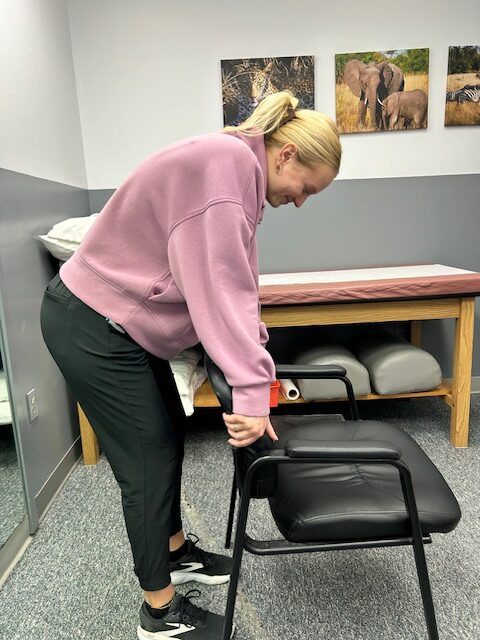 Incorrect
 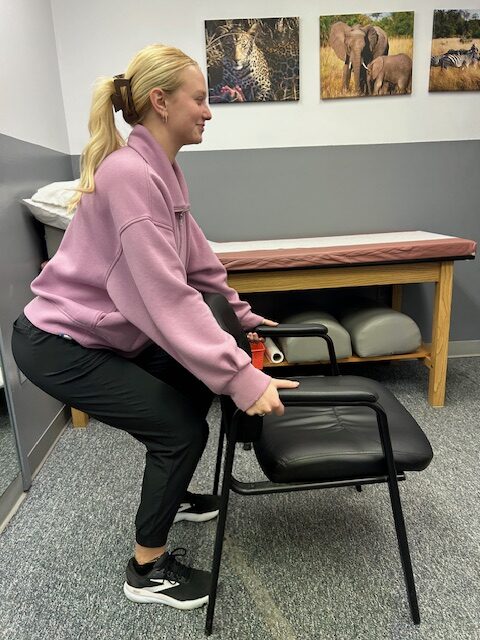 Correct
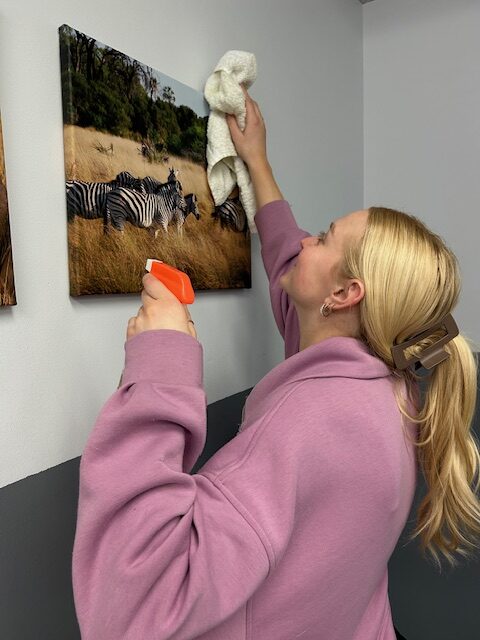 Incorrect
 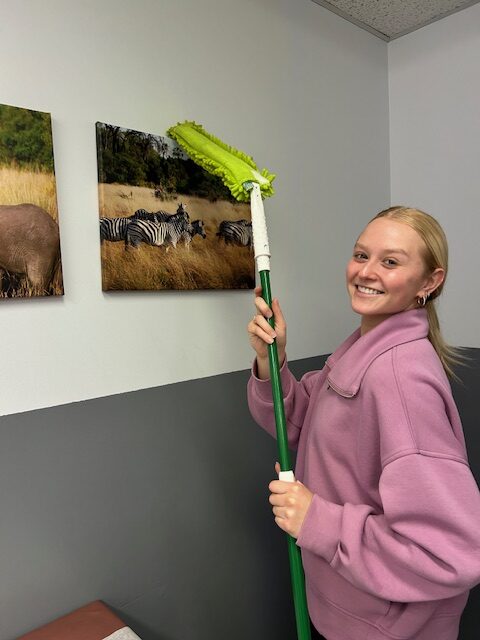 Correct