Can you believe that the 4th of July holiday was more than one month ago? Do not despair! There is still plenty of time to be outdoors in NEPA and experience so many activities such as: biking, hiking, running, walking, swimming, boating, golfing, and playing tennis to name a few. Late summer and early fall tend to be beautiful and is also a wonderful opportunity to discover your inner child, mix it up and try something new! Below are some new and exciting ways to stay active and have fun in the sun:
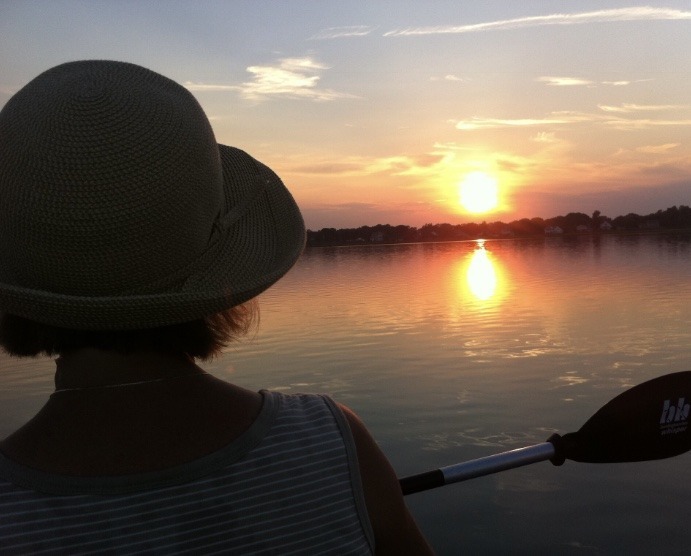
Spending time on any of the beautiful lakes in NEPA is time well spent. From an exercise standpoint, rowing, canoeing and kayaking offer a very special experience. Most kayaks are light weight, easy to use and maneuverable on a lake. Sitting low on the water offers a unique perspective as you feel yourself gliding across the lake. The Countryside Conservancy, in partnership with Lackawanna State Park, sponsors moonlight kayak events on the lake at the park. With a bright full moon, you can begin at 8 pm and return at 10 pm. Bring bug spray and headlights to enjoy the sunset and moon rise on the lake. You will feel like a kid breaking the rules of the park by being on the water after dark!
NOTE: Try kayaking in the daytime first and then advance to sunset trips before staying on the water for the moonlight. Rentals are available at the park.
Website: www.countrysideconservancy.org; www.dcnr.state.pa.us/stateparks.org
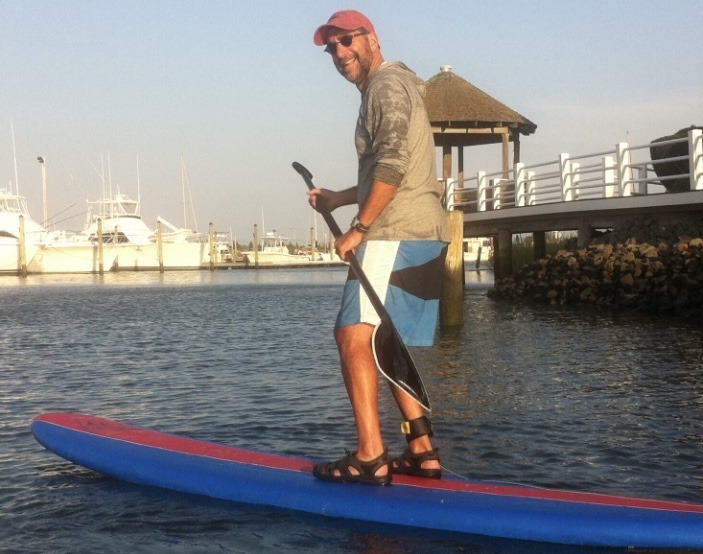
Stand up paddle boarding (SUP) is becoming a fast-growing sport among water enthusiasts. It is a fun way to exercise your core, improve balance, and tone your upper body. It requires minimal equipment; a board that is essentially a long and wide surfboard and a long paddle to use while standing on the board. It can be done in the ocean surf, bay, lakes, or rivers; however, beginners would be wise to stay in calm water. Rentals are available at most beaches.
Check out the video for more information: REI paddleboard basics
What is it? Imagine a standup paddle board with a handlebar and pedals like a exercise stepper machine. Instead of using a paddle, you step up and down on the pedals and fins under the board propel you through the water. Check it out…Hobie Mirage Eclipse Stand Up Peddle Board; Dick’s Sporting Goods
Zumba is a very popular form of dance aerobics spiced up with Latin music. When adding water and sun to this already cool activity, you are assured to have fun while exercising. As with any aquatic exercise, the added resistance from the water gives arm rows and leg kicks more challenge. Female participants report an additional benefit; they are uninhibited to “shake that thing” to the music under the cover of the water. So, beat the heat, let loose and get some fun in the sun while you exercise.
NOTE: Consider trying regular Zumba first to get the hang of it. Amy Sekol is a local certified Zumba instructor and also offers Aqua Zumba. (amys.zumba.com)
Website: www.zumba.com
I love this idea…why didn’t I think of it first! In the gym I enjoy the elliptical machine because it simulates running without the impact on my joints but of course, I would rather be outdoors. Well, this is the answer to my prayers…an elliptical machine that is attached to a bike with handle bars and brakes included. I think it will probably be difficult on steep hills but it is something I MUST TRY!
Website: www.elliptigo.com; www.mywingflyer.com
Visit your doctor regularly and listen to your body.
NEXT MONDAY – Read Dr. Paul J. Mackarey “Health & Exercise Forum!”
This article is not intended as a substitute for medical treatment. If you have questions related to your medical condition, please contact your family physician. For further inquires related to this topic email: drpmackarey@msn.com
Paul J. Mackarey PT, DHSc, OCS is a Doctor in Health Sciences specializing in orthopaedic and sports physical therapy. Dr. Mackarey is in private practice and is an associate professor of clinical medicine at GCSOM.
For all of Dr. Mackarey's Articles, check out our exercise forum!
According to the National Institutes of Health, an estimated 19.1% of U.S. adults 18 and older had an anxiety disorder in the past year. Anxiety disorders were higher for females (23.4%) than for males (14.3%). An estimated 31.1% of U.S. adults experience an anxiety disorder at some time in their lives.
There are a wide variety of anxiety disorders and will vary by the objects or situations that induce them. However, the features of excessive anxiety and related behavioral disturbances are similar. Anxiety disorders can interfere with daily activities such as job performance, school work, and relationships. Symptoms include: distress, nausea, shortness of breath, bowel pattern changes, excessive perspiration, frequent laughing or crying, restlessness, and is often associated with depression. While there are many types and degrees of anxiety and there is no substitute for medical and psychological care, there are some simple and basic tools to help manage the problem…daily exercise is one easy, affordable and accessible suggestion for most. Multiple studies have discussed the incidence of unhealthy self management of anxiety, including the use of alcohol and recreational drugs.
Last week, I presented coping tips for the management of anxiety. In this column, I will discuss one of the most understated benefits of exercise – mental health! Specifically, aerobic exercise (exercise that increases your heart rate for 30 minutes or more) such as walking, biking, running, swimming, hiking, elliptical & stepper machines to name a few, is the secret to “runner’s high.” This exercise euphoria is not limited to runners alone, but all who engage in aerobic exercise are more likely to experience high energy, positive attitude and mental wellness.
Physical activity, specifically aerobic exercise, is a scientifically proven useful tool for preventing and easing anxiety and depression symptoms. Studies in the British Journal of Medicine and the Journal of Exercise and Sports Science found that anxiety and depression scores were significantly reduced in groups that engaged in aerobic running, jogging or walking programs, 30-45 minutes 3-5 days per week for 10-12 weeks, when compared to a control group and a psychotherapy counseling group.
According to research reported in sports medicine journals, exercise reduces anxiety and depression in two ways, psychologically (mentally) and physiological (physically).
Psychological or Mental Benefits of Exercise on Anxiety and Depression:
Physiological or Physical Benefits of Exercise on Anxiety and Depression:
Work hard to recognize and overcome these symptoms to begin an exercise program. An aerobic exercise routine should eventually lessen these symptoms.
Visit your doctor regularly and listen to your body.
SOURCES: University of Pittsburgh Medical Center (UPMC); National Institutes of Health (NIH); The American Journal of Sports Medicine
NEXT MONDAY – Read Dr. Paul J. Mackarey “Health & Exercise Forum!”
This article is not intended as a substitute for medical treatment. If you have questions related to your medical condition, please contact your family physician. For further inquires related to this topic email: drpmackarey@msn.com
Paul J. Mackarey PT, DHSc, OCS is a Doctor in Health Sciences specializing in orthopaedic and sports physical therapy. Dr. Mackarey is in private practice and is an associate professor of clinical medicine at GCSOM. For all of Dr. Paul's articles, check out our exercise forum!
According to the National Institutes of Health, an estimated 19.1% of U.S. adults 18 and older had an anxiety disorder in the past year. Anxiety disorders were higher for females (23.4%) than for males (14.3%). An estimated 31.1% of U.S. adults experience an anxiety disorder at some time in their lives.
There are a wide variety of anxiety disorders and will vary by the objects or situations that induce them. However, the features of excessive anxiety and related behavioral disturbances are similar. Anxiety disorders can interfere with daily activities such as job performance, school work, and relationships. Symptoms include: distress, nausea, shortness of breath, bowel pattern changes, excessive perspiration, frequent laughing or crying, restlessness, and is often associated with depression. While there are many types and degrees of anxiety and there is no substitute for medical and psychological care, there are some simple and basic tools to help manage the problem…daily exercise is one easy, affordable and accessible suggestion for most.
Multiple studies have discussed the incidence of unhealthy self management of anxiety, including the use of alcohol and recreational drugs. The University of Pittsburgh Medical Center (UPMC) recommends the following healthy tips for coping with anxiety:
1. Get Enough Sleep
Adequate sleep is critical for mental health. Unfortunately, anxiety can lead to sleeping problems and, according to the Anxiety and Depression Association of America (ADAA) inadequate sleep can worsen anxiety.
Seven to nine hours of sleep each night is recommended for most adults. The National Sleep Foundation recommends maintaining a regular schedule that includes going to bed at the same time each night and waking up at the same time each morning.
2. Practice Mindfulness Meditation
Incorporating meditation into your life can help you cope with anxiety, according to the National Center for Complementary and Integrative Health.
Research shows mindfulness meditation programs are effective in reducing anxiety and depression. UPMC offers a Mindfulness-Based Stress Reduction Course and a Beginners Guide to Meditation that have been proven to be very effective. Another option for reduction of anxiety and stress is Progressive Muscle Relaxation. This mind-body technique can be found in 5, 10, 15 or 20 minute videos.
3. Spend Time in Nature
How you deal with anxiety should include a walk in the forest or even a tree-lined park. In NEPA we are very fortunate to have access to beautiful walking and biking trails and state parks. Make time to enjoy them.
Research shows that “forest bathing,” long, slow walks in nature for health purposes, can lower blood pressure and relieve anxiety. A review of clinical trials published in the International Journal of Biometeorology found that salivary cortisol levels, biomarkers for stress, were significantly lower in groups who participated in forest bathing versus the control group.
4. Take up Yoga or Tai Chi
Yoga does more than increase your flexibility. It incorporates exercise, deep breathing, and meditation. Yoga is an all-in-one anti-anxiety activity, as shown in a review of body-centered interventions published in Frontiers in Psychology. Tai chi, a mix of meditation and martial arts, works much the same way.
5. Dance Therapy
That same research found that dance therapy, also known as movement therapy, reduces anxiety by engaging the body’s nervous system, which regulates how the body reacts to stress. In addition, dance/movement therapy increases production of serotonin, a chemical produced by the cells that’s responsible for mood.
6. Breathe Through It
When you begin to feel anxiety or a panic attack with symptoms such as: sweating, trembling, dizziness, rapid heartbeat and nausea, start to come on, “take a deep breath.” Research shows that slow deep breaths can calm you down and lower your heart rate while quick, shallow breaths can induce or worsen anxiety.
One breathing technique shown to reduce anxiety is diaphragmatic breathing. Using your diaphragm for deep breathing requires you to fill your lungs to capacity.
Breathe in slowly through your nose so that your stomach rises. Then, tighten the stomach muscles and exhale slowly through pursed lips. Repeat several times.
7. Limit Caffeine and Alcohol
Too much caffeine restricts blood vessels, which can increase blood pressure and contribute to anxiety. Coping with anxiety also doesn’t mean masking it with alcohol. Studies show that there is a complex relationship between alcohol and anxiety. While some may use alcohol and recreational drugs to mask the symptoms of anxiety (often leading to substance abuse disorder), some studies show that alcohol can interfere with the neurotransmitters that manage anxiety and prevent you from getting a good night’s sleep. Drinking to cope creates a sort of feedback loop, which makes the anxiety worse and can lead to alcohol dependence.
8. Check Your Medicine
Certain medicines, such as corticosteroids, asthma drugs, and others, can cause anxiety. Ask your doctor if any medicines you take may be a contributing factor.
9. Eat Healthy Foods
Keeping the body nourished is essential for all functions of life. New research shows that a healthy diet may affect more than just weight and energy levels. One example is a Mediterranean Diet, with lots of vegetables, fruits, beans, lentils, nuts, whole grains, extra virgin olive oil and a moderate amount of fish (especially those rich in omega-3 fatty acids), with limited use of red meat.
10. Keep a Journal
Keeping a journal can be a great way to keep track of your progress with anxiety and how your body responds to such situations. Tracing the triggers of anxiety can help you develop the skills to properly respond when put in anxious conditions.
11. Exercise Regularly
Exercise promotes the release of endorphins. These brain chemicals reduce the body’s reaction to pain and stress. They also produce a feeling of euphoria, or happiness, that’s comparable to morphine. Just five minutes of aerobic exercise can kick start these anti-anxiety effects, according to some studies. Next week in “Health & Exercise Forum” specific details about exercise for anxiety will be presented.
Talk to a Mental Health Professional
Chronic anxiety also can point to an underlying mental health issue. When your anxiety causes extreme distress or interrupts your ability to function on a daily basis, or when panic attacks are frequent and debilitating, it’s important to talk to your physician and ask for a referral to a mental health professional. They can provide a treatment plan, which may include specialized anti-anxiety medicine, psychotherapy, or both.
Visit your doctor regularly and listen to your body.
SOURCES: University of Pittsburgh Medical Center (UPMC); National Institutes of Health (NIH);
NEXT MONDAY – Read Dr. Paul J. Mackarey “Health & Exercise Forum!” Next week: Coping with Anxiety Part II This article is not intended as a substitute for medical treatment. If you have questions related to your medical condition, please contact your family physician. For further inquires related to this topic email: drpmackarey@msn.com
Paul J. Mackarey PT, DHSc, OCS is a Doctor in Health Sciences specializing in orthopaedic and sports physical therapy. Dr. Mackarey is in private practice and is an associate professor of clinical medicine at GCSOM. For all of Dr. Paul's articles, check out our exercise forum!
Last week in Health & Exercise Forum, we discussed dehydration as a potentially life-threatening problem, especially in those over 60. Summer heat and humidity are here and the risk of heat related illnesses are greater than normal. Age, diet, illness and medications are some of the many reasons why elders suffer from dehydration not only in the summer heat, but year round. Furthermore, age related changes in 50-60 year olds can also make one vulnerable to dehydration, especially if they are active and exercise in the heat.
It is widely accepted that the best treatment for dehydration is prevention. One must take a proactive approach to ensure and/or encourage adequate fluid intake, especially with age and in high temperatures. Consider some of the following practical tips to promote optimal hydration.
Remember, knowledge and awareness of the symptoms of and the prevention of dehydration can reduce unnecessary hospitalizations and maximize health and well-being for the elderly and not-so-elderly individual.
Visit your doctor regularly and listen to your body.
Keep moving, eat healthy foods, exercise regularly, and live long and well!
Contributor: Janet M. Caputo, DPT, OCS
NEXT MONDAY! – Read Dr. Paul J. Mackarey “Health & Exercise Forum!”
This article is not intended as a substitute for medical treatment. If you have questions related to your medical condition, please contact your family physician. For further inquires related to this topic email: drpmackarey@msn.com
Paul J. Mackarey PT, DHSc, OCS is a Doctor in Health Sciences specializing in orthopaedic and sports physical therapy. Dr. Mackarey is in private practice and is an associate professor of clinical medicine at GCSOM. For all of Dr. Mackarey's articles, check out our exercise forum!
Memorial Day is the unofficial kickoff to summer…outdoor furniture is out, the grill is fired up and the pool is open! This summer try to think of your pleasure puddle in different light…a health spa! It may very well be the exercise of choice for many people. Many have discovered the benefits of moving their limbs in the warm water of a home pool following knee or shoulder surgery. Also, long distance runners who often look for cross training methods without joint compression and arthritis sufferers who are often limited in exercise choices by joint pain from compressive forces when bearing weight, can enjoy the buoyancy effects of water. These are good examples of the benefits or water exercise…aerobic and resistive exercise without joint compression.
Most doctors recommend some form of exercise with arthritis. Pain and fatigue are the most limiting factors for the person with arthritis. Pool exercise may be the answer. With proper technique, adequate rest periods, appropriate resistance and repetitions, water exercise can be very effective.
The following are some of the benefits of water exercise:
Visit your doctor regularly and listen to your body.
NEXT MONDAY – Read Dr. Paul J. Mackarey “Health & Exercise Forum!”
This article is not intended as a substitute for medical treatment. If you have questions related to your medical condition, please contact your family physician. For further inquires related to this topic email: drpmackarey@msn.com
Paul J. Mackarey PT, DHSc, OCS is a Doctor in Health Sciences specializing in orthopaedic and sports physical therapy. Dr. Mackarey is in private practice and is an associate professor of clinical medicine at GCSOM. For all of Dr. Mackarey's articles, visit our Health and Exercise Forum!