Human beings were designed to move…walk, run, climb, lift, hunt, and gather. Contemporary man has suffered greatly from a technologically driven inactive and sedentary lifestyle. Inactivity is associated with many health problems; obesity, adult-onset diabetes, high blood pressure to name a few. The problems associated with lack of movement are many:
The more you move your body, the more you colon moves! A regular and consistent exercise and activity regime, results in a more consistent bowel schedule, especially with age. Healthy muscle tone in your abdominal muscles and diaphragm is also the key to moving waste through your digestive tract.
Osteoarthritis, rheumatoid arthritis and many inflammatory or auto-immune diseases can cause achy and stiff joints. However, even healthy joints can also stiffen when you don’t use them enough. Put them to work so they don't get tight and cause pain.
All muscles get weak from lack of use, including the muscles that help your lungs expand and contract as you breathe if you don’t work them out regularly. The less exercise or activity you do, the more you experience shortness of breath, even during easy daily tasks.
Physical problems are not the only complication of inactivity. A lack of movement can also increase feelings of anxiety and depression. Aerobic exercises like walking, biking, swimming, or running, have been proven to stimulate endorphins to boost and steady your mood, and even improve your self-esteem.
Many studies have found that regular movement improves energy. Exercise helps deliver oxygen and nutrients to your tissues. When you sit or are inactive, tissues are not getting the same amount of fuel they need to keep you going.
Movement stimulates your metabolism. Hyperactive people burn more calories…just by fidgeting! Even if you are not hyperactive, the more active you are, the more calories you burn each time you move.
One of the first recommendations sleep doctors make to their patients suffering from insomnia is exercise. When you keep a regular exercise routine, you fall asleep faster, and you sleep deeper once you drift off.
Regular exercise tells your body to make more chemicals called growth factors. They boost blood vessel production in your brain. The more blood that gets to your brain, the better you can think, remember, and make decisions.
Spending most of your time sitting raises your risk of heart disease, in great part due to the fact that partly you’re more likely to have high blood pressure. This is a big risk factor for heart issues like coronary artery disease and heart attack.
When physical activity is a regular part of your life, your body has an easier time keeping your blood glucose under control. Exercise can stabilize blood sugar levels and keep you out of the type 2 diabetes danger zone.
When your core muscles are weak from lack of use, they can’t support your back the way they should. This makes it much easier to tweak your back muscles during everyday movements like standing or reaching. Pilates, yoga, and other exercises that use stretching are good for building a stronger back. Schedule an appointment with a good orthopedic and sports PT.
Logically, one might think that you’d be hungry more often if you exercised more, but the opposite is usually true. Aerobic exercise like biking, swimming, walking, and running can actually decrease your appetite because it changes the levels of certain “hunger hormones” in your body.
Studies show the more moderate activity you get, the lower your chance of catching a cold or other germs. When you make exercise a habit, your immune system gets stronger.
If your skin looks duller than usual, a lack of movement may be to blame. Some studies show that moderate exercise boosts your circulation and your immune system, which helps your skin keep that youthful glow.
SOURCE: WebMD
EVERY MONDAY – Read Dr. Paul J. Mackarey “Health & Exercise Forum!” via Blog
EVERY SUNDAY in "The Sunday Times" - Read Dr. Paul J. Mackarey “Health & Exercise Forum!” in hard copy
This article is not intended as a substitute for medical treatment. If you have questions related to your medical condition, please contact your family physician. For further inquires related to this topic email: drpmackarey@msn.com
Paul J. Mackarey PT, DHSc, OCS is a Doctor in Health Sciences specializing in orthopaedic and sports physical therapy in Scranton and Clarks Summit. Dr. Mackarey is in private practice and is an associate professor of clinical medicine at Geisinger Commonwealth School of Medicine. For all of Dr. Mackarey's articles, visit our exercise forum!
June is migraine and headache awareness month! According to the World Health Organization about half of the world’s adult population has had a headache at least once in the past year. Prolonged use of electronic devices has greatly contributed to this problem. For many people, these headaches are infrequent and do not often affect daily life. But what about when your headache occurs frequently or is so severe it prevents you from going about your day to day activities? Some types of headaches are more easily treated and managed than others.
There are two types of headaches: primary and secondary. Primary headaches occur without an underlying disease and include migraines and tension-type headaches. Secondary headaches can be associated with serious disease, requiring emergency care, or can be referred from other structures of the body such as the cervical spine (neck).
Headaches symptoms that may constitute a medical emergency are: vomiting, seizures, fever, muscle pain, night sweat, weight loss, and neurologic symptoms such as blurred vision. If you are experiencing any of these symptoms, if your headache worsens, or your symptoms change it is recommended that you seek medical attention. Any headache that is unusual for you and does not resolve itself in a reasonable time should be brought to your primary care physician’s attention.
Migraines: Migraines are a primary form of headache that typically lasts from four to seventy two hours, can range from moderate to severe pain, and typically are located on only one side of the head. Often they can be accompanied by an aura, nausea or vomiting, sensitivity to sound, or light sensitivity. Migraines can be aggravated by routine physical activity such as going up stairs. This type of headache is thought to occur in the central nervous system.
Tension-type: Tension-type headaches are the most common primary headache disorder and can last anywhere from thirty minutes to seven days. These can often have a pressing or tightening quality that occurs on both sides of the head. Typically, there is no nausea, vomiting, or aggravation with physical activity, however, light or sound sensitivity can occur. This type of headache is thought to occur in the central nervous system but can have a hereditary component and is usually associated with muscle tender points. Tension – type headaches can be treated with relaxation techniques such as Progressive Muscle Relaxation (PMR), medications, and physical therapy.
The most common secondary headache that is not related to a serious medical condition is a cervicogenic headache (originating from the neck).
Cervicogenic Headache: The length of time a cervicogenic headache can last varies. Here the pain is on one side and usually starts in the neck. This type of headache is aggravated or preceded by head postures or movements of the neck. Due to the nerves of the neck and face sharing common connections, pain signals sent from one region can lead to discomfort in the other. Physical therapy can be an effective treatment to help relieve symptoms. For example: posture, exercise, ergonomics, massage, manual techniques, traction, trigger point, and acupressure.
A cervicogenic headache can be caused by an accident or trauma or can stem from neck movement or sustained postures. Sustained postures could mean sitting in front of a computer at work or looking down at your phone. Changing these postures throughout the day could help reduce symptoms. Changing postures could mean bringing your phone closer to you using pillows or another supportive surface when reading or checking social media. If you are someone who works at a desk, it could involve taking breaks or getting a standing desk. However your life requires you to move, there are some simple and effective exercises you can perform throughout the day to help cervicogenic headache symptoms.
Progressive Muscle Relaxation: PMR is an effective method for reducing tension throughout the body. With this method you first tense a muscle group, such as at the neck or shoulder, and then relax the muscles noting the difference between the two. This helps reduce both stress and tension. For more information or to learn how to do PMR, refer to podcast at: https://www.psychologies.co.uk/try-progressive-muscle-relaxation
Manage your stress level: While stressors vary from person to person, one method for managing stress is with exercise. Any form of exercise can help reduce stress, but a cost free method is aerobic exercise such as walking or running. A less time consuming method could be to perform deep breathing exercises throughout the day.
Heat or cold: When feeling sore or stiff, applying a hot or cold pack or taking a hot shower can help ease a tension headache.
Posture: Some tips for posture are to make sure your head is over your shoulders rather than sitting forward and making sure you are sitting or standing up straight with your shoulders back.
Over the counter medications: Talk to your doctor or pharmacist for additional information.
Posture: See tips listed under tension headaches.
Ergonomics: If your job or hobbies require you to sit for extended periods it may be beneficial to change positions throughout the day or consider getting a standing desk. Also, limit time on electronic devices. When sitting make sure the monitor is at eye level, your legs are able to fit under your desk, and you are close to the keyboard and monitor. If you are working with a laptop or phone, avoid putting it on your lap. Instead, bring your laptop closer to you by putting pillows on your lap or using an ergonomic desktop. See photo below.
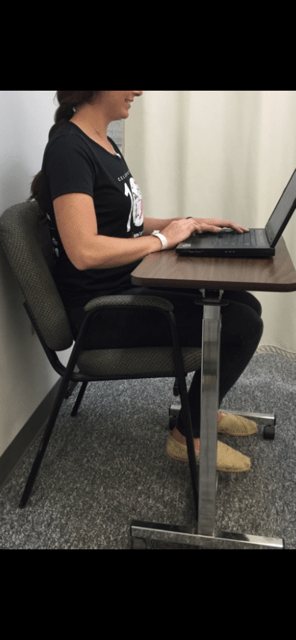
Exercise: Some exercises to help relieve symptoms are chin tucks, shoulder blade pinches, and back extension. These exercises can be performed multiple times throughout the day in sitting or standing.
Physical Therapy: Physical therapy may include massage, manual techniques, stretching, traction/ decompression and exercise. A physical therapist can assess your posture and provide strategies specific to you.
Over the counter medications: While medication may not cure cervicogenic headaches, they may help relieve pain. Talk to your doctor or pharmacist for additional information.
Visit your doctor regularly and listen to your body.

Dr. Chua is a neurologist and headache specialist at Geisinger Health System in Northeast Pennsylvania. In addition to caring for people with headache and facial pain disorders, Dr. Chua also serves as: Director of Headache Medicine at Geisinger, Clinical Director of Neurology at Geisinger Wyoming Valley, faculty at Thomas Jefferson University’s Advanced Headache Diagnosis and Management Post-Graduate Certificate Program, and Treasurer and Executive Board Member of the Association of Migraine Disorders. In her spare time, she enjoys going on adventures with her husband and toddler, learning new skills (she is now certified in battlefield acupuncture), and buying great books she will never have time to read!
EVERY MONDAY – Read Dr. Paul J. Mackarey “Health & Exercise Forum!” via Blog
EVERY SUNDAY in "The Sunday Times" - Read Dr. Paul J. Mackarey “Health & Exercise Forum!” in hard copy
This article is not intended as a substitute for medical treatment. If you have questions related to your medical condition, please contact your family physician. For further inquires related to this topic email: drpmackarey@msn.com
Paul J. Mackarey PT, DHSc, OCS is a Doctor in Health Sciences specializing in orthopaedic and sports physical therapy in Scranton and Clarks Summit. Dr. Mackarey is in private practice and is an associate professor of clinical medicine at Geisinger Commonwealth School of Medicine. For all of Dr. Mackarey's articles, visit our exercise forum!
Spring is here! So, too, is allergy season and spring sports! It seems this every year at this time a young little league baseball player wheezes as they cross home plate and desperately tries to catch their breath. Players, coaches, umpires, parents watch in dismay, deciding whether they need to call an ambulance. Minutes later the player recovers from this scary situation…until the next time. Could this be an example of exercised-induced asthma (EIA)?
Dr. Gregory Cali, a local pulmonologist, (lung doctor) was gracious enough to participate in an interview about this problem…exercise-induced asthma (EIA). The topic was chosen in response to an email question from a concerned mother of an athlete with asthma. Dr. Cali informed me that the first thing to know about exercise induced asthma (EIA) is that EIA is not a distinct disease in itself-but is one manifestation or presentation of asthma. Putting it simply, EIA occurs in patients who have develop narrowing of the bronchial tubes ( bronchoconstriction) when they exercise. Some experts would rather we use the phrase exercise induced bronchoconstriction which is what happens when someone has an asthma attack. This bronchoconstriction occurs because of spasm of the tiny muscles of the airways, plugging of the airways with thick mucous, and swelling or edema of the cells lining the airways.
In fact, it is inflammation of the airways, mostly due to allergies, that is at the root of most cases of asthma. This inflammation causes the bronchial tubes to become over-reactive-and predisposed to narrowing- when exposed to certain triggers. Exercise is one of those triggers in susceptible people. The patient with EIA complains of chest tightness, wheezing, and shortness of breath when exercising. Some patients only experience coughing with exercise. Symptoms are usually worse in cold, dry air. This is believed to be due to the drying and cooling of the airways, which occurs with exercise, especially if the patient opens his or her mouth while exercising. Nasal breathing is much better at warming and humidifying air and may help to reduce EIA.
Dr. Cali feels that the most important point about EIA is to make sure a specific diagnosis is made. It is difficult at times to differentiate asthma from the normal breathlessness, which occurs with exercise. The feature of EIA that distinguishes it from normal breathing, or being "out of shape" is the fact that EIA is ALWAYS associated with a decrease in airflow. This can be measured with either a peak flow meter or a spirometer. It is also important that a specific diagnosis be made so that a person will not be labeled as asthmatic when they may be "normal" or have other conditions such as heart problems or anemia.
Dr. Cali also recommends before a person is labeled asthmatic, they have spirometric testing. An improvement in airflow after inhaling. A bronchodilator is an important indicator of asthma. Sometimes a bronchial challenge test is needed to diagnose asthma. In this test, the subject breathes in a known bronchoconstrictor in small quantities and the response is noted. Patients with asthma almost always respond to the inhaled agent by a reduction in airflow.
Inform Coaches – If coaches are made aware, than they can be prepared for the onset of EIA. Provide emergency contacts and medications with instructions, such as inhalers, should be available.
Warm and Moisten Air - Whatever the patient can do to warm and moisten the inhaled air can help prevent EIA. Nose breathing during exercise or wearing a loose covering over the mouth in cold weather may help. Sometimes, in severe cases, switching to an indoor sport like swimming may be necessary.
Start Out Slowly - It is important to start out slowly and warm up first before exercising at full tilt. Slowly jog around the track or field before practice or a game to prepare your lungs for full-speed.
Medications – are often necessary. Quick- acting bronchodilators like Albuterol, used 15-20 minutes before planned exercise, is recommended. This can be repeated once more during the exercise, but if tightness or wheezing occurs, the exercise should be stopped. Many patients with asthma require preventative treatment with anti-inflammatory medications. Inhaled steroids and/or leukotriene inhibitors may have to be added if the asthma is not controlled with Albuterol alone. In fact, some patients with asthma who are overly reliant on quick acting bronchodilator medications can get into serious trouble if they do not use inhaled steroids. Be sure to communicate your needs with your coaches.
Play Smart - In conclusion, people with asthma should not shy away from exercise. With proper precautions, people with asthma should be able to participate in all kinds of sports activities: baseball, football, soccer, swimming, tennis and running (even a marathon)! The key point is that the asthma needs to be under control and monitored by the patient, parents, coaches and doctor as a team.
Visit your doctor regularly and listen to your body.
Medical Contributor: Gregory Cali, DO, pulmonary specialist, Dunmore, PA
EVERY MONDAY – Read Dr. Paul J. Mackarey “Health & Exercise Forum!” via Blog
EVERY SUNDAY in "The Sunday Times" - Read Dr. Paul J. Mackarey “Health & Exercise Forum!” in hard copy
This article is not intended as a substitute for medical treatment. If you have questions related to your medical condition, please contact your family physician. For further inquires related to this topic email: drpmackarey@msn.com
Paul J. Mackarey PT, DHSc, OCS is a Doctor in Health Sciences specializing in orthopaedic and sports physical therapy in Scranton and Clarks Summit. Dr. Mackarey is in private practice and is an associate professor of clinical medicine at Geisinger Commonwealth School of Medicine. For all of Dr. Mackarey's articles, visit our exercise forum!
Most would agree that this spring has a little cloudy, rainy and cool in NEPA. However, warm sunny days are soon to come. While protection from the sun is very important, too much time indoors playing computer games and watching television, can lead to potential problems from lack of exposure to the sun. One must use good judgment and have balance as the potential exists for Vitamin D deficiency due to lack of sun exposure. This problem may be true for individuals who use too much protection or spend most of their day indoors due to occupation or poor health. Therefore, it will be the purpose of this column to discuss the importance of Vitamin D for health and wellness.
Vitamin D, a fat soluble vitamin, is found in food and can be made by your body after exposure to ultraviolet (UV) rays from the sun. The liver and kidney help convert it to its active form. Therefore, vitamin D assists calcium absorption, which is essential for normal development and in forming and maintaining strong bones and teeth. Without it, bones can become thin, brittle and soft. The classic Vitamin D deficiency diseases are rickets in children and osteomalacia in adults. Rickets results in skeletal deformities. Osteomalacia is the softening of bones. Therefore, it is essential for normal bone health and may diminish or prevent the onset of osteoporosis in the elderly.
The requirement for Vitamin D is dependent on age, sex, degree of sun exposure and the amount of pigmentation in the skin. Since it can be produced by the body and retained for long periods of time by the body’s tissues, the precise daily requirement has been difficult to determine. Instead, an Adequate Intake (AI) level has been established. AI is a level of intake sufficient to maintain healthy blood levels of an active form of Vitamin D.
Vitamin D deficiency can occur when dietary intake is inadequate, when there is limited sunlight exposure, when the kidney cannot convert Vitamin D to its active form or when Vitamin D is inadequately absorbed from the gastrointestinal tract. Season, geographic location, time of day, cloud cover, air pollution, sunscreens, living indoors and living in cities where tall buildings block adequate sunlight from reaching the ground affect UV ray exposure. Therefore, individuals with limited sun exposure are at risk of this deficiency. Homebound individuals, people living in northern latitudes (e.g. New England, Alaska), individuals who cover their bodies for religious reasons and people whose occupations prevent exposure to sunlight may need to supplement in other forms.
Sunscreens with a sun protection factor of 8 or greater will block UV rays that produce Vitamin D. Older adults have a higher risk for this deficiency because the skin’s ability to convert Vitamin D to its active form decreases with age and the kidneys, which help convert Vitamin D to its active form, do not work as well when people age. Individuals with pancreatic enzyme deficiency, Chron’s disease, cystic fibrosis, sprue, liver disease, surgical removal of part or all of the stomach or small bowel disease may need extra intake because Vitamin D is a fat soluble and they have reduced ability to absorb dietary fat. Supplements are often recommended for exclusively breast-fed infants because human milk may not contain adequate Vitamin D. Consult with your pediatrician on this issue.
SOURCES: The National Institutes of Health; CDC
EVERY MONDAY – Read Dr. Paul J. Mackarey “Health & Exercise Forum!” via Blog
EVERY SUNDAY in "The Sunday Times" - Read Dr. Paul J. Mackarey “Health & Exercise Forum!” in hard copy
This article is not intended as a substitute for medical treatment. If you have questions related to your medical condition, please contact your family physician. For further inquires related to this topic email: drpmackarey@msn.com
Paul J. Mackarey PT, DHSc, OCS is a Doctor in Health Sciences specializing in orthopaedic and sports physical therapy in Scranton and Clarks Summit. Dr. Mackarey is in private practice and is an associate professor of clinical medicine at Geisinger Commonwealth School of Medicine. For all of Dr. Mackarey's articles, visit our exercise forum!
One of the greatest frustrations in modern medicine occurs when a safe, tried, and proven treatment exists to prevent deadly disease, but it is not possible to administer it to the potentially vulnerable victims. Over time, the disease unnecessarily spreads exponentially. Malaria in sub-Saharan Africa where one million die from the disease each year and tuberculosis in Haiti where the highest rate in the Western Hemisphere exists, are two examples. Another such disease that can be prevented with vaccination is the Human Papillomavirus, (HPV). While some strains of HPV lead to cancer an almost 100 percent disease prevention rate is associated with those vaccinated before the age of first potential exposure.
Despite validated scientific evidence of safety for more than 15 years, HPV vaccination skepticism not only persists, but is on the increase. Surveys show that the “anti-vaccine” culture fueled by COVID 19 has carried over to other vaccinations, including HPV. For example, provider orders for HPV vaccines decreased 24% in 2020, 9% in 2021 and 12% in 2022 when compared to 2019.
Many parents belonging to the “anti-vaccine movement” justify their actions with completely unfounded and unsupported fears of autism and other illnesses from the vaccine. However, their decisions affect the health of not only their children, but others as well.
According to Paul Offit, MD, professor of pediatrics, division of infectious diseases director of the Vaccine Education Center at the Children’s Hospital of Philadelphia (CHOP), every year in the United States, thousands of men and women die of cancers that can be prevented with a simple vaccine administered during adolescence to prevent HPV. He states, “It is critical that doctors and parents keep in mind; the disease is NOT ABOUT SEX…IT IS ABOUT CANCER!”
The Centers for Disease Control (CDC) has listed the prevention of HPV as a one of its “Top 5 Health Initiatives.” The pressure will be on health care providers to take the time to educate and dispel myths in order for parents to make informed decisions for the health of their children. In fact, local pediatrician Anders Nelson, who spends significant time educating parents and children about the importance of vaccination, requires parents to sign a “Refused HPV Vaccine” form and boasts a 99% compliance rate.
2013 the CDC reported 13.9% of males and 37.6% of females’ ages 13-19 are completing vaccination for Human Papillomavirus (HPV). Despite such low vaccination rates, a 50% reduction in HPV among 14 -19-year-old females was noted. Moreover, studies demonstrate a near 100% success rate to eradicate HPV in children vaccinated between the ages of 9 and 11 years old, leading health professionals to ask a frustrating and burning question: “Why do parents hesitate to vaccinate their children from a potentially deadly virus when a safe and effective cure exists?”
Reasons cited by parents for not vaccinating are challenging to health providers. Some of the most common responses include misunderstanding of HPV and its impact, unfamiliarity with vaccine recommendations, distrust of vaccine safety, religious and moral issues with mode of disease transmission, and social pressures. It will be the purpose of this column to dispel myths and address these concerns among parents.
HPV is the most common sexually transmitted disease (STD) in the United States. It is estimated that nearly all sexually active Americans will at some point become infected with the virus. HPV is spread by direct skin to skin contact. Although the infection maybe asymptomatic, it is still possible to spread the virus. Condoms are not 100% effective to prevent HPV because infected skin may be present outside of the barrier.
Studies have demonstrated that 90 percent of sexually active males and 80 percent of sexually active females will be infected with HPV in their lifetime. Moreover, 50 percent of HPV infections are high-risk, which can lead to cancer if the body does not clear these infections.
HPV is a family of viruses that primarily produce warts, but a limited number are responsible for cancers. There are a total 120 different subtypes of the virus capable of producing warts on skin or mucus membranes. Specific strains of the virus show preference for sites of infection, and different disease progressions. For example, most types are responsible for common warts on the hands and feet, however, there are strains with a preference for producing genital/anal disease. Moreover, the HPV causing the most of significant concern are those strains responsible for certain cancers. Some HPV strains will directly interrupt a cells repair cycle, resulting in vulnerability to be transformed into a cancerous cell. HPV types 16 and 18 are high risk for cancer and account for 70% of all 490,000 cases cervical cancer with 3,900 deaths. In addition, these two types cause penile, anal and head/neck cancers.
Prevention is paramount because once infected there is no treatment for HPV infections. Only the associated lesions, including genital warts, recurrent respiratory papillomatosis (RRP), pre-cancers, and cancers are treated. Treatment options professionals utilize are biopsy, cauterization, cryotherapy, and can be mildly to severely disfiguring. Biopsy results are used to determine the HPV strain and treatment. High risk subtypes lead to increased medical observation and have the potential for more invasive treatments which can impair fertility and cause facial disfigurement.
The most popular HPV vaccine available for use is Gardasil. It has been proven to safely protect against HPV 16 and 18, which account for 70% of all cervical cancers. Gardasil additionally protects against other high and low risk virus types.
The Gardasil vaccine was initially developed in the mid 1980’s at various institutions in the US and abroad. HPV proteins were added to a previous vaccine base that was proved safe and effective. After almost 30 years of testing and scrutiny by the FDA, Gardasil was deemed safe and released to the public in 2006.
Since distribution of the Gardasil vaccine, 270 million were administered worldwide with less than .032% serious adverse events. The reported vaccine reactions are injection site discomfort, dizziness, and fainting. Furthermore, research has concluded that there is no association with neurological conditions such as Guillain-Barre’ and Autism.
Gardasil is licensed for use for males and females ages 9 through 26 years. The vaccines are administered in a series of three on a 0, 2, and 6-month schedule. Studies have shown vaccination earlier in the recommended age spectrum has more advantageous results. For example, vaccinated children between the ages of 9-11 display an almost 100% prevention of disease. Sexually activity is not a contraindication to receiving the vaccine, but the vaccine is not recommended to those currently pregnant.
Despite the safety and efficacy of the vaccines, one reason reported by parents for not vaccinating their children is the concern that vaccination will increase sexual activity in adolescents. Although disconcerting for parents, a study conducted two years before the introduction of Gardasil by the U.S. Department of Health and Human Services reported that the number of sexually active teens has increased to 30% in ages 15 to 17 and more than 63% in ages 18 to 19. Furthermore, these numbers continued to increase regardless of public programs in sexual education and abstinence.
Since released in 2006, Gardasil has made a direct impact on HPV prevalence in adolescents. Even with less than desirable vaccination rates, HPV prevalence among adolescent females age 14-19 is declining. The decline in affected teens is predicted to lead to decreased future HPV related cancers. These vaccinations are safe, effective, powerful tools at our disposal to protect our children from the detrimental effects of a preventable disease. If you would like more information on Gardasil, consult your local Family Physician, Pediatrician, or Obstetrician-gynecologists (OB/GYN). Remember the advice of CHOP pediatrician, Dr. Paul Offit regarding the HPV vaccination for adolescents, “it is critical that doctors and parents keep in mind; the disease is NOT ABOUT SEX…IT IS ABOUT CANCER!”
Sources: CDC, Journal of Pediatrics, JAMA, International Journal of Cancer, Journal of Infectious Disease; www.MerckVaccines.com (GardasilR)
Medical Reviewer & Contributor: Anders Nelson, MD., F.A.A.P. is a pediatrician with offices in Scranton, PA.
EVERY MONDAY – Read Dr. Paul J. Mackarey “Health & Exercise Forum!” via Blog
EVERY SUNDAY in "The Sunday Times" - Read Dr. Paul J. Mackarey “Health & Exercise Forum!” in hard copy
This article is not intended as a substitute for medical treatment. If you have questions related to your medical condition, please contact your family physician. For further inquires related to this topic email: drpmackarey@msn.com
Paul J. Mackarey PT, DHSc, OCS is a Doctor in Health Sciences specializing in orthopaedic and sports physical therapy in Scranton and Clarks Summit. Dr. Mackarey is in private practice and is an associate professor of clinical medicine at Geisinger Commonwealth School of Medicine. For all of Dr. Mackarey's articles, visit our exercise forum!
It is four months since many people have made their health and fitness resolutions and hopefully some have stayed the course. If you are looking for another reason to stick to your New Year’s Resolution to get fit and lose weight in 2024 try this…to improve or prevent hip and knee pain!
There are three major weight-bearing joints in the body, the hip, knee and ankle/foot. Consequently, wear and tear and arthritis are common among these joints. There are almost 800,000 knee replacements and 450,000 hip replacements annually in the United States alone. While there are many recommended methods to avoid or delay joint replacement, only a few are within our control. Genetics, trauma, degenerative diseases such as rheumatoid arthritis and osteoarthritis are difficult to control. However, body weight, aggressive weight bearing sports and overdoing exercises as you age like excessive running, jumping, lifting and squatting can be modified or eliminated to limit the progression of joint damage. According to WebMD, “your knees are powerhouses. They’re the biggest, strongest, joints in your body, and most people use them throughout the day to sit, stand, walk, jump, and bend. They bear 80% of your body weight when you stand still and 150% or more when you walk across the room. In a 160-pound person, that’s 240 pounds of force!”
According to the National Institutes of Health, body weight or body mass index (BMI) has a direct impact on hip and knee degeneration, pain and dysfunction. In fact, one study found that people with or at risk of significant hip/knee osteoarthritis had a 2-3% reduction in risk of hip or knee replacement for every 1% reduction in weight, regardless of the baseline BMI.
It is commonly known that the primary cause of osteoarthritis is normal wear and tear, especially for those over 50. However, extra body weight can accelerate this process. As the joint degenerates, the cartilage at the end and in between your joints gets compressed and dehydrated which leads to deterioration. Eventually, the bones rub directly on each other as the cushion wears away, leading to pain, swelling, and stiffness, loss of motion, strength and function.
While it may seem obvious that extra weight will put more strain and stress on the hip and knee joints; another mechanism involved in this degenerative process. Excess body fat can increase chemicals in your blood stream that can cause inflammation in your joints.
If you need a goal and a motive, how about this: losing even 10 pounds will equate to 40 pounds less force compressing and stressing your hips and knees. Moreover, reducing body fat will limit the hormones that cause inflammation in your joints. Talk to your primary care physician or visit www.cdc .gov to find a BMI calculator. Just plug in your height and weight and it calculates it for you. For example, a 155-pound male at 5 feet 8 inches tall has a BMI of 23.6. (A BMI of 18.5 to 24.9 is considered a healthy weight for this person).
The Mediterranean Diet is a solid start to eating healthy. It is less of a diet and more of a lifestyle. The foundation of this diet is plant foods built around vegetables, fruits, herbs, nuts, beans and whole grains. Moderate amounts of fish, dairy, poultry and eggs with limited consumption of red meat are paramount. The Mediterranean lifestyle also includes shared meals with family and friends, small portions, regular exercise, and wine in moderation with food and friends.
Exercise has many more benefits than just losing weight. Physical activity is one of the most important factors in improving a lifestyle in a positive way. A minimum of 30 minutes of physical activity, 5 days per week can greatly contribute to weight loss and longevity.
Researchers have found that the benefits of regular physical activity are numerous. Some of the more important benefits are:
Visit your doctor regularly and listen to your body.
Keep moving, eat healthy foods, exercise regularly, and live long and well
SOURCES: WebMD, National Institutes of Health; CDC, American Council on Exercise
EVERY MONDAY – Read Dr. Paul J. Mackarey “Health & Exercise Forum!” via Blog
EVERY SUNDAY in "The Sunday Times" - Read Dr. Paul J. Mackarey “Health & Exercise Forum!” in hard copy
This article is not intended as a substitute for medical treatment. If you have questions related to your medical condition, please contact your family physician. For further inquires related to this topic email: drpmackarey@msn.com
Paul J. Mackarey PT, DHSc, OCS is a Doctor in Health Sciences specializing in orthopaedic and sports physical therapy in Scranton and Clarks Summit. Dr. Mackarey is in private practice and is an associate professor of clinical medicine at Geisinger Commonwealth School of Medicine. For all of Dr. Mackarey's articles, visit our exercise forum!
In addition to lowering blood pressure, this gentle form of exercise can help maintain strength, balance, flexibility and mental health and is an ideal activity for all ages!
This research was brought to my attention by my friend and mentor from Dalton, Peter Frieder, Chairman,Gentex Corporation and current Board Chair at WVIA. Peter is celebrating his birthday today with a number of years that clearly does not represent his physiological age, in great part due to his dedication to health and wellness. Happy Birthday and thank you!
According to a new study by the China Academy of Chinese Medical Sciences (CACMS), the ancient martial art practice of Tai Chi is effective in lowering blood pressure as much, if not more, than traditional aerobic exercise. For those with prehypertension or hypertension and are unable to tolerate the repetitive and prolonged weight bearing stresses of running, walking or cycling, these results have tremendous implications. The slow, gentle and controlled movements and positions of Tai Chi coupled with controlled breathing and meditation may be a valuable alternative, especially for those with aging muscles and joints. Improved strength, flexibility balance, posture and mental health are additional bonuses.
Tai Chi is multifaceted in that it combines martial arts, slow gentle and controlled movements, sustained postures, a focused and meditative mind, and controlled breathing. It is considered by many to be “meditation or medication in motion.”
Tai Chi involves slow-motion movements transitioning with control from one position to another. The positions have historically been named for the actions of animals, for example:
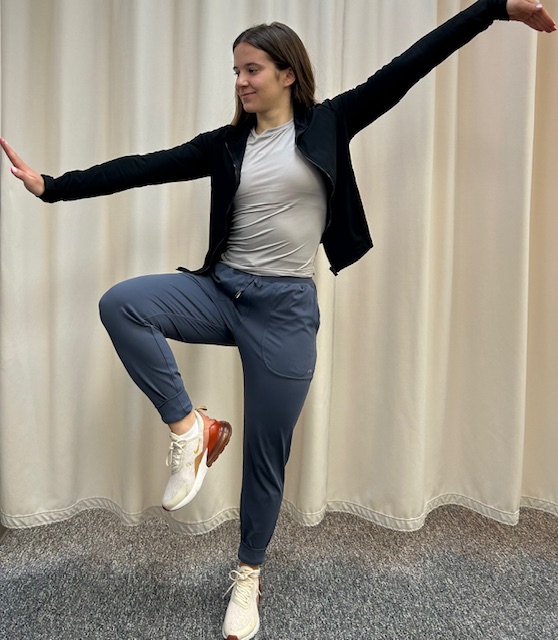
Deep and purposeful breathing, mental focus, body awareness and meditation are integral components of the exercise. The beauty of Tai Chi is not only in the physical form, but also in its safety for all levels of fitness. It is helpful for individuals from high level athletes to those with physical disabilities. The movements are natural and gentle without forcing the muscles and joints to extreme or uncomfortable positions. It is often used as an adjunct therapy in the wellness as well as rehabilitation of a variety of athletic (ACL surgery, joint replacements) and neurological conditions (Parkinson’s, MS, head trauma), to name a few. Based on the aforementioned Chinese study, Tia Chi can be applied as a technique to control or lower blood pressure, especially for those who cannot utilize traditional aerobic exercise.
Tai Chi has been found to offer many physical and mental benefits. Some of these include:
Muscle Strength – upper and lower body, trunk and core strength
Flexibility – participants report improved range of motion and flexibility of the spine and extremities
Balance and Proprioception – some studies report a reduction of falls due to a variety of sustained positionsand improved awareness of one’s body in space
Aerobic Conditioning - recent studies have found that participants have lower heart rate and blood pressure
Mental Health – through improved balance, strength, and flexibility, studies show participants have gained confidence and control as well as lower blood pressure and stress reduction.
All Tai Chi classes begin with four basic principles: warm-up, instruction, practice and breathing.
Warm-up- gentle easy motions to warm-up and loosen the joints and muscles to prevent injury.
Tai Chi Forms – “Short Forms” are beginner movements which are gentle, slow, and short in duration while “Long Forms” are more advanced.
Breath Work – gentle breathing combined with movement to relax the mind and focus energy
Don’t be intimidated by the language or history – Yang, Wu, Cheng are only brands of movements with a history of martial arts but this in no way impacts participation.
Get medical clearance – check with your physician to see if Tai Chi is safe for you. Some orthopedic or vestibular problems might require special attention.
Observe or take a beginner class – often available at local fitness clubs or senior centers. Research options in your area and find a friend to join you. Consider an introductory instructional video to get a feel for Tai Chi. (See local Tia Chi classes below)
Meet with an instructor – if it makes you more comfortable, make time to talk to an instructor before enrolling in a class.
Dress for success – wear loose-fitting clothes that allow for range of motion and comfortable shoes for balance and support.
Track your progress – use an app or keep a journal of your progress. Heart rate, blood pressure and endurance (the time you can hold a pose or tolerate a class) are easy to monitor.
Model: Lily Smith, University of Scranton Physical Therapy Student and PT aide at Mackarey Physical Therapy.
Sources: HarvardHealthPublishing; New Atlas; China Academy of Chinese Medical Sciences (CACMS); National Institutes of Health
Local Tai Chi Classes: Steamtown Yoga, Scranton, PA; Mission Yoga, Scranton, PA;Dragon’s Heart Tai Chi & Kung Fu, Clarks Summit, PA; Rothrocks Kung Fu & Tai Chi, Duryea, PA
For more information: HarvardHealth; www.taichihealth.com; www.treeoflifetaichi.com
EVERY MONDAY – Read Dr. Paul J. Mackarey “Health & Exercise Forum!” via Blog
EVERY SUNDAY in "The Sunday Times" - Read Dr. Paul J. Mackarey “Health & Exercise Forum!” in hard copy
This article is not intended as a substitute for medical treatment. If you have questions related to your medical condition, please contact your family physician. For further inquires related to this topic email: drpmackarey@msn.com
Paul J. Mackarey PT, DHSc, OCS is a Doctor in Health Sciences specializing in orthopaedic and sports physical therapy in Scranton and Clarks Summit. Dr. Mackarey is in private practice and is an associate professor of clinical medicine at Geisinger Commonwealth School of Medicine. For all of Dr. Mackarey's articles, visit our exercise forum!
This column is dedicated to the memory of John R. O’Brien, Esq., who recently passed due to medical complications associated with multiple sclerosis (MS). John was a source of joy and inspiration for those fortunate to have known him. Twenty years ago, John hesitantly agreed to contribute to my column on MS with two requirements: one, if the column would be valuable to those affected by MS and two, he would remain anonymous. When speaking with his dedicated wife, Sally, it became very apparent that any discussion of John’s life would be diminished if it was defined by the disease because he was committed to turning his “DISABILITY INTO AN ABILITY!”
With the help of his loving wife, family, friends, and devices such as an electric scooter and adaptive car, John not only lived but thrived! He was a skilled lawyer, a respected member of the Bar, and an active member of the community. John served on the executive committee of the Lackawanna Bar Association. In addition, the Lackawanna Pro Bono honored him recently. He also taught business law and healthcare law and coached Prep’s mock trial team.
John shared his thoughts with me about the challenges of redefining life… from Golf Club Champion to living with a physically disabling disease. Anyone who knew him would agree that he succeeded in doing so through his keen intellect and sharp wit and humor…his heart and brain overcompensated for his body! In addition to reading books in Latin and Greek, he had his crossword puzzles published in The New York Times and Los Angeles Times. In September 2023, John conducted an interview with presidential historian Doris Kearns Goodwin before a full house at the Scranton Cultural Center. Ms. Goodwin later reported that John was the most knowledgeable, effective and enjoyable interviewer she’s encountered.
John’s absence will be deeply felt and his legacy will continue to shape our community for years to come!
Multiple Sclerosis is a chronic disease. While it may lay dormant and stable for a period of time, living a healthy lifestyle will make a positive contribution toward how you and your family live with Multiple Sclerosis. Studies show that a life of family, love, and support are essential to maintain a positive attitude with a chronic illness. This combined with a healthy diet and proper exercise can contribute greatly toward taking control and living a relatively normal life with MS.
As I have mentioned in many other columns, studies show that people with good attitudes and great faith live longer than others. This is especially helpful when living with chronic disease like Multiple Sclerosis. The Cleveland Clinic offers some suggestions how to maintain a positive attitude:
Many sources, including the Cleveland Clinic suggest that exercise, when performed properly, can have a positive impact on Multiple Sclerosis symptoms both physically and psychologically. However, because you have a chronic illness, you should consult with you family physician and physical therapist before beginning an exercise program. They will advise you on the proper type and amount of exercise.
EVERY MONDAY – Read Dr. Paul J. Mackarey “Health & Exercise Forum!” via Blog
EVERY SUNDAY in "The Sunday Times" - Read Dr. Paul J. Mackarey “Health & Exercise Forum!” in hard copy
This article is not intended as a substitute for medical treatment. If you have questions related to your medical condition, please contact your family physician. For further inquires related to this topic email: drpmackarey@msn.com
Paul J. Mackarey PT, DHSc, OCS is a Doctor in Health Sciences specializing in orthopaedic and sports physical therapy in Scranton and Clarks Summit. Dr. Mackarey is in private practice and is an associate professor of clinical medicine at Geisinger Commonwealth School of Medicine. For all of Dr. Mackarey's articles, visit our exercise forum!
This column is dedicated to the memory of John R. O’Brien, Esq., who recently passed due to medical complications associated with multiple sclerosis (MS). John was a source of joy and inspiration for those fortunate to have known him. Twenty years ago, John hesitantly agreed to contribute to my column on MS with two requirements: one, if the column would be valuable to those affected by MS and two, he would remain anonymous. When speaking with his dedicated wife, Sally, it became very apparent that any discussion of John’s life would be diminished if it was defined by the disease because he was committed to turning his “DISABILITY INTO AN ABILITY!”
With the help of his loving wife, family, friends, and devices such as an electric scooter and adaptive car, John not only lived but thrived! He was a skilled lawyer, a respected member of the Bar, and an active member of the community. John served on the executive committee of the Lackawanna Bar Association and was recently honored by the Lackawanna Pro Bono. He also taught business law and healthcare law and coached Prep’s mock trial team.
John shared his thoughts with me about the challenges of redefining life… from Golf Club Champion to living with a physically disabling disease. Anyone who knew him would agree that he succeeded in doing so through his keen intellect and sharp wit and humor…his heart and brain overcompensated for his body! In addition to reading books in Latin and Greek, he had his crossword puzzles published in The New York Times and Los Angeles Times. In September 2023, John conducted an interview with presidential historian Doris Kearns Goodwin before a full house at the Scranton Cultural Center. Ms. Goodwin later reported that John was the most knowledgeable, effective and enjoyable interviewer she’s encountered.
John’s absence will be deeply felt and his legacy will continue to shape our community for years to come!
According to the National Multiple Sclerosis Society, Multiple Sclerosis affects approximately 400,000 people in the United States. Multiple Sclerosis is second only to trauma as the most common cause of neurological disability for those in early to middle adulthood. MS is almost three times as common in women. Multiple Sclerosis is very uncommon before adolescence or after 50. However, the risk increases from teen years to age 50.
Multiple sclerosis is considered to be an autoimmune disease. The immune system of the body does not work properly when it fails to attack and protect the body against substances foreign to the body such as bacteria. Instead, the system allows the body to attack normal tissues and create diseases such as MS, rheumatoid arthritis and lupus.
In MS, the immune system attacks the brain and spinal cord of the central nervous system. Each nerve has an outer covering of a fatty material (myelin) for insulation to improve the transmission and conductivity of impulses or messages to and from the brain. The damage to the myelin of the nervous system interrupts the ability of messages to travel to and from the brain, through the spinal cord and to other areas of the body such as the muscles in the arms and legs. Due to this “short circuiting” the brain becomes unable to send or receive messages. In multiple sclerosis, scar tissue or plaques (sclerosis) replaces the fatty myelin in “multiple” areas. This is also called demyelination.
The symptoms associated with MS vary greatly from person to person. The amount, frequency and speed of the demyelination process vary greatly and are directly related to the loss of strength and function in daily activities. Some people are independent and ambulatory with mild and infrequent episodes of weakness and disability and live a relatively normal life. Others suffer from frequent and aggressive episodes that significantly weaken and disable. Some common symptoms in the early stages include: muscle weakness, loss of coordination, blurred vision, pain in the eyes, double vision. Some common symptoms as the disease progresses are: muscle stiffness with muscle spasms, pain, difficulty controlling urination, difficulty thinking clearly.
The diagnosis of MS can be very difficulty in the early stages because the symptoms are often vague and temporary. Also, MS symptoms are very similar to other neurological problems. A neurologist will run several tests to rule out other possible problems. However, an MRI showing demyelination of the nerves is a primary confirmation.
Treatment for MS depends upon many factors and requires consultation with your physician. Some medications can control the frequency and severity of MS symptoms such as pain, weakness, and spasticity. Also, some drugs can slow the progression of certain types of MS. Additional treatments for MS include: diet, exercise, physical therapy, support groups, and counseling for the MS patient and their family. Part II of Multiple Sclerosis will discuss these options in further detail next week.
Visit your doctor regularly and listen to your body.
EVERY MONDAY – Read Dr. Paul J. Mackarey “Health & Exercise Forum!” via Blog
EVERY SUNDAY in "The Sunday Times" - Read Dr. Paul J. Mackarey “Health & Exercise Forum!” in hard copy - NEXT WEEK: PART II OF II - MULTIPLE SCLEROSIS
This article is not intended as a substitute for medical treatment. If you have questions related to your medical condition, please contact your family physician. For further inquires related to this topic email: drpmackarey@msn.com
Paul J. Mackarey PT, DHSc, OCS is a Doctor in Health Sciences specializing in orthopaedic and sports physical therapy in Scranton and Clarks Summit. Dr. Mackarey is in private practice and is an associate professor of clinical medicine at Geisinger Commonwealth School of Medicine. For all of Dr. Mackarey's articles, visit our exercise forum!
January is the time of year that many people set goals and resolve to be their very best. Not surprisingly, weight loss and fitness are the most common resolutions. It is also a time when many residents of NEPA will plan vacations and travel to warmer climates. Well, it may be that you can do both… This year consider visiting a “Fitness Resort.” According to “FitStays,” fitness resorts are rapidly gaining popularity for people of all sizes and shapes. Last week in Part I of “Fitness Resorts” we discussed value of fitness resorts. This week we will present “a typical day, how long you should stay, expected costs, and some recommended resorts.
A fitness resort is a vacation destination where travelers go to exercise and lose weight. Sometimes called a “weight loss resort”, “fitness retreat”, “wellness resort”, “weight loss boot camp”, or “adult fat camp”, fitness resorts around the United States cater to people of all shapes and sizes.
Most fitness resorts consist of pre-determined, calorie-limited menus to help travelers in their weight loss journey. Some resorts promote menus of 1,000 to 1,500 calories-per-day, which is fewer than most people burn naturally via their resting metabolic rate (RMR).
In addition to net-negative calories through nutrition, fitness resorts and retreats typically have an extensive workout plan as part of their standard program. Many resorts and retreats offer daily hiking, in addition to strength classes, cardio, sports, and other physical activities.
The combination of healthy nutrition and active exercise means that most visitors can expect to lose weight at a fitness resort. Specific weight loss goals are determined by which fitness resort you pick, how long you stay, and how strenuously you want to stick to the program.
Fitness resorts (fitness retreats) are not your average “Reality TV Fat Camp.” In fact, your do not have to be excessively overweight to attend as people of all shapes and sizes benefit and enjoy the experience. Thousands of people chose to visit fitness resorts and fitness retreats every year because they are looking for a healthy alternative to a typical vacation. Instead, many want to “kick-start” a healthy lifestyle in a controlled environment. The basic concept of combining a limited-calorie diet with daily exercise, most people will have net-negative calories every day, lose weight, and gain strength and endurance at a fitness resort—provided they stick to the program.
Typically, fitness resorts offer one week programs but multiple weeks with a variety of options are available. However, for the best outcomes and carryover, experts recommend 2-3 weeks for your first visit to a fitness resort.
Fitness resorts, like everything else, vary in cost. According to FitStay, programs cost as little as $1,500 per week (all-inclusive), while some are more than $7,000 per week.
To choose the best fit for you, your budget, and goals, visit fitstay.com. Remember, most fitness resorts are all-inclusive, meaning that you won’t need to budget any extra for food. The program includes meals. Also, when choosing a fitness resort consider: location (where would you like to travel?); cost (how much can you afford to spend?); how long can you stay (one, two or three weeks?)
NOTE: One of these includes a fitness retreat in our very own Pocono Mountains!
EVERY MONDAY – Read Dr. Paul J. Mackarey “Health & Exercise Forum!” via Blog
EVERY SUNDAY in "The Sunday Times" - Read Dr. Paul J. Mackarey “Health & Exercise Forum!” in hard copy
This article is not intended as a substitute for medical treatment. If you have questions related to your medical condition, please contact your family physician. For further inquires related to this topic email: drpmackarey@msn.com
Paul J. Mackarey PT, DHSc, OCS is a Doctor in Health Sciences specializing in orthopaedic and sports physical therapy in Scranton and Clarks Summit. Dr. Mackarey is in private practice and is an associate professor of clinical medicine at Geisinger Commonwealth School of Medicine. For all of Dr. Mackarey's articles, visit our exercise forum!