January is the time of year that many people set goals and resolve to be their very best. Not surprisingly, weight loss and fitness are the most common resolutions. It is also a time when many residents of NEPA will plan vacations and travel to warmer climates. Well, it may be that you can do both…this year consider visiting a “Fitness Resort!” According to “FitStays,” fitness resorts are rapidly gaining popularity for people of all sizes and shapes.
A fitness resort is a vacation destination where travelers go to exercise and lose weight. Sometimes called a “weight loss resort”, “fitness retreat”, “wellness resort”, “weight loss boot camp”, or “adult fat camp”, fitness resorts around the United States cater to people of all shapes and sizes.
Most fitness resorts consist of pre-determined, calorie-limited menus to help travelers in their weight loss journey. Some resorts promote menus of 1,000 to 1,500 calories-per-day, which is fewer than most people burn naturally via their resting metabolic rate (RMR).
In addition to net-negative calories through nutrition, fitness resorts and fitness retreats typically have an extensive workout plan as part of their standard program. Many resorts and retreats offer daily hiking, in addition to cardio and strength classes and assorted sports and other physical activities.
The combination of healthy nutrition and active exercise means that most visitors can expect to lose weight at a fitness resort. Specific weight loss goals will be determined by which fitness resort you pick, how long you stay, and how strenuously you want to stick to the program.
Fitness resorts (fitness retreats) are not your average “Reality TV Fat Camp.” In fact, you do not have to be excessively overweight to attend as people of all shapes and sizes benefit and enjoy the experience. Thousands of people chose to visit fitness resorts and fitness retreats every year because they are looking for a healthy alternative to a typical vacation. Instead, many want to “kick-start” a healthy lifestyle in a controlled environment.
Fitness resorts have been found to be effective for most attendees. The basic concept of combining a limited-calorie diet with daily exercise, most people will have net-negative calories every day, lose weight, and gain strength and endurance at a fitness resort—provided they stick to the program.
While some people report losing 1-3 pounds-per-week at a fitness resort, others experience much more success. Exactly how much you will lose will be dependent on a wide variety of factors, including the duration and intensity of your exercise and activities and the calories you consume. Inherently, men tend to lose weight more easily than women, and younger people typically have an easier time shedding pounds than older people.
Ideally, for long term success, a fitness resort program should be a part of a healthy lifestyle, rather than an absolute weight loss goal. Be aware that many “spas and wellness centers” entice people with lavish facilities in a beautiful environment but mostly offer passive modalities such as massage, meditation, acupuncture, manicures, pedicures and facials. While these modalities have value, if your goal is jump start on weight loss and physical fitness, a fitness resort may be a better option.
Most fitness resorts are not “diet retreats” or painful “boot camps.” With a little effort, you can easily find the right fit for you. You will not starve! While you need to limit caloric intake, you also need enough energy for the 3-6 hours of exercise and activities (swimming, biking, hiking, Zumba, Yoga) offered. There is no need to be intimidated as most attendees are like-minded people with the same goals and needs. A good resort will not only provide the right amount of calories and exercise for your goals but also educate you how to prepare meals and engage in proper exercise once you return home.
According to FitStays, most fitness resorts offer a set schedule and a camp-like experience for adults with three meals every day, usually prepared by expert nutrition staff and/or dietitians, designed around healthy foods. A typical morning begins with extended cardio exercises, such as a run, bike or hike. The afternoon may have more intense exercise classes such as strength training classes as well as more fun activities such as sports and games. Educational classes are offered throughout the day, so you can carryover the lessons from your fitness resort experience when you return home. Evenings are usually lighter to allow for leisure, rest, or spa services, which are also offered at many resorts.
NEXT WEEK: FITNESS RESORTS - PART II – A typical day at a fitness resort, recommended length stay, cost and top 20 recommended resorts.
EVERY MONDAY – Read Dr. Paul J. Mackarey “Health & Exercise Forum!” via Blog
EVERY SUNDAY in "The Sunday Times" - Read Dr. Paul J. Mackarey “Health & Exercise Forum!” in hard copy
This article is not intended as a substitute for medical treatment. If you have questions related to your medical condition, please contact your family physician. For further inquires related to this topic email: drpmackarey@msn.com
Paul J. Mackarey PT, DHSc, OCS is a Doctor in Health Sciences specializing in orthopaedic and sports physical therapy in Scranton and Clarks Summit. Dr. Mackarey is in private practice and is an associate professor of clinical medicine at Geisinger Commonwealth School of Medicine. For all of Dr. Mackarey's articles, please check out our exercise forum!
Last week we discussed the healthiest New Year’s Resolutions, however, given the fact that 80% of those who made resolutions will have failed by January 19th, this week I will recommend the use of technology to improve the odds…there is an App for that!
While some apps can be a waste of time, when you find the right app for you most polls show that it can be extremely helpful. They can be used for learning, socializing, calculating, writing, graphing, news, weather, music, school, money AND HELPING YOU KEEP YOUR NEW YEAR’S RESOLUTIONS!
According to “Per Statista,” the most common resolutions are as follows: save money (59%), exercise more (50%), more time with family and friends (40%), lose weight (35%), spend less money (26%), less time on social media (19%), and less job stress.
Goodbudget, YNAB (You Need A Budget), PocketGuard, and Quapital are some of the better budget Apps. Some of these Apps are free, while others require a nominal fee. In addition to tracking spending and saving, most allow you to set you own parameters and goals. Some helpful features are: moving money from checking into savings every time you buy a coffee.
In addition to wrist trackers like Fitbit and Smart Watches, there are exercise equipment options with programs and tracking like Peleton, Norditrack and exercise mirrors like Tonal. However, there are also specific Apps that help you set goals and see your progress. Some of these include: Fitness22, FitNotes, MyFitbnessPal and Strong. Some of these allow you to input your exercises and create graphs showing progress in body weight, fat percentage and more. These Apps are especially useful for those who dislike going to the gym.
While distance-base technology such as Skype, WhatsApp, and Zoom worked well to keep connected during the pandemic and after, there are other Apps that offer more personal ways. Cozi is one of the best as it offers a simple organizer that displays the schedule of the entire family to assist you in planning a get together. Cozi is a great option as a simple organizer that offers a clear visual representation of the entire family’s schedule. It not only shows when people are free but also tracks the amount of time you spend (or don’t spend) with these special people.
There are so many weight loss apps available that it is easy to get confused or overwhelmed. Some of the most popular with the best reviews are: Noom, Reverse Health, Perfect Body, WeightWatchers and MyFitnessPal. MyFitnessPal has the added benefit of tracking exercise and activity with a calorie expenditure report. Simply set a goal, enter food intake and exercise/activity output and the app calculates the rest. A bar-code scanner makes it even easier!
Keeping a better eye on finances and expenses is a common resolution, especially as the holiday bills come in. Stax Bill, NetSuite, Paystand and Rocket Money are highly rated. These apps help you budget, save, provide an income analysis and credit scores, and disclose recurring fees.
Reducing stress is another common resolution and learning stress management techniques and incorporating them into our daily lives is vital. Some of the highly rated apps are: Personal Zen, Sanvello, The Mindfulness App, Headspace and Moodfit. These apps not only give you the tools for managing stress but also provide insights into your mood patterns and stressors. In addition to a “blue mood” you can also track gratitude and other feelings. Also, nutrition, sleep, and medications, which can affect your mood, can also be tracked. Once a pattern is established, tools can be applied to reduce and manage stress.
While at first glance it may seem odd that one might use an app to stop using another app but…don’t rule it out! OneSec is an app that creates a 10 second delay after you open an app to allow you time to pause and take a deep breath before you indulge. It will also tell you how many times you have opened the app in the last 24 hours…you might be shocked!
SOURCE: LIFEHACKER
EVERY MONDAY – Read Dr. Paul J. Mackarey “Health & Exercise Forum!” via Blog
EVERY SUNDAY in "The Sunday Times" - Read Dr. Paul J. Mackarey “Health & Exercise Forum!” in hard copy
This article is not intended as a substitute for medical treatment. If you have questions related to your medical condition, please contact your family physician. For further inquires related to this topic email: mmptc@msn.com
Paul J. Mackarey PT, DHSc, OCS is a Doctor in Health Sciences specializing in orthopaedic and sports physical therapy. Dr. Mackarey is in private practice in Scranton and Clarks Summit and is an associate professor of clinical medicine at GCSOM. For all of Dr. Mackarey's articles, visit our exercise forum!
New Year’s Resolutions are very predictable. While most New Year Resolutions are health oriented, I purport that a healthy mind, body and spirit requires a healthy lifestyle. Interestingly, the ten most popular resolutions listed below, all have an impact on a healthy life.
SOURCE: A. Powell, About.com Guide
EVERY MONDAY – Read Dr. Paul J. Mackarey “Health & Exercise Forum!” via Blog
EVERY SUNDAY in "The Sunday Times" - Read Dr. Paul J. Mackarey “Health & Exercise Forum!” in hard copy
This article is not intended as a substitute for medical treatment. If you have questions related to your medical condition, please contact your family physician. For further inquires related to this topic email: drpmackarey@msn.com
Paul J. Mackarey PT, DHSc, OCS is a Doctor in Health Sciences specializing in orthopaedic and sports physical therapy. Dr. Mackarey is in private practice and is an associate professor of clinical medicine at GCSOM. For all of Dr. Mackarey's articles, visit our exercise forum!
As most sports enthusiasts know, Aaron Rodgers, former Green Bay Packer quarterback and recent New York Jets QB (for just over a minute and half) suffered a season ending injury when he tore his Achilles tendon in the first game of the 2023/24 NFL season. Since then, I have been answering many questions from patients and sports fans about the nature of the Achilles Tendon rupture injury, recovery, and how to prevent it.
As the days continue to get shorter and temperatures begin a slow steady decline, athletes and exercise enthusiasts will work harder to warm-up and exercise during the winter months. A little caution and preparation are in order to avoid muscle/tendon strain, or worse yet, muscle/tendon tears, especially Achilles Tendon rupture. The Achilles tendon is one of the more common tendons torn.
This is the second of two columns on Achilles tendon rupture. Last week, I discussed the definition, sign and symptoms of the problem. This week will present examination, treatment and outcomes.
A thorough history and physical exam is the first and best method to assess the extent of the injury and determine accurate diagnosis. While a complete tear is relatively easy to determine, a partial or incomplete tear is less clear. Ultrasound and MRI are valuable tests in these cases. X-rays are not usually used and will not show tendon damage.
Consultation with an orthopedic or podiatric surgeon will determine the best treatment option for you. When conservative measures fail and for tendons completely torn, surgical intervention is usually considered to be the best option with a lower incidence of re-rupture. Surgery involves reattaching the two torn ends. In some instances, a graft using another tendon is required. A cast or walking boot is used post-operatively for 6-8 weeks followed by physical therapy.
Most people return to close to normal activity with proper management. In the competitive athlete or very active individual, surgery offers the best outcome for those with significant or complete tears, to withstand the rigors of sports. Also, an aggressive rehabilitation program will expedite the process and improve the outcome. Walking with full weight on the leg after surgery usually begins at 6 -8 weeks and often requires a heel lift to protect the tendon. Advanced exercises often begin at 12 weeks and running and jumping 5-6 months. While a small bump remains on the tendon at the site of surgery, the tendon is well healed at 6 months and re-injury does not usually occur.
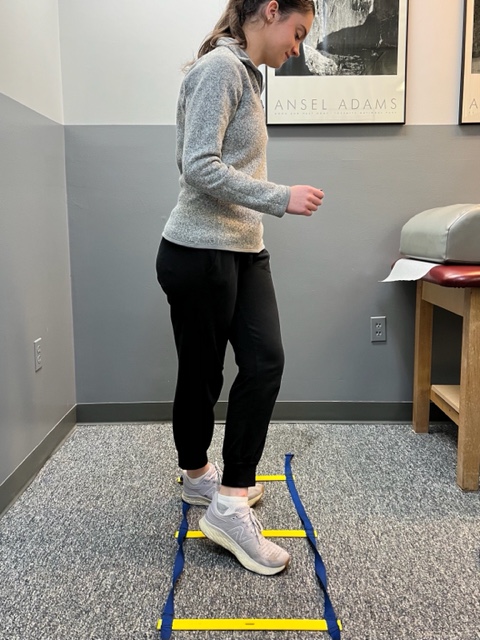
Prevention of muscle and tendon tears is critical for healthy longevity in sports and activities. In addition to the Achilles tendon, the tendons of the quadriceps (knee) and rotator cuff (shoulder) are also vulnerable. A comprehensive prevention program includes: gradual introduction to new activities, good overall conditioning, sport specific training, pre-stretch warm-up, stretch, strengthening, proper shoes, clothing, and equipment for the sport and conditions. Also, utilizing interval training, eccentric exercise (lowering body weight slowly against gravity – Photo 1) and proprioceptive and agility drills are essential (Photos 2 & 3).
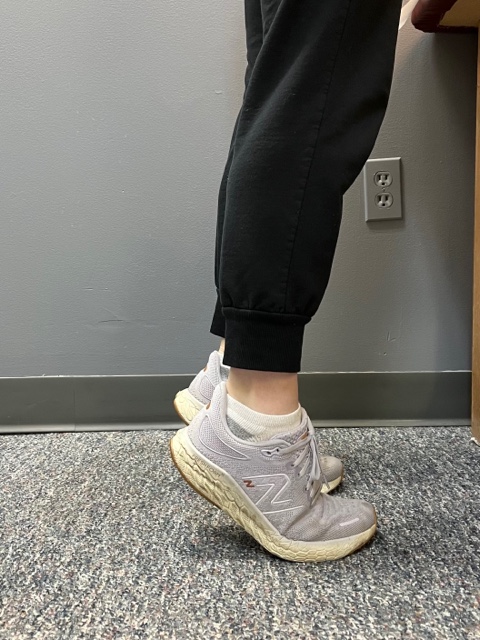
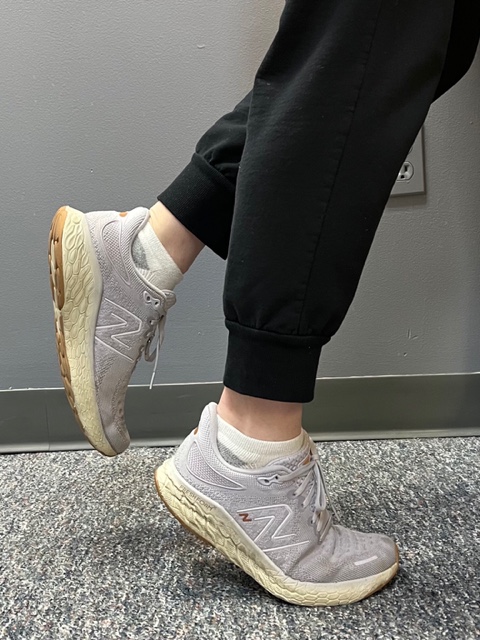
In PHOTO 1a & 1b: Eccentric Lowering and Lengthening: for the Achillies tendon during exercise. Beginning on the ball of both feet (1a), bend the strong knee to shift the weight onto the weak leg (1b). Slowly lowering the ankle/heel to the ground over 5-6 seconds. Repeat.
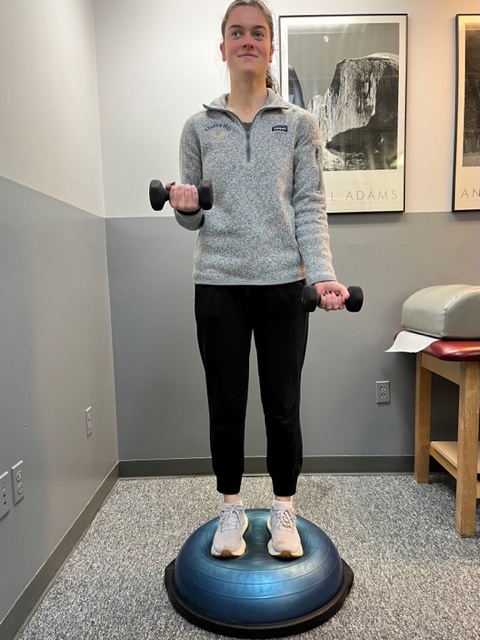
In PHOTO 2: Proprioceptive Training: for the Achillies tendon. Standing on a Bosu Ball while exercising the upper body (for example, biceps curls, shrugs, rows, lats) while maintaining balance on the ball.
PHOTO 3: Agility Drills: for the Achilles tendon involves stepping through a “gait ladder” in various patterns and at various speeds.
MODEL: Kerry McGrath, student physical therapy aide at Mackarey Physical Therapy
Sources: MayoClinic.com;Christopher C Nannini, MD, Northwest Medical Center;Scott H Plantz, MD, Mount Sinai School of Medicine
EVERY MONDAY – Read Dr. Paul J. Mackarey “Health & Exercise Forum!” via Blog
EVERY SUNDAY in "The Sunday Times" - Read Dr. Paul J. Mackarey “Health & Exercise Forum!” in hard copy
This article is not intended as a substitute for medical treatment. If you have questions related to your medical condition, please contact your family physician. For further inquires related to this topic email: drpmackarey@msn.com
Paul J. Mackarey PT, DHSc, OCS is a Doctor in Health Sciences specializing in orthopedic and sports physical therapy. Dr. Mackarey is in private practice and is an associate professor of clinical medicine at GCSOM. For all of Dr. Mackarey's articles, visit our exercise forum!
As most sports enthusiasts know, Aaron Rodgers, former Green Bay Packer quarterback and recent New York Jets QB (for just over a minute and half) suffered a season ending injury when he tore his Achilles tendon in the first game of the 2023/24 NFL season. Since then, I have been answering many questions from many about the nature of the injury and how to prevent it.
As the days continue to get shorter and temperatures begin a slow steady decline, athletes and exercise enthusiasts will work harder to “fit in” a warm-up before running or other activities during the winter months. But, no matter how limited time is, skipping the warm-up is risky. This time of year, one can expect to feel a little cold and stiff, especially if you are over 40, and therefore a little caution and preparation are in order to avoid muscle/tendon strain, or worse yet, muscle/tendon tears. The more commonly torn tendon is the Achilles tendon . Prevention of muscle tears, including the Achilles tendon includes; gradual introduction to new activities, good overall conditioning, sport specific training, pre-stretch warm-up, stretch, strengthening, proper shoes, clothing, and equipment for the sport and conditions.
A muscle contracts to move bones and joints in the body. The tendon is the fibrous tissue that attaches muscle to bone. Great force is transmitted across a tendon which, in the lower body, can be more than 5 times your body weight. Often, a tendon can become inflamed, irritated, strained or partially torn from improper mechanics or overuse. Although infrequent, occasionally tendons can also snap or rupture. A tendon is more vulnerable to a rupture for several reasons such as a history of repeated injections of steroids into a tendon and use of medications such as corticosteroids and some antibiotics. Certain diseases such as gout, arthritis, diabetes or hyperparathyroidism can contribute to tendon tears. Also, age, obesity and gender are significant risk factors as middle-aged, overweight males are more susceptible to tendon tears. Poor conditioning, improper warm-up and cold temperatures may also contribute to the problem.
Tendon rupture is very painful and debilitating and must not be left untreated. While conservative management is preferred, surgical management is usually required for complete tears. The purpose of this column is to present the signs, symptoms and management of Achilles tendon ruptures.
The Achilles tendon (also called the calcaneal tendon), is a large, strong cordlike band of fibrous tissue in the back of the ankle. The tendon (also called the heel cord) connects the powerful calf muscle to the heel bone (also called the calcaneus). When the calf muscle contracts, (as when you walk on the ball of your foot), the Achilles tendon is tightened, tension is created at the heel and the foot points down like pushing a gas pedal or walking on tip of your toes. This motion is essential for activities such as walking, running, and jumping. A partial tear of the tendon would make these activities weak and painful, while a full tear through the tendon would render these activities impossible.
With age, the Achilles tendon (and other tendons) gets weak, thin, and dehydrated, thus making it prone to inflammation, degeneration, partial tear or rupture. The middle-aged weekend warrior is at greatest risk. A full or complete tear (Achilles tendon rupture) usually occurs about 2 inches above the heel bone and is associated with a sudden burst of activity followed by a quick stop or a quick start or change in direction, as in tennis, racquet ball, and basketball.
In some instances, the tendon can be injured by a violent contraction of calf when you push off forcefully at the same time the knee is locked straight as in a sudden sprint. Other times, the tendon is injured when a sudden and unexpected force occurs as in a trip off a curb or sudden step into a hole or a quick attempt to break a fall.
EVERY MONDAY – Read Dr. Paul J. Mackarey “Health & Exercise Forum!” via Blog Next Week: Achilles tendon Part II of II.
EVERY SUNDAY in "The Sunday Times" - Read Dr. Paul J. Mackarey “Health & Exercise Forum!” in hard copy
This article is not intended as a substitute for medical treatment. If you have questions related to your medical condition, please contact your family physician. For further inquires related to this topic email: drpmackarey@msn.com
Paul J. Mackarey PT, DHSc, OCS is a Doctor in Health Sciences specializing in orthopaedic and sports physical therapy. Dr. Mackarey is in private practice and is an associate professor of clinical medicine at GCSOM. For all of Dr. Mackarey's articles, visit our exercise forum!
According to the American Diabetes Association (ADA) and the Centers for Disease Control (CDC), 11.3% of the population in the United States or almost 37.3 million adults and children has diabetes. Unfortunately, the number keeps rising and one-third of these people are not aware that they have the disease. It will be the purpose of this column to raise the level of consciousness through education and offer recommendations for lowering blood sugar levels naturally.
Perhaps no goal is more important to a person with diabetes than maintaining a healthy blood sugar level. When managed over time, healthy blood sugar levels can slow the onset of complications associated with the disease. According to the ADA, pre-diabetes, or impaired glucose tolerance, occurs when blood glucose levels are higher than normal (110 to 125mg/dl) but below type 2 diabetes levels (126mg/dl). 54 million Americans have pre-diabetes in addition to the 20.8 million with diabetes.
While medications are effective in maintaining blood sugar levels, for those who are borderline, there are effective ways to lower your blood sugar naturally. Your physician will determine which treatment is most appropriate for your problem. Also, maintaining your ideal body weight is always important.
SOURCES: The American Diabetes Association (ADA), CDC, NIH, and Lifescript
Visit your doctor reguLlarly and listen to your body.
EVERY MONDAY – Read Dr. Paul J. Mackarey “Health & Exercise Forum!” via Blog
EVERY SUNDAY in "The Sunday Times" - Read Dr. Paul J. Mackarey “Health & Exercise Forum!” in hard copy
This article is not intended as a substitute for medical treatment. If you have questions related to your medical condition, please contact your family physician. For further inquires related to this topic email: drpmackarey@msn.com
Paul J. Mackarey PT, DHSc, OCS is a Doctor in Health Sciences specializing in orthopaedic and sports physical therapy. Dr. Mackarey is in private practice and is an associate professor of clinical medicine at GCSOM. For all of Dr. Mackarey's articles, visit our exercise forum!
November is National Diabetes Awareness Month. This column will present information regarding type 1 and type 2 diabetes and the diagnosis and symptoms of the disease. Next week, Part II will present the role of exercise in the management of the disease.
What is it?
Diabetes is a disease where the hormone insulin is not adequately produced or used by the body. Insulin is needed for cells to take up glucose after it is broken down from sugars, starches and other food that we eat. When working properly, this provides the fuel necessary for activities of daily living. While the exact cause is not completely understood, genetics is known to play a big role. However, environmental factors such as obesity and inactivity have also been found to play a large role.
According to the American Diabetes Association (ADA) and the Centers for Disease Control (CDC), 11.3% of the population in the United States or almost 37.3 million adults and children has diabetes. Unfortunately, the number keeps rising and one-third of these people are not aware that they have the disease.
A Fasting Plasma Glucose Test (FPG) or an Oral Glucose Tolerance Test (OGTT) can be used to screen a person for diabetes or pre-diabetes. Due to the fact that it is easier, quicker and cheaper, the FPG is the recommended test by the ADA. A FPG test results between 110 and 125 mg/dl indicates pre-diabetes. A FPG of 126 mg/dl or higher indicates diabetes.
Type 1 diabetes occurs when the islet cells of the pancreas are destroyed and unable to produce insulin. Without insulin, the cells of the body are unable to allow glucose (sugar) to enter the cells of the body and fuel them. Without the hormone insulin, the body is unable to convert glucose into energy needed for activities of daily living. According to the ADA, 5-10% of Americans diagnosed with diabetes has type 1. It is usually diagnosed in children and young adults.
While type 1 diabetes is serious, each year more and more people are living long, healthy and happy lives. Some conditions associated with type 1 diabetes are: hyperglycemia, ketoacidosis and celiac disease. Some things you will have to know: information about different types of insulin, different types of blood glucose meters, different types of diagnostic tests, managing your blood glucose, regular eye examinations, and tests to monitor your kidney function, regular vascular and foot exams.
While symptoms may vary for each patient, people with type 1diabetes often have increased thirst and urination, constant hunger, weight loss and extreme tiredness.
Type 1 diabetes increases your risk for other serious problems. Some examples are: heart disease, blindness, nerve damage, amputations and kidney damage. The best way to minimize your risk of complications from type 1diabetes is to take good care of your body. Get regular checkups from your eye doctor for early vision problems, dentist, for early dental problems, podiatrist to prevent foot wounds and ulcers. Exercise regularly, keep your weight down. Do not smoke or drink excessively.
Type 2 is the most common type of diabetes as most Americans are diagnosed with type 2 diabetes. It occurs when the body fails to use insulin properly and eventually it fails to produce an adequate amount of insulin. When sugar, the primary source of energy in the body, is not able to be broken down and transported in the cells for energy, it builds up in the blood. There it can immediately starve cells of energy and cause weakness.
Also, over time it can damage eyes, kidneys, nerves or heart from abnormalities in cholesterol, blood pressure and an increase in clotting of blood vessels. Like type 1, even though the problems with type 2 are scary, most people with type 2 diabetes live long, healthy, and happy lives. While people of all ages and races can get diabetes, some groups are at higher risk for type 2. For example, African Americans, Latinos, Native Americans and Asian Americans/Pacific Islanders and the aged are at greater risk. Conditions and complications are the same as those for type 1 diabetes.
People with type 2 diabetes experience symptoms that are more vague and gradual in onset than with type 1 diabetes. Type 2 symptoms include feeling tired or ill, increased thirst and urination, weight loss, poor vision, frequent infections and slow wound healing.
Sources: NIH; American Diabetes Association; Harvard Health Publications
Visit your doctor regularly and listen to your body.
EVERY MONDAY – Read Dr. Paul J. Mackarey “Health & Exercise Forum!” via Blog
EVERY SUNDAY in "The Sunday Times" - Read Dr. Paul J. Mackarey “Health & Exercise Forum!” in hard copy
This article is not intended as a substitute for medical treatment. If you have questions related to your medical condition, please contact your family physician. For further inquires related to this topic email: drpmackarey@msn.com
Paul J. Mackarey PT, DHSc, OCS is a Doctor in Health Sciences specializing in orthopaedic and sports physical therapy. Dr. Mackarey is in private practice and is an associate professor of clinical medicine at GCSOM. For all of Dr. Mackarey's articles, visit our exercise forum!
Ankle swelling is a common symptom that occurs when your body retains fluid in the lower legs, ankles and feet. Most people have experienced it at some point in their lives and it often resolves on its own with elevation and muscle movement. While it is usually benign and occurs on both sides of the body, in some instances immediate medical attention is required. The most common causes of ankle swelling are:
Prolonged Positions – you have probably noticed swelling in your ankles and feet after a long trip by plane or car. Some may also experience symptoms after a long day at work sitting or standing in one position for an extended period of time. It may be the most common cause of lower leg swelling and easiest to resolve.
Diet- excessive salt in your diet is associated with swelling in the lower legs, especially when associated with other risk factors for swelling such as organ function or obesity.
Varicose Veins – when the valves in the blood vessels which carry blood from the legs back to the heart are damaged, blood and fluid can collect in the lower legs. Prolonged standing or sitting without intermittent movement with worsen the condition.
Pregnancy – during pregnancy, the body retains more fluids than usual and most women experience some form of swelling in the lower legs, ankles and feet.
Medications – certain drugs can cause fluid retention in the lower legs such as: anti-inflammatory medications, steroids, diabetes medications, antidepressants and cardiac medications.
Blood Clots – blockages in the blood vessels of the lower leg can limit the movement of fluid from the legs back to the heart. It is often present in only one leg and associated with warmth, pain, and cramping. It is a serious condition and requires immediate medical attention.
Trauma/Infection – after a trauma or injury such as an ankle sprain, bruise or fracture, the damaged tissue leaks fluid surrounding the affected area. Also, when specific area of the lower leg can becomes infected, as in the case of a cut or splinter in the ankle or foot that has not healed properly, swelling occurs in the surrounding tissues. These situations are often associated with warmth, pain and limited to the side of the injury. Treatment to injured tissues and the infection is required.
Lymphedema – swelling in the lower leg can occur when there is a blockage in the lymphatic system is blocked or when lymph nodes are removed in surgery for cancer. Medications, massage, compression garments, and elevation, can address the symptoms.
Obesity – due to the excessive weight placed on the tissues of the legs, ankle and feet and adipose tissue in the abdomen compressing blood vessels, obesity is one of the most common causes of lower leg swelling. It also complicates all of the above conditions associated with swelling in the legs.
Diseases – such as those of the kidney, heart, and liver are associated with swelling in the lower legs.
Change Positions – on a long plane ride or sitting all day at school or work – get up and walk around every 30-45 minutes. Set a timer on your phone to remind you.
Exercise – regular exercises keeps the muscles and blood vessels in you lower extremities healthier. Also, intermittent movement of the leg muscles throughout the day, even when sitting, serve to prevent swelling. Try ankle pumps and toe curls.
Elevation – when sitting or lying down, try elevating your ankles and feet on a pillow to allow gravity to assist fluid movement in your legs.
Low-Sodium Diet – read the labels on your food and you will be shocked by how much sodium is in most foods, especially canned soups and vegetables. But, there are low-sodium options and don’t add more salt to your food.
Weight Loss – maintaining a healthy BMI is the single best thing you can do, not only for lower leg swelling, but for your overall health and wellness.
Compression Socks – for most people, over-the-counter compression socks will adequately prevent fluid retention in the lower legs. For comfort, begin with the lightest compression possible. 12-15 or 15-20 mm of mercury is a good start and put them on as soon as you get up in the morning, before swelling begins.
Visit your doctor regularly and listen to your body.
EVERY MONDAY – Read Dr. Paul J. Mackarey “Health & Exercise Forum!” via Blog
EVERY SUNDAY in ”The Sunday Times - Read Dr. Paul J. Mackarey “Health & Exercise Forum!” in hard copy
This article is not intended as a substitute for medical treatment. If you have questions related to your medical condition, please contact your family physician. For further inquires related to this topic email: drpmackarey@msn.com
Paul J. Mackarey PT, DHSc, OCS is a Doctor in Health Sciences specializing in orthopaedic and sports physical therapy. Dr. Mackarey is in private practice and is an associate professor of clinical medicine at Geisinger Commonwealth School of Medicine. For all of Dr. Paul's articles, check out our exercise forum!
According to the National Institutes of Health, an estimated 19.1% of U.S. adults 18 and older had an anxiety disorder in the past year. Anxiety disorders were higher for females (23.4%) than for males (14.3%). An estimated 31.1% of U.S. adults experience an anxiety disorder at some time in their lives.
There are a wide variety of anxiety disorders and will vary by the objects or situations that induce them. However, the features of excessive anxiety and related behavioral disturbances are similar. Anxiety disorders can interfere with daily activities such as job performance, school work, and relationships. Symptoms include: distress, nausea, shortness of breath, bowel pattern changes, excessive perspiration, frequent laughing or crying, restlessness, and is often associated with depression. While there are many types and degrees of anxiety and there is no substitute for medical and psychological care, there are some simple and basic tools to help manage the problem…daily exercise is one easy, affordable and accessible suggestion for most. Multiple studies have discussed the incidence of unhealthy self management of anxiety, including the use of alcohol and recreational drugs.
Last week, I presented coping tips for the management of anxiety. In this column, I will discuss one of the most understated benefits of exercise – mental health! Specifically, aerobic exercise (exercise that increases your heart rate for 30 minutes or more) such as walking, biking, running, swimming, hiking, elliptical & stepper machines to name a few, is the secret to “runner’s high.” This exercise euphoria is not limited to runners alone, but all who engage in aerobic exercise are more likely to experience high energy, positive attitude and mental wellness.
Physical activity, specifically aerobic exercise, is a scientifically proven useful tool for preventing and easing anxiety and depression symptoms. Studies in the British Journal of Medicine and the Journal of Exercise and Sports Science found that anxiety and depression scores were significantly reduced in groups that engaged in aerobic running, jogging or walking programs, 30-45 minutes 3-5 days per week for 10-12 weeks, when compared to a control group and a psychotherapy counseling group.
According to research reported in sports medicine journals, exercise reduces anxiety and depression in two ways, psychologically (mentally) and physiological (physically).
Psychological or Mental Benefits of Exercise on Anxiety and Depression:
Physiological or Physical Benefits of Exercise on Anxiety and Depression:
Work hard to recognize and overcome these symptoms to begin an exercise program. An aerobic exercise routine should eventually lessen these symptoms.
Visit your doctor regularly and listen to your body.
SOURCES: University of Pittsburgh Medical Center (UPMC); National Institutes of Health (NIH); The American Journal of Sports Medicine
NEXT MONDAY – Read Dr. Paul J. Mackarey “Health & Exercise Forum!”
This article is not intended as a substitute for medical treatment. If you have questions related to your medical condition, please contact your family physician. For further inquires related to this topic email: drpmackarey@msn.com
Paul J. Mackarey PT, DHSc, OCS is a Doctor in Health Sciences specializing in orthopaedic and sports physical therapy. Dr. Mackarey is in private practice and is an associate professor of clinical medicine at GCSOM. For all of Dr. Paul's articles, check out our exercise forum!
According to the National Institutes of Health, an estimated 19.1% of U.S. adults 18 and older had an anxiety disorder in the past year. Anxiety disorders were higher for females (23.4%) than for males (14.3%). An estimated 31.1% of U.S. adults experience an anxiety disorder at some time in their lives.
There are a wide variety of anxiety disorders and will vary by the objects or situations that induce them. However, the features of excessive anxiety and related behavioral disturbances are similar. Anxiety disorders can interfere with daily activities such as job performance, school work, and relationships. Symptoms include: distress, nausea, shortness of breath, bowel pattern changes, excessive perspiration, frequent laughing or crying, restlessness, and is often associated with depression. While there are many types and degrees of anxiety and there is no substitute for medical and psychological care, there are some simple and basic tools to help manage the problem…daily exercise is one easy, affordable and accessible suggestion for most.
Multiple studies have discussed the incidence of unhealthy self management of anxiety, including the use of alcohol and recreational drugs. The University of Pittsburgh Medical Center (UPMC) recommends the following healthy tips for coping with anxiety:
1. Get Enough Sleep
Adequate sleep is critical for mental health. Unfortunately, anxiety can lead to sleeping problems and, according to the Anxiety and Depression Association of America (ADAA) inadequate sleep can worsen anxiety.
Seven to nine hours of sleep each night is recommended for most adults. The National Sleep Foundation recommends maintaining a regular schedule that includes going to bed at the same time each night and waking up at the same time each morning.
2. Practice Mindfulness Meditation
Incorporating meditation into your life can help you cope with anxiety, according to the National Center for Complementary and Integrative Health.
Research shows mindfulness meditation programs are effective in reducing anxiety and depression. UPMC offers a Mindfulness-Based Stress Reduction Course and a Beginners Guide to Meditation that have been proven to be very effective. Another option for reduction of anxiety and stress is Progressive Muscle Relaxation. This mind-body technique can be found in 5, 10, 15 or 20 minute videos.
3. Spend Time in Nature
How you deal with anxiety should include a walk in the forest or even a tree-lined park. In NEPA we are very fortunate to have access to beautiful walking and biking trails and state parks. Make time to enjoy them.
Research shows that “forest bathing,” long, slow walks in nature for health purposes, can lower blood pressure and relieve anxiety. A review of clinical trials published in the International Journal of Biometeorology found that salivary cortisol levels, biomarkers for stress, were significantly lower in groups who participated in forest bathing versus the control group.
4. Take up Yoga or Tai Chi
Yoga does more than increase your flexibility. It incorporates exercise, deep breathing, and meditation. Yoga is an all-in-one anti-anxiety activity, as shown in a review of body-centered interventions published in Frontiers in Psychology. Tai chi, a mix of meditation and martial arts, works much the same way.
5. Dance Therapy
That same research found that dance therapy, also known as movement therapy, reduces anxiety by engaging the body’s nervous system, which regulates how the body reacts to stress. In addition, dance/movement therapy increases production of serotonin, a chemical produced by the cells that’s responsible for mood.
6. Breathe Through It
When you begin to feel anxiety or a panic attack with symptoms such as: sweating, trembling, dizziness, rapid heartbeat and nausea, start to come on, “take a deep breath.” Research shows that slow deep breaths can calm you down and lower your heart rate while quick, shallow breaths can induce or worsen anxiety.
One breathing technique shown to reduce anxiety is diaphragmatic breathing. Using your diaphragm for deep breathing requires you to fill your lungs to capacity.
Breathe in slowly through your nose so that your stomach rises. Then, tighten the stomach muscles and exhale slowly through pursed lips. Repeat several times.
7. Limit Caffeine and Alcohol
Too much caffeine restricts blood vessels, which can increase blood pressure and contribute to anxiety. Coping with anxiety also doesn’t mean masking it with alcohol. Studies show that there is a complex relationship between alcohol and anxiety. While some may use alcohol and recreational drugs to mask the symptoms of anxiety (often leading to substance abuse disorder), some studies show that alcohol can interfere with the neurotransmitters that manage anxiety and prevent you from getting a good night’s sleep. Drinking to cope creates a sort of feedback loop, which makes the anxiety worse and can lead to alcohol dependence.
8. Check Your Medicine
Certain medicines, such as corticosteroids, asthma drugs, and others, can cause anxiety. Ask your doctor if any medicines you take may be a contributing factor.
9. Eat Healthy Foods
Keeping the body nourished is essential for all functions of life. New research shows that a healthy diet may affect more than just weight and energy levels. One example is a Mediterranean Diet, with lots of vegetables, fruits, beans, lentils, nuts, whole grains, extra virgin olive oil and a moderate amount of fish (especially those rich in omega-3 fatty acids), with limited use of red meat.
10. Keep a Journal
Keeping a journal can be a great way to keep track of your progress with anxiety and how your body responds to such situations. Tracing the triggers of anxiety can help you develop the skills to properly respond when put in anxious conditions.
11. Exercise Regularly
Exercise promotes the release of endorphins. These brain chemicals reduce the body’s reaction to pain and stress. They also produce a feeling of euphoria, or happiness, that’s comparable to morphine. Just five minutes of aerobic exercise can kick start these anti-anxiety effects, according to some studies. Next week in “Health & Exercise Forum” specific details about exercise for anxiety will be presented.
Talk to a Mental Health Professional
Chronic anxiety also can point to an underlying mental health issue. When your anxiety causes extreme distress or interrupts your ability to function on a daily basis, or when panic attacks are frequent and debilitating, it’s important to talk to your physician and ask for a referral to a mental health professional. They can provide a treatment plan, which may include specialized anti-anxiety medicine, psychotherapy, or both.
Visit your doctor regularly and listen to your body.
SOURCES: University of Pittsburgh Medical Center (UPMC); National Institutes of Health (NIH);
NEXT MONDAY – Read Dr. Paul J. Mackarey “Health & Exercise Forum!” Next week: Coping with Anxiety Part II This article is not intended as a substitute for medical treatment. If you have questions related to your medical condition, please contact your family physician. For further inquires related to this topic email: drpmackarey@msn.com
Paul J. Mackarey PT, DHSc, OCS is a Doctor in Health Sciences specializing in orthopaedic and sports physical therapy. Dr. Mackarey is in private practice and is an associate professor of clinical medicine at GCSOM. For all of Dr. Paul's articles, check out our exercise forum!