The list of diseases such as high blood pressure, diabetes, and stroke that can be managed, cured or prevented is endless. Certainly, cholesterol and heart disease are at the top of the list. Studies clearly demonstrate that managing cholesterol through education, medication, diet and exercise can significantly reduce the risk of heart disease.
Know your numbers. Learn the difference between unsaturated and saturated fats. Make yourself a student of healthy living through diet and exercise. Avoid fads and focus your effort on scientifically proven methods. Many experts feel that those with genetically high cholesterol should use exercise and diet to maintain health but will also need require the addition of a statin drug to manage cholesterol effectively.
There are many methods to lower your LDL (bad cholesterol). However, no method has been proven more successful than statin drugs. Multiple landmark studies confirm that for those individuals needing statin drugs to control their cholesterol, the benefits far outweigh the risks.
By inhibiting an enzyme in the liver, statin drugs limit the liver’s ability to produce cholesterol thereby significantly lowering LDL (bad cholesterol) and triglycerides and modestly increasing HDL (good cholesterol). As a result, their unique benefits include preventing and reducing plaque in arteries, stabilizing existing plaque, reducing inflammation of the arterial wall, and improving overall vascular function. Statin Drugs Include: Lipitor (atorvastatin); Lescol (fluvastatin); Mevacor (lovastatin); Pravachol (pravastatin); Zocor (simvastatin); Crestor (rosuvastatin).
Clinical studies that have shown that statin drugs significantly reduce the risk of heart attack and death in patients with proven coronary artery disease (CAD) and can also reduce cardiac events in patients with high cholesterol levels who are at increased risk for heart disease. And although statins are best known for lowering cholesterol, they may also have several other benefits: they may prevent Alzheimer’s disease, and they may also have a positive impact on diabetes and blood pressure.
Second only to statin drugs, no other method of the prevention of CAD has proven more effective than exercise, specifically aerobic exercise. It is well documented that physically active people have a lower incidence of CAD than sedentary people. For the prevention of CAD, the following exercises are defined as aerobic: High Amount/High Intensity – a caloric equivalent of jogging 20 miles per week at 65 -80 percent intensity, Low Amount/High Intensity – a caloric equivalent of jogging 12 miles per week at 65 to 80 percent intensity, Low Amount/Moderate Intensity – a caloric equivalent of walking 12 miles per week at 40 to 55 percent intensity.
Exercise is a valuable prevention tool on many levels: it reduces weight, LDL, and blood pressure, and it increases HDL. Research has found that the amount of exercise matters more than the intensity. For example, those exercising 5 or more days per week benefited more than those exercising less often. However, it is important to remember that ALL exercise groups showed improvement.
Following a Mediterranean diet is one way you can reduce CAD and cut your risks for other diseases. While no Mediterranean diet has more value than another, the following equation highlights the factors that make a Mediterranean diet so valuable. First, eat a variety of fruits, vegetables, whole grains, beans, nuts, and seeds, with olive oil as an important source of fat. Then, add moderate amounts of fish, poultry and fresh dairy. Finally, subtract red meat from your diet, or at least limit your consumption.
The Dietary Approaches to Stop Hypertension (DASH) diet is the American version of the Mediterranean diet and has been found to reduce blood pressure and LDL levels. It is rich in fruits and vegetables, moderate in low-fat dairy, and low in animal protein. It promotes the use of legumes and nuts as plant sources of protein.
Along with increasing your plant-based foods and decreasing your consumption of red meat, you may also want to replace some of the carbohydrates in your diet with proteins or monounsaturated fats. This switch can improve lipid levels.
Dietary soluble fibers such as pectin, wheat dextrin, and oat products will reduce LDL. Some suggest that a combination of soluble fiber with plant sterols may be beneficial. Walnuts, high in polyunsaturated fatty acids, have been shown to positively impact serum lipid levels. Almonds, pistachios and other nuts have shown similar results. Those consuming nuts more than four times per week showed the most significant improvement. Also, those with moderately high LDL who drank green tea once to twice per day while following a low-fat diet found more improvement in LDL reduction than they did with a placebo. Moderate alcohol consumption (1-2 drinks per day) has been shown to improve HDL levels. Red wine has the added antioxidant benefit even in its non-alcohol form.
Fat cells secrete chemicals that negatively affect lipid metabolism. “Maintaining a body that is slim and trim with consistent exercise and a low-calorie diet limited in saturated fats is the key”
While the internet is littered with information on thousands of supplements claiming to lower cholesterol and provide other life enhancing outcomes, few are proven effective. Of these, only fish oil, taken in concentrated high doses (> 6g/day) has been proven to lower triglycerides and LDL.
Multivitamins, soy proteins, and other grain products, while not cholesterol reducing, are valuable to many. But when it comes to reducing cholesterol, garlic, policosanol, Vitamin E, and isoflavone supplements have failed the scrutiny of scientific research. Plant sterols such as BenecolR sisosterol and campesterol, found in Promise activTM, have been shown to slightly reduce serum cholesterol levels; however, no studies have demonstrated their ability to lower the incidence of CAD. In fact, the Nutrition Committee of the American Heart Association has suggested that the general population not use these products until further studies determine their safety and efficacy, due in part to potential side effects.
EVERY MONDAY – Read Dr. Paul J. Mackarey “Health & Exercise Forum!” via Blog
EVERY SUNDAY in "The Sunday Times" - Read Dr. Paul J. Mackarey “Health & Exercise Forum!” in hard copy
This article is not intended as a substitute for medical treatment. If you have questions related to your medical condition, please contact your family physician. For further inquires related to this topic email: drpmackarey@msn.com
Paul J. Mackarey PT, DHSc, OCS is a Doctor in Health Sciences specializing in orthopedic and sports physical therapy in Scranton and Clarks Summit. Dr. Mackarey is in private practice and is an associate professor of clinical medicine at Geisinger Commonwealth School of Medicine. For all of Dr. Mackarey's articles, visit our exercise forum!

This column is repeated every year at this time with the intent of raising the level of awareness to prevent death or serious illness from heat stroke in athletes and other active people in hot, humid weather.
It is mid-July, and we have managed to survive two “heat waves” in NEPA. While it is important to have fun in the sun, please be mindful of how your body reacts to high humidity and heat and take appropriate precautions. Athletes are particularly vulnerable due to daytime practice sessions. In response to this potential problem, the PIAA has established acclimatization guidelines for fall sports beginning in August. Visit www.piaa.org for more information. Keep in mind, you don’t have to be running a marathon or playing football in full uniform to suffer from heat stroke. Adults 65 and older, and infants/young children (5 and younger) are vulnerable. Those with chronic conditions such as diabetes, cardiovascular diseases, and obesity are also at higher risk.
Heat stroke, one of the most serious heat-related illnesses, is the result of long-term exposure to the sun to the point which a person cannot sweat enough to lower the body temperature. The elderly and infants are most susceptible, and it can be fatal if not managed properly and immediately. Believe it or not, the exact cause of heatstroke is unclear. Prevention is the best treatment because it can strike suddenly without warning. It can also occur in non athletes at outdoor concerts, outdoor carnivals, or backyard activities.
Some “old school” folks think that wearing extra clothing and “breaking a good sweat” is an optimal goal for exercise. However, it may be potentially very dangerous in hot and humid conditions. When exercising in hot weather, the body is under additional stress. As the activity and the hot air increase your core temperature, your body will try to deliver more blood to your skin to cool it down. In doing so, your heart rate is increased, and less blood is available for your muscles, which leads to cramping and other more serious problems. In humid conditions, problems are magnified as sweat cannot be evaporated from the skin to assist in cooling the body.
The American Academy of Pediatrics and The American College of Sports Medicine have the following recommendations which are appropriate for both the competitive athlete and weekend warrior:
EVERY MONDAY – Read Dr. Paul J. Mackarey “Health & Exercise Forum!” via Blog
EVERY SUNDAY in "The Sunday Times" - Read Dr. Paul J. Mackarey “Health & Exercise Forum!” in hard copy
This article is not intended as a substitute for medical treatment. If you have questions related to your medical condition, please contact your family physician. For further inquires related to this topic email: drpmackarey@msn.com
Paul J. Mackarey PT, DHSc, OCS is a Doctor in Health Sciences specializing in orthopedic and sports physical therapy in Scranton and Clarks Summit. Dr. Mackarey is in private practice and is an associate professor of clinical medicine at Geisinger Commonwealth School of Medicine. For all of Dr. Mackarey's articles, visit our exercise forum!
It’s peak summer time … so make time to get to the water! Research shows that spending time outdoors has many positive effects on your health. Moreover, new research has found that being near a body of water makes us calmer and healthier. You know that special feeling you get when you drive to the lake or the beach and jump out of the car and smell the fresh air and hear the sound of splashing in the lake or the waves of the ocean? Well, it is not just because you’re on vacation…the water makes your muscles relax and breath deeper. Your brainwaves slow down to simulate the gentle roll of the water…lake or ocean! These “blue environments,” not to be confused with “blue zones” are the subject of extensive research at the University of Exeter Medical School in the UK.
Time spent near water promotes physical activity, general fitness and well-being. It is also associated with reducing the incidence of diabetes and other diseases associated with obesity. Additionally, time near the water slows down our heart rate, reduces stress hormones and improves mental health. In fact, the study also found that subconsciously, people consistently preferred pictures of natural environments (rivers, lakes, oceans) even when compared to attractive urban landscapes. In fact, urban landscapes with water (rivers, fountains etc) were far more popular than those without. And, health disparities between coastal and inland communities are more noticeable for low-income individuals who do not have the means to venture to the coast. This may be one of the reasons that four out of the five “Blue Zones” discovered by Dan Buettner are islands.
In addition to the benefits of being by a body of water, just being outdoors promotes better health and wellness:
Sources: NIH, Global News, Plume, L, University of Exeter Medical School in the UK.
EVERY MONDAY – Read Dr. Paul J. Mackarey “Health & Exercise Forum!” via Blog
EVERY SUNDAY in "The Sunday Times" - Read Dr. Paul J. Mackarey “Health & Exercise Forum!” in hard copy
This article is not intended as a substitute for medical treatment. If you have questions related to your medical condition, please contact your family physician. For further inquires related to this topic email: drpmackarey@msn.com
Paul J. Mackarey PT, DHSc, OCS is a Doctor in Health Sciences specializing in orthopedic and sports physical therapy in Scranton and Clarks Summit. Dr. Mackarey is in private practice and is an associate professor of clinical medicine at Geisinger Commonwealth School of Medicine. For all of Dr. Mackarey's articles, visit our exercise forum!

According to the United States Environmental Protection Agency, NEPA and all of Pennsylvania is experiencing a change in climate as indicated by a half a degree (F) in temperature, more frequent and heavy rainstorms and the tidal portion of the Delaware River is rising one inch every eight years. Last summer was one of our hottest on record and this summer more is expected. For those without air conditioning or access to a lake or pool, it will also be remembered as record setting warm temperatures. A local reader who cares for her elderly mother wrote to express her concern about dehydration in the elderly. Age, diet, illness and medications are some of the many reasons why elders suffer from dehydration not only in the summer heat, but year-round.
Next to oxygen, water is the nutrient most needed for life. A person can live without food for a month, but most can survive only three to four days without water. Even though proper hydration is essential for health, water gets overlooked as one of the six basic nutrients. Dehydration occurs when the amount of water taken into the body is less than the amount that is being lost. Dehydration can happen very rapidly (i.e. in less than eight hours). The consequences can be life threatening and the symptoms can be alarmingly swift.
In the body, water is needed to regulate body temperature, carry nutrients, remove toxins and waste materials, and provide the medium in which all cellular chemical reactions take place. Fluid balance is vital for body functions. A significant decrease in the total amount of body fluids leads to dehydration. Fluids can be lost through the urine, skin, or lungs. Along with fluids, essential electrolytes, such as sodium and potassium, are also perilously depleted in a dehydrated individual.
Dehydration is the most common fluid and electrolyte disorder of frail elders, both in long term care facilities and in the community! Elders aged 85 to 99 years are six times more likely to be hospitalized for dehydration than those aged 65 to 69 years. More than 18% of those hospitalized for dehydration will die within 30 days, and associated mortality increases with age. Men appear to dehydrate more often than women and dehydration is often masked by other conditions.
Elderly individuals are at heightened risk for dehydration for several reasons. Compared to younger individuals, their regulatory system (i.e. kidneys and hormones) does not work as well and their bodies have lower water contents. Older adults often have a depressed thirst drive due to a decrease in a particular hormone. They do not feel thirsty when they are dehydrated. This is especially true in hot, humid weather, when they have a fever, are taking medications, or have vomiting or diarrhea. They have decreased taste, smell, and appetite which contribute to the muted perception of thirst. Because of dementia, depression, visual deficits, or motor impairments, elderly people may have difficulty getting fluids for themselves. Many elderly individuals limit their fluid intake in the belief that they will prevent incontinence and decrease the number of trips to the bathroom. The medications that they are taking (e.g. diuretics, laxatives, hypnotics) contribute to dehydration.
Elders may suffer headaches, fainting, disorientation, nausea, seizure, a stroke, or a heart attack as a result of dehydration. The minimum daily requirement to avoid dehydration is between 1,500 (6.34 cups) and 2,000 ml of fluid intake per day. Six to eight good-sized glasses of water a day should provide this amount. Better hydration improves well-being and medications work more effectively when an individual is properly hydrated.
Those who care for the elderly whether at home or in a health care facility need to be alert to the following symptoms:
By the way, plain old tap water is a good way to replenish fluid loss. Keep in mind that some energy drinks not only have excess and unneeded calories but also contain sugar that slows down the rate at which water can be absorbed from the stomach. Consuming alcoholic and caffeinated beverages actually have an opposite, diuretic effect!
EVERY MONDAY – Read Dr. Paul J. Mackarey “Health & Exercise Forum!” via Blog
EVERY SUNDAY in "The Sunday Times" - Read Dr. Paul J. Mackarey “Health & Exercise Forum!” in hard copy
This article is not intended as a substitute for medical treatment. If you have questions related to your medical condition, please contact your family physician. For further inquires related to this topic email: drpmackarey@msn.com
Paul J. Mackarey PT, DHSc, OCS is a Doctor in Health Sciences specializing in orthopedic and sports physical therapy in Scranton and Clarks Summit. Dr. Mackarey is in private practice and is an associate professor of clinical medicine at Geisinger Commonwealth School of Medicine. For all of Dr. Mackarey's articles, visit our exercise forum!


Gretchen graduated from Philadelphia College of Pharmacy and Science, The University of Scranton, and received a Doctor of Pharmacy degree from Temple University.
Gretchen has been teaching for over 25 years at Rutgers University, Keystone College, Lackawanna College, The University of Scranton, and Marywood University. She has earned certifications in Pilates, yoga, barre and teaches all three locally. She has a Wellness and Lifestyle coaching certification from Harvard University.
Gretchen resides in Scranton with her husband, Timothy Welby, MD, and has three daughters – Casey, Kate, and Caroline.
Lifestyle Medicine, is not just a fad or buzzword that is overused in a plethora of health, fitness and wellness magazines, but is actually a medical specialty. It is the practice of using diet and exercise, along with other lifestyle modifications to prevent and manage disease. Lifestyle Medicine focuses on six pillars: healthy eating, physical activity, restorative sleep, stress management, positive social connections, and avoidance of risky substances.
The American College of Lifestyle Medicine was established in 2004. Since then, its membership and outreach have grown exponentially. Lifestyle medicine is currently the fastest-growing specialty in medicine. Its primary aim is to utilize evidence-based therapeutic lifestyle interventions to prevent/control chronic diseases such as cardiovascular disease, type II diabetes, and obesity. However, new data is emerging which expands the role of Lifestyle Medicine into many other areas, including chronic low back pain, sleep, hormonal disorders, Alzheimer’s Disease, chronic inflammatory conditions, and mental health, to name a few.
Lifestyle Medicine differs from conventional medicine in that its approach is not disease specific. Following the six pillars of Lifestyle medicine improves overall health. Conventional medicine targets and treats a specific disease process with medication or surgical intervention in a reactionary approach. Lifestyle medicine prevents or reverses the disease process through behavioral and dietary changes. In a perfect world, Lifestyle medicine and Conventional medicine can be combined to achieve the best results for some patients.
A JAMA study, published in 1993, linked unhealthy lifestyles with premature death. Since this study was published, the rates of cardiovascular disease and Type II diabetes have continued to climb. Obesity rates are at an epidemic level. 70% of American adults, and 22% of children fall into overweight/obese Body Mass Index (BMI) categories. According to the American Academy of Cardiology, only 6.8% of adult Americans meet the criteria for ideal cardiometabolic health, something the Academy calls a “Population Level Code Blue.”
In 2020, the American Heart Association issued a Presidential Advisory for 2030 Impact Goals. The overall goal is to improve morbidity and mortality through preventative measures. Interventions should be targeted earlier in childhood and young adulthood, where healthy habits can be formed with greater success and maximum outcomes. For example, physical activity is well established for its positive effects on cardiovascular health. Physical activity prevents clot and plaque build-up, is antiarrhythmic, and provides hemodynamic stability. Physical activity has also been shown to have psychological, emotional, and social benefits. The American Heart Association categorizes physical activity as a Level 1 (highest) intervention for primary prevention.
Lifestyle Medicine is rooted in evidence-based findings, and its efficacy is supported in scientific literature. A study published in the New England Journal of Medicine in 2002 examined the prevention of the onset of Type II Diabetes in prediabetic patients. Patients were divided into three groups: a placebo group, a metformin group (a type 2 diabetes medication), and a lifestyle intervention group. The metformin group received daily metformin (medication intervention). The lifestyle intervention group received education and prescriptive interventions/instructions on diet, exercise, and stress reduction. Patients were followed for three years. At the end of the study period, the metformin group saw a 31% incidence reduction of type II diabetes, and the lifestyle intervention group saw a 58% incidence reduction in type II diabetes (almost double that of the medication group).
Many examples abound, highlighting the ability of lifestyle medicine interventions for healthy outcomes. The advantages of lifestyle medicine over conventional medicine interventions are numerous. Medications come with side effects. Medication costs are rising and are often not fully covered by insurance programs. Often, current medications are not completely effective for treating disease. For example, Alzheimer’s Disease treatments are lacking. The Alzheimer’s Association International Conference emphasizes healthy lifestyle interventions. They stress adopting 4 or 5 healthy lifestyle factors to reduce the risk of Alzheimer’s dementia by 60%.
Healthy eating habits do not lead to serious side effects. Lifestyle interventions are within the patients’ control and may result in cost savings, potentially lowering food and medical bills. Because lifestyle intervention involves behavioral changes, the process requires time and effort, as well as investment in education and reinforcement to sustain healthy patterns. Motivating clients to make necessary changes and stick with those changes can be the biggest challenge. A Lifestyle/Wellness Coach may be employed to start the client on their journey. The coach works with the client to make choices that are adaptable to the client while fitting within the six pillars. The role of the coach is to hold space and provide guidance for the client, but not to “fix”, “rescue,” or “judge”. Coaching sessions last 30-60 minutes. Coaches and clients may meet 10 times over 3-12 months to establish patterns.
If you, like so many others, have not achieved your health and wellness goals using traditional methods, it may be worth considering Lifestyle Medicine. Focus on healthy eating (minimizing processed foods and sugar intake), physical activity (minimum 300 minutes per week), restorative sleep (between 7-9 hours per night), stress management (controlling anxiety and depression), positive social connections (consistent interactions with friends) and avoidance of risky substances (alcohol, tobacco/nicotine, illicit drugs) have evidence-based positive outcomes to prevent, manage and reverse chronic diseases.
Sources: More information about the six pillars of Lifestyle Medicine and specific intervention outcomes can be found @Balanced Living 570 on Facebook and Instagram!
Visit your doctor regularly and listen to your body.
EVERY MONDAY – Read Dr. Paul J. Mackarey “Health & Exercise Forum!” via Blog
EVERY SUNDAY in "The Sunday Times" - Read Dr. Paul J. Mackarey “Health & Exercise Forum!” in hard copy
This article is not intended as a substitute for medical treatment. If you have questions related to your medical condition, please contact your family physician. For further inquires related to this topic email: drpmackarey@msn.com
Paul J. Mackarey PT, DHSc, OCS is a Doctor in Health Sciences specializing in orthopedic and sports physical therapy in Scranton and Clarks Summit. Dr. Mackarey is in private practice and is an associate professor of clinical medicine at Geisinger Commonwealth School of Medicine. For all of Dr. Mackarey's articles, visit our exercise forum!
Allergies affect 30 % of adults and 40% of children in the United States. Avoiding the outdoors is often not an option…especially if you enjoy outdoor activities and sports. Not long ago, it was unthinkable that an athlete with serious allergies could compete at a high level, such as the Olympics. Now, in great part due to advanced research, medications and proper management, an Olympic gold medal for those suffering from allergies is a reality. Recently, the National Institute of Allergy and Infectious Disease at the National Institutes of Health have published research on this topic to provide a better understanding and make recommendations.
The most common allergic reactions which athletes suffer from are sneezing, itchy and watery eyes, runny nose and coughing. Moreover, 67% of those with these symptoms also suffer from asthma. The athlete in NEPA is particularly vulnerable when the pollen count is high during spring and fall for several reasons. One, after being indoors all winter, one might develop a heightened sensitivity to allergens. Also, increased rapid and deep breathing during exercise makes athletes more susceptible to significant symptoms when exposed to allergens such as tree, grass and weed pollens.
Sources: American College of Allergy, Asthma, and Immunology. National Athletic Trainers Association.
EVERY MONDAY – Read Dr. Paul J. Mackarey “Health & Exercise Forum!” via Blog
EVERY SUNDAY in "The Sunday Times" - Read Dr. Paul J. Mackarey “Health & Exercise Forum!” in hard copy
This article is not intended as a substitute for medical treatment. If you have questions related to your medical condition, please contact your family physician. For further inquires related to this topic email: drpmackarey@msn.com
Paul J. Mackarey PT, DHSc, OCS is a Doctor in Health Sciences specializing in orthopedic and sports physical therapy in Scranton and Clarks Summit. Dr. Mackarey is in private practice and is an associate professor of clinical medicine at Geisinger Commonwealth School of Medicine. For all of Dr. Mackarey's articles, visit our exercise forum!

Guest Author: Andrea Molitoris Kozlowski, PT, DPT - Andrea is a doctor of physical therapy and an associate at Mackarey Physical Therapy in Scranton and Clarks Summit.
May is national pet month! As we take a moment to celebrate our pets it is important to acknowledge the many contributions having a pet brings to our lives, not the least of which is improving our health and wellness. Pets have a long history of helping humans navigate daily life. In fact, the oldest record of having a pet date back 15,800 years ago in Turkey where archaeologists found dog remains buried with humans.
Pets come in many different shapes, sizes, and species. Whether you are a cat/dog person, a reptilian lover, or marine life enthusiast, having a pet that is right for you can enrich you life in many ways. If you have never had a pet before or might be thinking about adopting a new addition to the house, it is important to research first and know the right ways to care for your new friend in the best way possible. Being a responsible pet owner will help to flourish your relationship with your pet and make the time and bond you share a stronger and more positive experience.
Making an informed and thoughtful decision about getting a pet is important. Don’t be afraid to ask questions, do some research, or simply take some time to figure out the logistics of how adding a pet can influence your life. From personal experience, I could not imagine my life without my four-legged friends by my side to share, enjoy, and enrich my every day. Having a pet can be one of the best parts of life. Remember, although having a pet can be a small part of your life; to them, you are their whole life, so make sure it can be the best life possible. Together, you will form of a bond that in enhances you life in many ways, including your health and wellness!
Sources: https://newsinhealth.nih.gov/2018/02/power-pets
Visit your doctor regularly and listen to your body. Keep moving, eat healthy foods, and exercise regularly.
EVERY MONDAY – Read Dr. Paul J. Mackarey “Health & Exercise Forum!” via Blog
EVERY SUNDAY in "The Sunday Times" - Read Dr. Paul J. Mackarey “Health & Exercise Forum!” in hard copy
This article is not intended as a substitute for medical treatment. If you have questions related to your medical condition, please contact your family physician. For further inquires related to this topic email: drpmackarey@msn.com
Paul J. Mackarey PT, DHSc, OCS is a Doctor in Health Sciences specializing in orthopedic and sports physical therapy in Scranton and Clarks Summit. Dr. Mackarey is in private practice and is an associate professor of clinical medicine at Geisinger Commonwealth School of Medicine. For all of Dr. Mackarey's articles, visit our exercise forum!

May is National Bike Month! For those who have a bike, now might be a good time to dust it off and enjoy the many beautiful and well-maintained trails that are available at the Countryside Conservancy at Lackawanna State Park, other locations in the Abingtons or the Lackawanna Heritage Valley Authority. For those who don’t have a bike, it might be a good time to get one!
However, whether you head out for 5 or 50 miles, ensuring a proper bike fit should be on your checklist. Riding a bicycle that is properly fit for your style and body will not only help to prevent injury but allow for a more comfortable riding experience. There are many things to take into consideration when checking your bike fit. First and foremost, you must choose a bike that fits your style of riding.
For the sake of simplicity 3 basic styles of bikes include Road bikes, Hybrid bikes and Mountain bikes. Road bikes are designed for long distance riders, hybrid bicycles can be used for longer distance riders, but usually accommodate a recreational cyclist, and mountain bikes are designed for dirt or gravel and technical trails. The next component of ensuring a proper bike fit is making sure that you have a good foundation by choosing the right sized frame. To find the right sized frame you can use the following guidelines as a way to start or simply ask the local bike shop or bike fit consultant of your choice for help.
Now that you have right size for your bike you should adjust the components of the bike to allow for a more comfortable riding experience. Please use the diagram as a point of reference for the following tips. Also be sure to re-examine your bike fit after any bad falls. Keep in mind these measurements are meant to be used as a simple guideline and if you have any preexisting injuries or concerns please be sure to consult your local Physical Therapist or bike fit consultant.
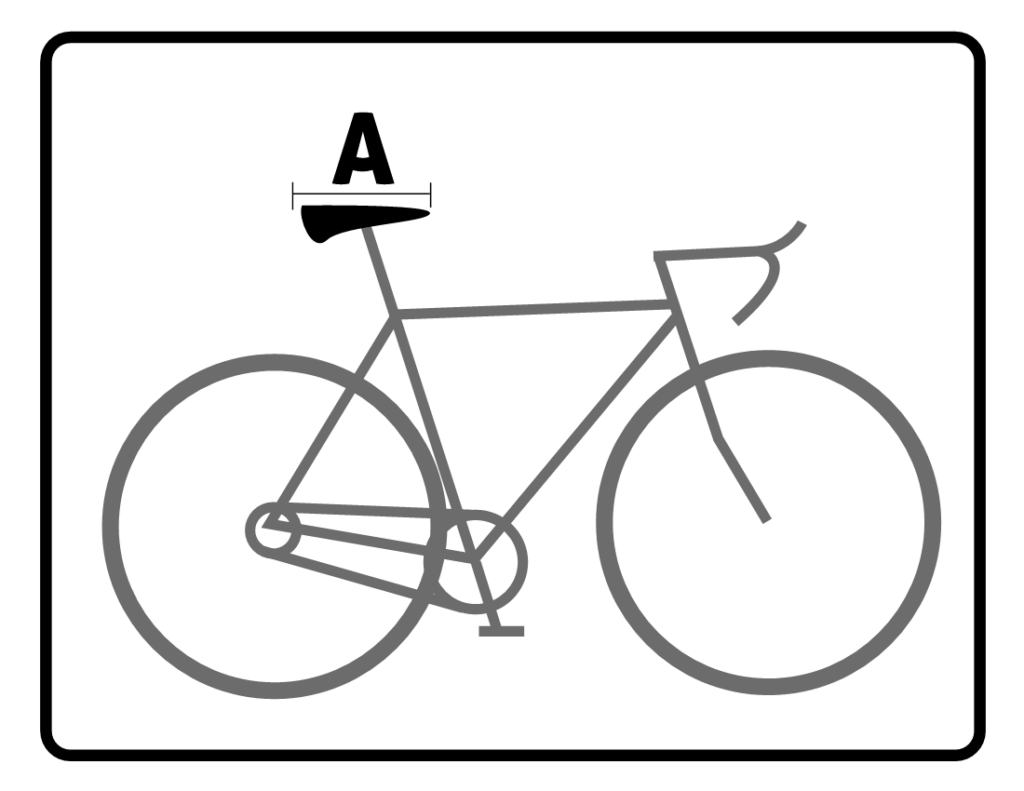
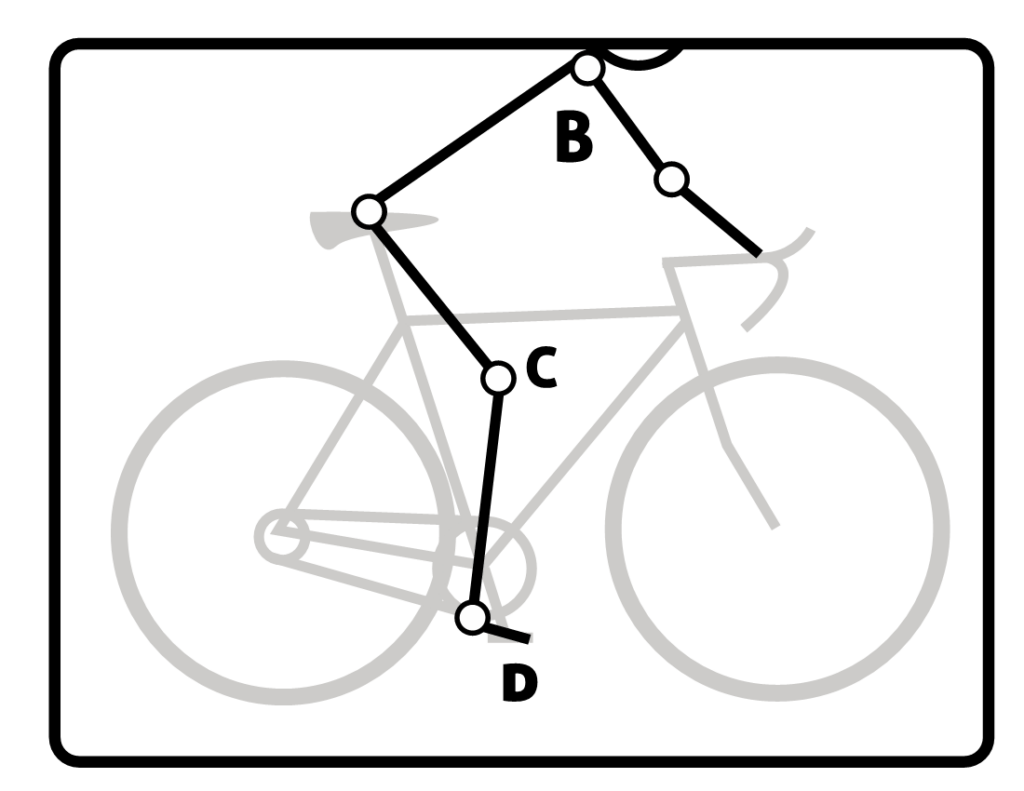
The knee to pedal measurement should be taken with the knee in the most extended position. There should be about a 25-35° angle at the knee (See “C” on diagram)
The ball of your foot should be over the pedal spindle (See “D” on diagram). This will allow for the best leverage, comfort and efficiency. Using a stiff soled shoe is recommended.
If you are a recreational cyclist, it’s a good idea to take all the proper steps in preventing injury. This article can be used as a reference point to help to prevent common cycling injuries, enhance your comfort and improve your riding efficiency. If you have any further questions about enhancing your bike fit, please contact your local physical therapist or bike fit consultant.
Sources: REI.com, APTA.org
Contributions & Illustrations: Sarah Singer, BFA, PTA
Visit your doctor regularly and listen to your body.
Keep moving, eat healthy foods, and exercise regularly
EVERY MONDAY – Read Dr. Paul J. Mackarey “Health & Exercise Forum!” via Blog
EVERY SUNDAY in "The Sunday Times" - Read Dr. Paul J. Mackarey “Health & Exercise Forum!” in hard copy
This article is not intended as a substitute for medical treatment. If you have questions related to your medical condition, please contact your family physician. For further inquires related to this topic email: drpmackarey@msn.com
Paul J. Mackarey PT, DHSc, OCS is a Doctor in Health Sciences specializing in orthopedic and sports physical therapy in Scranton and Clarks Summit. Dr. Mackarey is in private practice and is an associate professor of clinical medicine at Geisinger Commonwealth School of Medicine. For all of Dr. Mackarey's articles, visit our exercise forum!

Spring sports and outdoor activities are here…tennis, pickleball, baseball, soccer, running, walking, hiking, golfing, etc. One of the most common injuries associated with physical activity, especially after a sedentary winter or change in temperature is a “pulled hamstring.” This painful injury is not only for the weekend warrior. Well-trained, healthy and fit professional athletes often have their season interrupted for weeks and months due to a hamstring injury. What is the hamstring? How is it injured? What is the best treatment?
A hamstring strain is a tear of the muscle fibers of the muscle group in the back of the thigh called the hamstring. The hamstring muscle is a group of three muscles that run from the back of the hip (lower pelvis), crossing the back of the knee and attaches to the knee bone (tibia). The hamstring muscles work to extend the hip and bend the knee during running and walking activities. They are very active when an athlete changes direction, especially forwards and backwards or decelerating. This injury, like others muscle strains, varies in intensity.
Severe hamstring strain occurs when many muscle fibers are torn. The athlete may experience a sudden onset of severe pain in the back of the thigh and occasionally report a popping sensation. Pain, swelling and black and blue skin from tissue damage and bleeding is often reported. Also, pain is reproduced when attempting to bend the knee. In very severe cases, the boney attachment can be pulled so strongly that a small fracture can occur. Healing time can be as short as a few days or as long as weeks or even months.
Your family physician will examine the back of your leg to determine if you have hamstring strain. Sometimes, pain in the buttocks and back of the leg can be referred from your lower back if the sciatic nerve is inflamed. In more advanced cases, you may be referred to an orthopedic surgeon for further examination and treatment. An X-ray, MRI or bone scan will show the extent of the tear and if the bone is involved. The diagnosis will determine if your problem is minor, moderate or severe.
There are many conservative options. Your family physician or orthopedic surgeon will help you decide which choices are best.
Recent studies have determined that a training program specifically designed to prevent hamstring injuries is effective, especially for the competitive athlete. This program includes:
SOURCES: Journal of Physical Medicine & Rehabilitation and American Academy of Orthopaedic Surgeons
Visit your doctor regularly and listen to your body.
EVERY MONDAY – Read Dr. Paul J. Mackarey “Health & Exercise Forum!” via Blog
EVERY SUNDAY in "The Sunday Times" - Read Dr. Paul J. Mackarey “Health & Exercise Forum!” in hard copy
This article is not intended as a substitute for medical treatment. If you have questions related to your medical condition, please contact your family physician. For further inquires related to this topic email: drpmackarey@msn.com
Paul J. Mackarey PT, DHSc, OCS is a Doctor in Health Sciences specializing in orthopedic and sports physical therapy in Scranton and Clarks Summit. Dr. Mackarey is in private practice and is an associate professor of clinical medicine at Geisinger Commonwealth School of Medicine. For all of Dr. Mackarey's articles, visit our exercise forum!
A health column about sugar for Easter??? Well, maybe this information will be more appropriate next week! For those trying to lose weight or “get in shape” for the “bathing suit season,” a better understanding of the role sugar plays in your diet and overall health may be valuable. You have probably noticed a lot of attention being paid to sugar lately. Many television stars and other celebrities have shared their experiences using a “sugar cleanse” when they need to lose a few pounds and get healthier.
I have had several patients and friends tell me the same thing. For 4-6 weeks these people decide to avoid all refined sugars with the goal of losing weight and improving their health and wellness. Well, what is all the fuss about? Terms like simple sugars and simple carbs, which are purported to be bad, and complex carbs, suggested to be good, are being used ad nauseam. While medical research does not support the value of a short term “sugar cleanse,” it may have value for another reason. For example, it would be very beneficial if one engages in a “sugar cleanse” for the purpose of changing their palate with the hope of developing long term healthy eating habits, especially for those with diabetes…to be implemented AFTER the Easter candy has been consumed!
So, with this in mind, I decided to find the answers to some simple questions about the fuss over sugar. What is a simple sugar? What is a complex sugar? Which sugars are good for you?
Sugars, along with starches and fibers, are one of three types of carbohydrates (also referred to as a carb). A carb is “simple” or “complex,” based on its chemical composition and how it is processed in the body. It gets a little complicated because some foods have both simple and complex carbs. Typically, simple carbs are chemically more “simple” and basic, and therefore they are broken down more easily and serve as a quick source of energy. Some of these carbs are naturally simple (like fruit and milk) while others are processed or refined sugars such as those used in candy, soda and baked goods.
To determine if a food product has good or bad simple sugar, you must also know how much fiber, vitamins and minerals are in the food. A food with a higher sugar content combined with a low fiber, vitamin or mineral content will be worse than a food with the same sugar content but high fiber and vitamins or minerals. For example: a candy bar, which is high in sugar without fiber or vitamins or minerals, is not as healthy as a fresh orange, which contains fiber, vitamins and minerals along with its simple sugar (fructose).
Complex carbs have a more complicated chemical makeup and take more time for the body to break down for use as energy. Therefore, these are considered “good” carbs because they provide a more even distribution of energy for the body to use during activity. They cause a more consistent and gradual release of sugar into the blood stream (as opposed to peaks and valleys caused by simple carbs) and provide energy to function throughout the day. Additionally, “good” carbs have the added benefit of providing vitamins, fiber, and minerals that are missing from simple carbs.
Remember that carbohydrates fuel the body and are an important source of energy, especially for active and athletic people. However, carefully selecting the type of carb you eat is critical to peak function and performance.
Simple carbs taste great (according to our modern brain raised on simple sugars) and are easy to break down into a quick source of energy. However, the sensation of hunger is quick to return because the sugar is released and used up in the body quickly, giving the sensation of needing more.
Simple carbs are often “refined” and therefore stripped of their fiber, vitamins and minerals, which is why they are often referred to as “empty” calories.
Simple carbs lead to rapid spikes in blood sugar and insulin levels after meals. When these levels are not controlled over time, it can lead to obesity, which is ultimately related to adult-onset diabetes and high blood pressure.
Sources: www.everydayhealth.com; www.yourdictionary.com; Mayo Clinic
Visit your doctor regularly and listen to your body
EVERY MONDAY – Read Dr. Paul J. Mackarey “Health & Exercise Forum!” via Blog
EVERY SUNDAY in "The Sunday Times" - Read Dr. Paul J. Mackarey “Health & Exercise Forum!” in hard copy
This article is not intended as a substitute for medical treatment. If you have questions related to your medical condition, please contact your family physician. For further inquires related to this topic email: drpmackarey@msn.com
Paul J. Mackarey PT, DHSc, OCS is a Doctor in Health Sciences specializing in orthopedic and sports physical therapy in Scranton and Clarks Summit. Dr. Mackarey is in private practice and is an associate professor of clinical medicine at Geisinger Commonwealth School of Medicine. For all of Dr. Mackarey's articles, visit our exercise forum!