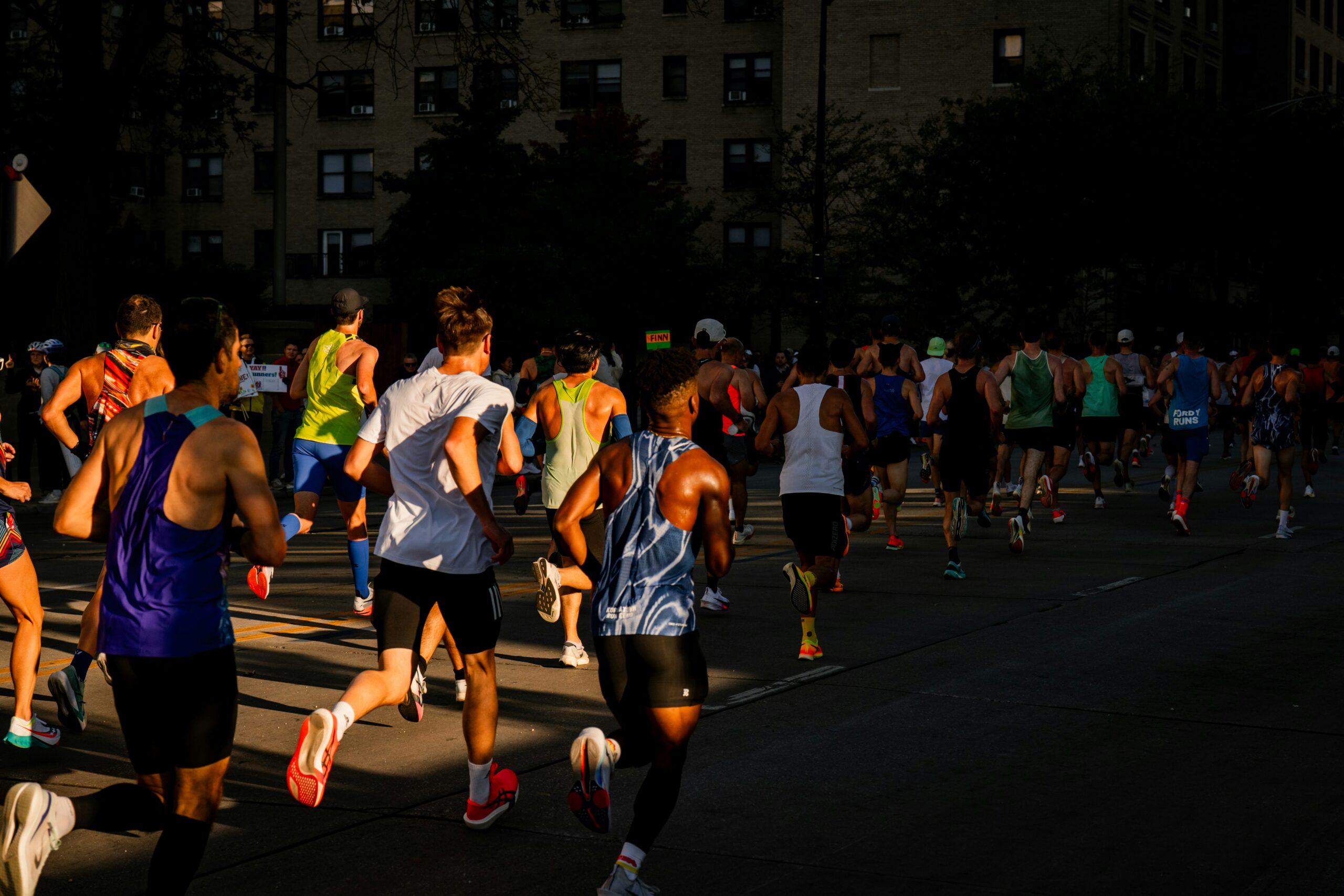
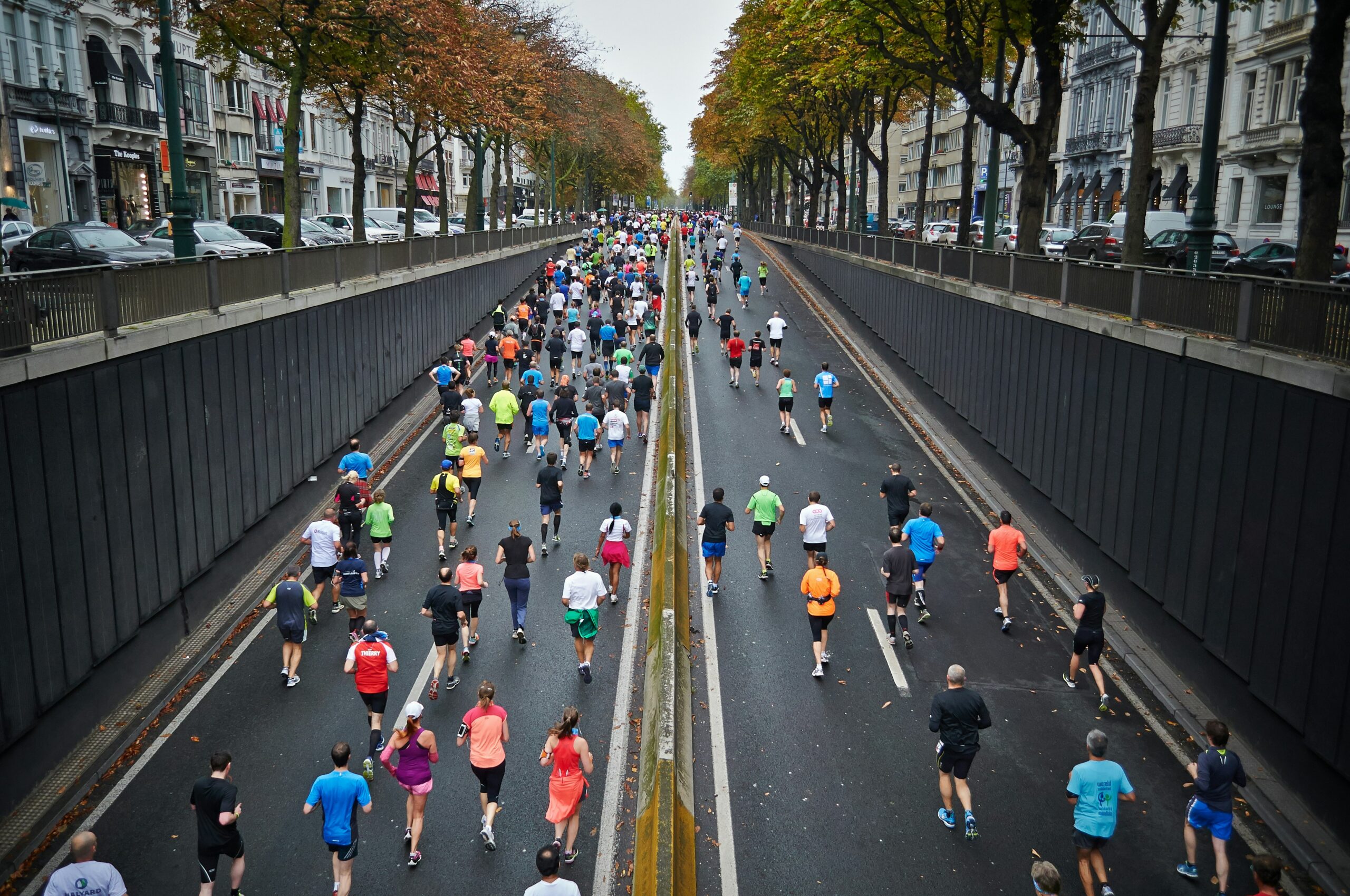
It is one week away from the 29th Steamtown Marathon. This column is dedicated to all the runners preparing for the big day. One small piece of advice; start slowly, avoid the first mile adrenaline sprint downhill, and enjoy the journey! Remember, only one Olympic marathon winner (Juan Zabala, Argentina, 1932) was in the lead at the 5 mile mark. Lesson: The last miles matter more than the first!
Today, I hope to address some common questions for the novice marathon runner or for those coming from other locations to run in the race. What should you pack? How should I dress? What supplies will I need?
Elite runners are so experienced that they know exactly what to pack in preparation for the big day. However, those, running in marathon for the first or second time usually have lots of questions. First, what you need and what you can bring will depend on your support team. If you are running alone and will not have family or friends meeting you along the way, then you are limited to a fanny pack and a few supplies. If you have a support team, then they can carry a bag with supplies, meet you along the course and you can have a sense of security.
Remember; do not do anything different on race day. Try out special clothing, water with supplements and snacks on a practice run. Also, experiment with your best pre-race meal. You will be getting up at 5-6:00am to catch the bus from Scranton to Forest City. You may want to pack breakfast to eat in the high school gym such as; bagel, peanut butter, jelly, banana and coffee or Gatorade. Moving your bowels before the race is a must.
Marathon Musts:
Dress:
Columbus Day Weekend in NEPA could bring 30 to 40 degree temperatures when you catch the bus in Scranton and at the 8:00 am race starting time in Forest City.
Clothing:
Hat and Gloves: Wearing a hat, light gloves can be a good idea. DryTech materials are best to prevent retention of sweat.
Long Sleeve Shirt and Light Jacket may be necessary. Wearing old items are best so they can be discarded along the way once you are warmed up.
Remember, any extra items can be placed in a labeled bag at the starting line and will be transported to the finish line for your convenience. So, if it’s a cold morning, wear a jacket and warm up pants on the bus to the starting line and “bag it!”
Accessories:
Sunglasses and Sunscreen: If sun and warm temps are forecasted, sunglasses are best placed on top of your hat until needed and sunscreen applied before the race.
Skin Lubrication: Lubricate your skin with petroleum jelly in areas of potential friction such as arm pits, nipples, thighs and feet.
Dry Tech Clothing: Wear dry tech protects, including shirt, underwear and socks, to prevent excessive moisture and friction.
Favorite Water Source and Snack: Water and light snacks will be provided every 2 miles but sometimes it is good to have your own favorites, especially in the high school gym before the race.
FANNY PACK – Especially for those running without a support team
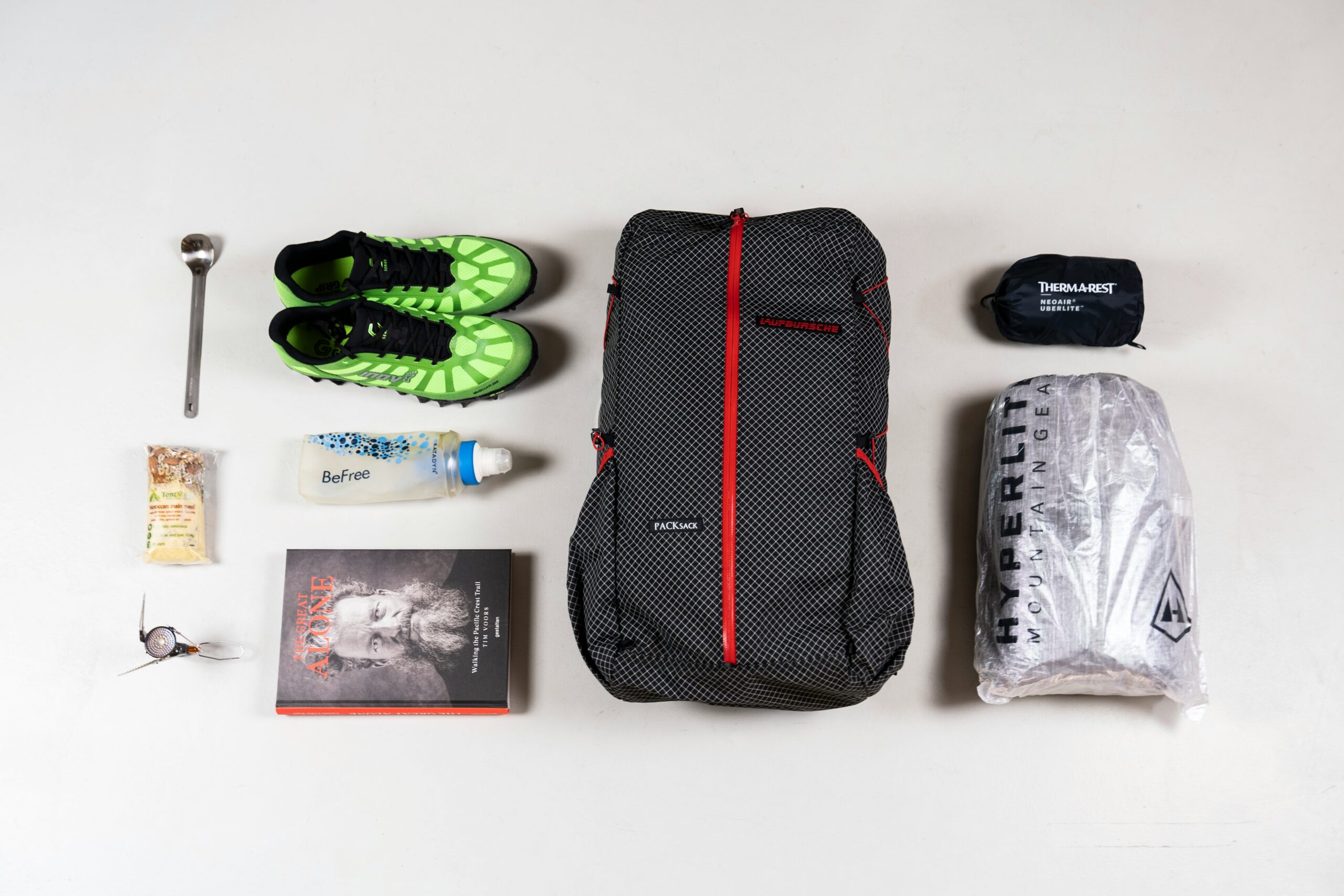
If you don’t mind the little pack on your butt, a fanny pack can be valuable. In it, you will want supplies such as: small bandages, small roll of medical tape, ibuprofen, antacid tablets, small tube of lubricant, favorite running snack, and extra shoe laces. One might also consider packing a little money, credit card, ID, emergency contact numbers and medical insurance cards. A cell phone is optional.
SUPPLY BAG – For those with support team
Have your support team meet you at prearrange locations along the race route and bring your supply bag. In the bag, you might consider all of the above fanny pack items and: A change of clothes such as: extra running shoes, socks, shorts, shirt, water proof wind breaker, according to the weather, especially if rain is predicted. Towels, ace bandages, gauze pads and wrap, antibiotic cream, mole skin, sunscreen, petroleum jelly, safety pins, extra water and favorite sport drink, favorite sport snacks, extra ibuprofen, antacid, anti diarrhea medicine, chemical ice pack, mobile phone, money, credit cards, ID, medical insurance cards.
For those with allergic reactions, remember to pack: epinephrine, antihistamine, and other important medications.
Don’t Forget: Map and directions to the bus or starting line, course map, race number, and get your timing chip.
Enjoy! Enjoy! Smell the roses, take in the fall foliage and chat with a fellow racer. Savor the marathon moment and enjoy the day…you are doing something very special!
EVERY MONDAY – Read Dr. Paul J. Mackarey “Health & Exercise Forum!” via Blog
EVERY SUNDAY in "The Sunday Times" - Read Dr. Paul J. Mackarey “Health & Exercise Forum!” in hard copy
This article is not intended as a substitute for medical treatment. If you have questions related to your medical condition, please contact your family physician. For further inquires related to this topic email: drpmackarey@msn.com
Paul J. Mackarey PT, DHSc, OCS is a Doctor in Health Sciences specializing in orthopedic and sports physical therapy in Scranton and Clarks Summit. Dr. Mackarey is in private practice and is an associate professor of clinical medicine at Geisinger Commonwealth School of Medicine. For all of Dr. Mackarey's articles, visit our exercise forum!
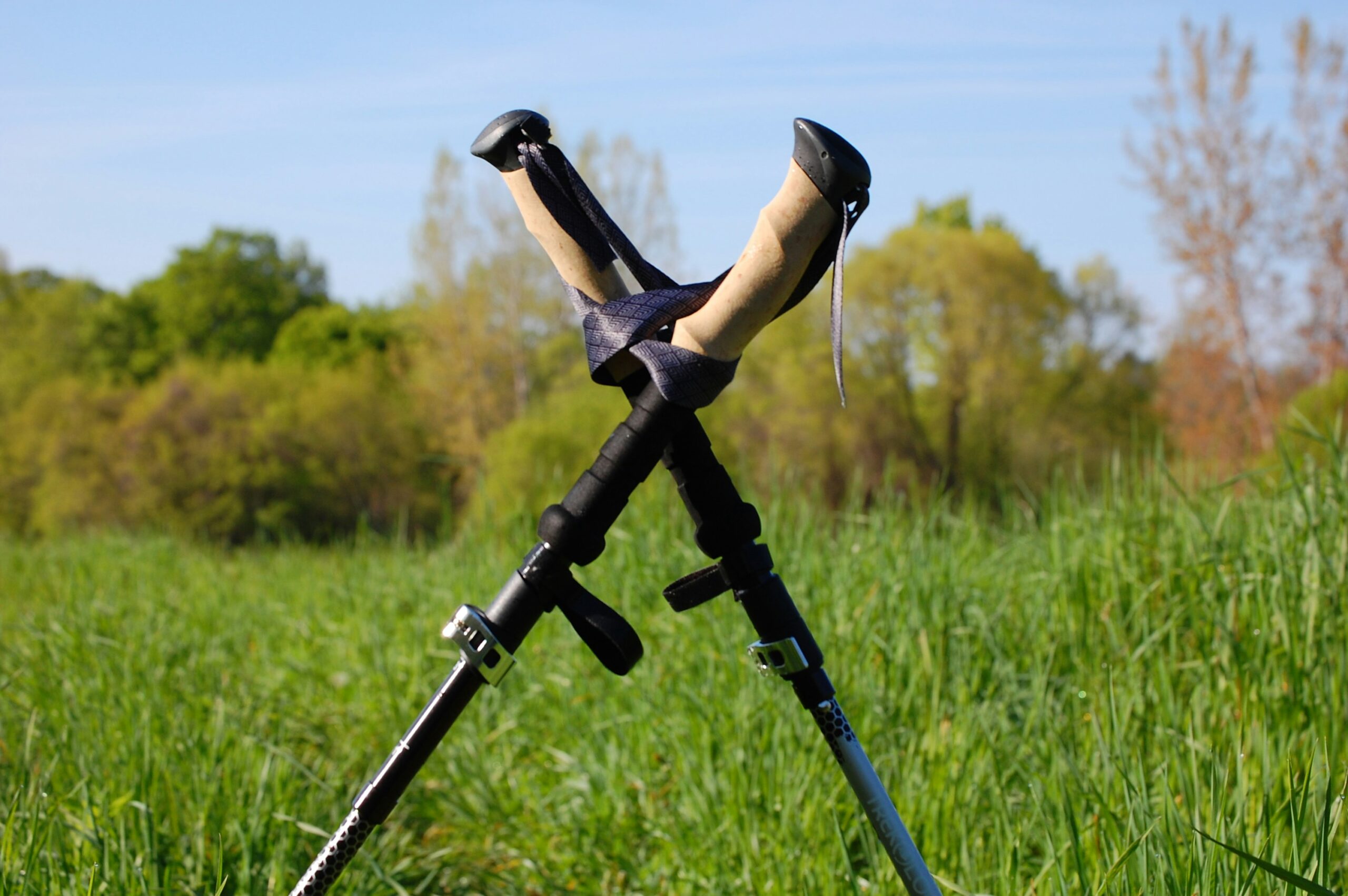
Spring has finally arrived in NEPA as we get outdoors to enjoy sunshine and blue skies. It is also time to dust off your hiking shoes and hit the trails to enjoy fresh air and exercise…but don’t forget the trekking poles. I have been recommending walking or trekking poles to my patients for many years. These poles are an essential part of hiking or distance walking gear, for the novice and expert alike.
Specifically, for those over 50 who have degenerative arthritis and pain in their lower back, hips, knees, ankles or feet, these simple devices have been shown to improve the efficiency of the exercise and lessen the impact on the spine and lower extremities. Additionally, using poles reduces the likelihood of ankle sprains and falls during walking. Trekking poles are also a safe option for those with compromised balance. If you want to walk distances for exercise and need a little stability but don’t want the stigma of a cane, trekking poles are for you.
History of the Hiking Stick
Early explorers, Europeans and Native Americans have been using walking sticks for centuries. More recently, in the 1968 classic hiker’s bible, “The Complete Walker,” Colin Fletcher praised his “walking staff” for its multipurpose use: for balance and assistance with walking and climbing, protection from rattlesnakes, and for use as a fishing rod. Today, these sticks are now versatile poles made from light-weight materials.
Trekking Pole Features
Trekking poles are made of light-weight aluminum and vary in cost and quality. But, like most things, “you get what you pay for!” These hollow tubes can telescope to fit any person and collapse to pack in luggage for travel. Better poles offer multiple removable tips for various uses, conditions and terrains. For example, a basket to prevent sinking too deeply in snow, mud or sand; a blunt rubber tip for hard surfaces like asphalt or concrete, or the pointed metal tip to grip ice or hard dirt/gravel. Better quality poles offer an ergonomic hand grip and strap and a spring system to absorb shock through your hands, wrists and arms upon impact.
The poles should be properly adjusted to fit each individual. When your hand is griping the handle the elbow should be at a 90 degree angle. Proper use is simple; just walk with a normal gait pattern of opposite arm and leg swing. For example, left leg and right arm/pole swings forward to plant while the left arm/pole remain behind with the right leg (PHOTO 1). This pattern is reciprocated with as normal=ait advances (opposite arm and leg). I have been very pleased with my moderately priced poles (Cascade Mountain Tech from Dick’s Sporting Goods ($34.99 per pole). Prices range from $19.99 to 79.95 per pole. dickssportinggoods.com; montem.com; leki.com; rei.com. However, if you travel frequently to hike the State and National Parks, you may want to purchase more expensive poles that collapse and retighten more efficiently. (montem.com; leki.com;)
Research
There are numerous studies to support the use of trekking poles, especially research that supports their use for health and safety. One study compared hikers in 3 different conditions; no backpack, a pack with 15% body weight and a pack with 30% body weight. Biomechanical analysis was performed blindly on the three groups and a significant reduction in forces on lower extremity joints (hip, knee, and ankle) was noted for all three groups when using poles compared to those not using poles.
Another study confirmed that trekking poles reduced the incidence of ankle fractures through improved balance and stability. Additional studies support the theory that trekking poles reduce exercise induced muscle soreness from hiking or walking steep terrain and another study found that while less energy is expended in the lower body muscles using poles, increase energy is used in the upper body; therefore, the net caloric expenditure is equal as it is simply transferred from the legs to the arms.
Reasons to Use Trekking Poles
Reduced Stress on Lower Back, Hips, Knees, Ankles and Feet –
Biomechanical studies confirm that using trekking poles creates less stress on the lower back and joints of the lower body. Those with a history of degenerative arthritis and pain in these areas are wise to consider this when planning to hike or walk distances for exercise.
Improved Stability and Balance/Less Injury –
Studies have found that those using trekking poles were less likely to suffer sprains, strains and even fractures of the lower body, especially the ankle, due in great part to the improved balance and stability. This benefit is found not only on uneven terrain, but also for those walking distances and may have age-related balance issues.
Upper Body Workout –
One comment I have heard from those questioning the value of trekking poles is that they do not want to make their walking/hiking exercise too easy because they desire a “good workout.” Studies show that the caloric expenditure is equal to exercise without using poles as the energy is simply transferred from the legs to the arms.
Improve Walking Posture and Stride
It is common when walking distances, especially if carrying a backpack, to lean your trunk forward. Using poles has been found to promote a more upright posture while walking.
Less Perception of Cardiovascular Exertion
While cardiovascular demands increased with pole walking, subjects reported less exertion when using poles.
Reduced Exercise Induced Muscle Soreness
Studies testing the blood for chemicals associated with muscle damage found less exercise induced muscle soreness/tissue damage and delayed onset muscle soreness among pole users. This was reported to be critical in walkers and hikers who participated in their activities several days in a row to complete the task such as hiking in and out of a canyon. In conclusion, it is important to remember that trekking poles for hiking or distance walking are much more than a style statement. They are proven to be an invaluable tool for health, safety and wellness by reducing lower extremity joint stress, improving stability and balance, and enhancing efficiency for muscle recovery.
Sources: Medicine and Science in Sports and Exercise. The Complete Walker, by Colin Fletcher
EVERY MONDAY – Read Dr. Paul J. Mackarey “Health & Exercise Forum!” via Blog
EVERY SUNDAY in "The Sunday Times" - Read Dr. Paul J. Mackarey “Health & Exercise Forum!” in hard copy
This article is not intended as a substitute for medical treatment. If you have questions related to your medical condition, please contact your family physician. For further inquires related to this topic email: drpmackarey@msn.com
Paul J. Mackarey PT, DHSc, OCS is a Doctor in Health Sciences specializing in orthopedic and sports physical therapy in Scranton and Clarks Summit. Dr. Mackarey is in private practice and is an associate professor of clinical medicine at Geisinger Commonwealth School of Medicine. For all of Dr. Mackarey's articles, visit our exercise forum!
NEPA has experienced more than its share of bitter cold temperatures this winter. And, as much as I enjoy skiing, ice skating and snowshoeing, I have noticed a few achy joints when the mercury plummets! Osteoarthritis, the most common type of arthritis, is often considered to be a normal part of aging. Usually by the age of forty our joints, especially those which are weight bearing (lower spine, hips, knees, ankles, feet) begin to show signs of wear and tear. The cartilage begins to thin, the joint surfaces are not as smooth, and fluid which lubricates the joint becomes diluted, dehydrated and less protective.
Consequently, these aging joints become stiff, sore, weak, and sometimes swollen. Most people with osteoarthritis report additional pain and stiffness in the winter and early spring due to cold, damp weather and NEPA has plenty of it! The cold, for example, restricts the flow of blood to the joints, leading to more pain and stiffness. While moving to a warmer and less humid climate is one solution, it is not practical for most. But all is not lost because there are other alternatives to protect and keep your joints healthier this winter and early spring.
1. Parafin Bath and Hot Packs:
A paraffin bath is one of the best methods to apply heat to your hands and feet to ease pain and stiffness associated with osteoarthritis. A special heating unit works like a crock pot to melt the wax to liquid form. The hands and/or feet are dipped into the wax several times to create a warm coating around the entire area. A 20-to-30-minute treatment while watching TV or listening to good music will provide pain relief, improve mobility in the joints and bring life back to winter damaged skin. $39.99 to $159.99 (www.bedbathandbeyond.com).
Hot packs, electric and microwavable, offer heat to bring blood flow and lessen joint pain and stiffness. They are great for neck and lower back pain, depending on the shape of the pad. Consider rectangle for lower back and cylinder/round to wrap around neck and joints of arms and legs. SourceMed.com offers an electric pad which creates moist heat for $59.95 and a microwave “bed buddy” (herbal or nonherbal) can be found for $9.99 to $43.95 at TheWarmingStore.
2. Hand and Toe Warmers:
Hand and toe warmers are small packets placed in the gloves or boots of skiers, campers and hikers to keep the hands and feet warm. These throw away warmers can also be used by anyone with cold hands or feet whether you are shoveling snow, attending an outdoor event in the cold or sitting in a cold, drafty room watching TV. (Walmart, Dick’s, Gander Mountain, www.amazon.com)
3. Knee, Ankle, Wrist, Elbow, Wrist Sleeves:
Supportive sleeves for the joints can provide protection and warmth year-round, but especially during the cold winter and early spring. Those made with neoprene material offer warmth and compression and can be valuable when participating in activities such as skiing, walking, running, basketball, to name a few. Additionally, it can be helpful for those having joint pain with daily activities such as grocery shopping or housework. These devices should not be used when sitting for prolonged periods of time or sleeping. There is no scientific evidence that supports the use of cooper or magnets weaved into the sleeves for additional pain relief. (available at most pharmacies and medical equipment stores)
4. Compression Shorts and Shirts:
Similar to neoprene sleeves, compression shorts, pants and shirts can be invaluable to those participating in outdoor activities in cold temps. UnderArmor, Reebok, Nike, and others make these products which can also be worn indoors for those working in cool, drafty environments.
5. Hot Tub:
It seems obvious how and why hot water and massaging water jets can soothe the sore joints and muscles. To ensure additional pain and stress relief, add a candle, soft music and a cocktail!
6. Low Impact Exercise for Legs/ Low Impact Exercise for Arms:
If you suffer from osteoarthritis to the joints of your lower body, you would be well-advised to limit impact activities such as running and basketball. Instead, walk, swim, use the elliptical and bike to protect your joints.
As above, if you have arthritis in the joints of the upper body, use low weights, avoid push-ups and dips, which transfer your body weight through the arms.
7. Heat Vest or Jacket:
As many of you know, I love outdoor activities year-round. However, with age I have become a little more sensitive to the cold…which can be a problem when you are skiing, skating, snowshoeing, or hiking. Fortunately, technology has made it possible to be “warm in the cold!” I love my heated vest because it not only keeps me warm, but I require less layers and less bulk to be toasty. These products come with a rechargeable battery. Heated gloves are also available. Vests and jackets range in price from $60.00 to $200.00 but you don’t have to by the most expensive to get a good result. Visit www.ororowwear.com; www.ihoodwarm.com; www.amazon.com
8. Nonsteroidal Anti-Inflammatory Drugs (NSAIDs):
These over-the-counter, non prescription drugs include aspirin and ibuprofen (Advil, Motrin) which are very effective in the treatment of the pain and inflammation associated with arthritis. A topical NSAID, Voltaren, is also available over-the-counter. However, like all drugs, they are not without their risks so one must consult with their primary care physician and pharmacist before using them. For example, NSAIDs can thin the blood, irritate the stomach and may interact with other medications.
9. Topical Creams: Lidocane, Capsacian
Topical analgesics or pain relievers can be rubbed into or sprayed on the skin over the affected area. Some products are counterirritants using menthol, methylsalicylate and camphor which provide a sensation on the skin other than pain. Salicylate based products can work like aspirin to provide relief from mild pain and inflammation. Capsaicin based products can also provide temporary relief due to the counter stimulation of warmth and tingling. A few things to keep in mind when using these products: one, discuss it with your physician or pharmacist. Two, topical agents are more effective in superficial joints such as the fingers, toes, wrist, elbow, knee and shoulder than in the deep tissues of the hip, buttocks, or lower back. Three, wash your skin thoroughly after using these products and before using heat, cold or electric stimulation.
10. Massage:
The therapeutic benefits of massage are well documented. However, like most treatments, it is important to find a qualified professional that meets your needs. Licensed physical therapists, physical therapist assistants and massage therapists are the best choice. Benefits include relief from pain, headaches, muscle spasm, and stress, improved relaxation, posture, and breathing.
EVERY MONDAY – Read Dr. Paul J. Mackarey “Health & Exercise Forum!” via Blog
EVERY SUNDAY in "The Sunday Times" - Read Dr. Paul J. Mackarey “Health & Exercise Forum!” in hard copy
This article is not intended as a substitute for medical treatment. If you have questions related to your medical condition, please contact your family physician. For further inquires related to this topic email: drpmackarey@msn.com
Paul J. Mackarey PT, DHSc, OCS is a Doctor in Health Sciences specializing in orthopedic and sports physical therapy in Scranton and Clarks Summit. Dr. Mackarey is in private practice and is an associate professor of clinical medicine at Geisinger Commonwealth School of Medicine. For all of Dr. Mackarey's articles, visit our exercise forum!
Every December, as we finish the last of the leftover turkey, patients begin to talk about the holiday season and gift shopping. This conversation invariably leads to suggestions for gift ideas related to health, exercise and fitness. The suggestions below offer a wide variety of fitness-related gifts, some expensive and frivolous and others reasonably priced and practical. I hope it makes your shopping a little easier.
Exercise Clothing - Dry Tech is the best thing that has happened to exercise apparel since “jogging suit” was donned by all the “cool dudes” in the 70’s and 80’s. It has great style and even better function. The specially made material is light weight and breathable and wicks moisture from the skin to the outer layers. Therefore, it will not get heavy with sweat which can weigh you down and cause friction with your skin which can lead to chaffing and blisters. The following exercise apparel is now available in Dry Tech:
Short sleeve tee with a matching long sleeve shirt
Shorts and Colorful Socks
NOTE: Shoes are a very important aspect to safe and comfortable exercise but are unique for running and other specific sports (tennis, basketball). However, sneakers may be too difficult to buy for another. A gift certificate to an athletic shoe store (Scranton Running or Dick’s) may be a better choice.
Winter Exercise Gear - Heated Vest and Gloves: Heated vests and gloves come with a rechargeable battery pack. They keep you warm, adjust in temperature. Vests and gloves from Ororo and Gerbing are available at Dick’s and online.
Trekking Poles - For walking and hiking enthusiasts, trekking poles can be the perfect gift, especially for those over 50 and when on uneven terrain or inclement weather. The research is compelling…less stress on the lower back, hip, knee and ankle, as well as improved balance and safety. Leki, Black Diamond, and Cascade Mountain are good name brands while LL Bean, Sierra and REI are reputable companies.
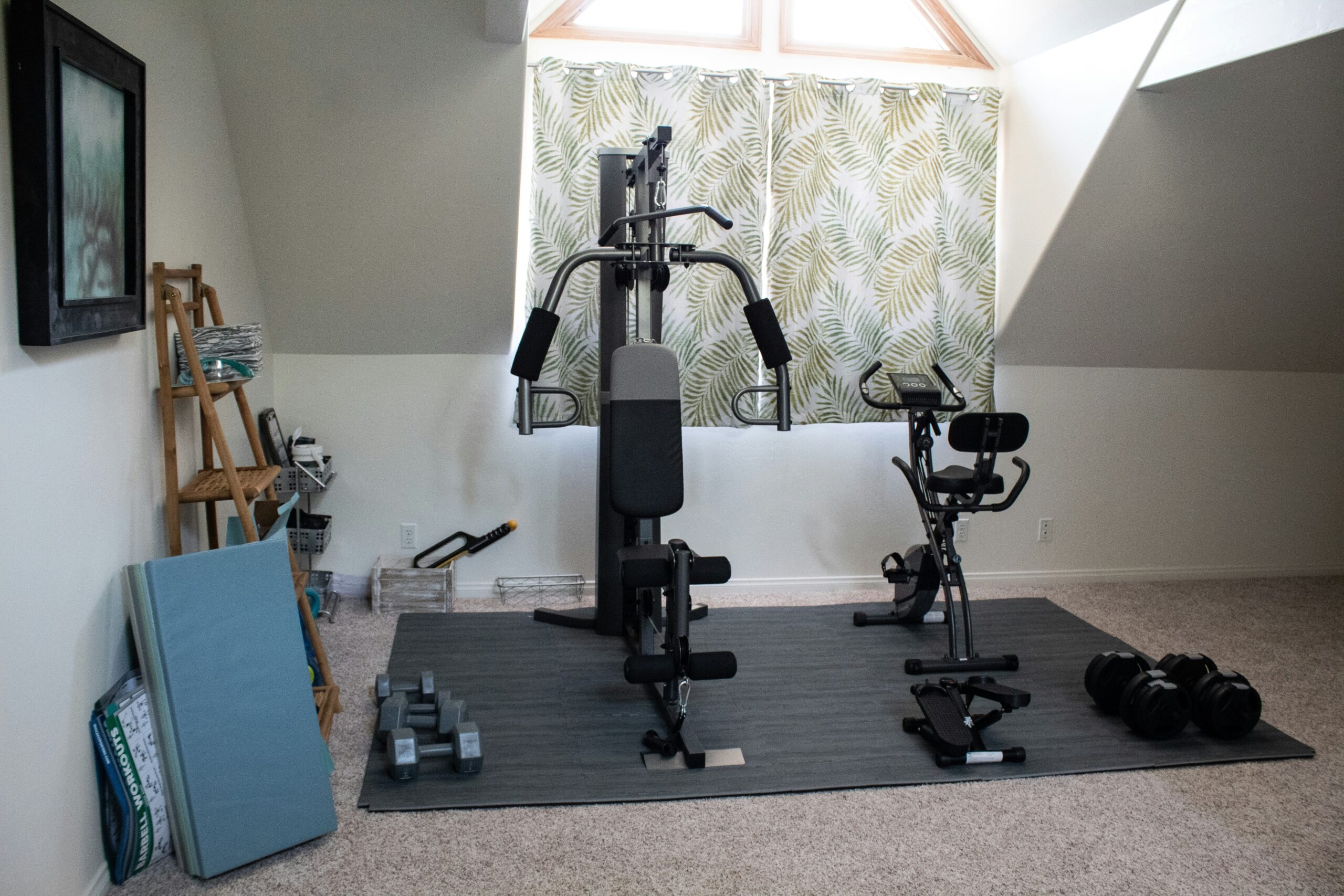
Exercise Mat - An exercise mat is helpful if you decide to exercise at home. Also, if you participate in yoga or Pilates classes, a mat is required equipment.
Hand Held Dumbbells and Sandbag Leg Weights - These are essential for those interested in home exercise. For the average beginner, 3-5-8-10 pound (two of each) weights will be adequate. Dumbbells are good for shrugs, biceps, and triceps, bent over rows and lats, and lunges. Incremented and stackable dumbbells are also available by Bowflex SelecTech 552 (5-52 pounds for $299). and NordicTrack $189. Sandbags, which can be purchased as graduated weights from 1 to 5 pounds, are good for leg extensions, hamstring curls, hip hikes and hip abduction.
Resistance Bands - These cheap and versatile bands are also essential for a home program. The bands come in different colors to represent the amount of resistance with yellow being the easiest and black the most difficult. They can be used for upper and lower body. For specific band exercises visit a previous column in “Health & Exercise Forum” at The Times Tribune or www.mackareyphysicaltherapy.com
Aerobic Equipment
Bike – Plus: upright or recumbent bikes are an effective and affordable method of aerobic exercise. It is very useful for those suffering from lower back, hip, knee or ankle/foot pain because it can be performed with partial weight bearing. Minus: must be able to bend your knees at least 110/115 degrees.
Treadmill – Plus: great for those who love to walk or run and need and indoor alternative in inclimate weather. Minus: large and expensive
Elliptical – Plus: a good alternative to the pounding of running. Minus: expensive, large, and require full weight bearing.
NOTE: Peloton, NordicTrack, SoulCycle are some of the companies that offer interactive exercise programs (usually through an internet subscription) for aerobic exercise using bikes, treadmills, ellipticals or rowing machines.
Fitness Club Membership
Location is important for convenience. The type of gym, such as, cross fit, exercise machines vs. traditional free weights, must be considered. Equipment and other services such as personal trainers, swimming pool, sauna, hot tubs, Pilates, and yoga classes are also important to some.
If the person you want to gift already belongs to a gym, consider purchasing a gift certificate for massage, Pilates, yoga, spin class or aquatic exercises at their gym (which usually costs extra) or another studio.
Personal Trainer Gift Certificate or Home Virtual Trainers - This can be an opportunity for someone to either get the proper advice from a professional to begin a fitness program or to revamp and tune up an old stale program. Word of mouth is a good way to find a reputable certified trainer.
Virtual Training Equipment: Peloton – ($2,495 bike, $3,495 treadmill); Mirror Exercise – ($1,495); Tonal ($3,995.) FightCamp – ($1,219.); Forme Studio ($2,495.)
Electronic Fitness Monitors or Wearable Tech Monitor - These devices use GPS technology to help the user track their activity to get more out of their exercise routines. They monitor activity, heart rate, distance, location, calories, and more. Most “smart watches” offer these options. Other examples are:
Pedometers – clips on a belt or worn on the wrist– best for tracking steps - tracks steps taken by walkers and runners and translates it to miles. Some also translate calories expended. Suggestions: “Fitbit” “Amazfit Band 7,” ” ” or Timex” $39-$69.
Activity Trackers – worn as wrist band – best for tracking general fitness, calories and sleep patterns 24/7. It can be connected wireless to your cell phone. Suggestions: “Fitbit” $119 to $149. “Garmin” Vivoactive 3 $159. “Apple” Series 8 and above.
Running Watches – are worn as a wrist watch – best for timing workouts and counting laps - a rugged, waterproof watch to be worn while running to track laps, splits, countdown, intervals and training logs. However, it does not track distance, speed or heart rate. Suggestions: Timex Ironman $38.97. Garmin Forerunner 45S $129.
Heart Rate Monitors – worn as a chest-strap or wrist strap – monitors your heart rate in real time. Suggestions: Garmin Vivofit 4 $62.; Polar H10 $89.95, Apple Watch Series 8
WHOOP – this next generation fitness and health monitoring is smaller and faster with new biometric tracking, including skin temperature, blood oxygen, and more. Whoop.com $30/month.
Weight Loss – Suggestions: “Noom,” “Lose It”; “WeightWatchers,” “My Diet Coach” - helps you keep a journal, calculates calories for free. The App gives calorie credits if you exercise and provides ongoing feedback to help you stay on track to attain your optimal weight. Basic Apps are free and more advanced versions are under $10.
Activity Monitor – Suggestions: “Fitbit” “Apple Watch,” “Garmin,” “Endomodo”; “Human” – uses GPS to track your every step when you go for a hike, run, fitness walk, touring walk at Disney, or bike ride on trails, ski cross country or downhill. It will calculate distance, speed, location, total time and total calories.
Nutritional Counselor Gift Certificate - Sometimes you need professional help to get started and stay focused. Just as with a personal trainer, a qualified and licensed nutritional counselor will assist you in establishing a safe and effective program to meet your nutritional and dietary goals. Again, ask around to see who has a good reputation or who may be a good fit for the recipient of your gift.
These gifts can be purchased at most local sporting goods stores or on-line.
EVERY MONDAY – Read Dr. Paul J. Mackarey “Health & Exercise Forum!” via Blog
EVERY SUNDAY in "The Sunday Times" - Read Dr. Paul J. Mackarey “Health & Exercise Forum!” in hard copy
This article is not intended as a substitute for medical treatment. If you have questions related to your medical condition, please contact your family physician. For further inquires related to this topic email: drpmackarey@msn.com
Paul J. Mackarey PT, DHSc, OCS is a Doctor in Health Sciences specializing in orthopedic and sports physical therapy in Scranton and Clarks Summit. Dr. Mackarey is in private practice and is an associate professor of clinical medicine at Geisinger Commonwealth School of Medicine. For all of Dr. Mackarey's articles, visit our exercise forum!
Guest Author: Paul Mackarey, Jr. PT, DPT is clinic director and partner at Mackarey & Mackarey Physical Therapy Consultants, Scranton and Clarks Summit, PA.
The 2025 Pennsylvania rifle deer season begins November 30th and continues through December 13, 2025. Opening day is considered a holiday in the state of Pennsylvania as approximately 750,000 hunters from age 12 to seniors (including myself) will hike through the woods in search of a whitetail.
I am a whitetail, turkey, small game hunter, and an avid outdoors enthusiast with great passion for mountain biking, kayaking, hiking and mountain climbing in our state and national parks. After an extended period away from hunting (in the off season), I am eager to be back in the woods. When possible, I try to make time to shed hunt and scout in preparation for the upcoming season. While I am active during the summer, I am not necessarily in “hunting shape” and certainly not acclimated to cold, wet and windy conditions. I offer health and safety tips for hunters based on the knowledge of experts in the field and my expertise as a health care provider. Good luck and be safe!
Common Health Problems for Hunters:
Chest Pain/Shortness of Breath – overweight and deconditioned people must be very careful when overexerting themselves in the woods while hunting. This is especially true for those with a history of heart disease. Make sure you take your medication and drink plenty of fluids 24 hours before and while hunting. Eat a good breakfast with a balance of protein and carbohydrates. A bagel with peanut butter is a good quick start. Pack healthy snacks and water to sustain you.
Knee Pain- in the front of the knee or kneecap is common with hunting. This can happen from excessive hiking on uneven or hilly terrain in the woods, especially if there is weakness in the leg muscles. When walking downhill try this simple trick to keep your knees safe. Slightly bend at the knees and bring your buttock back so your knees stay over (or slightly behind) your toes to reduce stress on the joint.
Neck, Lower or Middle Back Pain- can be caused by prolonged hiking with a heavy load or prolonged sitting in a tree stand in slouched positions, especially if one has tight hamstrings. Field dressing and carrying the deer out of the woods is also very stressful on the back. Take multiple breaks and stretch backwards, (the opposite direction of bending over to drag the deer). Also, consider where you want to position your hunt, avoid large hills that you may have to drag the deer up on the way out.
Shoulder Pain- can occur from recoil of a gun shot or the overhead activity of climbing a tree.
Hamstring Pain- can occur if the muscle is tight or weak. Prolonged walking, bending over and large steps over fallen trees can contribute to this problem. When free walking in the woods, look for the path of least resistance.
Ilio-Tibial Band Pain- when walking on the side of a hill there is a difference in the length of the legs. Overtime, this can lead to pain on the outside of the hip and leg.
Foot Numbness or Pain- can occur from prolonged squatting or poor fitting shoes/boots. However, lower back pain can also be associated with these symptoms.
Hand Numbness or Pain- can be caused by repeated recoil of the gun on the shoulder. Also, this may be associated with prolonged pressure of a shoulder strap or leaning on something under the arm.
Preparing Your Body for Hunting:
Prevention is the best management of most musculoskeletal and safety problems associated with hunting. First, one can prevent many of the above problems through proper fitting of equipment, clothing and shoes/boots.
Fitness - Be sure to maintain a fairly good fitness level in order to hunt safely. Begin an exercise and walking program 2-3 months before hunting season. If you are a beginner, start slowly. Warm up and slowly walk for 10 to 15 minutes and build up over time. Slowly add hills to your walking program.
Clothing - Wear your hunting clothing, such as boots to break them in while walking for exercise. Drytech clothing instead of cotton can keep you warm and wick moisture away from the body.
Move & Stretch - As hunters, we sit in our stand or blind and stay still for long periods of time in cold temperatures. This results in a cold and stiff body. When leaving your setup, give your body time to wake up before you start hiking out. Bend the knees or perform small squats repeatedly to get blood and warmth back into the legs. Stretch your spine backwards (the opposite of sitting) to prepare your spine for your heavy pack and do some heel raises for the ankles.
Strength Exercises - Work on the strength and flexibility of the quadriceps, calf and gluteal muscles. Instead of using the elevator, climb stairs throughout the day to work these muscles. Be careful not to progress too quickly because a drastic change from inactivity to over activity in a short period of time can create problems.
Be Aware - Know your limitations and adapt to them. Injuries most commonly occur when we overestimate what our body can do or choose to push through pain. Listen to your body, if you have pain, stop and modify your activity. In addition, scout areas that are more easily accessibly in the woods that will still attract deer. This will lead to less stress on your body and when successful, you have an easier drag!
Use technology to your advantage. Using hunting apps and maps such as HuntWise, OnX or HuntStand, can help give you an idea of the terrain you will be exposed to prior to entering the woods. It will be easier to map out a less strenuous approach into the woods and minimize the load you place on your body.
Remember, hunting should be fun! Pain from poorly fitted and improperly maintained equipment and clothing can be avoided with good planning. Moreover, injury and death from inactivity and poor fitness is also preventable.
Visit your doctor regularly and listen to your body. Keep moving, eat healthy foods, exercise regularly, and live long and well!
EVERY MONDAY – Read Dr. Paul J. Mackarey “Health & Exercise Forum!” via Blog
EVERY SUNDAY in "The Sunday Times" - Read Dr. Paul J. Mackarey “Health & Exercise Forum!” in hard copy
This article is not intended as a substitute for medical treatment. If you have questions related to your medical condition, please contact your family physician. For further inquires related to this topic email: drpmackarey@msn.com
Paul J. Mackarey PT, DHSc, OCS is a Doctor in Health Sciences specializing in orthopedic and sports physical therapy in Scranton and Clarks Summit. Dr. Mackarey is in private practice and is an associate professor of clinical medicine at Geisinger Commonwealth School of Medicine. For all of Dr. Mackarey's articles, visit our exercise forum!
Provisional Bag/First Aide Kit
It is one week away from the 28th Steamtown Marathon. This column is dedicated to all the runners preparing for the big day. One small piece of advice; start slowly, avoid the first mile adrenaline sprint downhill, and enjoy the journey! Remember, only one Olympic marathon winner (Juan Zabala, Argentina, 1932) was in the lead at the 5 mile mark. Lesson: The last miles matter more than the first!
Today, I hope to address some common questions for the novice marathon runner or for those coming from other locations to run in the race. What should you pack? How should I dress? What supplies will I need?
Elite runners are so experienced that they know exactly what to pack in preparation for the big day. However, those, running in marathon for the first or second time usually have lots of questions. First, what you need and what you can bring will depend on your support team. If you are running alone and will not have family or friends meeting you along the way, then you are limited to a fanny pack and a few supplies. If you have a support team, then they can carry a bag with supplies, meet you along the course and you can have a sense of security.
Remember; do not do anything different on race day. Try out special clothing, water with supplements and snacks on a practice run. Also, experiment with your best pre-race meal. You will be getting up at 5-6:00am to catch the bus from Scranton to Forest City. You may want to pack breakfast to eat in the high school gym such as; bagel, peanut butter, jelly, banana and coffee or Gatorade. Moving your bowels before the race is a must.
Dress:
Columbus Day Weekend in NEPA could bring 30 to 40 degree temperatures when you catch the bus in Scranton and at the 8:00 am race starting time in Forest City.
Clothing:
Hat and Gloves: Wearing a hat, light gloves can be a good idea. DryTech materials are best to prevent retention of sweat.
Long Sleeve Shirt and Light Jacket may be necessary. Wearing old items are best so they can be discarded along the way once you are warmed up.
Remember, any extra items can be placed in a labeled bag at the starting line and will be transported to the finish line for your convenience. So, if it’s a cold morning, wear a jacket and warm up pants on the bus to the starting line and “bag it!”
Accessories:
Sunglasses and Sunscreen: If sun and warm temps are forecasted, sunglasses are best placed on top of your hat until needed and sunscreen applied before the race.
Skin Lubrication: Lubricate your skin with petroleum jelly in areas of potential friction such as arm pits, nipples, thighs and feet.
Dry Tech Clothing: Wear dry tech protects, including shirt, underwear and socks, to prevent excessive moisture and friction.
Favorite Water Source and Snack: Water and light snacks will be provided every 2 miles but sometimes it is good to have your own favorites, especially in the high school gym before the race.
FANNY PACK – Especially for those running without a support team
If you don’t mind the little pack on your butt, a fanny pack can be valuable. In it, you will want supplies such as: small bandages, small roll of medical tape, ibuprofen, antacid tablets, small tube of lubricant, favorite running snack, and extra shoe laces. One might also consider packing a little money, credit card, ID, emergency contact numbers and medical insurance cards. A cell phone is optional.
SUPPLY BAG – For those with support team
Have your support team meet you at prearrange locations along the race route and bring your supply bag. In the bag, you might consider all of the above fanny pack items and: A change of clothes such as: extra running shoes, socks, shorts, shirt, water proof wind breaker, according to the weather, especially if rain is predicted. Towels, ace bandages, gauze pads and wrap, antibiotic cream, mole skin, sunscreen, petroleum jelly, safety pins, extra water and favorite sport drink, favorite sport snacks, extra ibuprofen, antacid, anti diarrhea medicine, chemical ice pack, mobile phone, money, credit cards, ID, medical insurance cards.
For those with allergic reactions, remember to pack: epinephrine, antihistamine, and other important medications.
Don’t Forget:
Map and directions to the bus or starting line, course map, race number, and get your timing chip.
Enjoy! Enjoy! Smell the roses, take in the fall foliage and chat with a fellow racer. Savor the moment enjoy the day…you are doing something very special!
EVERY MONDAY – Read Dr. Paul J. Mackarey “Health & Exercise Forum!” via Blog
EVERY SUNDAY in "The Sunday Times" - Read Dr. Paul J. Mackarey “Health & Exercise Forum!” in hard copy
This article is not intended as a substitute for medical treatment. If you have questions related to your medical condition, please contact your family physician. For further inquires related to this topic email: drpmackarey@msn.com
Paul J. Mackarey PT, DHSc, OCS is a Doctor in Health Sciences specializing in orthopedic and sports physical therapy in Scranton and Clarks Summit. Dr. Mackarey is in private practice and is an associate professor of clinical medicine at Geisinger Commonwealth School of Medicine. For all of Dr. Mackarey's articles, visit our exercise forum!
NEPA has experienced more than its share of bitter cold temperatures this winter. And, as much as I enjoy skiing, ice skating and snowshoeing, I have noticed a few achy joints when the mercury plummets! Osteoarthritis, the most common type of arthritis, is often considered to be a normal part of aging. Usually by the age of forty our joints, especially those which are weight bearing (lower spine, hips, knees, ankles, feet) begin to show signs of wear and tear. The cartilage begins to thin, the joint surfaces are not as smooth, and fluid which lubricates the joint becomes diluted, dehydrated and less protective.
Consequently, these aging joints become stiff, sore, weak, and sometimes swollen. Most people with osteoarthritis report additional pain and stiffness in the winter and early spring due to cold, damp weather and NEPA has plenty of it! The cold, for example, restricts the flow of blood to the joints, leading to more pain and stiffness. While moving to a warmer and less humid climate is one solution, it is not practical for most. But all is not lost because there are other alternatives to protect and keep your joints healthier this winter and early spring.
Parafin Bath and Hot Packs: A paraffin bath is one of the best methods to apply heat to your hand and feet joints to ease pain and stiffness associated with osteoarthritis. A special heating unit works like a crock pot to melt the wax to liquid form. The hands and/or feet are dipped into the wax several times to create a warm coating around the entire area. A 20-to-30-minute treatment while watching TV or listening to good music will provide pain relief, improve mobility in the joints and bring life back to winter damaged skin. $39.99 to $159.99 (www.bedbathandbeyond.com).
Hot packs, electric and microwavable, offer heat to bring blood flow and lessen joint pain and stiffness. They are great for neck and lower back pain, depending on the shape of the pad. Consider rectangle for lower back and cylinder/round to wrap around neck and joints of arms and legs. SourceMed.com offers an electric pad which creates moist heat for $59.95 and a microwave “bed buddy” (herbal or nonherbal) can be found for $9.99 to $43.95 at TheWarmingStore.
Hand and Toe Warmers: Hand and toe warmers are small packets placed in the gloves or boots of skiers, campers and hikers to keep the hands and feet warm. These throw away warmers can also be used by anyone with cold hands or feet whether you are shoveling snow, attending an outdoor event in the cold or sitting in a cold, drafty room watching TV. (Walmart, Dick’s, Gander Mountain, www.amazon.com)
Knee, Ankle, Wrist, Elbow, Wrist Sleeves: Supportive sleeves for the joints can provide protection and warmth year-round, but especially during the cold winter and early spring. Those made with neoprene material offer warmth and compression and can be valuable when participating in activities such as skiing, walking, running, basketball, to name a few. Additionally, it can be helpful for those having joint pain with daily activities such as grocery shopping or housework. These devices should not be used when sitting for prolonged periods of time or sleeping. There is no scientific evidence that supports the use of cooper or magnets weaved into the sleeves for additional pain relief. (available at most pharmacies and medical equipment stores)
Compression Shorts and Shirts: Similar to neoprene sleeves, compression shorts, pants and shirts can be invaluable to those participating in outdoor activities in cold temps. UnderArmor, Reebok, Nike, and others make these products which can also be worn indoors for those working in cool, drafty environments.
Hot Tub: It seems obvious how and why hot water and massaging water jets can soothe sore joints and muscles. To ensure additional pain and stress relief, add a candle, soft music and a cocktail!
Low Impact Exercise for Legs/ Low Impact Exercise for Arms: If you suffer from osteoarthritis to the joints of your lower body, you would be well-advised to limit impact activities such as running and basketball. Instead, walk, swim, use the elliptical and bike to protect your joints. As above, if you have arthritis in the joints of the upper body, use low weights, avoid push-ups and dips, which transfer your body weight through the arms.
Heat Vest or Jacket: As many of you know, I love outdoor activities year-round. However, with age I have become a little more sensitive to the cold…which can be a problem when you are skiing, skating, snowshoeing, or hiking. Fortunately, technology has made it possible to be “warm in the cold!” I love my heated vest because it not only keeps me warm, but I require less layers and less bulk to be toasty. These products come with a rechargeable battery. Heated gloves are also available. Vests and jackets range in price from $60.00 to $200.00 but you don’t have to by the most expensive to get a good result. Visit www.ororowwear.com; www.ihoodwarm.com; www.amazon.com
Nonsteroidal Anti-Inflammatory Drugs (NSAIDs): These over-the-counter, non prescription drugs include aspirin and ibuprofen (Advil, Motrin) which are very effective in the treatment of the pain and inflammation associated with arthritis. A topical NSAID, Voltaren, is also available over-the-counter. However, like all drugs, they are not without their risks so one must consult with their primary care physician and pharmacist before using them. For example, NSAIDs can thin the blood, irritate the stomach and may interact with other medications.
Topical Creams: Lidocane, Capsacian: Topical analgesics or pain relievers can be rubbed into or sprayed on the skin over the affected area. Some products are counterirritants using menthol, methylsalicylate and camphor which provide a sensation on the skin other than pain. Salicylate based products can work like aspirin to provide relief from mild pain and inflammation. Capsaicin based products can also provide temporary relief due to the counter stimulation of warmth and tingling. A few things to keep in mind when using these products: one, discuss it with your physician or pharmacist. Two, topical agents are more effective in superficial joints such as the fingers, toes, wrist, elbow, knee and shoulder than in the deep tissues of the hip, buttocks, or lower back. Three, wash your skin thoroughly after using these products and before using heat, cold or electric stimulation.
Massage: The therapeutic benefits of massage are well documented. However, like most treatments, it is important to find a qualified professional that meets your needs. Licensed physical therapists, physical therapist assistants and massage therapists are the best choice. Benefits include relief from pain, headaches, muscle spasm, and stress, improved relaxation, posture, and breathing.
EVERY MONDAY – Read Dr. Paul J. Mackarey “Health & Exercise Forum!” via Blog
EVERY SUNDAY in "The Sunday Times" - Read Dr. Paul J. Mackarey “Health & Exercise Forum!” in hard copy
This article is not intended as a substitute for medical treatment. If you have questions related to your medical condition, please contact your family physician. For further inquires related to this topic email: drpmackarey@msn.com
Paul J. Mackarey PT, DHSc, OCS is a Doctor in Health Sciences specializing in orthopedic and sports physical therapy in Scranton and Clarks Summit. Dr. Mackarey is in private practice and is an associate professor of clinical medicine at Geisinger Commonwealth School of Medicine. For all of Dr. Mackarey's articles, visit our exercise forum!
Provisional Bag/First Aide Kit
It is one week away from the 27th Steamtown Marathon. This column is dedicated to all the runners preparing for the big day. One small piece of advice; start slowly, avoid the first mile adrenaline sprint downhill, and enjoy the journey! Remember, only one Olympic marathon winner (Juan Zabala, Argentina, 1932) was in the lead at the 5 mile mark. Lesson: The last miles matter more than the first!
Today, I hope to address some common questions for the novice marathon runner or for those coming from other locations to run in the race. What should you pack? How should I dress? What supplies will I need?
Elite runners are so experienced that they know exactly what to pack in preparation for the big marathon day. However, those, running in marathon for the first or second time usually have lots of questions. First, what you need and what you can bring will depend on your support team. If you are running alone and will not have family or friends meeting you along the way, then you are limited to a fanny pack and a few supplies. If you have a support team, then they can carry a bag with supplies, meet you along the course and you can have a sense of security.
Remember; do not do anything different on race day. Try out special clothing, water with supplements and snacks on a practice run. Also, experiment with your best pre-race meal. You will be getting up at 5-6:00am to catch the bus from Scranton to Forest City. You may want to pack breakfast to eat in the high school gym such as; bagel, peanut butter, jelly, banana and coffee or Gatorade. Moving your bowels before the race is a must.
Dress: Columbus Day Weekend in NEPA could bring 30 to 40 degree temperatures when you catch the bus in Scranton and at the 8:00 am race starting time in Forest City.
Clothing:
Hat and Gloves: Wearing a hat, light gloves can be a good idea. DryTech materials are best to prevent retention of sweat.
Long Sleeve Shirt and Light Jacket may be necessary. Wearing old items are best so they can be discarded along the way once you are warmed up.
Remember, any extra items can be placed in a labeled bag at the starting line and will be transported to the finish line for your convenience. So, if it’s a cold morning, wear a jacket and warm up pants on the bus to the starting line and “bag it!”
Accessories:
Sunglasses and Sunscreen: If sun and warm temps are forecasted, sunglasses are best placed on top of your hat until needed and sunscreen applied before the race.
Skin Lubrication: Lubricate your skin with petroleum jelly in areas of potential friction such as arm pits, nipples, thighs and feet.
Dry Tech Clothing: Wear dry tech protects, including shirt, underwear and socks, to prevent excessive moisture and friction.
Favorite Water Source and Snack: Water and light snacks will be provided every 2 miles but sometimes it is good to have your own favorites, especially in the high school gym before the race.
MARATHON FANNY PACK – Especially for those running without a support team
If you don’t mind the little pack on your butt, a fanny pack can be valuable. In it, you will want supplies such as: small bandages, small roll of medical tape, ibuprofen, antacid tablets, small tube of lubricant, favorite running snack, and extra shoe laces. One might also consider packing a little money, credit card, ID, emergency contact numbers and medical insurance cards. A cell phone is optional.
MARATHON SUPPLY BAG – For those with support team
your supply bag. In the bag, you might consider all of the above fanny pack items and: A change of clothes such as: extra running shoes, socks, shorts, shirt, water proof wind breaker, according to the weather, especially if rain is predicted. Towels, ace bandages, gauze pads and wrap, antibiotic cream, mole skin, sunscreen, petroleum jelly, safety pins, extra water and favorite sport drink, favorite sport snacks, extra ibuprofen, antacid, anti diarrhea medicine, chemical ice pack, mobile phone, money, credit cards, ID, medical insurance cards.
For those with allergic reactions, remember to pack: epinephrine, antihistamine, and other important medications.
Don’t Forget:
Map and directions to the bus or starting line, course map, race number, and get your timing chip.
Enjoy! Enjoy! Smell the roses, take in the fall foliage and chat with a fellow racer. Savor the moment enjoy the day…you are doing something very special!
EVERY MONDAY – Read Dr. Paul J. Mackarey “Health & Exercise Forum!” via Blog
EVERY SUNDAY in "The Sunday Times" - Read Dr. Paul J. Mackarey “Health & Exercise Forum!” in hard copy
This article is not intended as a substitute for medical treatment. If you have questions related to your medical condition, please contact your family physician. For further inquires related to this topic email: drpmackarey@msn.com
Paul J. Mackarey PT, DHSc, OCS is a Doctor in Health Sciences specializing in orthopedic and sports physical therapy in Scranton and Clarks Summit. Dr. Mackarey is in private practice and is an associate professor of clinical medicine at Geisinger Commonwealth School of Medicine. For all of Dr. Mackarey's articles, visit our exercise forum!