Due to social distances and other appropriate precautions during the COVID-19 pandemic, many people are filling the void in their lives with outdoor endurance exercises such as running, cycling, hiking etc. However, as summer is in full swing, with temperature and humidity rising, remembering to properly hydrate is essential.
Next to oxygen, water is the nutrient most needed for life. A person can live without food for a month, but most can survive only three to four days without water. Even though proper hydration is essential for health, water gets overlooked as one of the six basic nutrients. Dehydration occurs when the amount of water taken into the body is less than the amount that is being lost. Dehydration can happen very rapidly (i.e. in less than eight hours); the consequences can be life threatening and the symptoms can be alarmingly swift.
In the body, water is needed to regulate body temperature, carry nutrients, remove toxins and waste materials, and provide the medium in which all cellular chemical reactions take place. Fluid balance is vital for body functions. A significant decrease in the total amount of body fluids leads to dehydration. Fluids can be lost through the urine, skin, or lungs. Along with fluids, essential electrolytes, such as sodium and potassium, are also perilously depleted in a dehydrated individual.
The risk of dehydration is not limited to endurance athletes and outdoor enthusiasts. Dehydration is the most common fluid and electrolyte disorder of frail elders, both in long term care facilities and in the community! Elders aged 85 to 99 years are six times more likely to be hospitalized for dehydration than those aged 65 to 69 years.
Is water adequate to prevent dehydration? Will a sports drink improve my performance? While some answers to these questions apply generally to all, others vary according to the temperature, humidity, length of time and intensity of the activity and condition of the athlete.
Proper hydration is essential for the comfort and safety of the recreational and serious athlete. Hydration is critical to maintain cardiovascular function, body temperature and muscle performance. As temperature, humidity, intensity, and duration of exercise increase, so too does the importance of proper hydration. Excessive sweating can lead to a loss of blood volume which requires the heart to work much harder to circulate you blood through your body.
Dehydration is a major cause of fatigue, loss of coordination, and muscle cramping leading to poor performance. Prehydration, (drinking before exercise) is the first step in preventing dehydration. Marathon runners, other long-distance runners, and cyclists often prehydrate1-2 days before a big event. Rehydration, (drinking during or after exercise) is the second step in preventing dehydration. While athletes may be more vulnerable to dehydration, all persons engaging in exercise would benefit from increased performance, delayed muscle fatigue and pain by maintaining adequate hydration. Proper prehydration would include drinking 12-16 ounces of water 1-2 hours before exercise. Athletes with other health issues should consult their family physician before engaging in long distance endurance sports.
NEXT MONDAY – Read Dr. Paul J. Mackarey “Health & Exercise Forum!”
For all of Dr. Mackarey articles visit https://mackareyphysicaltherapy.com/forum/
This article is not intended as a substitute for medical treatment. If you have questions related to your medical condition, please contact your family physician. For further inquires related to this topic email: drpmackarey@msn.com
Paul J. Mackarey PT, DHSc, OCS is a Doctor in Health Sciences specializing in orthopaedic and sports physical therapy. Dr. Mackarey is in private practice and is an associate professor of clinical medicine at GCSOM.
Florida, Texas, and Arizona have recently reported the highest single-day totals of new COVID-19 cases. The data suggests that reopening too quickly, without adequate guidelines and restrictions is a documented failure. Consequently, Washington State is the latest state to delay its reopening plans. No matter how much we want to return to our normal lives, our lives before COVID-19, we must remain vigilant! The Director of the National Institute for Allergies and Infectious Diseases, Dr. Anthony Fauci, has repeatedly said, “You don’t make the timeline; the virus makes the timeline.”
The pandemic is not over and is not going away anytime soon. We can’t just go off to bars, sporting events, concerts, or summer camps and pretend all is well. Instead, we must learn to live with the virus for now. While feelings of frustration, confusion and even depression have become commonplace, we cannot let our guard down…whether your area is in red, yellow, green or phase 1, 2, or 3.
According to Aaron Hamilton, MD, Associate Chief Safety and Quality Officer at The Cleveland Clinic, “There’s still a lot of COVID-19 in our communities and in our hospitals. We’ve done a lot in society to flatten the curve, which kept people safe and helped healthcare manage the critically ill patients – but this isn’t going away over the course of the summer. The virus is not gone.”
As states and businesses open back up and life tries to carry on, it can be tricky to determine what activities and events are safe and what’s worth skipping. Dr. Hamilton feels that being aware of (and following!) the proper guidelines and safety measures can help you determine the risk level associated with a particular activity. There are actions we can all take that might not look or feel normal, but they can help protect us as we all learn to live in this new world.
Less is better! Carefully weigh how much time you’ll be spending at the activity. Less time means limiting your risk of exposure to the virus.
Where is the activity or event being held...outside or indoors? If it’s indoors, consider how enclosed or ventilated the space is. We know that it’s safer to be outside than inside (but that doesn’t mean the risk of catching the virus outdoors is zero). You should also consider if the space has a limit on how many people can be there at one time. This will clue you in to how easy or difficult it will be to maintain physical distance from others.
Are the people attending the activity or event outside of your direct household? Consider if they will be following and respecting safety guidelines, which include:
“When thinking about the risk of an activity, I like to think of it as a spectrum,” explains Dr. Hamilton. “It’s less about safe vs. not safe, and more about layers of risk. Everybody will have to do a risk assessment for themselves and determine where they’re comfortable and what safety guidelines they’re going to follow.”
On one end of the spectrum, the absolute safest thing to do is to stay at home with your family. On the other end of the spectrum would be large, indoor gatherings. Certain activities will always carry a much higher risk than others. A large, indoor concert is going to be more dangerous than an outdoor picnic with a couple of friends who are following safety measures. How often you choose to partake in riskier activities and events matters as well.
The degree of safety depends on the degree to which you comply with the guidelines.
(Dr. Aaron Hamilton, The Cleveland Clinic)
As we all try to determine our new normal, remind yourself that the recommendations are there to keep COVID-19 in a place where we can manage it until we have treatments and vaccines available.
Source: Cleveland Clinic
EVERY MONDAY – Read Dr. Paul J. Mackarey “Health & Exercise Forum!”
Check out all of Dr. Mackarey's articles in our archives at: https://mackareyphysicaltherapy.com/forum/
This article is not intended as a substitute for medical treatment. If you have questions related to your medical condition, please contact your family physician. For further inquires related to this topic email: drpmackarey@msn.com
Paul J. Mackarey PT, DHSc, OCS is a Doctor in Health Sciences specializing in orthopaedic and sports physical therapy. Dr. Mackarey is in private practice and is an associate professor of clinical medicine at Geisinger Commonwealth School of Medicine
HEALTH AND EXERCISE FORUM
By: Dr. Paul J. Mackarey
This column is a monthly feature of “Health & Exercise Forum” in association with the students and faculty of Geisinger Commonwealth School of Medicine (formerly The Commonwealth Medical College).
Guest Columnist: Kevin Perry, MD
“Should I use heat or ice?” Several years ago, while working as a third year medical student at TCMC on orthopedic rotation, I was surprised to find that this is one of the most common questions asked by weekend warriors trying to relieve shoulder pain after playing tennis for the first time in 6 months. Now, as an orthopedic resident, the frequency of this inquiry has not changed. Trying to decide whether to use ice or heat to make it feel better and heal faster may not be so easy. Unfortunately, there is confusion, even among medical professionals, about the appropriate times to use heat or cold. However, if we review the basic science on this subject, there are some valuable guidelines to consider.
The Science
When an injury is sustained, such as a sprained ankle, chemical signals are released in the area of the injury, which increases blood supply to the damaged tissues to allow appropriate cells to repair the damage. This response is evident by the principle signs and symptoms of inflammation including heat, redness, swelling, pain, and loss of function. This reaction makes sense because anytime tissues are injured; the body is responsible to protect the site until repair can occur. To protect the injured site, the body causes swelling and pain to prevent excessive movement or overuse which will lead to further injury. With the site of injury protected, the appropriate cells are able to lay down new tissue to repair the damage. As tissues heal, a web of connective tissue pulls the damaged tissues back together and holds them in place while new tissue is formed. Once the tissue is completely repaired, the blood flow returns to normal and fluid drains from the site of injury allowing restoration of motion and function. However, the new tissue is fragile and unorganized and often sticks together leaving tightness and weakness. After repeated use, the new tissue adapts to the stress placed upon it and becomes functional.
The Application
When grounded in science, the use of heat or cold can be used to expedite the healing process. While inflammation is crucial to the repair of injured tissue, the response can be exaggerated and last longer than necessary. Therefore, ice and heat can be used to modify the bodies’ inflammatory response and help us return to activity sooner.
How Cold Works
Ice causes blood vessels to narrow and nerves to slow down. When ice is applied to tissue, the body responds by decreasing blood flow to the area to preserve the core body temperature. Also, as nerves cool down, the signals they send slow down and become less frequent, so the pain signals they send to your brain become less intense. Thus, we can use ice to decrease blood flow to inflamed tissue which will reduce swelling and decrease pain. Ice is ideally used immediately following most injuries to control pain and swelling.
How Heat Works
Heat causes your blood vessels to open and increase blood flow to tissues. When heat is applied, blood flow and tissue temperature are increased and tight tissues relax and are better able to glide across one another. However, when applied too early in the healing process, heat, by increasing blood flow, can increase swelling and pain. Heat is ideally used after an injury has healed and there is residual tightness or protective muscle spasms.
Now that we know how ice and heat work in conjunction with the inflammatory process we can easily understand when to use each one. Ice is best used following an acute injury. For example, ice is effective day one through three following an ankle sprain, or until swelling is controlled. Anytime the principle signs and symptoms of inflammation are present, ice is the appropriate treatment of choice. Regardless of when the injury occurred, if there is swelling and pain, ice is the appropriate treatment. Heat should be used when there is tightness and stiffness and no signs of acute inflammation. For example, week two of three, following an ankle sprain if stiffness persists and swelling is controlled.
How To…
Apply ice using a bag of ice and water, ice pack, or bag of frozen vegetables wrapped in a wet towel. Cover the injured and swollen area and if possible elevate the iced area above the level of your heart. You should apply ice for a maximum of 20 minutes and rest at least one hour between icing sessions so as not to cause harm. Never apply ice directly to skin and never fall asleep while icing.
Apply heat with a heating pad covered in a few towels or warm a bag of rice in a microwave. Cover in a towel and place the heat on the affected area for a maximum of 20 minutes and rest at least one hour between heating sessions. Never apply heat over skin that you cannot feel (numbness or loss of sensation) or on open wounds in the skin. Also, do not lie directly on the heating source and don’t fall asleep while using heat to avoid burns.
Hopefully this information is helpful in dispelling some of the confusion regarding when to use ice or heat. As you can see there is no “golden rule” or “72-hour rule” for advising when to use ice or heat. But if you stick to the principles discussed in this article, you should be treating your aches and pains appropriately. This has been a simplified explanation of a complex topic and if you have any further questions, please ask a medical professional.
Top Reasons for use of Ice (Cryotherapy):
Top Reasons for use of Heat (Thermotherapy):
Kevin Perry, MD graduated from The Commonwealth Medical College (GCSOM) in 2015. He is a resident in Orthopaedic Surgery at LSU Health Science Center Shreveport and will be moving back to Pennsylvania next month to pursuit a fellowship in orthopedic trauma at Penn State Health Milton S Hershey Medical Center. His special interests include pelvis and acetabulum trauma, complex periarticular fractures, malunions, nonunions, and deformity correction. Dr Perry completed his undergraduate education at Loyola University Maryland and graduate degree (doctor of physical therapy) at the University of Scranton.
Read all of Dr. Mackarey's articles in the Health and Exercise Forum at our website: https://mackareyphysicaltherapy.com/forum/
Read “Health & Exercise Forum” – Every Monday. This article is not intended as a substitute for medical treatment. If you have questions related to your medical condition, please contact your family physician. For further inquires related to this topic email: drpmackarey@msn.com
Paul J. Mackarey PT, DHSc, OCS is a Doctor in Health Sciences specializing in orthopaedic and sports physical therapy. Dr. Mackarey is in private practice and is an associate professor of clinical medicine at GCSOM.
Part II of II
I think we would all agree, technology is a wonderful thing. However, like all good things, it comes at a price. Students and workers alike are suffering from the many physical effects of sitting for too many hours...especially with COVID-19 home confinement! Studies show the impact of prolonged sitting, especially with poor posture, are multifaceted: pain, headaches, vision problems, poor concentration, excess fat storage with weight gain. Studies strongly support the use of using good posture, ergonomic workstations, posture stretches and frequent changes of positions, including the use of standing desks to prevent pain and injury as we discussed last week in part I.
The Problem is Gravity!
The average head weighs 10 to 12 pounds and when tilted down at a 45 degree angle the forces of gravity are multiplied by 5. While reading, studying or working on the computer with poor posture, one must support 50 or more pounds of pressure on the neck, middle and lower back for hours on end. It is no wonder why this activity is associated with headaches, neck and back pain, numbness and tingling in arms and legs, muscle spasms etc. Some studies report the lifetime prevalence of neck and shoulder pain in office workers as high as 80%.
Spine problems can be prevented with good posture and proper body mechanics. Poor posture and improper body mechanics subject the spine to abnormal stresses that, over time, can lead to degeneration and pain. Good posture and proper body mechanics and frequent changes in positions, can minimize current spine pain and prevent recurrent episodes. Posture is the position in which you hold your body upright against gravity. Good posture involves positions that place the least amount of stress on the spine. Good posture maintains the spine in a “neutral” position. In a neutral spine, the three normal curves are preserved (a small hollow at the base of the neck, a small roundness at the midback and a small hollow in the low back). When viewed from the side, the upper back appears straight with a small hollow in the lower back.
GOOD POSTURE
Standing: Feet should be shoulder width apart. Distribute body weight evenly through both feet. Do not lock knees. Maintain a small hollow in lower back with “tailbone” slightly tucked down. Lift the breastbone by drawing shoulder blades back and down. Make chin level. Earlobes should be in line with the middle of shoulders. Relax jaw and neck muscles by resting tongue on the roof of mouth.
Sitting: Sit in a firm, high-back, straight-back chair. Buttocks should touch the back of chair while maintaining a small space between the back of knees and the seat of the chair. Distribute body weight evenly on both hips. Maintain an arch in the low back. A lumbar roll is recommended. It is a foam roll, 4” to 5” in diameter and 12” long, placed at belt level. Place feet flat on the floor with hips and knees bent at a right angle. Keep knees even with or slightly higher than hips. Use a footstool or footrest if necessary. Do not cross legs! Lift the breastbone by drawing shoulder blades back and down. Earlobes should be in line with the middle of shoulders. Position the armrests properly allowing elbows and forearms to rest with shoulders relaxed. If armrests are too high shoulders will shrug up and if too low will cause slouching.
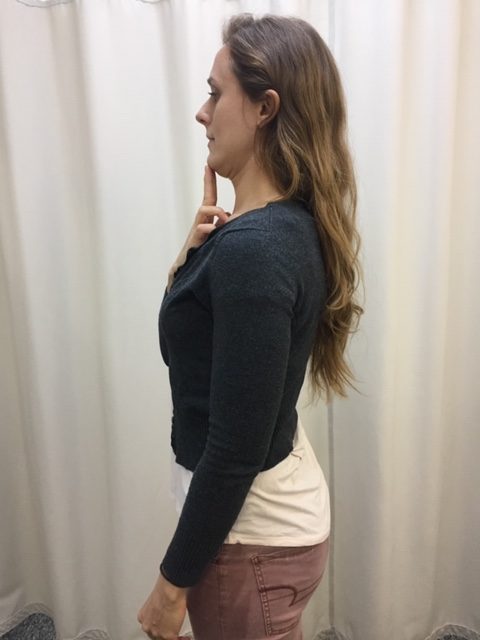
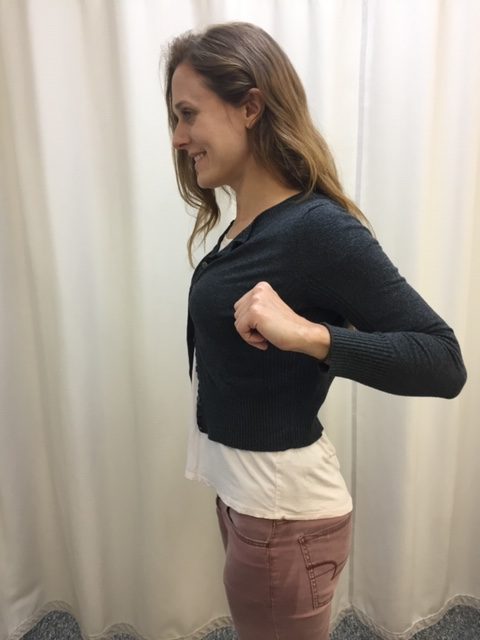
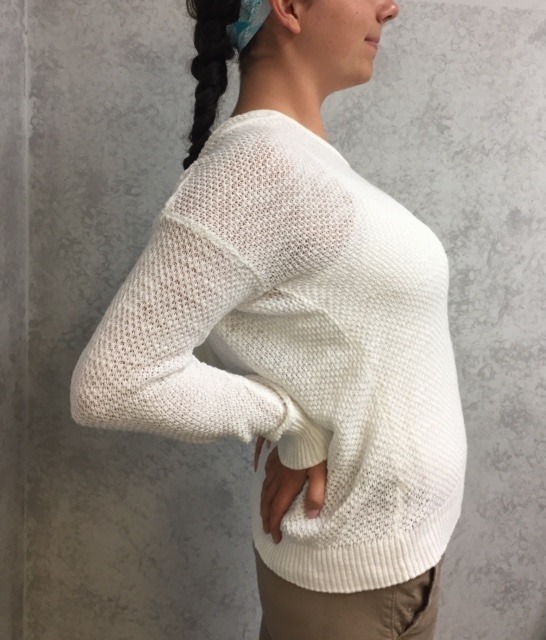
POSTURE EXERCISES
The following exercises should be performed throughout the day as a break from sitting, studying or working at home, school or the office. They should be performed gently, slowly, held for 3-5 seconds and repeated 5-10 times. The exercises should only cause a slight stretch but NOT PAIN.
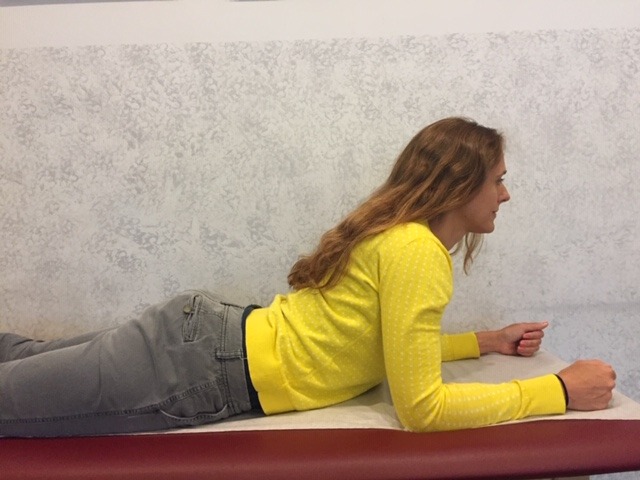
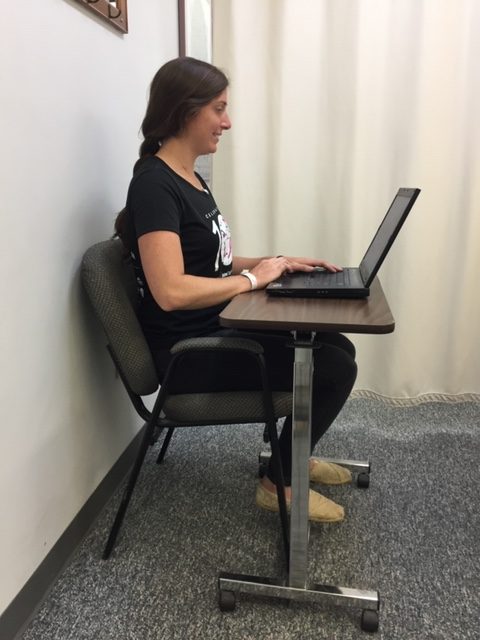
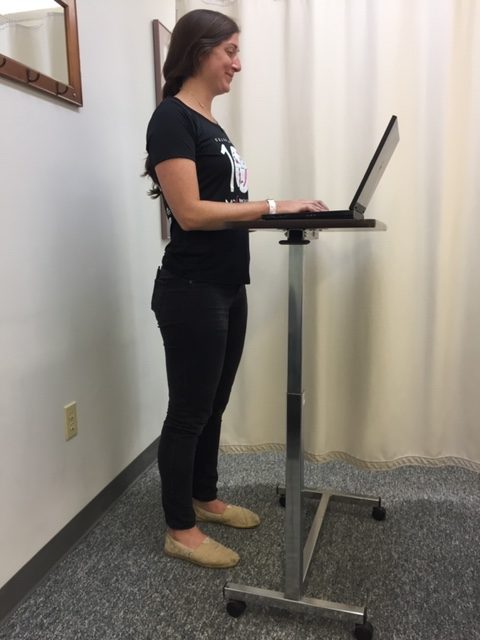
For all of Dr. Mackarey's Articles visit our health care forum at https://mackareyphysicaltherapy.com/forum/
Dr. Mackarey’s Health & Exercise Forum – every Monday
This article is not intended as a substitute for medical treatment. If you have questions related to your medical condition, please contact your family physician. For further inquires related to this topic email: drpmackarey@msn.com. Paul J. Mackarey PT, DHSc, OCS is a Doctor in Health Sciences specializing in orthopaedic and sports physical therapy. Dr. Mackarey is in private practice and is an associate professor of clinical medicine at Geisinger Commonwealth School of Medicine.
SITTING TOO MUCH? ZOOM CLASS FROM HOME…WORKING FROM HOME…
Can lead to stiff neck and back pain
Part I of II
Standing while studying, working, reading … good for children and adults to learn, work and be healthier!
I think we would all agree, technology is a wonderful thing. However, like all good things, it comes at a price. Students and workers alike have always suffered from the many physical effects of sitting for too many hours. But now, with a full day of Zoom classes, virtual meetings and long hours working from home, I have heard from many people suffering from neck, middle and lower back pain as well as headaches associated with prolonged sitting and computer use.
Studies show the impact of prolonged sitting, especially with poor posture, are multifaceted; pain, headaches, vision problems, poor concentration, excess fat storage with weight gain. Studies strongly support the use of using good posture, ergonomic workstations, posture stretches and frequent changes of positions, including the use of standing desks to prevent pain and injury. In fact, standing desks are not a new invention; they have been used by many to promote health and stimulate thought…Hemingway, Franklin and Jefferson all stood while they worked.
The Problem is Gravity!
The average head weighs 10 to 12 pounds and when tilted down at a 45 degree angle the forces of gravity are multiplied by 5. While reading, studying or working on the computer with poor posture, one must support 50 or more pounds of pressure on the neck, middle and lower back for hours on end. It is no wonder why this activity is associated with headaches, neck and back pain, numbness and tingling in arms and legs, muscle spasms etc. Some studies report the lifetime prevalence of neck and shoulder pain in office workers as high as 80%.
Recent research has also correlated the amount of time an individual sits to a decrease in their average life expectancy. Seriously, watching television and sitting is literally killing us. The Heart and Diabetes Institute of Australia conducted extensive research on sedentary behavior, including a review of almost one million people. They used actuary science, adjusted for smoking, waist circumference, and diet and exercise habits to assess the specific effects that the hours of sitting in a day impacts a person’s life span. They found that sitting too long results in a decrease in muscle contraction of the big leg muscles and because these unused muscles need less fuel, more unused glucose (fuel) is stored in the muscle. High glucose levels result in high blood sugar, which leads to adult onset diabetes and other health issues.
Sitting in a Virtual or Real Classroom…
The deleterious effects of sitting in children have also come under scrutiny and it may impact the classroom. Due to technology, today’s classroom is more advanced in many ways. However, the traditional hard chair and desk remain unchanged. Not only are these, “one size fits all,” desks uncomfortable, current research suggests that they may also limit learning.
Recent studies show that standing desks promote not only a physically healthier child by expending more calories and lowering obesity, but also improves focus and concentration to improve academic outcomes.
Research from Texas A&M Health Science Center found two landmark things about children who worked at standing desks such as Stand2LearnR, when compared to those seated: One, children burned more calories and obese children burned more than normal-weight peers. Two, children were more attentive in the classroom and engaged more with their teacher and their work when allowed to stand. Teachers in the study not only found the results to be favorable for fidgety, high-energy kids, but those who tend to be overweight and tired benefited greatly.
Researchers were quick to point out that there may be many ways to promote movement and limit sitting in the classroom that may also promote learning in a healthy way such as sitting on exercise balls or inflatable discs.
Sitting in the Home Office or Work Office …
The average office worker sits for more than 10 hours per day between office work, sitting at lunch, checking email and social media at home. Amazingly, studies suggest that even vigorous exercise before and after work cannot overcome the damage from prolonged sitting. New products such as the “TrekDeskR,” allows a worker to work on a computer, phone, or do paperwork, while walking on a treadmill, has health benefits. Also, other products such as VariDeskR, allows for frequent positional changes from sitting to standing while working. Even without using a standing desk, changing positions, such as standing during phone calls or meetings has proven to be valuable.
TrekDesk; VariDesk; Stand2Learn Desk
Caption: Standing desks have been used by many to promote health and stimulate thought…Hemingway, Franklin and Jefferson all stood while they worked.
(use TrekDesk photo (www.trekdesk.com) from previous column and refer to column date or link) Photo of VariDesk (www.varidesk.com); Photo of Stand2Learn Desk (www.stand2learn.com).
For more of Dr. Mackarey's articles visit our Health and Exercsie Forum: https://mackareyphysicaltherapy.com/forum/
Dr. Mackarey’s Health & Exercise Forum – every MondayThis article is not intended as a substitute for medical treatment. If you have questions related to your medical condition, please contact your family physician. For further inquires related to this topic email: drpmackarey@msn.com. Paul J. Mackarey PT, DHSc, OCS is a Doctor in Health Sciences specializing in orthopaedic and sports physical therapy. Dr. Mackarey is in private practice and is an associate professor of clinical medicine at Geisinger Commonwealth School of Medicine.
Difficulty sleeping during the COVID-19 quarantine has become a common problem and can be manifested in a variety of ways; insomnia, fragmented sleep and nightmares. National prescription providers have reported a 21% increase in anti-insomnia, anti-anxiety and antidepressant medications since March of 2020. The past two weeks in Health & Exercise Forum” have been dedicated to sleep wellness.
We discussed the importance of sleep for health and wellness. Sleep is crucial to us as a species, but it is not always easily attained. For many individuals across the globe, sleeping properly can be a challenge. The trial and tribulations of the human experience can lead to restless nights and early morning risings without adequate sleep. This week, we will discuss how lack of quality or quantity of sleep can impact our lives in many ways and make suggestions to improve your sleep hygiene.
Although it may be tempting to sleep in on weekends after a long week of classes, some studies report that this habit results in a smaller volume of the gray matter of the brain in adolescents. Also, in this report, students who altered their sleep pattern on weekends had a lower grade average than those who did not. Therefore, it seems that it is not only important to maintain an average healthy average amount of sleep each night, but also to stay consistent with the hours that you are asleep.
There are many studies that have linked unhealthy sleep patterns to obesity. Inadequate sleep causes irregular levels of the hormones that are responsible for telling our brains when we need to eat. Therefore, this hormone imbalance can lead to obesity and thus make us vulnerable to the dangerous effects dramatically increased body fat.
A healthy sleep schedule has been shown to reduce the risk of heart disease and stroke, which are two of the leading causes of death in the United States. For example, interruptions in sleep due to disorders like sleep apnea have been shown to be a risk factor for stroke and that persistent tiredness often preceded heart disease.
Whether you are a high school or collegiate athlete, or simply enjoy some daily exercise, a healthy sleep schedule can help maximize performance. It is worth noting that it is possible that athletes require different sleep patterns than the general population to reach peak performance. Moreover, it has been shown that sleep loss is linked to a decreased ability in athletes to store sugar in the muscle to use as energy during a workout.
Needless to say, there are a plethora of things that can negatively impact our sleep. Even one night of poor sleep can drastically impact our performance and ability to concentrate the following day. So how do we combat this? There are several simple habits that can improve sleep hygiene and increase the likelihood of getting a good night’s sleep.
There are thousands of other resources that can help us achieve a great night’s sleep. Apps like “Calm” and “Headspace” have guided meditations and relaxation techniques to help us unwind before bed. More useful information about healthy sleep and why it is important can be found on Harvard Medical School’s Healthy Sleep website. And there are hundreds of thousands of YouTube videos with relaxation techniques and informative healthy sleep videos to be discovered. If these interventions do not improve your sleep, talk to your primary care doctor and see which next steps are right for you.
Sleeping well is not always easy and there will undoubtedly be nights on which rest eludes us despite our best efforts. But with consistent healthy sleep habits, we will be on our way to a healthier and better tomorrow.
For More Informations:
-http://healthysleep.med.harvard.edu/healthy/
-https://jamanetwork.com/journals/jamainternalmedicine/fullarticle/2110998
-https://www.sciencedirect.com/topics/medicine-and-dentistry/insomnia
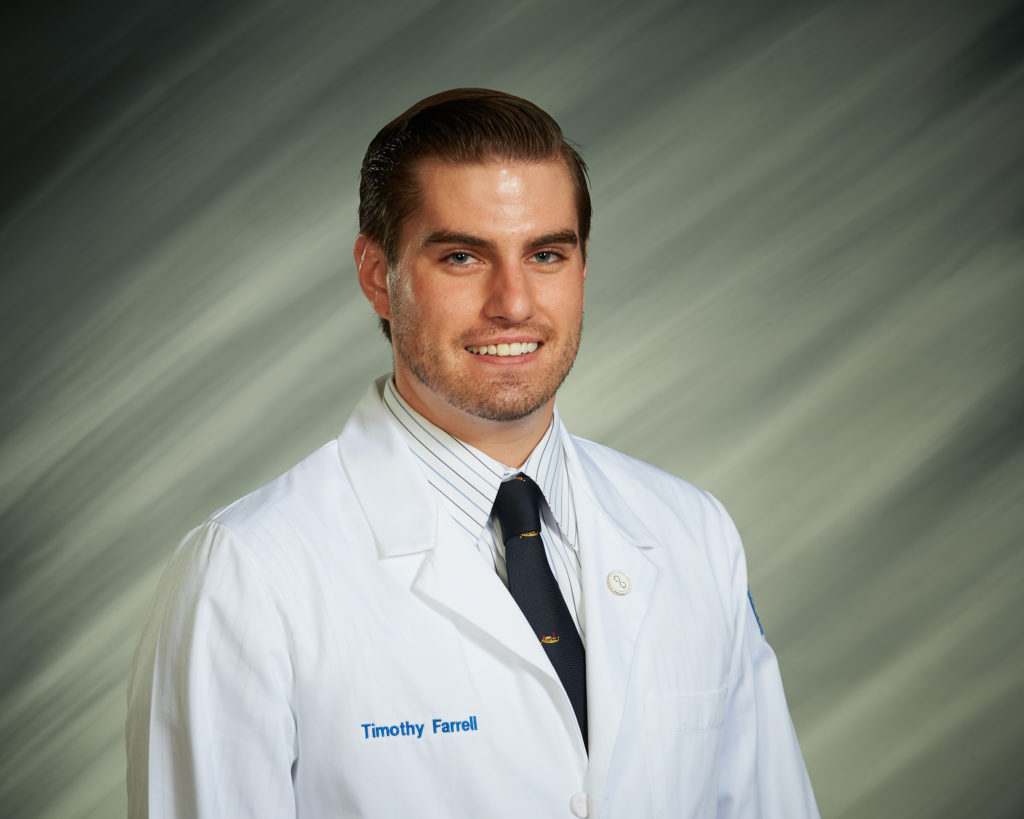
Timothy Farrell, MD3
Tim Farrell is a third year medical student at Geisinger Commonwealth School of Medicine. Originally from Clarks Summit, Pennsylvania, Tim received his bachelor’s degree from Loyola University Maryland in Baltimore, MD. Currently a 2nd Lieutenant in the US Army, he enjoys listening to music, running, and spending time with his two dogs. He volunteers with the Cody Barrasse Foundation in the Organ Transplant Assistance Program, where he helps patients receive grant funding as they await their transplant surgery. He hopes to pursue a career in General Surgery.
This article is not intended as a substitute for medical treatment. If you have questions related to your medical condition, please contact your family physician. For further inquires related to this topic email: drpmackarey@msn.com
Paul J. Mackarey PT, DHSc, OCS is a Doctor in Health Sciences specializing in orthopaedic and sports physical therapy. Dr. Mackarey is in private practice and is an associate professor of clinical medicine at Geisinger Commonwealth School of Medicine.
Part I of II
Difficulty sleeping during the COVID-19 quarantine has become a common problem and can be manifested in a variety of ways; insomnia, fragmented sleep and nightmares. National prescription providers have reported a 21% increase in anti-insomnia, anti-anxiety and antidepressant medications since March of 2020. The next two weeks in Health & Exercise Forum” will be dedicated to sleep wellness.
We do it every night, hopefully. Children are doing it. Our grandparents are doing it. Teenagers do it all the time. We sleep of course. These hours in which we slumber are vital to our ability to function during the day and to our health overall. It does not appear evolutionarily advantageous for us to be unconscious for extended periods of time. Modern science tells us that much of our body’s restoration, strengthening, and processing occurs while we sleep. Our brains consolidate the information they have learned throughout the day and enhance our memory. Additionally, sleep restores sugar storage in our brains and improves the functioning of our immune system. But science does not illuminate why we need such a prolonged period other than the fact that we just seem to get sleepy after a long day.
Sleep is crucial to us as a species, but it is not always easily attained. For many individuals across the globe, this author included, sleeping properly can be a challenge. The trial and tribulations of the human experience can lead to restless nights and early morning risings without adequate sleep. But what is considered “adequate” sleep? The answer depends on your age. As we grow older, our sleeping requirements change drastically from infancy to elderdom. Infants are learning and processing so much information of this new world they now inhabit. Thus, their brains need enough time to analyze and consolidate the data, necessitating 12 to 15 hours of sleep. As we advance into adulthood, our sleep requirements drop to approximately 7 to 9 hours with some variability from person to person. Good indications of a restful night’s sleep include waking up feeling refreshed, functioning with enough energy for your daily tasks, and having continuous sleep- meaning there are not extended periods of time of wakefulness when we are supposed to be sleeping.
This seems easy enough to say, but significantly more difficult to do. Current reports demonstrate that roughly 100 million people suffer from insomnia at some point each year, with 25% progressing to long-term chronic sleep insufficiency. Insomnia is described as difficulty falling asleep or staying asleep for three nights per week for at least two consecutive weeks in a three-month period. There are a lot of unhealthy sleeping habits permeating the country. We measure the quality of sleep in two different dimensions duration (quantity) and depth (quality). The duration is straightforward enough. Do you sleep for the recommended 7 to 9 hours per night? The quality is a little more difficult to quantitate. Some individuals may sleep for the proper duration of time, but the depth is not adequate. Sleep quality is determined by the number of arousals or awakenings in a given night. As few as 5 arousals in a night can result in daytime sleepiness and performance deficits. In addition, how long we remain in certain phases of sleep also determines the quality of our sleep. There are four stages of sleep: N1, N2, N3, and REM with N3 being the most restful of the stages. When we fall asleep, we go through a predictable descent into sleep. We repeat the cycle of N1 to N2 to N3 to REM sleep every 60 to 90 minutes. The more time we remain in the restful stages, N3 and REM, the better our sleep is. As we age, we inevitably spend less and less time in restful sleep.
There are many factors that influence how we sleep. Everything from what we drink to the type of curtains we have can impact those crucial hours of sleep. Some of the more common culprits that disrupt our sleep are:
For More Informations:
-http://healthysleep.med.harvard.edu/healthy/
-https://jamanetwork.com/journals/jamainternalmedicine/fullarticle/2110998
-https://www.sciencedirect.com/topics/medicine-and-dentistry/insomnia
Read Dr. Mackarey’s Health & Exercise Forum – every Monday. Next Week Read, Sleep and Wellness Part II.
This article is not intended as a substitute for medical treatment. If you have questions related to your medical condition, please contact your family physician. For further inquires related to this topic email: drpmackarey@msn.com
Paul J. Mackarey PT, DHSc, OCS is a Doctor in Health Sciences specializing in orthopaedic and sports physical therapy. Dr. Mackarey is in private practice and is an associate professor of clinical medicine at Geisinger Commonwealth School of Medicine.
Read all of Dr. Mackarey's articles in our health and exercise forum: https://mackareyphysicaltherapy.com/forum/
Guest Columnist: Timothy Farrell, MD3
Tim Farrell is a third year medical student at Geisinger Commonwealth School of Medicine. Originally from Clarks Summit, Pennsylvania, Tim received his bachelor’s degree from Loyola University Maryland in Baltimore, MD. Currently a 2nd Lieutenant in the US Army, he enjoys listening to music, running, and spending time with his two dogs. He volunteers with the Cody Barrasse Foundation in the Organ Transplant Assistance Program, where he helps patients receive grant funding as they await their transplant surgery. He hopes to pursue a career in General Surgery.
One positive outcome of the home confinement during the pandemic is that many people are spending more time than usual getting fit. However, when it comes to exercise, like many things, there is a right way and a wrong way to do it. And, as with many topics in the health and fitness world, there are many, many misconceptions about exercise. Here are my top ten most common exercise myths!
FALSE – Why pain is different than discomfort…
Muscle soreness and “feeling the burn” can occur during a normal healthy exercise routine. However, you should never experience a sharp, deep, intense or lingering pain during or after exercise. In fact, if the soreness lasts more than 24-48 hours, than you did more damage than benefit to your muscles and other tissues and it is time to scale back and take time off. If necessary, use RICE (rest, ice compression and elevation). It is important to get in tune with your body and learn the difference between muscle strain and fatigue discomfort and pain from soft tissue damage from overuse and overload. Find the proper amount of weight and repetitions and gradually increase over time.
2. Always Stretch Before you Exercise.
FALSE – This is not always the best advice
There is no solid evidence that stretching alone before a sport or activity prevents injury. In fact, over stretching may be counterproductive before a sport as it may weaken the muscle. The current wisdom on the matter is; never stretch a cold muscle. Instead, warm up for 5-10 minutes by actively moving the extremities and light jogging or biking and THEN lightly stretch the arms, legs, back etc. More vigorous stretching should be performed to improve the flexibility of tight muscles (ie calf and hamstring muscles) and best done after your workout but not before a sporting activity (tennis, basketball, etc.).
3. Lifting Weights Will Make you Bulky.
FALSE – Depends on your hormones
It is very unlikely that women and pre pubescent males will bulk up from lifting weights…especially light weights (blame or thank hormones). It will, however, increase metabolism and fat burning efficiency which can lead to weight loss and good muscle tone. Stick with low resistance and high repetitions for best results.
4. With the Correct Program, Spot Reduction Can be Achieved
FALSE – It is not possible to target an area of the body to burn more fat
It is very common for women to ask for a specific exercise to reduce the fat in their buttocks, thighs and abdomen. Regretfully, it is not possible to target weight loss in these areas or other body parts. In fact, when you lose weight through diet and exercise, the caloric expenditure will be evenly distributed throughout the body. However, once the adipose tissue in a specific part of the body such as the abdomen is reduced from general weight loss, targeting the area with exercises specific to that muscle group will improve the tone and definition for a leaner look in that region.
5. If you don’t have 45-60 Minutes to Exercise, Don’t bother.
FALSE – The research on this topic does not support it
Sure, it would be great to dedicate 60 minutes 5 -6 days a week for exercise. But for most of us who work and raise a family it is not practical. The good news is that the research supports 30 minutes of exercise 3-5 days a week. Moreover, evidence shows that 10 minutes, three times a day, 5 days per week will help you attain the 150 minutes a week supported in most exercise studies.
6. If you have Arthritis, Exercise will make it worse.
FALSE – There is no evidence to support this…but it supports the opposite.
Most people with the most common form of arthritis, osteoarthritis, feel better when they are moving. That is not to say that they don’t have increased symptoms when they OVERDO it. An exercise program specifically designed for a person’s problem and limitations will improve their symptoms and function. For example, if an individual has arthritis in their knees, they should use an exercise bike (partial weight bearing) or swim (buoyancy effect of water) instead of walk or run (full weight bearing) for aerobic exercise. Furthermore, they would do far better with light cuff weights in a sitting or lying position to strengthen their legs than performing squats or lunges. It is important to remember, the weight gain and joint weakness and stiffness associated with a sedentary lifestyle will do more harm to an arthritic joint than a proper exercise program.
7. You Need a Sports Drink When you Exercise
FALSE – Not unless you are planning a killer workout
The number one reason most of us exercise is to lose or control body weight. With this in mind, high calorie sports drinks are counterproductive and unnecessary. If you do not plan on exercising for more than 60 minutes, good old fashion H2O is more than adequate. However, if you plan to do a “killer” workout for more than 60 minutes and may incorporate a high intensity interval training (HIIT) program, than a sports drink with electrolytes and other nutrients, may be of value.
8. Exercise Machines are Better than Free Weights
FALSE – For most of us, effective resistance training is not about the equipment
It is safe to say, caveman was pretty fit and strong despite the fact that he never went to a gym and lifted weights. He did however, lift, push, pull, and carry heavy stones, timber, and animals for day to day survival. So too, it is for modern man, the body does not distinguish between the resistance provided by a elastic band, dumbbell, or cable with pulleys and weight stacks. As long as the basic principles of strength training are applied, (isolating a muscle or muscle group, loading the muscle with enough force to bring it to fatigue without causing tissue damage, and allowing for adequate rest and recover) than the muscle will gain strength regardless of the type of resistance.
9. Running is Better Than any other Form of Aerobic Exercise
FALSE – Don’t tell that to competitive swimmers
First, let me confess that I love to run and up until recently, ran almost daily. However, now that I am over 60, I had to find new forms of aerobic exercise which would be kinder and gentler to my joints. So, I mix it up between biking (indoors and outdoors, recumbent and upright), brisk walking or hiking, elliptical and stepper and swimming laps. Again, like the caveman weight lifting example, the body (heart and lungs) does not know what is causing an increase in heart rate for 30, 45 or 60 minutes, it only knows that it must respond to allow the body to function under this stress. And, in the process it becomes conditioned to the point that it will work much more efficiently when not under stress with a lower heart and respiratory rate and blood pressure at rest.
With this in mind, those over 50 would be well-advised to engage in low-impact aerobics on a regular basis. For example, if you want to run two to three days per week, do not run two days in a row and consider performing low impact exercise in between. Some examples of low impact aerobics are: walking, treadmill walking, swimming, elliptical trainer, and an exercise or road bike.
10. If You Never Stop Exercising than you won’t have to adjust your exercise program as you age.
FALSE - Why Change is Necessary with Age…
For many years, I have repeatedly preached about the value of engaging in an active lifestyle throughout life. It is especially important to be active as one gets older in order to maintain mobility and independence. However, many take this advice to an extreme and refuse to accept the inevitable changes that occur in the body with age. They run, jump, lift and throw like a teenager and often fail to modify their activity or exercise regimen appropriately for their age. Consequently, they suffer from multiple injuries, including muscle tears, tendonitis, bursitis, impingement and advanced osteoarthritis. Keep in mind, everyone ages differently. One person at 60 years of age may be the equivalent of another at 50. However, change with age is inevitable, so be kind to your body…it’s the only one you have! It is always prudent to consult your physician and physical therapist for a program designed specifically for your needs.
For more myths about exercise check out this youtube video! https://www.youtube.com/watch?v=yWLVsTWPcY0
For more of our Scranton Times articles check out our Health and Exercise Forum page: https://mackareyphysicaltherapy.com/forum/
NEXT MONDAY – Read Dr. Paul J. Mackarey “Health & Exercise Forum!”
This article is not intended as a substitute for medical treatment. If you have questions related to your medical condition, please contact your family physician. For further inquires related to this topic email: drpmackarey@msn.com
Paul J. Mackarey PT, DHSc, OCS is a Doctor in Health Sciences specializing in orthopaedic and sports physical therapy. Dr. Mackarey is in private practice and is an associate professor of clinical medicine at GCSOM.
Guest Columnist: Catherine Udomsak, DPT

Patients frequently ask me about the merits of yoga, from relaxation to flexibility. Many say, they are too busy or they don’t know enough about it. Well, in light of the fact that everyone has been forced to spend more time indoors, slow down and try new things, now may be a good time to try yoga.
It is hard to believe that yoga, which is now a cultural mainstay, was once considered a foreign practice. An ancient discipline that totes numerous health benefits, yoga is meant to cultivate inner peace, enlightenment, and a strong relaxed body. In the past, only major cities housed yoga studios but over time yoga has spread into small towns across the country. Studios offer a variety of classes and each promotes their own unique philosophy. Whether you are looking for a new workout regime, compliment to your current program or simply to quiet your mind in a hectic world, yoga may be an option for you.
Yoga is a discipline that developed over 5,000 years ago and is generally recognized as an ancient system for wellbeing. The word yoga, from the Sanskrit word “yuj”, literally means to yoke or to bind together. The primary focus of yoga is to harmonize or unite the mind, body, and spirit through a combination of poses, breathing techniques, and meditation.
The specific origin of yoga is a topic of debate. However, it is said to have originated in India and was brought to the Western world by yoga gurus in the late 19th and early 20th centuries. The basis for most current yoga practices is The Yoga Sutras of Patanjali. In The Yoga Sutras, eight limbs of yoga are specified. The three most common limbs are meditation, pranayama or breathing exercises, and asana which are the physical poses. Yoga classes can vary greatly, however, most classes include a combination of meditation, breathing exercises, and physical postures.
There are numerous styles of yoga. If you are a newcomer, deciding on a yoga class may be difficult. It is always a smart idea to call a studio before attending a class to gain information and have any questions answered. Furthermore, if you have any health concerns you may want to consult your doctor prior to trying a new form of exercise. Some common forms of yoga include but are not limited to:
Hatha - Hatha yoga is a general broad-based term referring to any type of yoga that teaches physical postures. Typically, one will find Hatha classes to be slow and gentle and a great option for beginners.
Vinyasa - This type of yoga focuses on the coordination of breath with movement. In Vinyassa yoga classes you can expect a continuous flow of movement from one posture to the next. Classes can be fast paced and are often appealing to those looking for a more strenuous workout.
Iyengar - Unlike Vinyassa, this type of yoga focuses on holding postures for a period of time to bring the body into it’s best alignment. If you attend this type of yoga class you can expect to use props including yoga blocks, blankets, and straps.
Ashtanga - This type of yoga follows a specific sequencing of postures. This rigorous form of yoga always performs the same postures, in the same order at each class and is typically fast paced.
Bikram - Typically performed in rooms heated to 105 degrees Fahrenheit and 40% humidity, the heat warms muscles and allows a deeper stretch. The difference between Bikram and Hot yoga is that Bikram follows a specific sequence of 26 poses from which hot yoga often deviates.
Yin Yoga - This meditative practice is perfect for those who want to calm their mind. In this type of yoga, poses are held for 5 minutes or longer. The purpose is to apply a deep stretch to the connective tissue (the tendons, fascia and ligaments) to improve flexibility.
Restorative - Best for those who want to focus on relaxing and taking some time to slow down. Most restorative yoga classes will be slow moving with longer hold times to allow deep relaxation.
Below you can find a few common yoga poses or asanas that can be found in beginner classes. These poses promote flexibility and strength and can be incorporated into your everyday workout routine. Remember, before you attempt the poses, begin by walking, biking or running to warm up. Don’t overstretch, perform slowly, and hold the position. You should feel mild discomfort NOT pain.
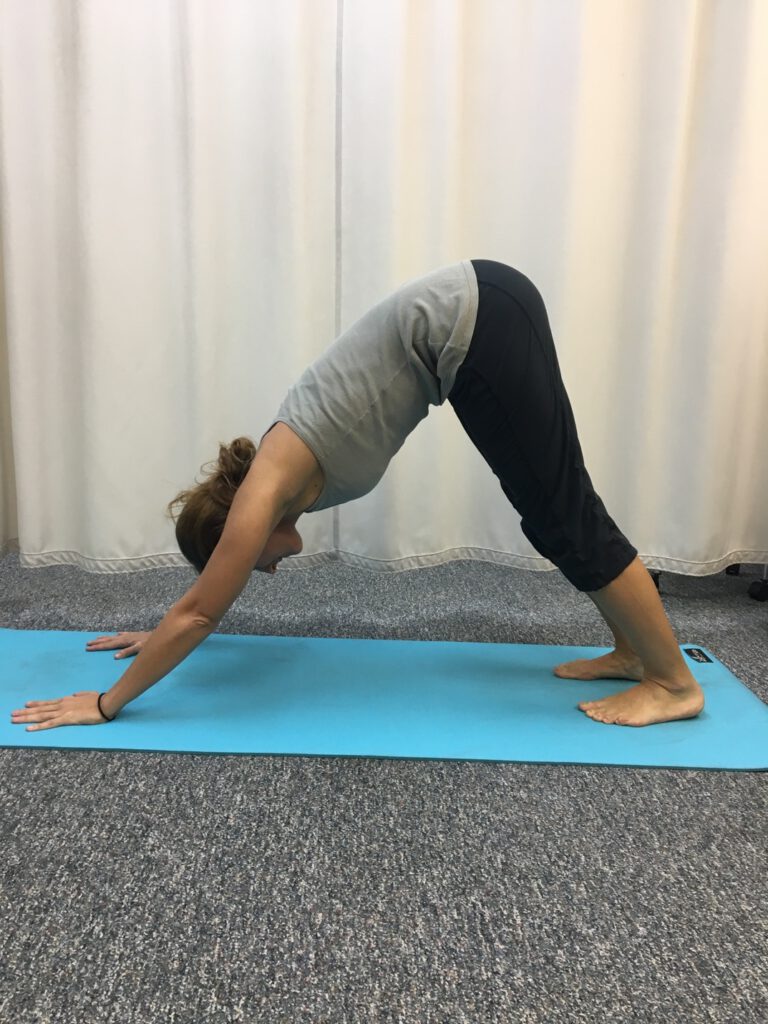
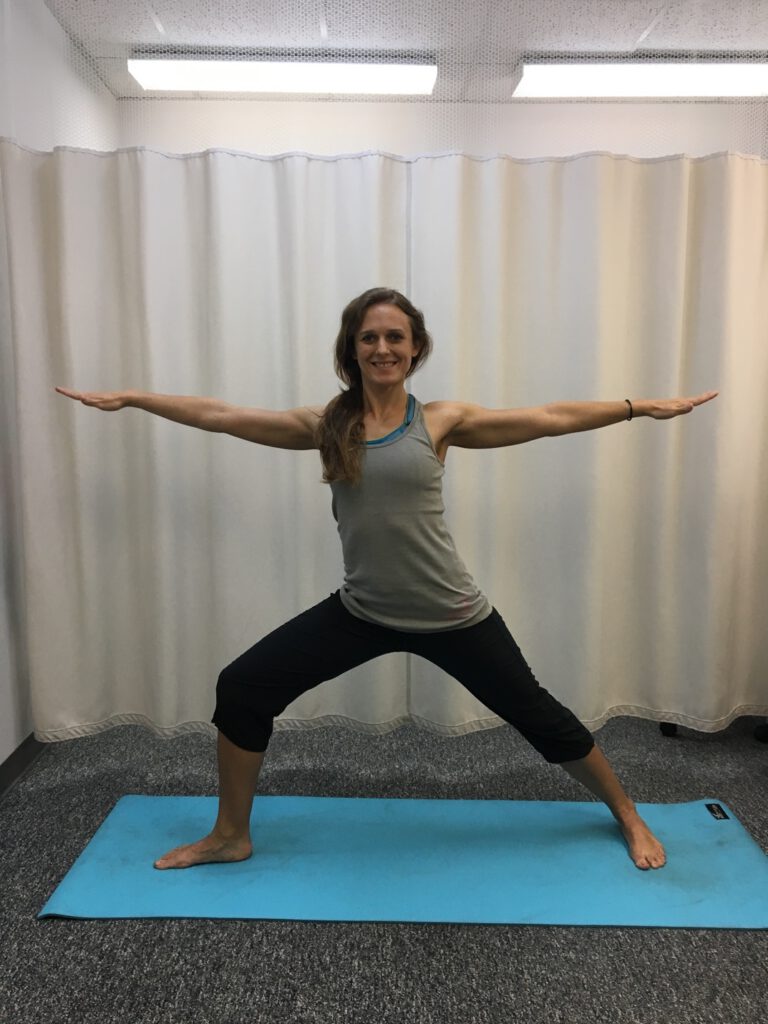
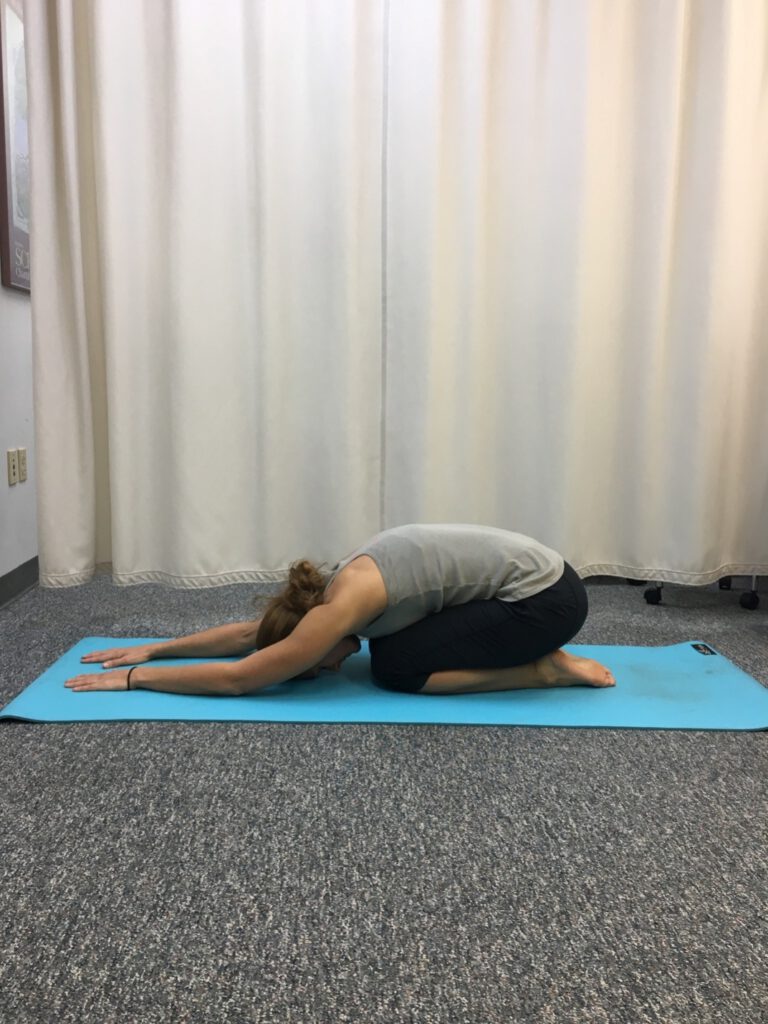
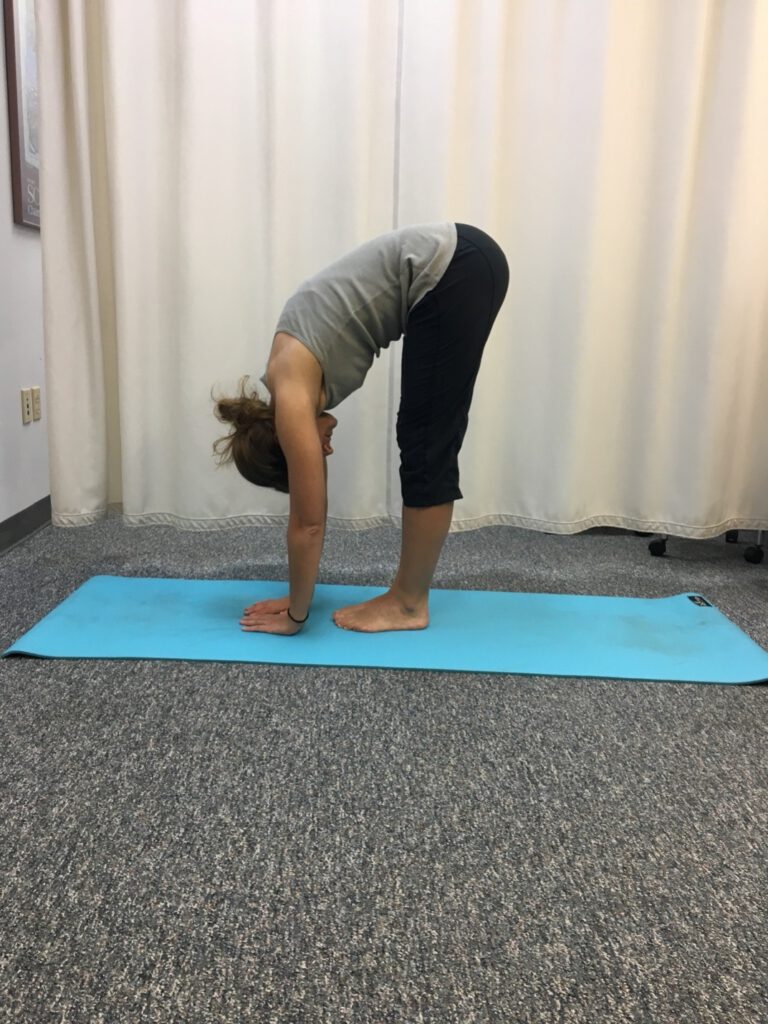
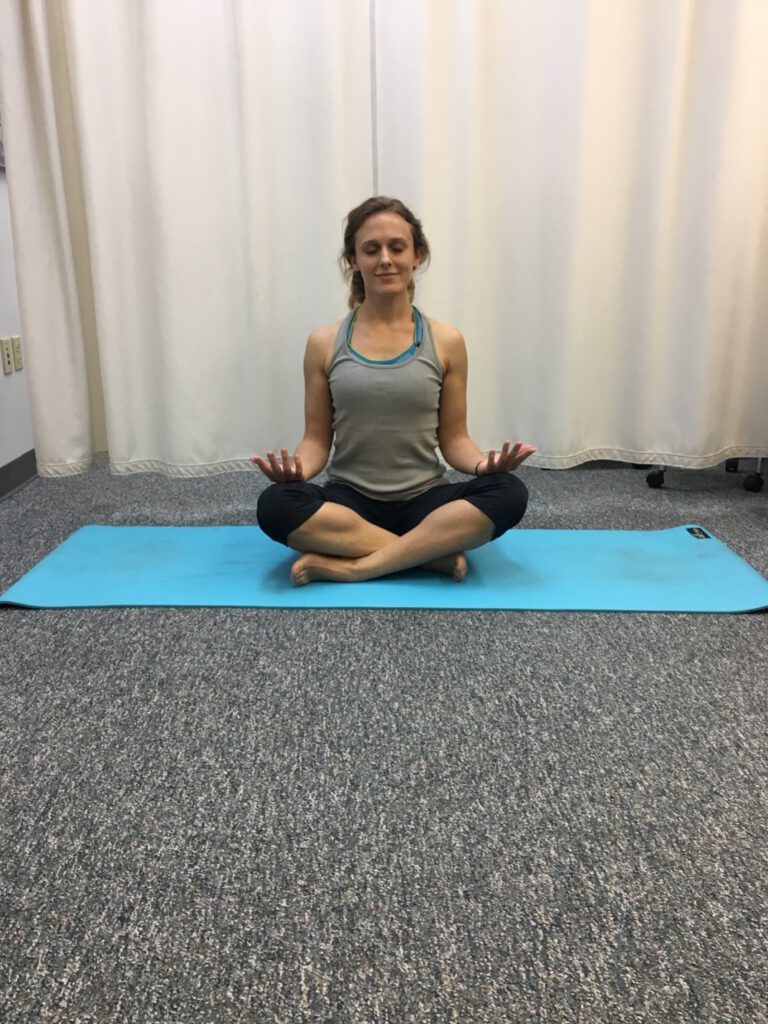
There are a lot of options when it comes to where to start to practice yoga. It is important that the studio you choose employs certified yoga instructors who have completed comprehensive training. A good instructor can make all the difference in your yoga experience. The studio should provide a clean environment and offer a variety of classes including beginner level if you are a newcomer. The best way to get a feel for a studio is to stop in for more information. You may want to ask about pricing as there are often discount introductory rates. Ask about rentals if you do not own a yoga mat and request to see the space. Some yoga studios have a strong sense of community while others are more like a gym. Try out a few different places until you find a fit for you.
Guest Columnist: Catherine Heimrich, DPT is a doctor of physical therapy and is an associate at Mackarey & Mackarey Physical Therapy Consultants, LLC in downtown Scranton, where she works with outpatient orthopedic and neurological patients. She has a special interest in vestibular and balance problems.
Model: Sarah Singer, PTA
Read Dr. Mackarey’s "Health & Exercise Forum" every Monday in the Scranton Times-Tribune.
This article is not intended as a substitute for medical treatment. If you have questions related to your medical condition, please contact your family physician. For further inquires related to this topic email: drpmackarey@msn.com
Paul J. Mackarey PT, DHSc, OCS is a Doctor in Health Sciences specializing in orthopaedic and sports physical therapy. Dr. Mackarey is in private practice and is an associate professor of clinical medicine at Geisinger Commonwealth School of Medicine.

Yoga for a Healthy Mind, Body, and Spirit, Part 1 of 2
Guest Columnist: Catherine Heimrich, DPT
Patients frequently ask me about the merits of yoga, from relaxation to flexibility. Many say, they are too busy or they don’t know enough about it. Well, in light of the fact that everyone has been forced to spend more time indoors, slow down and try new things, now may be a good time to try yoga.
It is hard to believe that yoga, which is now a cultural mainstay, was once considered a foreign practice. An ancient discipline that totes numerous health benefits, yoga is meant to cultivate inner peace, enlightenment, and a strong relaxed body. In the past, only major cities housed yoga studios but over time yoga has spread into small towns across the country. Studios offer a variety of classes and each promotes their own unique philosophy. Whether you are looking for a new workout regime, compliment to your current program or simply to quiet your mind in a hectic world, yoga may be an option for you.
Yoga is a discipline that developed over 5,000 years ago and is generally recognized as an ancient system for wellbeing. The word yoga, from the Sanskrit word “yuj”, literally means to yoke or to bind together. The primary focus of yoga is to harmonize or unite the mind, body, and spirit through a combination of poses, breathing techniques, and meditation.
The specific origin of yoga is a topic of debate. However, it is said to have originated in India and was brought to the Western world by yoga gurus in the late 19th and early 20th centuries. The basis for most current yoga practices is The Yoga Sutras of Patanjali. In The Yoga Sutras, eight limbs of yoga are specified. The three most common limbs are meditation, pranayama or breathing exercises, and asana which are the physical poses. Yoga classes can vary greatly, however, most classes include a combination of meditation, breathing exercises, and physical postures.
So what is with all the hype? Why has yoga become so popular? Many would say it is due to its numerous mental and physical health benefits. Research has shown that yoga, when practiced regularly, can reduces stress levels and even boost one’s immune system. Regular stretching releases tension in the body and the controlled breathing and mediation decrease anxiety. Studies show that those who practice yoga habitually can have decreased blood pressure and cholesterol making them less prone to heart disease. Other ailments which are shown to be positively impacted by yoga include insomnia, depression, and chronic pain including low back pain and headaches. Yoga is an excellent way to combat the negative effects of stress on the body and cope with anxiety and angst.
In addition to stress reduction, yoga has many physical benefits. These include increased flexibility, strength, and balance. Those who practice yoga regularly are often less prone to injury, such as a muscle strain or tear, due to their increased flexibility. Furthermore, yoga can be an effective way to strengthen one’s core which is crucial to maintaining ideal posture and protecting the back. For athletes, yoga can be a great way to challenge one’s balance and improve stability. In the elderly, it is a safe way to improve overall body awareness and decrease the risk of falling. Yoga has also been shown to improve respiration and many report an overall increase in energy when incorporating yoga into their lives.
With all of the positive impacts yoga has on the body it is easy to see why it has become such a popular form of exercise. There are classes to meet almost all needs and most poses can be modified based on ability. Yoga can be practiced by those of all ages and all fitness levels. Whether you’re looking for a way to loosen up tight muscles or you simply wish to quiet your mind for an hour, yoga is a tool to improve and maintain health. The only thing you need is a mat and an open mind.
Yoga can be practiced by anyone. From children to adults to the elderly, there are classes for all ages and abilities. It can be a form of cross training for athletes, especially runners who tend to have tight musculature. It also promotes balance and core stability which may be beneficial to sportspersons including football players, soccer players, boxers, etc. Furthermore, there are classes for the elderly which focus on balance and maintaining mobility. There are even prenatal yoga classes for pregnant women to promote deep breathing, flexibility and muscle tone.
Next Week: Types of Yoga and Basic Poses
Guest Columnist: Catherine Heimrich, DPT is a doctor of physical therapy and is an associate at Mackarey & Mackarey Physical Therapy Consultants, LLC in downtown Scranton, where she works with outpatient orthopedic and neurological patients. She has a special interest in vestibular and balance problems.
Read Dr. Mackarey’s "Health & Exercise Forum" in the Scranton Times-Tribune every Monday. Next Week: Yoga - Part 2
This article is not intended as a substitute for medical treatment. If you have questions related to your medical condition, please contact your family physician. For further inquires related to this topic email: drpmackarey@msn.com
Paul J. Mackarey PT, DHSc, OCS is a Doctor in Health Sciences specializing in orthopaedic and sports physical therapy. Dr. Mackarey is in private practice and is an associate professor of clinical medicine at Geisinger Commonwealth School of Medicine.