There are many health issues associated with COVID 19 and gaining weight seems may be the most common of all. There are many reasons for weight gain during this stressful time and one of these is the psychology of eating. In the land of plenty, we eat mindlessly! Consider the facts. First, we blamed the food, thinking it was bad. But, when we chemically modify the food to remove or alter the fat or sugar and remove the calories, it fails to reduce our weight. In fact, it has been discovered that “fake sugar,” even though it does not have calories, can still increase blood glucose levels. Next, we decided that fat cells were the enemy, but when we removed fat cells from our body through liposuction, we failed to control weight gain. Then, we decided the problem was our digestive systems, so we placed bands or staples in the stomach or by-passed the small intestine. While these efforts helped many in the short run, long term, it failed as a long-term solution without a change in behavior. Many medical professionals have concluded that the problems people have with weight are not exclusively due to the food, fat cells, stomach or intestines, but rather, THE MIND!
WHAT IS MINDFUL EATING?
Mindful eating, also referred to as intuitive eating, is based on Buddhist teachings which focus on the experience of eating, AND ENJOYING, our food. The concept was presented in a feature column in The New York Times written by Jeff Gordinier, based on his time spent in a Buddhist monastery. He learned that mindful eating practitioners eat in silence and chewed small pieces of food very slowly and deliberately to experience its taste, texture and smell. He discovered that it requires full attention to the experience of eating and drinking on the body and mind. It is often referred to as “the opposite of diets” because with mindful eating there is no right or wrong way to eat, but rather varying degrees of awareness about WHAT WE EAT AND WHY. The goal of this exercise is to teach our mind and body to connect and communicate while eating so one can learn important cues such as: what are my hunger signals? What does my stomach feel like when it is half, three-fourths and completely full?
THE RESEARCH
One study of 1,400 mindful eaters found that they enjoyed lower body weights, greater sense of well-being and suffered from fewer eating disorders. However, many feel the concept, while valuable, is very difficult to put in practice in the busy American family. Fortunately, research shows that the simple act of the family meal can have a powerful impact on mindfulness, health and wellness, even if it isn’t a picture-perfect meal.
In a country that thrives on a fast pace with over-booked schedules, families struggle to balance work and school and after school sports and activities. Consequently, fast food, eat-and-go habits have become the norm. According to some studies, most find it difficult to sit and relax for a family meal even once a week. And often, when families do pull off a family meal, it is often overwrought with school drama, sibling rivalry, and parental discipline about school, homework or social activities, making the situation stressful. Even so, despite the family conflict, studies strongly support the health values of the family meal.
A recent study from Columbia University that received national attention found that children who participated in a family meal regularly were less likely to have problems with drugs or alcohol and more likely to excel in school. Moreover, those children eating with their families at least 5 times per week benefited most. Other studies have found that there is a significantly lower incidence of teens who smoke, use alcohol, have sex at a young age, fight, get suspended from school or commit suicide among those who have meals with their family on a regular basis.
| Mindless Eating | Mindful Eating |
| 1. Eating past full and ignoring your bodies signals | 1.Listen to your body and stopping when full |
| 2. Eating when emotions tell us to eat | 2.Eating when our body tells us to eat |
| 3. Eating alone and at random times and places | 3.Eating with others at set time and places |
| 4. Eating food that is emotionally comforting | 4.Eating food that is nutritious and healthy |
| 5. Eating and multitaking | 5.Eating and just eating |
| 6. Considering a meal an end product | 6.Considering where food comes from |
1 Let your body catch up to your brain
Eating rapidly past full and ignoring your body’s signals vs. slowing down and eating and stopping when your body says it’s full.
Willard suggests that slowing down the process of eating may be the best way to get our mind and body to communicate their nutritional needs. For example, it is well documented that there is a 20 minute delay from the stomach to the brain…which is why we continue to eat when we are full, only to feel overstuffed 20 minutes later. Eating mindfully involves: slowing down, sitting and relaxing, chewing our food 20 or more times, setting your fork down between bites, and practicing other table manners that promote slower eating and allows you to listen to the hunger/full signals from your body.
2. Know your body’s personal hunger signals
Are you responding to an emotional want or responding to your body’s needs?
It is important to distinguish between your unique hunger signals from your BODY (stomach growling, low energy, lightheadedness) as opposed to EMOTIONAL signals (stress, sadness, frustration, loneliness or boredom). Mindful eating requires listening intently to your body…knowing your body.
3. Develop healthy eating environments
Eating alone and randomly vs. eating with others at set times and places
Rummaging through kitchen cabinets in search of food and snacks and eating at random times and places are classic examples of eating mindlessly. Slow down, think about your hunger and how long it’s been since you have last eaten. Instead, plan a healthy snack or meal at set times and places. Plan you grocery list with this in mind. Keep a log or use a daily/weekly planner if necessary.
4.Eat food not comfort
Eating foods that are emotionally comforting vs. eating foods that are nutritionally healthy
Certain foods, many that contain sugars and fats, stimulate the pleasure centers of the brain and become the source of “cravings.” However, over time, we can retrain the brain to derive pleasure from healthier foods. Mindful eating involves thinking first, eating second, and choosing healthy options such as carrots, apples, grapes, oranges as a snack instead of cake, cookies, or chips.
5. Consider the life cycle of your food
Considering where food comes from vs. thinking of food as an end product
In hunter-gatherer cultures, people pay spiritual homage to those who provided the food and the plants and animals sacrificed in the process. Modern man/woman has been disconnected from their food and often eat without thought. Slowing down allows us to consider the farmer, butcher, baker, grocer, and those who prepare our food and bring it to the table. It can be both spiritual and thankful.
6. Attend to you plate
Distracted eating vs. just eating
Mindful eating avoids distraction. The classic example of eating the big bowl of popcorn at the movies and wondering at the end of the movie who ate it? When we are distracted we cannot listen to our body’s hunger/full signals and we overeat. Try single-task eating without phones, tablets, computers, or televisions. Instead, share some light conversation with a friend or family member.
EVERY MONDAY – Read Dr. Paul J. Mackarey “Health & Exercise Forum!”
Get all of Dr. Mackarey's articles at our website: https://mackareyphysicaltherapy.com/forum/
This article is not intended as a substitute for medical treatment. If you have questions related to your medical condition, please contact your family physician. For further inquires related to this topic email: drpmackarey@msn.com
Paul J. Mackarey PT, DHSc, OCS is a Doctor in Health Sciences specializing in orthopaedic and sports physical therapy. Dr. Mackarey is in private practice and is an associate professor of clinical medicine at Geisinger Commonwealth School of Medicine.
Science:
A miniscule piece of single-stranded RNA virus has caused over 22 million cases and 776,000 deaths worldwide and is estimated to cost about 10% of the world’s total economic output ($8.8 trillion). The United States remains the most affected country alone with over 5 million confirmed cases. As millions remain jobless and no end in sight, we are all left to ask “What is the coronavirus and why is it so different?” The key aspect of the coronavirus (which is similar to other pandemics) is its novelty and easy human-to-human transfer. Being considered a “novel” virus refers to the fact of its original transfer from animal to humans who have never been in contact with this type of virus. As a result, our bodies have not developed immunity to this particular strain of virus and this allows for the rapid world-wide distribution of the infection that we are currently experiencing. Further, the ease of transmissibility of the coronavirus via the respiratory route (meaning that the virus can remain in mucous membranes of the nose and the mouth and can spread via droplets) from person-to-person further propagates the problem. Even simply talking in close distance can spread the virus. Additionally, the virus is enveloped (“corona meaning “crown” or “wreath” in Greek), which allows the virus to be adherent to surfaces for a couple of hours even after the original host has left.
Personal Impact:
I saw firsthand the extent of the medical problems this virus can cause as my mother, who works in an in-patient nursing unit, became positive for COVID-19. 10 weeks ago, she woke up feeling fatigued in the morning which she attributed to inadequate sleep. Approximately 3 hours into her shift, she was feeling unwell and feverish. Fortunately, she was able to get same-day testing at an urgent care and was told to quarantine for the next 2 weeks with over-the-counter medication of Advil, Tylenol, or Aspirin. After 4 days of stable symptoms and vitals, things took a turn for the worse as she started to experience severe headaches, increased fever, nausea, and vertigo, and weakness which prompted us to visit the emergency room. A week later, respiratory symptoms became much worse as she started experiencing sharp intermittent chest pain, productive cough, and her oxygen levels were 89% (normal is 99%). These symptoms occurred multiple times in the next couple weeks and led to more emergency room visits. Ultimately, she ended up developing pneumonia. From the initial onset to resolving of most, but not all of her symptoms, took a total time of 6 weeks. Her age, health care occupation, and underlying Type II diabetes played a role in the complicated and long course of her recovery and is still not 100%.
Further complicating our problem was the fact that we did not have immediate confirmation COVID test. Further, our health care services refused to test other family members and did not recommend us being guaranteed until we showed symptoms, even though we had been in contact with my mom. However, we still self-guaranteed and got tested from MedExpress. It is important to remember that COVID does have an asymptomatic infectious period and it was important to us that we do not spread it to other people.
Unfortunately, I have had other relatives who have also been positive for COVID and have not been as lucky as my mother. They have passed away. As a result of these personal experiences and my status as a medical student, I took the opportunity to research this problem in greater detail which has enlightened me about the proper management of this disease. I would like to share this information and recommend the following to the general public if you need to quarantine an exposed family member returning from college, travel or work:
Prevent Transmission
10.) Prevention – without a doubt, the single best treatment for COVID-19 is PREVENTION! Wear a mask, wash your hands, and maintain at least 6 feet distance!
It is important to know that frontline workers who are placing themselves at risk in this pandemic such as nurses, physicians, and health care workers such as my mom are the backbone of our health systems. Keeping yourself healthy, keeps them healthy too!
Visit your doctor regularly and listen to your body.
Keep moving, eat healthy foods, exercise regularly, and live long and well!
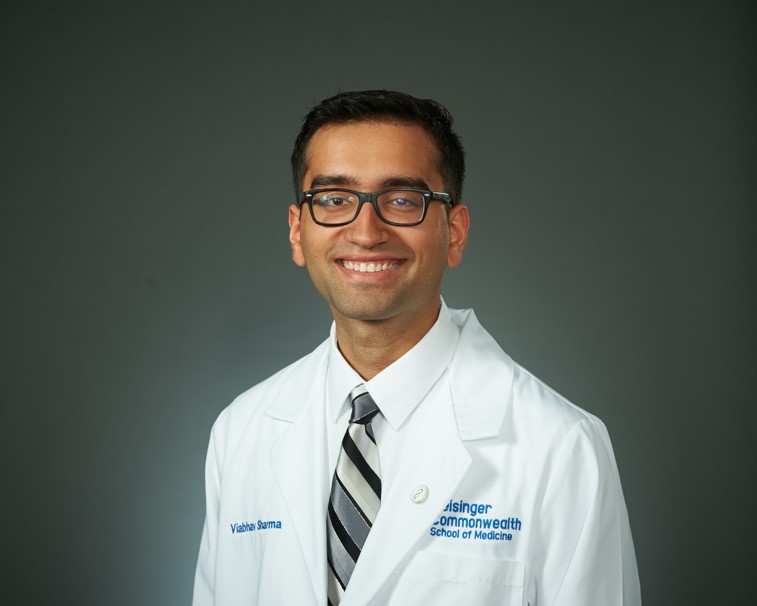
Vaibhav Sharma, MD3 is currently a third-year medical student at Geisinger Commonwealth School of Medicine. He completed his undergraduate studies at the University of Pittsburgh in the field of Neuroscience."
NEXT MONDAY – Read Dr. Paul J. Mackarey “Health & Exercise Forum!”
Read all of Dr. Mackarey's articles at our website: https://mackareyphysicaltherapy.com/forum/
This article is not intended as a substitute for medical treatment. If you have questions related to your medical condition, please contact your family physician. For further inquires related to this topic email: drpmackarey@msn.com
Paul J. Mackarey PT, DHSc, OCS is a Doctor in Health Sciences specializing in orthopaedic and sports physical therapy. Dr. Mackarey is in private practice and is an associate professor of clinical medicine at GCSOM.
Northeastern Pennsylvania is home to a large elderly population and many of the medical problems we expect to see are age related. Dedicated medical practitioners are in constant search for new knowledge and information to prevent or delay many age-related problems. One of the most devastating problems associated with aging is falling.
Loss of balance causes falls. Falls are a leading cause of injury and death. Thirty percent of women and thirteen percent of men over the age of sixty-five will fall. Twenty to thirty percent of these individuals suffer moderate to severe injuries. Preventing falls is not an easy task. A good understanding of the causes of loss of balance and knowledge of a few fall prevention suggestions can enhance your balance and reduce your risk of a fall.
The Falls Risk Self-Assessment below allows an individual to determine their risk of falling AND take the appropriate steps for prevention and treatment. The next three weeks will be dedicated to this topic to educate and inform readers and their families to make good decisions.
The Falls Risk Assessment is from the Centers for Disease Control (CDC).
WHAT IS YOUR RISK OF FALLING?
Add up the number of points for each YES answer. If you have scored 4 or more points you may be at risk for falling. Accordingly, 0-1 = Low Risk; 1-2 = Moderate Risk; 3-4 = At Risk; 4-5 = High Risk; 5-6 = Urgent; > 6 = Severe
Low Moderate At Risk High Risk Urgent Severe
0 1 2 3 4 5 6 7 8
NEXT MONDAY – Read Dr. Paul J. Mackarey “Health & Exercise Forum!” Next Monday Part I of III on Balance Disorders and Falls Prevention
Read all of Dr. Mackarey's articles at https://mackareyphysicaltherapy.com/forum/
This article is not intended as a substitute for medical treatment. If you have questions related to your medical condition, please contact your family physician. For further inquires related to this topic email: drpmackarey@msn.com
Paul J. Mackarey PT, DHSc, OCS is a Doctor in Health Sciences specializing in orthopaedic and sports physical therapy. Dr. Mackarey is in private practice and is an associate clinical professor of medicine at GCSOM.
Preventing a fall can not only save your independence but also your life! Preventing injuries from falls reduces the need for nursing home placement. Injuries from falls are the seventh leading cause of death in people over the age of sixty-five.
The following suggestions will assist you in minimizing your risk of a fall:
Following these helpful hints will keep you safe by preventing a loss of balance and a potential fall!
Medical Reviewers: Mark Frattali, MD, ENT at Delta Medix, Division Chairman Otolaryngology – Head Neck Surgery at Commonwealth Health Regional Hospital
NEXT MONDAY – Read Dr. Paul J. Mackarey “Health & Exercise Forum!”
Read all of Dr. Mackarey's articles at https://mackareyphysicaltherapy.com/forum/
This article is not intended as a substitute for medical treatment. If you have questions related to your medical condition, please contact your family physician. For further inquires related to this topic email: drpmackarey@msn.com
Paul J. Mackarey PT, DHSc, OCS is a Doctor in Health Sciences specializing in orthopedic and sports physical therapy. Dr. Mackarey is in private practice and is an associate professor of clinical medicine at GCSOM.
2nd of 3 Columns on Balance Disorders and Falls Prevention
Last week we discussed the causes of balance loss. Today, we will discuss treatment for this problem. Two primary treatments are medication and vestibular rehabilitation.
Medication for dizziness and loss of balance requires a visit to your family doctor. In a more involved case, your family physician may refer you to a specialist such as an ear, nose and throat physician or neurologist. There are many medications available for loss of balance. While this can be complicated, the specialist will determine the most appropriate one for your balance disorder.
Vestibular rehabilitation for dizziness and loss of balance is a great adjunct to medication to manage your balance disorder. It is a comprehensive program that addresses a wide range of problems that may cause imbalance such as: addressing the inability to tolerate motion, visual changes, providing balance rehabilitation, instruction in repositioning techniques for BPPV (benign paroxysmal positional vertigo), correcting postural dysfunctions, muscle weakness, joint stiffness, offering education for prevention, maintenance and self care after discharge. Through experience and motion, vestibular rehabilitation allows: formation of internal models (one learns what to expect from ones actions), learning of limits (learning what is safe and what is not) and sensory weighting (one sense, either vision, vestibular or somatosensory is selected in favor of another in maintaining balance).
In some minor cases, vestibular rehabilitation may be performed at home. However, more serious cases may require an evaluation by a physician specializing in the dizzy patient such as an ear, nose and throat physician or neurologist. These specialists will determine the nature of your problem and may enroll you in a more structured program under the direction of a physical therapist. Vestibular rehabilitation addresses not only vertigo (i.e. dizziness) but also balance problems.
Benign paroxysmal positional vertigo (BPPV) and vestibular hypofunction (e.g. unilateral and bilateral vestibular loss) are two causes of vertigo that can be addressed by a vestibular rehabilitation. Your physical therapist will tailor a program designed to address your specific vestibular disorder (i.e. BPPV or hypofunction).
If you have been diagnosed with BPPV, your therapist may take you through an Epley maneuver. In BPPV, particles in the inner ear become displaced and get lodged in an area that produces vertigo. Vertigo is experienced with tilting head, looking up/down and rolling over in bed. The causes include: infection, head trauma and degeneration. During the Epley maneuver the patient is guided through positional changes which clear these particles from the symptomatic part of the ear.
If you have been diagnosed with either unilateral or bilateral vestibular hypofunction, your therapist will most likely design a program to “retrain” your vestibular system with special exercises, including:
If you have a vestibular problem that primarily manifests as loss of balance, exercises to stimulate your balance responses, strengthen your legs, and enhance your joint position sense may be helpful. These exercises encourage reliance on vestibular and/or visual input. The exercises are performed on unstable surfaces (i.e. tilt boards, balance beams, and foam) and include a variety of tasks from simple standing to more complex arm and leg movements requiring coordination.
In addition to the above mentioned treatments, Posturography and Virtual Reality Training are computerized programs that may be used by your therapist to address your vestibular and/or balance problem. Also, Recreational Activities that involve using your eyes while head and body is in motion (i.e. dancing, golfing, tennis, walking while looking from side to side) are shown to be helpful in stimulating balance and vestibular responses. Furthermore, you may consider Alternative Balance Activities (i.e. Yoga, Tai Chi, Pilates) which incorporate slow gentle movements to improve strength, balance and posture as well as relaxation techniques for the anxiety that accompanies dizziness/off-balance.
Whatever you do, just DO NOT give into your dizziness. People that just “give up” become sedentary. A sedentary lifestyle further denies your body the necessary stimuli to challenge your vestibular system and make it stronger. Eventually, these people end up in a vicious cycle because the more they sit the dizzier and more off balance they get which only makes them sit more!
Remember, one fall increases your risk of another fall. It is imperative to determine what caused your fall and take action! Ask your physician or physical therapist to assess your fall risk.
Medical Reviewer: Mark Frattali, MD, ENT at Delta Medix, Division Chairman Otolaryngology – Head Neck Surgery at Commonwealth Health Regional Hospital
NEXT MONDAY – Read Dr. Paul J. Mackarey “Health & Exercise Forum!” Next Monday Part III on Balance Disorders and Falls Prevention
Read all of Dr. Mackarey's articles at: https://mackareyphysicaltherapy.com/forum/
This article is not intended as a substitute for medical treatment. If you have questions related to your medical condition, please contact your family physician. For further inquires related to this topic email: drpmackarey@msn.com
Paul J. Mackarey PT, DHSc, OCS is a Doctor in Health Sciences specializing in orthopaedic and sports physical therapy. Dr. Mackarey is in private practice and is an associate clinical professor of medicine at GCSOM.
1st of 3 Columns on Balance Disorders and Falls Prevention
Northeastern Pennsylvania is home to a large elderly population and many of the medical problems we expect to see are age related. Dedicated medical practitioners are in constant search for new knowledge and information to prevent or delay many age related problems. One of the most devastating problems associated with aging is falling. It will be the purpose of this series of three columns to educate readers about the risks and causes of falling and the prevention and treatment of balance disorders.
Loss of balance causes falls. Falls are a leading cause of injury and death. Thirty percent of women and thirteen percent of men over the age of sixty-five will fall. Twenty to thirty percent of these individuals suffer moderate to severe injuries. Preventing falls is not an easy task. A good understanding of the causes of loss of balance and knowledge of a few fall prevention suggestions can enhance your balance and reduce your risk of a fall.
The causes of loss of balance which may lead to a fall are divided into three categories: age related changes, medical conditions and medications.
Age Related Changes affecting the sensory system, the musculoskeletal system as well as psychological behavior can negatively impact balance causing a fall:
Medical Conditions can also cause loss of balance increasing the risk of a fall:
Medications can also negatively effect balance and increase the risk of falls. Interactions between medications as well as the side effects of certain medications can cause dizziness or drowsiness resulting in loss of balance. Theses medications include: tranquilizers, sedatives, anti-depressants, alcohol, diuretics, blood pressure medications, cardiac medications, laxatives and pain killers.
In conclusion, determining who is at risk for a fall is a complex task since many factors including age, disease and medication can affect the outcome. Early intervention to prevent a fall can avoid many costly consequences.
Medical Reviewer: Mark Frattali, MD, ENT at Delta Medix, Division Chairman Otolaryngology – Head Neck Surgery at Commonwealth Health Regional Hospital
NEXT MONDAY – Read Dr. Paul J. Mackarey “Health & Exercise Forum!” Next Monday Part II on Balance Disorders and Falls Prevention
Read all of Dr. Mackarey's Articles at: https://mackareyphysicaltherapy.com/forum/
This article is not intended as a substitute for medical treatment. If you have questions related to your medical condition, please contact your family physician. For further inquires related to this topic email: drpmackarey@msn.com
Paul J. Mackarey PT, DHSc, OCS is a Doctor in Health Sciences specializing in orthopaedic and sports physical therapy. Dr. Mackarey is in private practice and is an associate clinical professor of medicine at GCSOM.
According to the New York Times, there is a shortage and backorder of bicycles this summer due to COVID-19, especially in the cities where public transportation is discouraged. Fortunately, in NEPA, the problem is not so extreme. For those who have a bike, now might be a good time to dust them off and enjoy the many beautiful and well-maintained trails are available at the Countryside Conservancy at Lackawanna State Park, other locations in the Abingtons or the Lackawanna Heritage Valley Authority.
However, whether you head out for 5 or 50 miles, ensuring a proper bike fit should be on your checklist. Riding a bicycle that is properly fit to your style and body will not only help to prevent injury, but allow for a more comfortable riding experience. There are many things to take into consideration when checking your bike fit. First and foremost you must choose a bike that fits your style of riding.
For the sake of simplicity 3 basic styles of bikes include Road bikes, Hybrid bikes and Mountain bikes. Road bikes are designed for long distance riders, hybrid bicycles can be used for longer distance riders, but usually accommodates a recreational cyclist, and mountain bikes are designed for dirt or gravel and technical trails. The next component of ensuring a proper bike fit is making sure that you have a good foundation by choosing the right sized frame. To find the right sized frame you can use the following guidelines as a way to start or simply ask the local bike shop or bike fit consultant of your choice for help.
Road bikes: When straddling the bike you should have about 1” of clearance between your body and the top tube if the bike has a straight top tube (which runs parallel to the ground). When lifting the bike you should have 1” clearance between the tires and the ground. If the bike has a sloping top tube (semi-compact design) you should have a clearance of 2” or more.
Mountain bikes: When straddling the bike lift the bike off the ground and you should have a minimum of 2” clearance between the ground and the tires. With full suspension bikes you will want 1”-2” standover clearance because when you sit on the bike the frame will become lower from compressing the suspension. More aggressive riders will likely have 3”-5” of clearance.
Comfort bikes: Standing over a comfort bike to chose the right sized frame is not necessary. They are commonly designed with a steep sloping top tube and allow the rider to put feet firmly on the ground when the rider comes to a stop.
Now that you have right size for your bike you should adjust the components of the bike to allow for a more comfortable riding experience. Please use the diagram as a point of reference for the following tips. Also be sure to reexamine your bike fit after any bad falls. Keep in mind these measurements are meant to be used as a simple guideline and if you have any pre existing injuries or concerns please be sure to consult your local Physical Therapist or bike fit consultant.
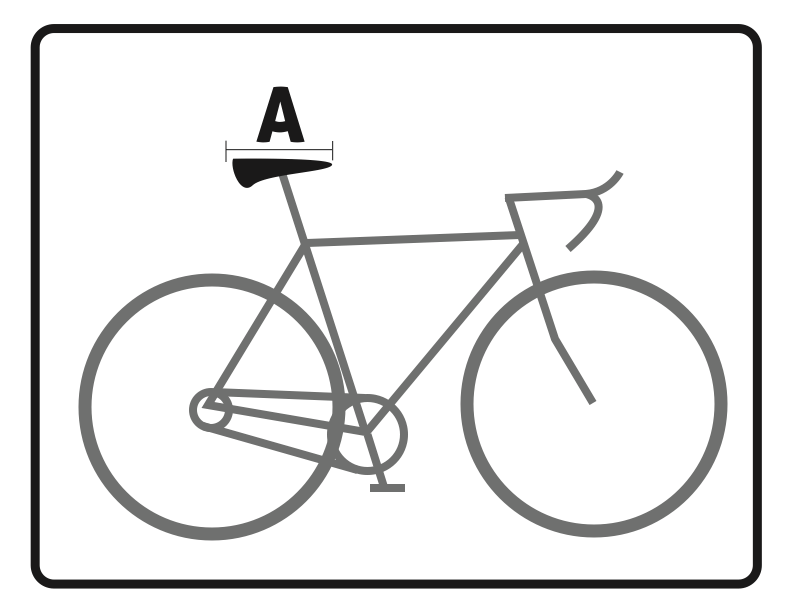
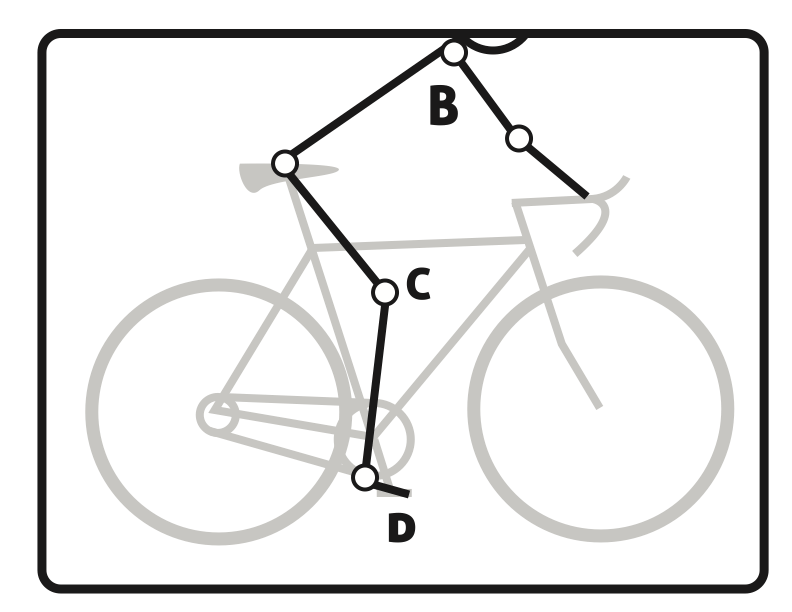
Handlebars (HB)
Knee to Pedal
Foot to Pedal
If you are a recreational cyclist it’s a good idea to take all the proper steps in preventing injury. This article can be used as a reference point to help to prevent common cycling injuries, enhance your comfort and improve your riding efficiency. If you have any further questions about enhancing your bike fit please contact your local physical therapist or bike fit consultant.
Sources: REI.com APTA.org
CoAuthor: Sarah Singer, PTA is a physical therapist assistant at Mackarey Physical Therapy, specializing in orthopedic and sports rehab.
EVERY MONDAY – Read Dr. Paul J. Mackarey “Health & Exercise Forum!” at https://mackareyphysicaltherapy.com/forum/
This article is not intended as a substitute for medical treatment. If you have questions related to your medical condition, please contact your family physician. For further inquires related to this topic email: drpmackarey@msn.com. Paul J. Mackarey PT, DHSc, OCS is a Doctor in Health Sciences specializing in orthopaedic and sports physical therapy. Dr. Mackarey is in private practice in downtown Scranton and is an associate professor of clinical medicine at GCSOM.
According to the New York Times, there is a shortage and backorder of bicycles this summer due to COVID-19, especially in the cities where public transportation is discouraged. Fortunately, in NEPA, the problem is not so extreme. For those who have a bike, now might be a good time to dust them off and enjoy the many beautiful and well-maintained trails are available at the Countryside Conservancy at Lackawanna State Park, other locations in the Abingtons or the Lackawanna Heritage Valley Authority.
There are many obvious reasons to bike…cardiovascular fitness, burn calories, improve leg strength and others. But, the real question is, “what are the advantages of biking over other forms of exercise?” Glad you asked…
Prevention is the best management of musculoskeletal problems associated with biking. First, many of the problems associated with biking such as knee pain, buttock soreness, and tendonitis can be prevented through proper fitting. Furthermore, it is important that your equipment be in good working order such as tires, chain, brakes and pedals. Next, be sure to maintain a fairly good fitness level in order to bike safely. If you are a beginner, start slowly. Warm up and slowly bike for 10 to 15 minutes and build up over time. Practice the coordination of stopping, starting, shifting and braking. Work on good strength and flexibility of the hamstrings, quadriceps, calves and gluteal muscles. All of these muscles are necessary to generate pedal force. Balance is also important to safety and can be practiced on and off the bike. Be aware that adaptive equipment can modify your bike for added comfort and safety such as soft handlebar tape, seat post and front fork shock absorbers, padded biking shorts, c-out and gel pad saddle seats, and wider tires.
Be careful not to progress too quickly because inactivity to over activity in a short period of time can create problems. Overuse injuries such as tendonitis, can be avoided by cross training. Bike every other day and walk, run or swim on off days. Make sure to take time off to recover after a long ride. Use ice and massage to sore muscles and joints after riding.
Remember, cycling should be fun! Pain from improperly fitted and poorly maintained equipment is preventable. Excessive workouts and training rides should be kept to a minimum and consider cross-training in between.
EQUIPMENT: Helmets are a must! Also, keep your bike in good condition. Road bikes should have mirrors and reflectors. Use hand signals and obey traffic rules. Dress for weather and visibility. Have a first aid and tire patch kit, tire pump and tools. Seat comfort can be improved with gel cushion or split seat.
BE ALERT: for traffic, parked cars, pedestrians loose gravel and cracks in the road.
SOURCES: American Physical Therapy Association
Visit your doctor regularly and listen to your body.
Keep moving, eat healthy foods, and exercise regularly
EVERY MONDAY – Read Dr. Paul J. Mackarey “Health & Exercise Forum!” at https://mackareyphysicaltherapy.com/forum/ or visit our website at https://mackareyphysicaltherapy.com/
This article is not intended as a substitute for medical treatment. If you have questions related to your medical condition, please contact your family physician. For further inquires related to this topic email: drpmackarey@msn.com Paul J. Mackarey PT, DHSc, OCS is a Doctor in Health Sciences specializing in orthopaedic and sports physical therapy. Dr. Mackarey is in private practice in downtown Scranton and is an associate professor of clinical medicine at GCSOM.
Patients often tell me that they would like to exercise but hesitate due to their knee or hip pain. They want to know what type of exercise is best for those suffering from osteoarthritis (OA). Osteoarthritis is also known as degenerative arthritis. It is the most common form of arthritis in the knee. It is usually a gradual, slow and progressive process of “wear and tear” to the cartilage in the joint which eventually wears down to the bony joint surface. It is most often found in middle-aged and older people and in weight bearing joints such as the hip, knee and ankle. It causes gradual onset of pain, swelling and stiffness in the involved joint, especially after increased activity and weakness with loss of function due to disuse.
However, OA is not an excuse to avoid exercise but it is important to be smart about it. Regular exercise is essential to maintain a normal lifestyle for those with OA. However, if you do the wrong exercise, use poor technique, or are too aggressive, you could flare-up your joints and do more harm than good.
When performed correctly, exercise for those with OA has many benefits:
Pain Control
Exercise controls OA pain by releasing natural pain control chemicals in the body called endorphins. It also controls pain by assisting in weight loss and improving range of motion.
Weight Control
We all know how well exercise burns calories and that increased body weight creates increase stress on the joints.
Prevention of Joint Stiffness
Exercise will help maintain joint range of motion. A stiff joint is a painful joint.
Prevention of Muscle Weakness
Exercise will help maintain muscle strength. Weak muscles will allow or increase in joint wear and tear.
Maintain Lifestyle
If a joint is stiff and weak, then they become painful which negatively impacts your lifestyle. Exercise can prevent this problem.
Start Slowly
Wean into exercise because if you advance too quickly, you will flare up the joint and have increased pain. For example, walk for 5-10 minutes the first session. If you do not have pain, add 1-2 minutes each session.
Lose Weight
Every pound lost equates to less stress on your joints. For example, a loss of 5 pounds of body weight translates to 20-30 pounds of stress through the knee, according to David Borenstein, MD, President of the American College of Rheumatology. Also, body weight has a direct impact on daily activities. For example, walking upstairs creates stress through the knee equal to 4 times body weight and seven times body weight going downstairs. Therefore, less body weight equals less stress.
Low Impact Workouts
Low impact exercise creates less stress on the joints while strengthening leg muscles and those who those who maintain leg muscle strength have less stress on their joints. It is even important not to load your arms with heavy objects when walking or using stairs to limit joint stress.
Some examples of low-impact exercises are: walking, swimming, elliptical trainer, and biking. Strength training is also low-impact and should be performed with low weight and high repetitions. Water therapy is great for those with OA, especially in a heated pool. It is a great low-impact exercise with less gravity and stress on the joints. Walk, swim and do mild resistance exercises in the water. Use a snorkel and mask for swimming to limit excessive neck turning and back extension.
Walking is a great form of exercise; however, walking softly is important for those with OA. Wear good running shoes and orthotics if necessary. Discuss this with your physical therapist or podiatrist. When possible, use soft surfaces like cinder, mulch or rubber. Avoid grass and soft stand due to instability and torsion that may irritate your joints.
Warm-Up
Warming up your body is critical to prevent injury to the muscles and tendons. This can be done by marching in place or using aerobic equipment such as a bike for 5 to 10 minutes before exercise. Always perform the warm-up activity at ½ your normal pace.
Balance & Relaxation Techniques
Tai Chi and ballroom dancing are two good examples of activities which promote balance and relaxation. Studies showed that those with OA who participated in Tia Chi two times a week for eight weeks reported less pain, increased range of motion and improved daily activities and function. They also noted less low back pain and better sleeping.
Proper Clothing
Stay warm in winter and consider wearing compression shorts. Be cool in the summer months with DrytechR type material.
Pre/Post Exercise First Aid
If you are sore for longer than 12 to 24 hours after exercise, then you overdid it and must make adjustments next time. Otherwise, use hot packs, bath or shower before you
EVERY MONDAY – Read Dr. Paul J. Mackarey NEW Article in“Health & Exercise Forum!”
For all of Dr. Mackarey articles visit https://mackareyphysicaltherapy.com/forum/
This article is not intended as a substitute for medical treatment. If you have questions related to your medical condition, please contact your family physician. For further inquires related to this topic email: drpmackarey@msn.com
Paul J. Mackarey PT, DHSc, OCS is a Doctor in Health Sciences specializing in orthopaedic and sports physical therapy. Dr. Mackarey is in private practice and is an associate professor of clinical medicine at GCSOM.
Despite the fact that we have limited exposure to sunny days in NEPA (50%), skin cancer still exists in large numbers. Skin cancer is the most common cause of cancer in the United States. While there are several types of skin cancer and not necessarily all are deadly, procedures to remove these skin cancers are both costly and frequently result in unsightly scars. The most dangerous type of skin cancer, called melanoma, results in an estimated 10,000 deaths per year. The good news? Nearly all skin cancers are preventable!
The majority of skin cancers are caused by harmful ultraviolet (UV) rays from the sun. Two major types are UVA and UVB:
In the field of anti-aging, advertisers make lofty promises for many products that claim to contain or boost collagen. Whether or not these work is a whole other discussion, but what is collagen and what does it have to do with wrinkles?
Collagen is the most abundant protein in the human body. It is found in nearly all tissues and organs, and plays a crucial role in maintaining structural integrity. Unfortunately, collagen production naturally decreases with age. This causes many of the findings we associate with older age, such as sagging skin and wrinkles, as well as joint pain. Collagen also works together with another important protein called elastin, which helps to maintain elasticity – a feature commonly associated with youthful skin.
When exposed to UV rays, these proteins can become damaged. For instance, studies have shown that skin exposed to UV rays increases the expression of proteins called matrix metalloproteinases, or MMPs. You can think of these MMPs as collagen’s enemy, as they cause their degradation. This results in a decrease in collagen’s structural function leading to loose and wrinkled skin. UV rays can also stimulate the production of reactive oxygen species. These are substances such as hydrogen peroxide and bleach, which further cause destruction of skin’s microscopic structure.
So, you’re convinced and have decided to keep your skin healthy and youthful – what next? With so many different products on the market, choosing a daily sunscreen can become a difficult task. Here are a few pointers:
If preventing skin cancer isn’t incentive enough to wear sunscreen daily and avoid excessive sun exposure (and indoor tanning booths!), then consider the rapid effects on aging the sun’s rays can have. While a tan may look good for a week, avoiding exposure to UV rays will both delay and prevent aging for years.
For more information on skin cancer and prevention, please visit the Center for Disease Control’s website (https://www.cdc.gov/cancer/skin/) and contact your physician for specific concerns regarding spots on your skin.
This week’s article was written by Eduardo Ortiz, a fourth year medical student at Geisinger Commonwealth School of Medicine (GCSOM). Eduardo majored in Biology and minored in Art History at Florida International University in Miami, Florida. As president of the Dermatology Interest group, he helped organize a free skin cancer screening with local dermatologists earlier this year.
Read Dr. Mackarey’s Health & Exercise Forum – every Monday. This article is not intended as a substitute for medical treatment. If you have questions related to your medical condition, please contact your family physician. For further inquires related to this topic email: drpmackarey@msn.com
See all of Dr. Mackarey's articles in his "Health and Exercise Forum" at https://mackareyphysicaltherapy.com/forum/
Paul J. Mackarey PT, DHSc, OCS is a Doctor in Health Sciences specializing in orthopedic and sports physical therapy. Dr. Mackarey is in private practice and is an associate professor of clinical medicine at Geisinger Commonwealth School of Medicine.