82 million adults spend an estimated 28 billion dollars on gym memberships each year! WHY? There are many reasons we exercise. Some people exercise to prevent illness such as cardiovascular disease or osteoporosis. Others exercise for mental health and as a stress release; others do it to improve strength, flexibility, and endurance to prepare for a sport. However, the number one reason people exercise is TO LOOSE WEIGHT!
When it comes to losing weight, patients have asked me a wide variety of questions over the years. However, certain questions are consistent. “What exercise is the best to burn calories?” “Even though I exercise 2-3 times per week, why can’t I lose weight?” “What is BMR?” “If I eat a Snickers bar, how much exercise do I need to do to burn it off?” “Are there any tools that I can use to help me track my calories and exercise output?”
Have you ever heard people say that they never felt better or burned more calories as they did when they ran? Well, they may be right! The following numbers are based on the average male weighing 150 pounds: running 6 miles per hour will burn 700+ calories (11-12 calories per minute); vigorously skipping with jump rope or fast cycling will do the same; vigorous walking at 4 miles per hour and moderate biking will burn 600+ calories (10 calories per minute). The 400-500 calorie club includes the following activities: slow jogging, swimming, football, basketball, baseball, tennis, skiing, and moderate walking (3.5 miles per hour). Light gardening burns more calories than golfing using a cart (250 vs. 180).
How many times have you heard people say, “It is hard for me to lose weight because I have a slow metabolism?” What does that mean? To explain this in detail you first must understand BMR. BMR is basic metabolic rate. It is the number of calories that your body requires to operate basic body functions that you don actively control, such as continuing to breathe, and keep your cells and organs working each day. The BMR is influenced by age, height, gender, body fat, and fitness level. BMR is inherently different (high or low) in each individual. While you can’t change your gender or height, you can influence some things to influence your BMR and burn more calories at rest. One, exercise for longer durations, with greater intensity and more frequently. Two, lower your body fat by eating less calories, especially fat and carbohydrates in your diet. Simply, eat less calories than you burn! Three, improve you muscle/fat ratio by weight training.
BMI: < 18.5 = Underweight
BMI: 18.5 – 24.5 = Normal Weight
BMI: 25. - 29.9 = Overweight
BMI: >30. = Obestiy
For example, I am a 57 year old male, weighing 150 pounds at 5 feet 8 inches tall with a BMI of 22.8
*Calculate you BMI by entering you gender, height and weight and find how many calories per food item at:
There are several tools available for free online to help with tracking calories and exercise visit Prevention Magazine at: www.myfooddiary.com or try the App “Lose It”
BMI Calculator – to calculate your BMI
Calorie Burner – to calculate how many calories are burned with various activities
Daily Calorie Calculator – Find how many calories are in specific foods and what you need to do to loose or gain weight.
So remember, the number one reason we exercise is TO LOSE WEIGHT! But depending on exercise alone to lose weight is an exercise in futility. Losing weight is an intelligent and consistent combination of a balanced diet with portion control, proper nutrition, adequate exercise and activity grounded in lifestyle changes.
Read Dr. Mackarey’s Health & Exercise Forum – every Monday
This article is not intended as a substitute for medical treatment. If you have questions related to your medical condition, please contact your family physician. For further inquires related to this topic email: drpmackarey@msn.com
Paul J. Mackarey PT, DHSc, OCS is a Doctor in Health Sciences specializing in orthopaedic and sports physical therapy. Dr. Mackarey is in private practice and is an associate professor of clinical medicine at GCSOM.
A patient recently asked me if it is safe to take the Moderna, Pfizer-BioNTech, or J&J COVID-19 vaccine during pregnancy? While this is far outside my area of expertise, I took the opportunity to research the matter further and discuss the findings with local pediatricians, Dr Anders Nelson and Dr. Stanley Blondek. They are both strong supporters of vaccinating nursing mothers.
According to the CDC, no safety concerns were found in animal studies: Studies in animals receiving a Moderna, Pfizer-BioNTech, or Johnson & Johnson (J&J)/Janssen COVID-19 vaccine before or during pregnancy found no safety concerns in pregnant animals or their babies. Human studies supported these findings. In fact, in one study, vaccine-generated antibodies were also present in all umbilical cord blood and breast milk samples taken from the study, showing the transfer of antibodies from mothers to newborns.
Moreover, in humans, in the largest study of its kind to date, researchers at Massachusetts General Hospital (MGH), Brigham and Women’s Hospital and the Ragon Institute of MGH, MIT and Harvard have found the new mRNA COVID-19 vaccines to be highly effective in producing antibodies against the SARS-CoV-2 virus in pregnant and lactating women. The study also demonstrated the vaccines confer protective immunity to newborns through breast milk and the placenta.
Long before COVID-19, breastfeeding has always demonstrated many benefits for both mother and child. Expectant mothers typically do all they can to ensure their baby’s health. A wholesome diet, regular exercise and avoiding harmful habits like smoking are all important things a woman should do during pregnancy. However, there is something additional mothers can do AFTER their child’s birth that can be equally, if not more, important and has been around as long as human life itself… breastfeed! While far from new, it is has been rediscovered for it tremendous benefits and gaining popularity.
Nursing your baby immediately after birth helps solidify the bond between you and your baby. Moreover, the health benefits to baby begin right away. That’s because your breasts produce colostrum beginning during pregnancy and continuing through the early days of breastfeeding. Colostrum precedes breast milk and has plenty of antibodies to help keep your baby healthy. Colostrum is extremely easy to digest, and is therefore the perfect first food for your baby. Also, as the La Leche League (LLL) tells new mothers, “Colostrum has a laxative effect on the baby, helping him pass his early stools, which aids in the excretion of excess bilirubin and helps prevent jaundice.” Jaundice is common in newborns and is usually treated by placing the baby under special lights. LLL also points out that the concentration of immune factors is much higher in colostrum than in mature milk, which comes in after about two weeks.
The positive effects continue for both mother and baby as the child grows from newborn to infant. Breast-fed babies are, for example, less prone to sudden infant death syndrome (SIDS), an unexplained death of a healthy infant while sleeping. The peak incidence of SIDS occurs when a baby is about three months old. It is an unspeakable tragedy that affects entire families. While we must be very clear that breastfeeding is not a guarantee against SIDS, newer studies have shown that infants who were never breastfed may have two to three times the risk of dying of SIDS. Although the actual mechanism is unknown, some theories are that breastfeeding may provide defense against SIDS because it lowers a baby’s risk of infection through antibodies passed on by mom or because human milk is ideally equipped to nurture human brains -- and the brain controls sleep cycles.
Are there ever reasons why either mother or baby should not breastfeed? While extremely unusual, there are contraindications for breastfeeding. Mothers who must take certain medicines may be unable to nurse. There are also some conditions in newborns – some treatable – that may limit or prevent breastfeeding. Your physician (obstetrician/gynecologist or pediatrician) or midwife should be consulted before you take any medications, vitamins or herbals.
It is recommended that you exclusively breastfeed your baby for the first six months and continue for at least the first year. After that, it’s up to you. It’s also important to know that every baby is a unique individual. Don’t become alarmed if your child doesn’t seem to adhere to what the textbooks say. Instead, turn for support to some reliable and trustworthy: your physician, midwife and the La Leche League.
SOURCES: Le Leche League is an international nonprofit organization that distributes information on and promotes breastfeeding. www.lllusa.org; Centers for Disease Control (CDC); Harvard Gazette
Contributor: Kathryn N Swatkowski, CNM …has been a Certified Nurse Midwife for 20 years, taking care of women throughout their life-span from adolescence through menopause
This article is not intended as a substitute for medical treatment. If you have questions related to your medical condition, please contact your family physician. For further inquiries related to this topic email: drpmackarey@msn.com
Paul J. Mackarey PT, DHSc, OCS is a Doctor in Health Sciences specializing in orthopaedic and sports physical therapy. Dr. Mackarey is in private practice and is an associate professor of clinical medicine at GCSOM.
For all of Dr. Mackarey's articles visit: https://mackareyphysicaltherapy.com/forum/
Covid-19 has certainly redefined the workplace as many employees continue to work from home. Prolonged hours sitting at a workstation that may not be optimal has also changed the way we define workplace health and safety. It may be more important than ever to pay close attention to designing an ergonomic workstation, changing position, and stretching regularly to prevent injury.
Since 1894 Labor Day has been designated as the national holiday that pays tribute to the contributions and achievements of American workers. Research supports the notion that healthier employees are happier and more productive. When employers encourage healthy behavior and safety at work, they benefit in many ways. For example, in addition to improving job satisfaction and productivity, healthy employees save money by using less sick time, worker’s compensation benefits and health benefits. For example, according to the Centers for Disease Control and Prevention, approximately 75 percent of employers” health care costs are related to chronic medical problems such as obesity, diabetes, high blood pressure, and high cholesterol. Deconditioned, overweight employees are more likely to suffer from these preventable conditions and are at greater risk for injury. Employers, please consider using this holiday as an opportunity to start a health promotion program at your workplace…have a health fair, offer healthy snacks, encourage walking, smoking cessation, exercising at lunch, and offer fitness club stipends.
Lower back pain, one of the costliest illnesses to employers, is one example of a problem which can be prevented with a good health and safety program. It is widely accepted in the medical community that the best treatment for lower back pain (LBP) is prevention. Keeping fit, (flexible and strong), practicing good posture, and using proper body mechanics are essential in the prevention of LBP. At our clinic, significant time and effort is spent emphasizing the importance of these concepts to our patients, employees, and the businesses we work with through industrial medicine programs. A comprehensive approach can produce significant reductions in LBP injuries through an onsite safety program which promotes education, wellness, body mechanics, lifting techniques, postural and stretching exercises and ergonomics.
As little as 10 extra pounds puts great stress on your lower back. It also makes it more difficult to maintain good posture. Eat well, exercise regularly and don’t smoke. Smokers have a much higher incidence of LBP and failure from lower back surgery.
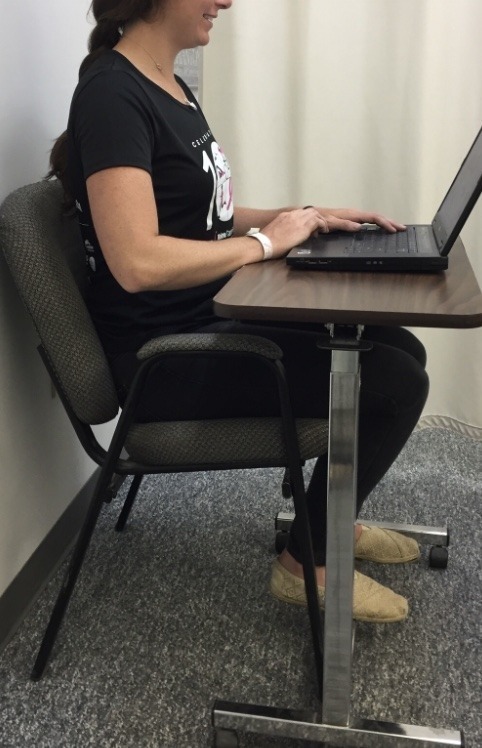
Good posture is critical for a healthy back. When sitting, standing or walking maintain a slight arch in your lower back, keep shoulders back, and head over your shoulders. In sitting, use a towel roll or small pillow in the small of the back.
Perform postural exercises throughout the day. Most of the day we sit, stand, and reaching forward and bend our spine. These exercises are designed to stretch your back in the opposite direction of flexion. Please perform slowly, hold for 3-5 seconds and repeat 6 times each 6 times per day.
Chin Tuck: Tuck your chin back to bring your head over shoulders.
Shoulder Blade Pinch: Pinch your shoulder blades together.
Standing Extension: While standing, put your hands behind back and extend lower back 10-20 degrees.
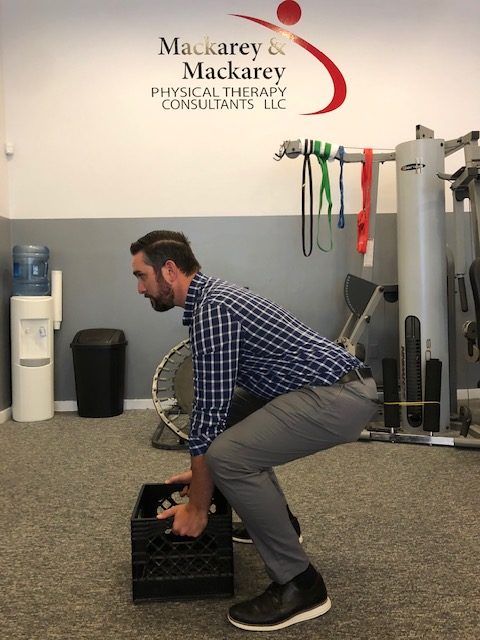
Good Body Mechanics and ergonomics are also important in the prevention of LBP. When lifting, think twice. Think about the weight, shape and size of the object. Think about where the object is going and the surface resistance of the floor. Does it require two people to lift? Can I safely lift that high or bend that low?
NEXT MONDAY – Read Dr. Paul J. Mackarey “Health & Exercise Forum!”
This article is not intended as a substitute for medical treatment. If you have questions related to your medical condition, please contact your family physician. For further inquires related to this topic email: drpmackarey@msn.com
For all of Dr. Mackarey's articles visit : https://mackareyphysicaltherapy.com/forum/
“I was nervous and forgot to ask my doctor questions about my diagnosis!” “When the nurse asked me, I could not remember my medications!” These are two examples of the many frustrations patients have when visiting their physicians. Research shows, those who prepare in advance for their physician visits, have more satisfaction than those who just show up for their appointment. Moreover, for patients seeing multiple physicians, such as specialists, often communication is poor and your participation in the process can be invaluable. There are things you can do to prepare for your physician visits...
Remember, your health is too important to rely on memory for accuracy…so be a proactive participant. With technology, it has never been easier to keep a medical journal to improve accuracy and communication. There are several “Apps” such as “mymedicalapp.com” that allow you to do this on your phone, tablet or lap-top computer and offer privacy code features.
SOURCES: www.webmd.com; National Institutes of Health – National Institute on Aging “A Guide for Older People - Talking With Your Doctor”
This article is not intended as a substitute for medical treatment. If you have questions related to your medical condition, please contact your family physician. For further inquires related to this topic email: drpmackarey@msn.com
Paul J. Mackarey PT, DHSc, OCS is a Doctor in Health Sciences specializing in orthopaedic and sports physical therapy. Dr. Mackarey is in private practice and is an associate professor of clinical medicine at GCSOM.
For all of Dr. Mackarey's articles visit https://mackareyphysicaltherapy.com/forum/
As the country prepares to return to school and work this fall during a new wave of infections from the Delta variant of COVID-19, it is more important than ever to find healthy ways to control stress and anxiety. While exercise is important to trim our waistline or to speed up our metabolism, there may be more benefit to lacing up those sneakers than you’d think. Recent studies have established a link between exercise, stress and cognition, making physical activity even more important.
Exercise has been shown to improve sleep and mood, decrease stress, and even increase libido. It also can bolster our self-esteem and ability to problem-solve and to remember details. In fact, strength training has even been shown to reverse cognitive decline to a degree in aging adults with mild impairment. Though the medical community is still trying to elucidate exactly how exercise boosts our brains physiologically, increased circulation to the brain and modulation of the hypothalamus-pituitary-adrenal axis that regulates the body’s response to stress have been implicated as the bearers of benefit. While exercise can be advantageous for everyone, it perhaps is even more valuable to those struggling with mood disorders. Exercise can help combat anxiety and depression and quell the symptoms of Attention Deficit Hyperactivity Disorder and Post Traumatic Stress Disorder as it helps the brain to pump out neurotransmitters and pain-fighting endorphins. Exercise makes addiction management easier, as well, and has recently been shown to help alcoholics lessen consumption.
So, how much exercise exactly is enough to illicit tangible cognitive benefit, you ask? Any amount of weight lifting, running, walking, or yoga helps, but habitual activity helps the most. Studies cite that a few consecutive weeks of participation in a fitness regimen yielded notable, positive results in subjects. Try to make exercise part of your daily routine to encourage good fitness habits. If you find the idea of adopting a strenuous new fitness program intimidating or off-putting, have no fear. Moderate exercise is enough to do the trick. The Mayo Clinic cites both brisk walking and mowing the lawn as examples of moderate activity, so an average fitness level is adequate for yielding positive mental results.
If you’re thinking about beginning an exercise program for the first time, start gradually. Begin with walking for 10 to 15 minutes twice daily, and add 1 or 2 minutes to your session every time you walk until you can walk continuously for 45 to 60 minutes. The same principle can be used when beginning other fitness routines involving biking, swimming, running, etc. Begin a weight training program to strengthen bones and tendons using 3 to 5 pound dumbbells, and increase the weight you use by a pound once you can easily perform 30 consecutive repetitions. Be careful to pay close attention to posture and form. Contact your physical therapist or a personal trainer for assistance with designing an appropriate exercise program. Don’t hesitate to contact your physician, either, if you have questions about whether a particular exercise program is safe and suitable for your age group or current fitness level.
Read Dr. Mackarey’s Health & Exercise Forum – every Monday. This article is not intended as a substitute for medical treatment. If you have questions related to your medical condition, please contact your family physician. For further inquires related to this topic email: drpmackarey@msn.com
Paul J. Mackarey PT, DHSc, OCS is a Doctor in Health Sciences specializing in orthopaedic and sports physical therapy. Dr. Mackarey is in private practice and is an associate professor of clinical medicine at Geisinger Commonwealth School of Medicine.
For all of Dr. Mackarey's Articles visit: https://mackareyphysicaltherapy.com/forum/
It is August and summer is rapidly passing! So, get outdoors and have fun in the sun. However, please be mindful of how your body reacts to high humidity and heat and take appropriate precautions. Athletes are particularly vulnerable this time of year due to daytime practice sessions. (August 9, 2021, first day of acclimatization and August 16, 2021, first day of practice for fall sports according to PIAA), However, you don’t have to be running a marathon or playing football in full uniform to suffer from heat stroke.
Heat stroke, one of the most serious heat-related illnesses, is the result of long-term exposure to the sun to the point which a person cannot sweat enough to lower the body temperature. The elderly and infants are most susceptible, and it can be fatal if not managed properly and immediately. Believe it or not, the exact cause of heatstroke is unclear. Prevention is the best treatment because it can strike suddenly and without warning. It can also occur in non athletes at outdoor concerts, outdoor carnivals, or backyard activities.
NEXT MONDAY – Read Dr. Paul J. Mackarey “Health & Exercise Forum!”
This article is not intended as a substitute for medical treatment. If you have questions related to your medical condition, please contact your family physician. For further inquires related to this topic email: drpmackarey@msn.com
Paul J. Mackarey PT, DHSc, OCS is a Doctor in Health Sciences specializing in orthopaedic and sports physical therapy. Dr. Mackarey is in private practice in downtown Scranton and is an associate professor of clinical medicine at Geisinger Commonwealth School of Medicine.
For all of Dr. Mackarey's Articles: https://mackareyphysicaltherapy.com/forum/
It is August and summer is rapidly passing! So, get outdoors and have fun in the sun. However, please be mindful of how your body reacts to high humidity and heat and take appropriate precautions. Athletes are particularly vulnerable this time of year due to daytime practice sessions. (August 9, 2021, first day of acclimatization and August 16, 2021, first day of practice for fall sports according to PIAA), However, you don’t have to be running a marathon or playing football in full uniform to suffer from heat stroke.
Heat stroke, one of the most serious heat-related illnesses, is the result of long term exposure to the sun to the point which a person cannot sweat enough to lower the body temperature. The elderly and infants are most susceptible and it can be fatal if not managed properly and immediately. Believe it or not, the exact cause of heatstroke is unclear. Prevention is the best treatment because it can strike suddenly and without warning. It can also occur in non athletes at outdoor concerts, outdoor carnivals, or backyard activities.
Some “old school” folks think that wearing extra clothing and “breaking a good sweat” is an optimal goal for exercise. However, it may be potentially very dangerous in hot and humid conditions. When exercising in hot weather, the body is under additional stress. As the activity and the hot air increases your core temperature your body will to deliver more blood to your skin to cool it down. In doing so, your heart rate is increased and less blood is available for your muscles, which leads to cramping and other more serious problems. In humid conditions, problems are magnified as sweat cannot be evaporated from the skin to assist in cooling the body.
The American Academy of Pediatrics and The American College of Sports Medicine has the following recommendations which are appropriate for both the competitive athlete and weekend warrior:
NEXT MONDAY – Read Dr. Paul J. Mackarey “Health & Exercise Forum!” Next Week: “Heat Stroke Part II”
This article is not intended as a substitute for medical treatment. If you have questions related to your medical condition, please contact your family physician. For further inquires related to this topic email: drpmackarey@msn.com
Paul J. Mackarey PT, DHSc, OCS is a Doctor in Health Sciences specializing in orthopaedic and sports physical therapy. Dr. Mackarey is in private practice in downtown Scranton and is an associate professor of clinical medicine Geisinger Commonwealth School of Medicine.
For all of Dr. Mackarey's Articles visit: https://mackareyphysicaltherapy.com/forum/
According to the Centers of Disease Control (CDC), Hypertension (HTN), also known as high blood pressure (HBP), affects one in three adults (67 million people) in the USA. Unfortunately, only one-half of those with high blood pressure control the problem and, as a result, are at great risk for heart disease and stroke.
Blood pressure numbers represent the force against the walls of your arteries. Normal blood pressure (BP) is defined as a systolic pressure (the top number) of 120 mm Hg and a diastolic pressure (the bottom number) of 80 mm Hg (120/80). The Joint National Committee on Prevention, Detection, Evaluation, and Treatment of High Blood Pressure has classified blood pressure as follows:
Normal: lower than 120/80 mm Hg
Prehypertension: 120-139/ 80-89 mm Hg
Stage 1 Hypertension: 140-159/90-99 mm Hg
Stage 2 Hypertension: 160+/100+ mm Hg
For most people with HBP, there are no obvious symptoms. HBP is usually detected at a health fair, or a routine visit with a physician. However, over time, HBP can cause problems with the heart and kidneys. Sometimes, a more serious condition can develop from very high blood pressure called malignant hypertension. Symptoms include severe headache, nausea and vomiting, confusion, vision changes and nosebleeds. Notify your physician immediately if you develop these symptoms.
Almost everyone has had their blood pressure checked with a standard or automatic blood pressure cuff. Sometimes, when a problem is detected, a home blood pressure unit is recommended to track BP throughout the day.
According to a recent long-term study, both men and women without a history of coronary artery disease or high blood pressure suffered from both diseases when they did not manage stress well. Those who allowed stress to upset them, (short fused and easily frustrated) had significant increases in cholesterol and blood pressure when compared with those who were more even-tempered and easygoing under stress.
Exercise combats HBP and maintains a healthy body weight. The key to success when it comes to improving your life with exercise is to develop a regular, consistent program. A good program must include aerobic exercise (walking, jogging, biking) for 30 minutes (or 15 minutes twice a day) 4-5 days per week and mild/moderated weight training 2- 3 times per week.
A low salt, low fat diet which includes fish, fiber, grains, fruits and vegetables is essential. Moreover, take care to avoid the “Seven Deadly Sins for High Blood Pressure” (Zee News):
Table Salt- Don’t add salt to your food because most foods have enough. Limit total salt consumption to 1,500mg per day.
Deli Meat – These foods are loaded with salt as an additional preservative.
Red Meat – In excess, the trans and saturated fats in red meat can also damage the blood vessels of the heart over time. Limit consumption to 1 -2 times per week.
Alcohol – It causes the blood pressure to rise and in excess, can damage the blood vessel walls. Limit intake to 12 oz of beer, 8 oz of red wine daily.
Whole Milk – similar to red meat, the high concentration of saturated fats can damage blood vessels over time. A low fat substitute is a better option.
Pickles – Just 3 of these tasty cucumbers have more than the 2,300mg of recommended sodium for an entire day.
Coffee – Caffeine can cause a temporary spike in blood pressure and should be consumed in moderation, especially for those at risk or with high blood pressure.
In conclusion, while HBP is a potentially serious medical condition, for most it is a controllable and preventable problem. Lifestyle changes such as diet, exercise and stress reduction have been found to be most effective.
SOURCES: Centers For Disease Control (CDC); American Heart Association (AHA), University of Pittsburgh Medical Center (UPMC), National Institutes of Health (NIH), Medline Plus, Zee News
Visit your doctor regularly and listen to your body.
NEXT MONDAY – Read Dr. Paul J. Mackarey “Health & Exercise Forum!”
This article is not intended as a substitute for medical treatment. If you have questions related to your medical condition, please contact your family physician. For further inquires related to this topic email: drpmackarey@msn.com
Paul J. Mackarey PT, DHSc, OCS is a Doctor in Health Sciences specializing in orthopaedic and sports physical therapy. Dr. Mackarey is in private practice and is an associate professor of clinical medicine at Geisinger Commonwealth School of Medicine.
For all of Dr. Mackarey's Articles visit: https://mackareyphysicaltherapy.com/forum/
“Health & Exercise Forum” regularly promotes active lifestyles and outdoor activities. However, being one with nature is not without its risks and attracting ticks which can lead to Lyme disease is one of them. Over the last few years, I have been amazed by how many ticks I find on my clothing and skin after being outdoors…year round! Last winter, for example, we had an unexpected warm-up in February, and with temperatures ranging from 30 degrees in the morning to 60 degrees in the afternoon, I decided to ski in the morning and snow-shoe on the trails at Lackawanna State Park in the afternoon. Due to snow cover, I occasionally wandered off the trail and hiked through some brush. Later that evening, I discovered a tick on my neck, despite showering, wearing winter clothing and it being outdoors in FEBRUARY! It is no small wonder why some experts blame climate change on the dramatic increase in cases of Lyme disease…the research supports it! Later that summer, while I was not formally diagnosed with Lyme disease, I did suffer from symptoms associated with the disease for about 8 weeks. This experience has caused me to pause and take precautions when I garden, kayak, hike, mountain bike or engage in any outdoor activity that takes place near brush or wooded areas.
According to the Centers for Disease Control (CDC), approximately 300,000 cases of Lyme disease occur each year in the United States. Lyme disease is a bacterial infection caused by the bite of an infected deer tick and most prevalent in wooded and grassy areas of the New England, Mid-Atlantic and upper Midwest States. A heightened awareness and preventative measures are recommended for those who live, work, play, camp, hike, or bike in these areas.
Ticks thrive in moist and humid environments, especially in and near wooded and grassy areas. Wear long sleeve shirts and long pants with socks when spending extended periods of time in risky environments.
When walking, hiking, or biking, stay in the middle of the trail and avoid the brush.
The CDC recommends repellent containing 20% or more DEET, Picaridin, or IR3535 on exposed skin. Use products with 0.5% permethrin on clothing, boots, pants, socks, tents and other gear. Visit the Environmental Protection Agency (EPA) for more information about product safety.
Keep your yard free of tall grasses and brush and use gravel or wood chips as a barrier. Mow the grass often and remove leaves quickly. Place playground equipment and toys in dry sunny area and away from brush and high grasses. Don’t feed or encourage deer to visit your living area. Chemical treatment for your yard and outdoor living space is available but should be used with caution and as a last resort.
Use flea and tick treatments regularly on your pets such as Advantage IIR or Frontline PlusR and others. Ask your veterinarian for recommendations.
After being outdoors, perform a tick check. Use a mirror or family member to help you check hard to view areas. Also, carefully examine your clothing and pets for ticks before entering your home. Drying your clothing in the dryer on high heat will kill ticks.
The CDC recommends that you closely check these areas for ticks:
As soon as you enter your home (preferably through a mud room or basement), remove your clothes and take a shower.
If you find an attached tick use a fine-tipped tweezers and carefully remove it as soon as possible. If a tick is attached to your skin for less than 24 hours, your chance of getting Lyme disease is very unlikely.
If you find a tick, keep an eye on the area for a few weeks. Look for signs or symptoms of Lyme disease such as rash or fever and contact a healthcare professional if you are suspicious.
Some or all of these symptoms can be associated with Lyme disease and you should contact your physician if you are suspicious: Skin Rash, Fever and Chills, Fatigue, Muscle and Joint Pain/Ache, Headache.
In conclusion, it is well-documented that Lyme disease is on the increase, due in part to warmer winters in the mid-Atlantic and northeast US. However, while experts are encouraging people in risky areas to take precautions during the spring and summer months, they are also encouraging parents not to limit outdoor activities for children and others. Keep in mind that spending too much time indoors is far worse for your health than the risk of contracting Lyme disease in the long run. And, even if you are bitten by a tick, you only have a 100 to 1000 chance of contracting the disease.
SOURCES:
This article is not intended as a substitute for medical treatment. If you have questions related to your medical condition, please contact your family physician. For further inquires related to this topic email: drpmackarey@msn.com
Paul J. Mackarey PT, DHSc, OCS is a Doctor in Health Sciences specializing in orthopaedic and sports physical therapy. Dr. Mackarey is in private practice and is an associate professor of clinical medicine at Geisinger Commonwealth School of Medicine.
For all of Dr. Mackarey's articles visit https://mackareyphysicaltherapy.com/forum/
According to the United States Environmental Protection Agency, NEPA and all of Pennsylvania is experiencing a change in climate as indicated by a half a degree (F) in temperature, more frequent and heavy rainstorms and the tidal portion of the Delaware River is rising one inch every eight years. Last summer was one of our hottest on record and this summer has produced a several heat waves with more expected. For those without air conditioning or access to a lake or pool, it will also be remembered as record setting warm temperatures. A local reader who cares for her elderly mother wrote to express her concern about dehydration in the elderly. Age, diet, illness and medications are some of the many reasons why elders suffer from dehydration not only in the summer heat, but year-round.
Next to oxygen, water is the nutrient most needed for life. A person can live without food for a month, but most can survive only three to four days without water. Even though proper hydration is essential for health, water gets overlooked as one of the six basic nutrients. Dehydration occurs when the amount of water taken into the body is less than the amount that is being lost. Dehydration can happen very rapidly (i.e. in less than eight hours); the consequences can be life threatening and the symptoms can be alarmingly swift.
In the body, water is needed to regulate body temperature, carry nutrients, remove toxins and waste materials, and provide the medium in which all cellular chemical reactions take place. Fluid balance is vital for body functions. A significant decrease in the total amount of body fluids leads to dehydration. Fluids can be lost through the urine, skin, or lungs. Along with fluids, essential electrolytes, such as sodium and potassium, are also perilously depleted in a dehydrated individual.
Dehydration is the most common fluid and electrolyte disorder of frail elders, both in long term care facilities and in the community! Elders aged 85 to 99 years are six times more likely to be hospitalized for dehydration than those aged 65 to 69 years. More than 18% of those hospitalized for dehydration will die within 30 days, and associated mortality increases with age. Men appear to dehydrate more often than women and dehydration is often masked by other conditions.
Elderly individuals are at heightened risk for dehydration for several reasons. Compared to younger individuals, their regulatory system (i.e. kidneys and hormones) does not work as well and their bodies have lower water contents. Older adults often have a depressed thirst drive due to a decrease in a particular hormone. They do not feel thirsty when they are dehydrated. This is especially true in hot, humid weather, when they have a fever, are taking medications, or have vomiting or diarrhea. They have decreased taste, smell, and appetite which contribute to the muted perception of thirst. Because of dementia, depression, visual deficits, or motor impairments, elderly persons may have difficulty getting fluids for themselves. Many elderly individuals limit their fluid intake in the belief that they will prevent incontinence and decrease the number of trips to the bathroom. The medications that they are taking (e.g. diuretics, laxatives, hypnotics) contribute to dehydration.
Elders may suffer headaches, fainting, disorientation, nausea, a seizure, a stroke, or a heart attack as a result of dehydration. The minimum daily requirement to avoid dehydration is between 1,500 (6.34 cups) and 2,000 ml of fluid intake per day. Six to eight good-sized glasses of water a day should provide this amount. Better hydration improves well-being and medications work more effectively when an individual is properly hydrated.
By the way, plain old tap water is a good way to replenish fluid loss. Keep in mind that some energy drinks not only have excess and unneeded calories but also contain sugar that slows down the rate at which water can be absorbed form the stomach. Consuming alcoholic and caffeinated beverages actually have an opposite, diuretic effect!
This article is not intended as a substitute for medical treatment. If you have questions related to your medical condition, please contact your family physician.
For further inquires related to this topic email: drpmackarey@msn.com Paul J. Mackarey PT, DHSc, OCS is a Doctor in Health Sciences specializing in orthopaedic and sports physical therapy. Dr. Mackarey is in private practice and is an associate professor of clinical medicine at GCSOM.
For all of Dr. Mackarey's articles visit: https://mackareyphysicaltherapy.com/forum/