PREVENTION OF DEHYDRATION IN THE ELDERLY (Part 2 of 2)
Last week in Health & Exercise Forum, we discussed dehydration as a potentially life-threatening problem, especially in those over 60.Summer heat and humidity are here and the risk of heat related illnesses are greater than normal. Age, diet, illness and medications are some of the many reasons why elders suffer from dehydration not only in the summer heat, but year round. Furthermore, age related changes in 50-60 year olds can also make one vulnerable to dehydration, especially if they are active and exercise in the heat.
It is widely accepted that the best treatment for dehydration is prevention. One must take a proactive approach to ensure and/or encourage adequate fluid intake, especially with age and in high temperatures. Consider some of the following practical tips to promote optimal hydration.
Remember, knowledge and awareness of the symptoms of and the prevention of dehydration can reduce unnecessary hospitalizations and maximize health and well-being for the elderly and not-so-elderly individual.
Visit your doctor regularly and listen to your body.
Keep moving, eat healthy foods, exercise regularly, and live long and well!
Contributor: Janet M. Caputo, DPT, OCS
NEXT MONDAY – Read Dr. Paul J. Mackarey “Health & Exercise Forum!”
This article is not intended as a substitute for medical treatment. If you have questions related to your medical condition, please contact your family physician. For further inquires related to this topic email: drpmackarey@msn.com
Paul J. Mackarey PT, DHSc, OCS is a Doctor in Health Sciences specializing in orthopaedic and sports physical therapy. Dr. Mackarey is in private practice and is an associate professor of clinical medicine at GCSOM.
DEHYDRATION …increased risk associated with age! Part 1 of 1
Summer heat and humidity are here and the risk of heat related illnesses are particularly high for those over 65, especially dehydration. Age, diet, illness and medications are some of the many reasons why elders suffer from dehydration not only in the summer heat, but year round. Furthermore, age related changes in 50-60 year olds can also make one vulnerable to dehydration if they are active and exercise in the heat. Recently, a local medical professional and good friend of mine was hospitalized for several days due to dehydration and associated illness. He is an active, fit, healthy 59 year old who continued his daily running for exercise during the July heat wave.
It is often forgotten that, next to oxygen, water is the nutrient most needed for life. A person can live without food for a month, but most can survive only three to four days without water. Even though proper hydration is essential for health, water gets overlooked as one of the six basic nutrients. Dehydration occurs when the amount of water taken into the body is less than the amount that is being lost. Dehydration can happen very rapidly (i.e. in less than eight hours); the consequences can be life threatening and the symptoms can be alarmingly swift.
In the body, water is needed to regulate body temperature, carry nutrients, remove toxins and waste materials, and provide the medium in which all cellular chemical reactions take place. Fluid balance is vital for body functions. A significant decrease in the total amount of body fluids leads to dehydration. Fluids can be lost through the urine, skin, or lungs. Along with fluids, essential electrolytes, such as sodium and potassium, are also perilously depleted in a dehydrated individual.
Dehydration is the most common fluid and electrolyte disorder of frail elders, both in long term care facilities and in the community! Elders aged 85 to 99 years are six times more likely to be hospitalized for dehydration than those aged 65 to 69 years. More than 18% of those hospitalized for dehydration will die within 30 days, and associated mortality increases with age. Men appear to dehydrate more often than women and dehydration is often masked by other conditions.
Elderly individuals are at heightened risk for dehydration for several reasons. Compared to younger individuals, their regulatory system (i.e. kidneys and hormones) does not work as well and their bodies have lower water contents. The elderly often have a depressed thirst drive due to a decrease in a particular hormone. They do not feel thirsty when they are dehydrated. This is especially true in hot, humid weather, when they have a fever, are taking medications, or have vomiting or diarrhea. They have decreased taste, smell, and appetite which contribute to the muted perception of thirst. Because of dementia, depression, visual deficits, or motor impairments, elderly persons may have difficulty getting fluids for themselves. Many elderly individuals limit their fluid intake in the belief that they will prevent incontinence and decrease the number of trips to the bathroom. The medications that they are taking (e.g. diuretics, laxatives, hypnotics) contribute to dehydration.
Elders may suffer headaches, fainting, disorientation, nausea, a seizure, a stroke, or a heart attack as a result of dehydration. The minimum daily requirement to avoid dehydration is between 1,500 (6.34 cups) and 2,000 ml of fluid intake per day. Six to eight good-sized glasses of water a day should provide this amount. Better hydration improves well-being and medications work more effectively when an individual is properly hydrated.
Those who care for the elderly whether at home or in a health care facility need to be alert to the following symptoms:
Plain old tap water is a good way to replenish fluid loss. Some energy drinks not only have excess and unneeded calories but also contain sugar that slows down the rate at which water can be absorbed form the stomach. Consuming alcoholic and caffeinated beverages actually has an opposite, diuretic effect!
Visit your doctor regularly and listen to your body.
Keep moving, eat healthy foods, exercise regularly, and live long and well!
Contibutor: Janet M. Caputo, DPT, OCS
NEXT MONDAY – Read Dr. Paul J. Mackarey “Health & Exercise Forum!” Next week: Part 2 - Dehydration Prevention”
This article is not intended as a substitute for medical treatment. If you have questions related to your medical condition, please contact your family physician. For further inquires related to this topic email: drpmackarey@msn.com
Paul J. Mackarey PT, DHSc, OCS is a Doctor in Health Sciences specializing in orthopaedic and sports physical therapy. Dr. Mackarey is in private practice and is an associate professor of clinical medicine at GCSOM.
 Guest Columnist: Eduardo Ortiz, MD4
This week’s article was written by Eduardo Ortiz, a fourth year medical student at Geisinger Commonwealth School of Medicine (GCSOM). Eduardo majored in Biology and minored in Art History at Florida International University in Miami, Florida. As president of the Dermatology Interest group, he helped organize a free skin cancer screening with local dermatologists earlier this year.
This column is a monthly feature of “Health & Exercise Forum” in association with the students and faculty of Geisinger Commonwealth School of Medicine.
Despite the fact that we have limited exposure to sunny days in NEPA (50%), skin cancer still exists in large numbers. Skin cancer is the most common cause of cancer in the United States. While there are several types of skin cancer and not necessarily all are deadly, procedures to remove these skin cancers are both costly and frequently result in unsightly scars. The most dangerous type of skin cancer, called melanoma, results in an estimated 10,000 deaths per year. The good news? Nearly all skin cancers are preventable!
The majority of skin cancers are caused by harmful ultraviolet (UV) rays from the sun. Two major types are UVA and UVB:
• UVA rays account for the majority of UV rays in sunlight (about 95%) and penetrate deep into the skin causing continual damage throughout our lives – a process called ‘photo-aging’ that results in wrinkles, sunspots, and uneven texture. UVA can also damage skin at a microscopic level, which may contribute to the development of skin cancers.
• UVB rays, while they do not penetrate as deeply, are what cause sunburns when we spend too much time under the sun. UVB rays are primarily responsible for the development of skin cancers.
In the field of anti-aging, advertisers make lofty promises for many products that claim to contain or boost collagen. Whether or not these work is a whole other discussion, but what is collagen and what does it have to do with wrinkles?
Collagen is the most abundant protein in the human body. It is found in nearly all tissues and organs, and plays a crucial role in maintaining structural integrity. Unfortunately, collagen production naturally decreases with age. This causes many of the findings we associate with older age, such as sagging skin and wrinkles, as well as joint pain. Collagen also works together with another important protein called elastin, which helps to maintain elasticity – a feature commonly associated with youthful skin.
When exposed to UV rays, these proteins can become damaged. For instance, studies have shown that skin exposed to UV rays increases the expression of proteins called matrix metalloproteinases, or MMPs. You can think of these MMPs as collagen’s enemy, as they cause their degradation. This results in a decrease in collagen’s structural function leading to loose and wrinkled skin. UV rays can also stimulate the production of reactive oxygen species. These are substances such as hydrogen peroxide and bleach, which further cause destruction of skin’s microscopic structure.
So, you’re convinced and have decided to keep your skin healthy and youthful – what next? With so many different products on the market, choosing a daily sunscreen can become a difficult task. Here are a few pointers:
If preventing skin cancer isn’t incentive enough to wear sunscreen daily and avoid excessive sun exposure (and indoor tanning booths!), then consider the rapid effects on aging the sun’s rays can have. While a tan may look good for a week, avoiding exposure to UV rays will both delay and prevent aging for years.
For more information on skin cancer and prevention, please visit the Center for Disease Control’s website (https://www.cdc.gov/cancer/skin/) and contact your physician for specific concerns regarding spots on your skin.
Read Dr. Mackarey’s Health & Exercise Forum – every Monday. This article is not intended as a substitute for medical treatment. If you have questions related to your medical condition, please contact your family physician. For further inquires related to this topic email: drpmackarey@msn.com.
Paul J. Mackarey PT, DHSc, OCS is a Doctor in Health Sciences specializing in orthopaedic and sports physical therapy. Dr. Mackarey is in private practice and is an associate professor of clinical medicine at Gesinger Commonwealth School of Medicine.
“The woods are lovely, dark, and deep,
But I have promises to keep,
And miles to go before I sleep,
And miles to go before I sleep.” -Robert Frost
The purpose of this column is to present an alternative to traditional running that will allow training on more interesting and less stressful surfaces such as those used when hiking, mountain biking and horse riding trails in the beautiful woods of Northeast Pennsylvania.
Moreover, running in the woods on shaded trails is a better alternative to asphalt roads. A few years ago during a heat wave in NEPA, my family and I went kayaking at Lackawanna State Park. As a typical runner, after a few hours of relaxation on the lake, I needed to do something different. Of course, I had my running gear in the car (just in case) and went for a run. As I set out on State Road 348, the sun was beating down on me. I happened to see a sign that read, “Orchard Trail, Bull Hill Trail, Tree Line Trail.” I thought it might be a good idea to find some shade and decided to run on this path normally used for hiking, mountain biking and horseback riding. It turned out to be a great decision because I was forced to run 25% slower due to the uneven terrain. I was able to practice “light running” techniques by running with short strides on the balls of my feet. I felt much more refreshed as I avoided the direct sunlight under the cover of the trees. Furthermore, I enjoyed the up close view of nature as I ran by cool streams and wet mossy rocks. I saw beautiful flowers, rhododendron, and mountain laurel. I observed deer, chipmunks and birds. In my quest to avoid the hot sun, I discovered the beautiful underworld of “trail running” – a growing trend in today’s running community. If you, like me, have been running for many years, trail running can help you rediscover why you love to run. It is beautiful, peaceful, natural and unique. It is fun to get in touch with your inner child as you run in the woods and get muddy. Trail running makes running fun!
The trail running community purports that trail running is popular because it satisfies a primal need for man to move through nature, derived from hunter/gatherer days. Others who promote trail running feel the popularity is due to the many advantages it offers. One, trail running prevents impact injuries due to soft surfaces. Two, the training style of running with shorter strides on the ball of the foot, lessens impact. Three, this type of running will develop stronger ankles and trunk core muscles while improving balance, coordination and proprioception from running on uneven surfaces. Lastly, the ability to release copious amounts of endorphins while breathing fresh air instead of roadside fumes is invaluable.
Sources: American Trail Running Association, Trailspace.com
Visit your doctor regularly and listen to your body.
NEXT MONDAY – Read Dr. Paul J. Mackarey “Health & Exercise Forum!”
This article is not intended as a substitute for medical treatment. If you have questions related to your medical condition, please contact your family physician. For further inquires related to this topic email: drpmackarey@msn.com
Paul J. Mackarey PT, DHSc, OCS is a Doctor in Health Sciences specializing in orthopaedic and sports physical therapy. Dr. Mackarey is in private practice and is an associate professor of clinical medicine at GCSOM.

Carolena Trocchia, MD1
Culture of Obesity – Overeating vs. Undereating. Part II of II
Carolena Trocchia, MD1 Student at Geisinger Commonwealth School of Medicine
Carolena Trocchia, MD1, originally from Long Island, NY, is a first-year medical student at Geisinger Commonwealth School of Medicine. Carolena received an undergraduate degree in science from Stony Brook University and a Masters degree in public health from SUNY Downstate Medical Center. She has participated in research projects on obesity and the role of health equity on disease. She hopes to pursue a career in pediatric oncology upon graduating from GCSOM.
Special Feature “ Health & Exercise Forum” with Geisinger Commonwealth School of Medicine the 3rd Monday of every month!
It is no secret that the United States is currently suffering from an obesity epidemic. More than 1 in 3 adults (greater than 30%) and 1 in 6 children are currently considered obese. Obesity, in medical terms, is considered to be a form of hyperexia or a condition of overeating. Within the past 20 years (roughly 1995-2015), we have seen obesity rates more than double in most states, with some areas fairing worse than others. Some experts feel that obesity is a complicated condition that includes political, psychological, social, financial, and biologic factors.
Thanks to new research findings, we now understand that there are a host of factors related to obesity that move so much farther beyond the individual’s behavioral habits. Obesity is an issue of socioeconomic status: those who have lower income tend to have higher rates of obesity. This can be for many reasons that include where you live, what food sources you have access to, what types of food or exercise facilities you can afford, and even access to and type of medical insurance. Studies also show that race, gender, and immigrant status has an impact on socioeconomic status, which effects obesity. Another major influence is an individual’s biological and genetic composition. Research recently published in The Journal of the American Medical Association shows the effects of genetics on obesity levels. There are certain genes, diseases, medications and other biological influences that contribute to a person’s weight gain and weight loss ability. The research shows that the interplay between individual genetics and the environment, both of which contribute to an individual’s eating behavior must be studied in more detail. It appears that not all individuals with ‘obesity-promoting genes’ develop obesity due to the influence of their surroundings (lifestyle, access to healthy foods and opportunities to exercise, income and occupation status etc).
Studies also show that in recent years, the term ‘weight stigma’ has become progressively more popular. It refers to the negative judgment based on a person’s weight, shape or body size. Amazingly, this judgement is observed as young as 3 years old and only progresses through the elementary and high school years. Once in college, many students with a weight stigma see overweight individuals as lazy, unattractive, having low-self-esteem and unmotivated. These negative stereotypes do not change among genders, ethnicities, ages or even occupation. We can see evidence of this weight stigma on a social level in terms of what body types our country promotes, what we decide to be ‘attractive’ and even how we portray obese individuals in the media. Think of a time when the news ran a piece relating to obesity: did it show an obese person in overly tight clothing, eating some type of fast food, or demonstrate them as inactive? Therefore, we need to begin to break the stigma against obesity (and against anorexic conditions as they exist as well) using a multi-factorial approach.
Raise Awareness – Change AttitudesLooking forward, we need to approach obesity with a fresh and comprehensive attitude that discourages so called ‘fat shaming’ or scare tactics. We have begun to use strategies that target the many variables that contribute to obesity (i.e. access to healthy foods, affordability, geographic location, culture etc) and must continue to push in this direction. On a social level, we must reduce the weight stigma associated with this condition and replace it with a healthier perspective. Interestingly, we have observed that in conjunction with the rise in prevalence of obesity, is the rise in culture of the “Fat Acceptance’ Movement”. This campaign promotes the social acceptance of different body sizes, shapes and encourages individuals to love and accept their bodies. Although this is a very positive movement, it has become a concern for some health professionals in the field who fear this movement will mislead individuals into thinking that obesity is a healthy state of being, and may tip the perspective too far in the other direction. Thus, we want to find a balance between finding self-esteem and acceptance, and understanding what a state of true health means for each and every individual.
Lastly, I’d like to encourage you to reflect on your own perspectives towards weight in general. Is it something you struggle with or fear? Do you notice you have different opinions towards overweight individuals? What approaches do you think will be most beneficial to combat this epidemic: providing patients with medication, offering more affordable means for diet and exercise, or just telling people they need to change their habits due to risk of disease? Let’s make an effort to reduce weight stigma by changing our perspectives of others who struggle with their weight, whether it be from one extreme to the other.
NEXT WEEK:
Read Dr. Mackarey’s Health & Exercise Forum – every Monday. This article is not intended as a substitute for medical treatment. If you have questions related to your medical condition, please contact your family physician. For further inquires related to this topic email: drpmackarey@msn.com
Paul J. Mackarey PT, DHSc, OCS is a Doctor in Health Sciences specializing in orthopaedic and sports physical therapy. Dr. Mackarey is in private practice and is an associate professor of clinical medicine at Geisinger Commonwealth School of Medicine.
Carolena Trocchia, MD1
Culture of Obesity – Overeating vs. Undereating. Part I of II
Carolena Trocchia, MD1 Student at Geisinger Commonwealth School of Medicine
Carolena Trocchia, MD1, originally from Long Island, NY, is a first-year medical student at Geisinger Commonwealth School of Medicine. Carolena received an undergraduate degree in science from Stony Brook University and a Masters degree in public health from SUNY Downstate Medical Center. She has participated in research projects on obesity and the role of health equity on disease. She hopes to pursue a career in pediatric oncology upon graduating from GCSOM.
Special Feature “ Health & Exercise Forum” with Geisinger Commonwealth School of Medicine the 3rd Monday of every month!
It is no secret that the United States is currently suffering from an obesity epidemic. More than 1 in 3 adults (greater than 30%) and 1 in 6 children are currently considered obese. Obesity, in medical terms, is considered to be a form of hyperexia or a condition of overeating. Within the past 20 years (roughly 1995-2015), we have seen obesity rates more than double in most states, with some areas fairing worse than others. Some experts feel that obesity is a complicated condition that includes political, psychological, social, financial, and biologic factors. However, we still have yet to see a cultural shift in the perspective towards those who are obese. This is an issue that is shared from top ranking physicians, researchers, and healthcare providers, to the lay population. Thus this bias is not a matter of medical knowledge, but from a cultural belief that obesity is due solely to weakness of the individual. We have this notion that if you are overweight it is your fault for overeating or eating the wrong foods, and therefore is your problem. Ironically, when it comes to diseases of the other extreme eating disorders such as anorexia or bulimia, we tend to have more empathy for the patient and see them as a victim of a psychological barrier they cannot overcome. Yet, both diseases involve disproportional control and intake of calories. So, why do we treat one as damsel in distress, and the other as the villain?
Studies further demonstrate that treatment options available for both extreme disorders of hyperexia and anorexia vary greatly. For example, in patients with hyperexia or ‘over eating’ related issues, most physicians leave the treatment in the hands of the patient by suggesting diet and exercise. Pharmaceutical intervention is typically provided only for the obesity related complications such as hypertension or diabetes. In more extreme cases, bariatric surgery may be an option for those that require a more severe form of intervention. Some patients may work with a healthcare team which includes their physician, a dietician, a personal trainer and other specialists to help them reach their weight goals.
However, in the case of individuals with anorexia, a similar team of professionals (physician, dietician, psychologist etc) are provided, however, the psychological aspect of treatment is focused on much more directly and intensely. The patient is often referred for individual and family based therapy, psychotic medications and the strategy of care is typically more proactive in making sure the patient and their surroundings are working together to improve their weight.
This disparity is even more shocking in light of the fact that the rates of anorexic type eating disorders constitute roughly 2% of the population, whereas obesity affects greater than 30%! (This does not mean we should ignore anorexic diseases by any means, but shows how severely behind we are in terms of obesity management: limited resources and treatment, and narrow perspective). Clearly, one can see that all members of the medical professional team would be valuable for both conditions and require an individual and community approach to treatment to make a serious approach to treating obesity effectively.
Thanks to new research findings, we now understand that there are a host of factors related to obesity that move so much farther beyond the individual’s behavioral habits. Studies show that obesity is an issue of socioeconomic status, race, gender, and immigrant status has an impact on socioeconomic status, which effects obesity. Another major influence is an individual’s biological and genetic composition and the interplay between individual genetics and the environment, which will be discussed in more detail next week in Part II of Culture of Obesity..
NEXT WEEK:
Read Dr. Mackarey’s Health & Exercise Forum – every Monday. Next week: Part II of Culture of Obesity. This article is not intended as a substitute for medical treatment. If you have questions related to your medical condition, please contact your family physician. For further inquires related to this topic email: drpmackarey@msn.com
Paul J. Mackarey PT, DHSc, OCS is a Doctor in Health Sciences specializing in orthopaedic and sports physical therapy. Dr. Mackarey is in private practice and is an associate professor of clinical medicine at Geisinger Commonwealth School of Medicine.
Health and Safety Tips For Gardeners with Disabilities: Part 2 of 2
Summer is finally here and gardeners in northeast PA are anxiously working in their gardens and enjoying the fruits of their labor. Last week, Health & Exercise Forum presented tips for gardeners for preventing hand and arm injuries such as carpal tunnel syndrome. This week’s column is dedicated to prevention of lower back and lower body injuries when working in the yard and for gardeners with disabilities….
A relaxing and enjoyable activity for many, gardening can turn dangerous without proper precaution as repetitive stress injuries, back pain, muscle pulls, can stem from raking, weeding, digging and pruning, can turn into serious problems if not treated appropriately. Since prevention is the best approach, the US Dept of Agriculture promotes warm-up exercises and injury prevention tips to help all levels of gardeners avoid serious and long-term injuries while enjoying this popular outdoor activity.
People with various disabilities enjoy gardening at different levels. For example, those suffering from neurological diseases with muscle weakness, paralysis and poor balance as well as those with musculoskeletal problems such as neck and LBP or hip and knee arthritis can safely enjoy gardening at some level. This outdoor labor of love is very therapeutic.
Warm up and stretching is important. Don’t garden first thing in the morning before you have a chance to warm up. Get up, go for a short walk, have breakfast and maybe warm up with a hot shower before working in the garden. Some stretches include;

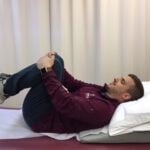
Note: These exercises should never be painful when completing them. You should only feel a gentle stretch. Hold the stretch for 10 seconds and repeat 5 times before you garden and every 2-3 hours while working. Should you experience pain, please consult your family physician or physical therapist.
The following guidelines to prevent injury and foster healthy gardening for those with and without disability:
Source: Karen Funkenbusch, MA; Willard Downs, PhD.: U. S. Department of Agriculture - Agricultural Engineering Extension
Model: Ryan Sod, PTA
NEXT MONDAY – Read Dr. Paul J. Mackarey “Health & Exercise Forum!”
This article is not intended as a substitute for medical treatment. If you have questions related to your medical condition, please contact your family physician. For further inquires related to this topic email: drpmackarey@msn.com
Paul J. Mackarey PT, DHSc, OCS is a Doctor in Health Sciences specializing in orthopaedic and sports physical therapy. Dr. Mackarey is in private practice and is an associate professor of clinical medicine at Geisinger Commonwealth School of Medicine.
Health and Safety Tips for Gardeners: Part 1 of 2.
Prevention of Hand Injuries Associated with Gardening
Memorial Day, the “kick off” day for gardening in NEPA without the fear of frost, was only one week ago, so it is not too late to get started. While gardeners are anxious to work in their gardens and enjoy the fruits of their labor, a relaxing and enjoyable activity can turn dangerous quickly. Precautions are necessary as repetitive stress injuries such as shoulder and elbow tendonitis and carpal tunnel syndrome can stem from raking, weeding, digging and pruning. Additionally, simple scrapes, blisters, and bites can turn into serious problems if not treated appropriately. Since prevention is the best approach, the American Society of Hand Therapists (ASHT) promotes warm-up exercises and injury prevention tips to help all levels of gardeners avoid serious and long-term injuries while enjoying this popular outdoor activity.
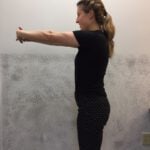
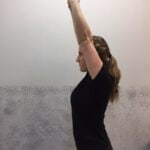
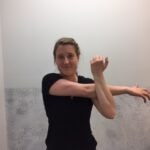
ASHT recommends following these upper extremity warm-up exercises prior to gardening:
Note: These exercises should never be painful when completing them. You should only feel a gentle stretch. Hold 10 seconds and repeat 5 times. Should you experience pain, please consult a physician or hand therapist.
1. Forward Arm Stretch: Fold your hands together and turn your palms away from your body as you extend your arms forward. You should feel a stretch all the way from your shoulders to your fingers. (PHOTO 1)
2. Overhead Arm Stretch: Fold your hands together and turn your palms away from your body, but this time extend your arms overhead. You should feel the stretch in your upper torso and shoulders to hand. (PHOTO 2)
3. Crossover Arm Stretch: Place your hand just above the back of the elbow and gently push your elbow across your chest toward the opposite shoulder. This stretch for the upper back and shoulder and should be performed on both sides. (PHOTO 3)
ASHT recommends the following guidelines to prevent injury and foster healthy gardening practices:
Professional Contributor: Nancy Naughton, OTD, CHT, is an occupational therapist and certified hand therapist practicing in NEPA.
Model: Heather Holzman
NEXT MONDAY – Read Dr. Paul J. Mackarey “Health & Exercise Forum!” Next Week: “Prevention of Gardening Injuries” Part II of II.
This article is not intended as a substitute for medical treatment. If you have questions related to your medical condition, please contact your family physician. For further inquires related to this topic email: drpmackarey@msn.com
Paul J. Mackarey PT, DHSc, OCS is a Doctor in Health Sciences specializing in orthopaedic and sports physical therapy. Dr. Mackarey is in private practice and is an associate professor of clinical medicine at The Commonwealth Medical College.
Prevention of Headaches Associated with Neck Pain in Children and Adolescents: Part 2 of 2
Last week, Kelley German, MD3, GCSOM guest author wrote about the causes of headaches in children and adolescents. This week, we will discuss two additional causes, more mechanical than medical, but common none-the-less: poor posture and stress.
Neck pain and headaches, are among the most common ailments for children and adolescent students. It is widely accepted in the medical community that keeping fit, (flexible and strong), practicing good posture, and using proper body mechanics and ergonomics and managing stress are essential in the prevention of neck pain and headaches in children and adolescents.
Children and adolescents are notorious for sitting, reading, using their computers, watching television or playing video games with poor posture. Over time, the forward head, rounded shoulders and slumped spine can shorten the muscles and ligaments of the spine and compress nerves and cause headaches. Once other causes of headaches has been ruled out by your physician, a physical therapist can teach posture stretching and strengthening exercises to prevent or alleviate this problem.
Good posture is critical for a healthy back. When sitting, standing or walking maintain a slight arch in your lower back, keep shoulders back, and head over your shoulders. In sitting, use a towel roll or small pillow in the small of the back.
Perform postural exercises throughout the day. Most of the day we sit, stand, and reaching forward and bend our spine. These exercises are designed to stretch your back in the opposite direction of flexion. Please perform slowly, hold for 3-5 seconds and repeat 6 times each 6 times per day (while sitting at your desk).

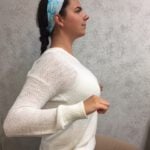

Sitting: When sitting, use an ergonomic chair at work station with a lumbar support and adjustable height. Get close to your keyboard and monitor. Stand up and perform the above postural exercises every 45-60 minutes. If you are working on a laptop or tablet, use a lap desk or place a pillow or two on your lap to elevate the device.



It is commonly known that stress and tension can cause headaches and children and adolescents often suffer from stress. Tension headaches often present as a dull ache, tightness or pressure across the forehead and tightness in the muscles of the shoulders and neck. Once other causes of headaches has been ruled out by your physician, a physical therapist can teach relaxation techniques along with postural exercises.
If you believe your child is having difficulty with stress and may be the source of headaches and other physical problems, talk to your physician. It may be determined that counseling, along with exercise and relaxation techniques may be appropriate.
Progressive Muscle Relaxation
Progressive Muscle Relaxation is a relaxation technique used to release stress. It can relax the muscles and lower blood pressure, heart rate, and respiration. Progressive Muscle Relaxation is the tensing and then relaxing each muscle group of the body, one group at a time. Though this technique is simple it may take several sessions before it is 'mastered.' Progressive muscle relaxation may be done sitting or lying down.
Some people prefer to listen to an audio that guides one through progressive muscle relaxation.
Visit YouTube: Progressive Muscle Relaxation and select from a variety of videos.
Visit your doctor regularly and listen to your body.
NEXT MONDAY – Read Dr. Paul J. Mackarey “Health & Exercise Forum!”
This article is not intended as a substitute for medical treatment. If you have questions related to your medical condition, please contact your family physician. For further inquires related to this topic email: drpmackarey@msn.com
Paul J. Mackarey PT, DHSc, OCS is a Doctor in Health Sciences specializing in orthopaedic and sports physical therapy. Dr. Mackarey is in private practice and is an associate professor of clinical medicine at Geisinger Commonwealth School of Medicine.
Special Feature “Health & Exercise Forum” with Geisinger Commonwealth School of Medicine, the 3rd Monday of every month!

Kelley German, MD3
Guest Columnist: Kelley German, MD3
Kelley German, MD3 is a third year medical student at Geisinger Commonwealth School of Medicine. She is originally from Pittsburgh, PA and graduated with a Bachelor’s of Science from the University of Notre Dame with a minor in Science, Technology, and Values. Kelley is interested in children’s health and wellness.
Parents, have your children ever complained to you, “Mom, Dad, my head hurts.” You are not alone. In fact, one of the most common chief complaints in the pediatric population is a headache. By age eighteen, more than 90% of children report having a headache. There are many reasons a child may be having a headache, some of which are more serious than others. As a parent, you should know what symptoms warrant a visit to the emergency room versus a visit to your pediatrician’s office.
Medically, we define headaches as primary and secondary headache disorders. Primary headache disorders include migraines, tension-type, and cluster headaches. Migraines are characterized by a throbbing pain that worsens with activity and may be accompanied by nausea, vomiting, light or sound sensitivity. Tension-type headaches present as a diffuse, non-throbbing pain that does not worsen with activity and is not associated with vomiting. Cluster headaches are associated with symptoms such as teary eyes, runny nose or redness of the eyes. If your child is having these symptoms, be sure to call your pediatrician so that your child can be evaluated and receive the appropriate treatment.
Secondary headache disorders are caused by an underlying condition. Some of these underlying conditions include the common cold, post-traumatic head injury, visual problems, medication side effects, meningitis, brain tumor, intracranial high blood pressure or bleed. These causes often warrant a thorough physical exam in addition to a complete medical and social history. If there is an abnormal finding on physical exam, your pediatrician will determine whether or not more testing is needed to diagnose your child.
A key aspect of diagnosing headache disorders is being able to obtain a full history regarding the headache. This is why it is important for pediatric patients and their parents to come to appointments prepared with all the necessary information. Many headache specialists recommend keeping a headache diary. Parents should write down at what time of the day their child’s headaches occur, the intensity of the headache, any associated symptoms, what if any intervention was taken and if that intervention was effective in relieving your child’s headache. Use a pain scale of 1 to 10 (0 representing no pain and 10 being emergency room pain), to describe the intensity of the headache. Parents should also note what their child is doing when the headache begins, including the child’s diet because headaches can oftentimes be triggered by certain foods.
After creating this headache diary, make sure to inform the pediatric office why you are making the appointment and request extra time for the appointment so your doctor can appropriately discuss, examine and assess your child’s symptoms in order to create a treatment plan. You should not wait for all headaches to be evaluated by your pediatrician. Oftentimes, time is critical and a child with a headache needs immediate medical attention. If your child is experiencing any of the following symptoms, he or she may need further medical evaluation:
These are all signs of increased pressure surrounding the patient’s brain, which could be caused by a number of causes including a bleed within the brain, meningitis or a brain tumor. Headaches can present in a variety of ways and range in severity, duration, and associated symptoms. Approximately twenty percent of children from ages four to eighteen report having frequent or severe headaches in the past twelve months. It is important to make sure your child receives the appropriate medical attention based on symptoms. Hopefully, the more aware parents are, the better health care professionals are able to care for your child.
Medical Contributor: Lori Shipski, MD, PA-based Locum Tenens pediatrician with special interest in headaches, asthma, and smoking-cessation.
Read Dr. Mackarey’s Health & Exercise Forum – every Monday. ***Next week will discuss two additional common causes of headaches in children and adolescents... poor posture and stress………..
This article is not intended as a substitute for medical treatment. If you have questions related to your medical condition, please contact your family physician. For further inquires related to this topic email: drpmackarey@msn.com
Paul J. Mackarey PT, DHSc, OCS is a Doctor in Health Sciences specializing in orthopaedic and sports physical therapy. Dr. Mackarey is in private practice and is an associate professor of clinical medicine at Geisinger Commonwealth School of Medicine.