REFLEX SYMPATHETIC DYSTROPHY (RSD)
Part 1 of 2
Over the past 9 years, I received several emails from people suffering from Reflex Sympathetic Dystrophy (RSD). A recent email from a very desperate and concerned reader looking for information about (RSD) caused me to pause and reflect. For those unfamiliar with this disorder, it is one of the most frustrating, frightening and misunderstood neuromuscular problems one can experience. I have had patients develop RSD after a simple ankle sprain, major trauma or prolonged casting. It is speculated that the body seems to overreact to this trauma and the neuromuscular system goes haywire. The person can experience severe pain, burning, tingling, numbness, weakness, swelling, stiffness, warmth, excessive perspiration, excessive hair growth and more – all from a relatively minor trauma.
The current wisdom in pain management now classifies RSD as chronic regional pain syndrome (CRPS). CRPS is a malfunction of the nervous and immune systems as they respond to tissue damage from trauma or after a period of immobilization. A number of precipitating factors have been associated with CRPS including: sprain, contusion, fracture, heart attack, stroke, irritation or injury to a single spinal nerve, injury to the spinal cord, diabetic neuropathy, cancer, multiple sclerosis, poor circulation, infections, surgery, repetitive motion disorders (carpal tunnel syndrome), and cumulative trauma.
The sympathetic nervous system seems to assume an abnormal function after the incident. The original injury initiates a pain impulse carried by sensory nerves to the central nervous system. The pain impulse in turn triggers an impulse in the sympathetic nervous system which returns to the original site of injury. The sympathetic impulse triggers the inflammatory response causing the blood vessels to spasm, leading to swelling and increased pain. The pain triggers another response, establishing a cycle of pain and swelling. Even a minor injury might trigger CRPS causing nerves to misfire, sending constant pain signals to the brain.
CRPS is divided into two categories: Type I (Reflex Sympathetic Dystrophy) and Type II (Causalgia). Pathology of causalgia is damage to a major nerve trunk. In RSD, there is usually damage to some very minor nerves. The symptoms and clinical presentation of the conditions overlap as do the treatments. The contents of this article will focus on RSD.
Some experts believe there are three stages associated with RSD, marked by progressive changes in the skin, muscles, joints, ligaments, and bones of the affected area. The “staging” of RSD is a concept that is somewhat speculative because progression has not yet been validated by clinical research studies. Also, the course of the disease seems to be so unpredictable between various patients that staging is not helpful in the treatment of RSD. Not all of the clinical features listed below for the various stages of RSD may be present and speed of progression varies greatly in different individuals:
RSD is diagnosed primarily through observation of the signs and symptoms. Since there is no specific diagnostic test for RSD, the most important role for testing is to help rule out other conditions. However, there are a couple of tests which can be useful in providing evidence for RSD.
The backbone test for this disease is a sympathetic block. In over 95% of patients, the blockade will take away their pain. The sympathetic block will not only provide diagnostic and prognostic information, but may also provide a cure or partial remission of RSD.
1. Thermography: A non-invasive means of measuring heat emission from the body surface using a special infrared video camera.
2. Quantitative sweat test
3. Triple phase bone scan
4. Cold and mechanical allodynia: applying a stimulus to the area to see if it causes pain.
5. IV phentolamine test: a pharmacologic test for changes in blood pressure.
6. X-rays, EMG, Nerve Condition Studies, CAT scan, and MRI studies: All of these tests may be normal in RSD/CRPS. These studies may help to identify other possible causes of pain; for example, RSD plus a carpal tunnel syndrome.
For More Information:
Contributor: Janet Caputo, PT, DPT, OCS: Clinic Director at Mackarey & Mackarey Physical Therapy Consultants, LLC in Scranton, PA.
NEXT MONDAY – Read Dr. Paul J. Mackarey “Health & Exercise Forum! in the Scranton Times-Tribune. Next Week RSD- Part 2.
This article is not intended as a substitute for medical treatment. If you have questions related to your medical condition, please contact your family physician. For further inquires related to this topic email: drpmackarey@msn.com
Paul J. Mackarey PT, DHSc, OCS is a Doctor in Health Sciences specializing in orthopaedic and sports physical therapy. Dr. Mackarey is in private practice and is an associate professor of clinical medicine at The Commonwealth Medical College.
Osteoarthritis slowly develops in the weight-bearing joints, most commonly in the hip and knee, creating pain, stiffness, swelling and loss of function. There are many nonsurgical options such as: rest, weight loss, medication, physical therapy, steroid injections, and viscosupplementation (SynviscR) injections. However, when conservative measures fail, surgical intervention, such as a joint replacement, becomes the next option. A total joint replacement uses a prosthesis (artificial part) to replace the end of the bone damaged from arthritis. These new metal and plastic surfaces in the joint allow the painfree movement and function in the hip and knee. These procedures have been performed since the early 1970’s. The outcomes for active people continue to improve with advances in technology, prosthetic materials and new techniques. As a result, many active people are eager to use there new joint to continue an active lifestyle. The ability to return to golf is source of some controversy. It will be the purpose of this column to review the literature and make recommendations to safely return to golf with a hip and knee replacement.
Over the past thirty years, I have had the pleasure of rehabilitating countless patients with hip and knee replacements. What was once considered aggressive to return to activities such as golf, is now relatively common. But, to do so safely, requires preparation, precaution and good judgment. Dr. Larry Foster, also known as Dr. Divot, is an orthopedic surgeon and avid golfer and the author of “Dr. Divot’s Guide to Golf Injuries – A Handbook for Golf Injury Prevention and Treatment.” Dr. Divot, who lectures to PGA and LPGA golf professionals, medical doctors and physical therapists across the country, has reviewed the medical literature to determine the safety of golfing with hip or knee joint replacements. This research, as well as surveys from the Hip and Knee Societies of the American Academy of Orthopedic Surgeons, has concluded some interesting and encouraging findings for golfers with hip or knee replacements:
Sources: Rothman Institute, Philadelphia, PA
Visit your doctor regularly and listen to your body.
NEXT MONDAY – Read Dr. Paul J. Mackarey “Health & Exercise Forum" in the Scranton Times-Tribune.
This article is not intended as a substitute for medical treatment. If you have questions related to your medical condition, please contact your family physician. For further inquires related to this topic email: drpmackarey@msn.com
Paul J. Mackarey PT, DHSc, OCS is a Doctor in Health Sciences specializing in orthopaedic and sports physical therapy. Dr. Mackarey is in private practice and is an associate professor of clinical medicine at The Commonwealth Medical College.
Guest Columnist: Janet M. Caputo, PT, DPT, OCS
Part 2 of 2 (If you missed Part 1 you can go back and read it at this link.)
When children begin to walk, they need shoes for protection not stability or motion control! Children deserve the BEST shoes, which are not always the most expensive! Selecting appropriate shoes for children assists the development of their feet as well as improves their balance responses.

Measure your child’s feet every 3 months: Since children’s feet grow rapidly, they may require new shoes every 3 months! Footwear with sufficient growing room allows a thumb’s width between the shoe and the longest toe which is not necessarily the Big Toe! Shoes with leather uppers are the most durable and the most expensive, but not the most economical, because children outgrow shoes before they can wear them out. Shoes made of cloth or canvas, such as sneakers, are just as good and much less expensive.
Select footwear with uppers made of breathable, lightweight materials: Children’s feet perspire heavily because they go non-stop. Therefore, breathable materials (e.g. leather, cloth, canvas, or the newer mesh materials) are ideal for the upper part of your child’s shoe but you should avoid synthetic materials, especially plastics. To absorb excessive perspiration, the insole, which is inside the shoe, should be made of absorbent material. Because children also expend a great deal of energy walking, their shoes should be lightweight. Sneakers are typically made of cloth, canvas, or mesh material which makes the shoe not only lighter but also breathable.
Select a “rounded” toe “box”: Children’s toes need room to move for proper growth and development. Do not cramp their toes with a narrow toe box. Allow their toes freedom to wiggle!
The “sole” is the “soul” of the shoe: The sole of the shoe provides flexibility, stability, and traction. Since a child’s foot should not be constrained, flexibility is the most important quality. Shoes should not need to be “broken in”. The sole should bend in the ball area with little effort and but should be firm in the arch area where the foot does not bend. Smooth soles offer less friction and will not catch on the floor causing a child to fall. Grooves in the sole provide better traction and would be appropriate for wet or winter weather. Sneakers offer flexibility, stability, as well as traction.
Heels must HEEL: Toddlers need flat soled shoes, like sneakers, to make walking easier. Most leather shoes have heels which can encourage toe-walking, tighten the calf muscles, and shorten the Achilles tendon. Heeled shoes can also cause the foot to slide forward which can cramp the toes against the toe box.
Do not “counter” the “counter”: A child’s shoe requires a stable but padded heel counter. To determine if the counter is stable, squeeze the back of the shoe. If the counter deforms easily, it is not firm enough to withstand abuse. Most children, and some adults, fail to take the time to unfasten their shoes, but rather hastily slide their feet into their shoes allowing their heels to squish the counters! The inside of the heel counter should be smooth to avoid irritation to the back of the child’s heel.
By 6 to 10 years of age, children develop gender differences (i.e. boys have a wider mid-foot than girls). At 9 to 12 years of age, children develop walking patterns SIMILAR to that of adults but their feet continue absorb shock differently. A girls’ foot typically stops growing at 12 years, while a boy’s foot will not complete development until 15 years. However, even though their feet may be fully GROWN, they are not fully MATURE! Therefore, even though children at this age may fit into adult footwear, the adult version may not be the BEST choice for your child!
Children’s feet differ from their adult counterparts and change constantly. Poorly fitting or inappropriate shoes for children can cause foot problems in adulthood: hammer toes, ingrown toenails, foot corns, calluses, and bunions. Rather than asking relatives, friends, or the local shoe salesman, consult your pediatrician before purchasing footwear for your child. Appropriate prescription for your child’s footwear may not be easy given the immense variability in manufacturer’s choices!
Most importantly, don’t be in a hurry to buy shoes for your children! Wait until they begin to walk (i.e. 11 to 15 months). Even then, keep your children barefoot as much as possible to encourage proper development of muscles and ligaments, as well as good balance. Remember, the “BEST” shoes for children are “NO” shoes!
Visit your doctor regularly and listen to your body.
CONTRIBUTING AUTHOR: Janet Caputo, PT, DPT, OCS is clinical director of physical therapy at Mackarey & Mackarey Physical Therapy Consultants, LLC in downtown Scranton where she practices orthopedic and neurological physical therapy.
NEXT MONDAY – Read Dr. Paul J. Mackarey “Health & Exercise Forum!” in the Scranton Times-Tribune.
This article is not intended as a substitute for medical treatment. If you have questions related to your medical condition, please contact your family physician. For further inquires related to this topic email: drpmackarey@msn.com
Paul J. Mackarey PT, DHSc, OCS is a Doctor in Health Sciences specializing in orthopaedic and sports physical therapy. Dr. Mackarey is in private practice in Scranton, PA. He is an associate clinical professor of medicine at The Commonwealth Medical College.
Part 1 of 2
Guest Columnist: Janet Caputo, PT, DPT, OCS
Babies celebrate their FIRST birthday, take their FIRST step, say their FIRST word, and cut their FIRST tooth. For the most part, Mother Nature drives all these firsts. Yes, parents do encourage their babies to say their first word and take their first step, but the child must develop the appropriate amount of neuromuscular control in order for these events to occur. Recently, a new mom asked me if one type of footwear would be best to encourage the neuromuscular development of her 3 month old baby’s feet to foster walking. There is much more to this simple question than one might think…
Retail stores entice mothers to buy adorable outfits for their babies complete with matching footwear. How many of these mothers consult their pediatricians before purchasing footwear for their babies? Actually, mothers should take time to inquire and consider the type and timing of their babies’ footwear!
Experts believe that footwear during infancy may constrain the child’s foot growth and development. Placing your baby in footwear too early denies his body physical contact with his environment, retards the development of his balance responses, and impedes the natural development of his foot. Scientists compared adult American feet to those of adult African natives who had never worn shoes. The African natives maintained a straight big toe, while the big toes of Americans developed a bunion deformity. Poorly fitting children’s shoes can cause many other problems in adulthood: hammer toes, ingrown toenails, corns, and calluses. Some researchers suggest that adults who have flat feet can trace their condition back to inappropriate footwear during childhood.

Traditional hard-soled baby shoe
My feet are the perfect example! As an infant, my mother always had me in socks and booties, and bought me my first pair of shoes (i.e. the typical high-top, lace-up with a hard outsole) as soon as I started walking. She noticed my “flat feet” at 3 or 4 years of age. Concerned, my mother sought advice from our family doctor who suggested exercises for my foot muscles (e.g. picking up pencils with my toes). Because of my “flat feet”, she always bought me “good shoes” with “arch supports” during my developmental years. QUESTIONS: Despite all these efforts, why do I still have flat feet? Did my mother unknowingly adversely affect the development of my feet?
My father, at 81 and mother at 78 years young, enjoy perfect arches. Then, there is me, their daughter, with flat feet! What difference might have caused my flat feet? My parents grew up during the Great Depression! Shoes, at that time, were a luxury not a necessity! As children, my parents played and ran around barefoot and only wore shoes for school and church. Their feet were allowed to develop normally without constraint of socks and shoes.

Traditional baby shoes are too rigid.
Parents should not compare their children’s feet, legs, or style of walking to that of mature adults, because they are supposed to be DIFFERENT! As toddlers begin to walk, they exhibit a flat-footed pattern with their hips and knees bent, and legs turned outward. This “odd” walking pattern actually allows normal development of the child’s leg and foot and the child’s arch will not fully develop until 6 to 10 years of age. Children may also walk with knock-knees, bow-legs, or toes turned inward. These variants of lower leg development typically resolve by 8 years of age. Research demonstrates that shoe inserts, corrective shoes, or other interventions do not enhance the normal development of children’s legs and feet, and that they can be potentially harmful. Over-treatment of mild to moderate “deformities” can perpetuate the “problem” by decreasing normal muscle activity resulting in weakness. However, if a child has pain with walking or has difficulty with walking (e.g. constantly tripping or falling), experts recommend consultation with a pediatric podiatrist or pediatric orthopedic surgeon.
In summary, babies and crawlers do not need shoes, but, even socks and booties limit a child’s ability to spread and wiggle their toes. To encourage proper muscular development while providing warmth, select loose fitting booties that are soft and supple. At about one year of age, children begin to walk and finally need footwear. I love ending on a cliff-hanger, so please join us next week for some tips on selecting shoes for your children.
Visit your doctor regularly and listen to your body.
CONTRIBUTING AUTHOR: Janet Caputo, PT, DPT, OCS is clinical director of physical therapy at Mackarey & Mackarey Physical Therapy Consultants, LLC in downtown Scranton where she practices orthopedic and neurological physical therapy.
NEXT MONDAY – Read Dr. Paul J. Mackarey “Health & Exercise Forum!” in the Scranton Times-Tribune. Next Week: Part 2 – Best Baby Shoes.
This article is not intended as a substitute for medical treatment. If you have questions related to your medical condition, please contact your family physician. For further inquires related to this topic email: drpmackarey@msn.com
Paul J. Mackarey PT, DHSc, OCS is a Doctor in Health Sciences specializing in orthopaedic and sports physical therapy. Dr. Mackarey is in private practice in Scranton, PA. He is an associate clinical professor of medicine at The Commonwealth Medical College.
Get Healthy and Prevent Lower Back PainPart 2 of 2 for Global Employee Health & Fitness Month May is Global Employee Health and Fitness month. Research supports the notion that healthier employees are happier and more productive. When employers encourage healthy behavior and safety at work, they benefit in many ways. For example, in additional to improved job satisfaction and productivity, healthy employees save money by using less sick time, worker’s compensation benefits and health benefits. Deconditioned, overweight employees are more likely to have diabetes, heart disease, high blood pressure and are at greater risk for injury. So, use Global Employee Health and Fitness Month as an opportunity to start a health promotion program at your workplace…have a health fair, offer healthy snacks, encourage walking or exercise at lunch, or offer fitness club stipends. Lower back pain, one of the most costly illnesses to employers, is one example of a preventable problem with a good health and safety program. It is widely accepted in the medical community that the best treatment for lower back pain (LBP) is prevention. Keeping fit, (flexible and strong), practicing good posture, and using proper body mechanics are essential in the prevention of LBP. If you missed Part 1 in this series, you can read it here.
When sitting, use an ergonomic chair at work station with a lumbar support and adjustable height. Get close to your keyboard and monitor. Stand up and perform postural exercises every 45-60 minutes.

Proper Sitting Posture
If you walk or stand most of the day, wear good shoes. Avoid high heels and shoes without adequate support like sandals.
If you drive long distances, use a lumbar support to keep an arch in the small of your back, sit close to your steering wheel to prevent bending forward and stop to stretch using the above postural exercises every 45-60 minutes.
Aerobic exercise will help prevent weight gain and stiffness for a healthier lower back. Perform mild aerobic exercise such as walking 3-5 times per week for 30-45 minutes. Core stabilization exercises: Core stabilization exercises designed to strengthen the abdominal and lower back muscles will help prevent injury. Some examples of core exercises are: (Perform slowly - hold the pelvic tilt 5 seconds, repeat 10 times)
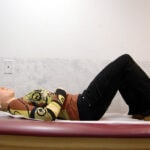
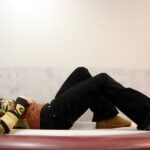
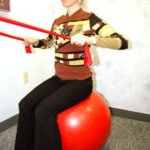
Avoid full sit-ups! Limit repeated flexion and torque on the lower back by using core stabilization techniques to strengthen abdominal muscles.
Weight Training –
Aerobic Exercises –
Balance Exercises –
Visit your doctor regularly and listen to your body.
NEXT MONDAY – Read Dr. Paul J. Mackarey “Health & Exercise Forum" in the Scranton Times-Tribune.
This article is not intended as a substitute for medical treatment. If you have questions related to your medical condition, please contact your family physician.
For further inquires related to this topic email: drpmackarey@msn.com Paul J. Mackarey PT, DHSc, OCS is a Doctor in Health Sciences specializing in orthopaedic and sports physical therapy. Dr. Mackarey is in private practice and is an associate professor of clinical medicine at The Commonwealth Medical College.
 Part 1 of 2 for Global Employee Health & Fitness Month
May is Global Employee Health and Fitness month. Research supports the notion that healthier employees are happier and more productive. When employers encourage healthy behavior and safety at work, they benefit in many ways. For example, in addition to improving job satisfaction and productivity, healthy employees save money by using less sick time, worker’s compensation benefits and health benefits. For example, according to the Centers for Disease Control and Prevention, approximately 75 percent of employers” health care costs are related to chronic medical problems such as obesity, diabetes, high blood pressure, and high cholesterol. Deconditioned, overweight employees are more likely to suffer from these preventable conditions and are at greater risk for injury. So, use Global Employee Health and Fitness Month as an opportunity to start a health promotion program at your workplace…have a health fair, offer healthy snacks, encourage walking and exercising at lunch, or offer fitness club stipends.
Lower back pain, one of the most costly illnesses to employers, is one example of a problem which can be prevented with a good health and safety program. It is widely accepted in the medical community that the best treatment for lower back pain (LBP) is prevention. Keeping fit, (flexible and strong), practicing good posture, and using proper body mechanics are essential in the prevention of LBP. At our clinic, significant time and effort is spent emphasizing the importance of these concepts to our patients and employees.
Kane Trucking is a perfect example of the merit and value of LBP safety and prevention. I have served as a rehab consultant for Kane Trucking for many years. During this time, Kane has noticed a significant reduction in LBP injuries through an onsite safety program which promotes education, wellness, body mechanics, lifting techniques, postural and stretching exercises and ergonomics.
As little as 10 extra pounds puts great stress on your lower back. It also makes it more difficult to maintain good posture. Eat well, exercise regularly and don’t smoke. Smokers have a much higher incidence of LBP and failure from lower back surgery.
Good posture is critical for a healthy back. When sitting, standing or walking maintain a slight arch in your lower back, keep shoulders back, and head over your shoulders. In sitting, use a towel roll or small pillow in the small of the back.
Perform postural exercises throughout the day. Most of the day we sit, stand, and reaching forward and bend our spine. These exercises are designed to stretch your back in the opposite direction of flexion. Please perform slowly, hold for 3-5 seconds and repeat 6 times each 6 times per day.
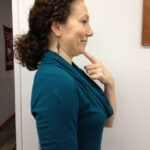
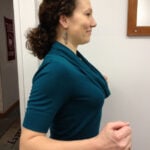
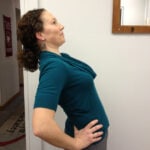
Good Body Mechanics and ergonomics are also important in the prevention of LBP. When lifting, think twice. Think about the weight, shape and size of the object. Think about where the object is going and the surface resistance of the floor. Does it require two people to lift? Can I safely lift that high or bend that low?
When bending to lift an object think about safety:
Visit your doctor regularly and listen to your body.
NEXT MONDAY – Read Dr. Paul J. Mackarey “Health & Exercise Forum!” Next Week: Part II of “Prevention of Lower Back Pain.”
This article is not intended as a substitute for medical treatment. If you have questions related to your medical condition, please contact your family physician. For further inquires related to this topic email: drpmackarey@msn.com
Paul J. Mackarey PT, DHSc, OCS is a Doctor in Health Sciences specializing in orthopaedic and sports physical therapy. Dr. Mackarey is in private practice and is an associate professor of clinical medicine at The Commonwealth Medical College.
Guest Author: Anjani Amladi
Anjani Amladi is a 2nd year medical student at The Commonwealth Medical College (TCMC). She was raised in San Ramon, CA and earned a B.S. in Biological Sciences at The University of California at Davis. She has a special interest in alternative medicine, wellness and preventive care. Her goal is to secure a Psychiatry residency with the hope of researching alternative therapies for psychiatric disorders.
Anjani has a special interest and passion for therapy dogs in healthcare. She and her dog Rambo are taking steps to become a certified dog-handler team. It is my sincere hope that these words will touch others and foster the human-animal relationship. Therapy dogs play an essential role in the healing process, and rise to the occasion when words are not enough.
As a physician, Anjani plans to assist in the healing and wellness of her patients with more than medicine…with a little help from Rambo,“her best friend!”
The relationship between man and dog has been recognized and honored throughout time. Some historians trace the therapeutic employment of animals back to ancient Egypt, Greece, and Rome. Over time, humans have domesticated dogs of all breeds based on the animals’ multitude of skills, which include; retrieving, tracking, herding, sled pulling, protection and companionship.
Scientific evidence supports the positive effects animals have on our health. By simply petting an animal, the body responds by producing a hormone called oxytocin which induces calming effects. These feelings of tranquility are also associated with physical phenomena including; improved physical and emotional well-being, decreased blood pressure, decreased triglycerides, and decreased stress.
A therapy dog (TD), also known as a comfort dog, possesses certain innate warm, gentle and loving qualities which provide comfort and healing to humans. TD’s come in all breeds, shapes and sizes. They do not just tolerate human contact, they welcome and love it. TD’s are friendly, gentle, and remain at ease in many different settings and situations. This special companion loves physical contact with people of all ages and enjoys visiting public places. While some TD’s wear a bandana, they do not wear vests because it limits petting areas and might be confused with a service dog. Certified and registered TD’s wear a collar ID tag, while the handler carries an identification badge.
The use of therapy dogs in times of crisis has popularized the movement. The Oklahoma City bombing in 1995 was the first national tragedy that employed the use of therapy dogs in disaster relief. Their presence was requested by the Federal Emergency Management Agency and TDI sent a total of 20 teams to the site. In September 2001 approximately 500 animal-handler teams were sent to New York, New Jersey, and Virginia in response to the 9-11attack. But the list does not stop there. Therapy dogs have responded after disasters such as Hurricane Katrina in 2004, Virginia Tech in 2007, Northern Illinois University in 2008, Sandy Hook in 2012, and others.
TD training began in 1976 when a nurse named Elaine Smith founded Therapy Dogs International (TDI) in New Jersey. Smith had witnessed positive patient responses to the dog that worked alongside the hospital’s chaplain. In 1977, the Delta Foundation, which is now Pet Partners, was created in Oregon by both physicians and veterinarians who noted the benefits of animals in their practices and personal lives. Both TDI and Pet Partners aim to foster the human-animal relationship and improve the daily lives of humans
TDI is a volunteer organization dedicated to regulating, testing and registering training dogs and their volunteer handlers for the purpose of visiting nursing homes, hospitals, assisted living facilities, disaster areas, and other institutions or situations where the therapeutic benefit of a TD is needed.
Today about 24,750 dog-handler teams are registered with TDI and over 10,000 with Pet Partners. While the importance of TD’s is still being discovered, the demand for these dogs is very high and there are currently not enough teams to service all the people who need them.
TD experts believe that the need for certified dogs will increase, not only due to their success in disaster situations, but also to work with the increasing numbers of military personnel who are returning home with post-traumatic stress disorder (PTSD).
If you think your dog has the special qualities to become a certified TD or would like more information, contact: www.tdi-dog.org.
Read Dr. Mackarey’s "Health & Exercise Forum" – Every Monday in the Scranton Times-Tribune.
This article is not intended as a substitute for medical treatment. If you have questions related to your medical condition, please contact your family physician. For further inquires related to this topic email: drpmackarey@msn.com
Paul J. Mackarey PT, DHSc, OCS is a Doctor in Health Sciences specializing in orthopaedic and sports physical therapy. Dr. Mackarey is in private practice and is an associate professor of clinical medicine at The Commonwealth Medical College.
Patients often tell me that they would like to exercise but hesitate due to their knee or hip pain. They want to know what type of exercise is best for those suffering from osteoarthritis (OA). Osteoarthritis is also known as degenerative arthritis. It is the most common form of arthritis in the knee. It is usually a gradual, slow and progressive process of “wear and tear” to the cartilage in the joint which eventually wears down to the bony joint surface. It is most often found in middle-aged and older people and in weight bearing joints such as the hip, knee and ankle. It causes gradual onset of pain, swelling and stiffness in the involved joint, especially after increased activity and weakness with loss of function due to disuse.
However, OA is not an excuse to avoid exercise but it is important to be smart about it. Regular exercise is essential to maintain a normal lifestyle for those with OA. However, if you do the wrong exercise, use poor technique, or are too aggressive, you could flare-up your joints and do more harm than good.
When performed correctly, exercise for those with OA has many benefits:
Exercise controls OA pain by releasing natural pain control chemicals in the body called endorphins. It also controls pain by assisting in weight loss and improving range of motion.
We all know how well exercise burns calories and that increased body weight creates increase stress on the joints.
Exercise will help maintain joint range of motion. A stiff joint is a painful joint.
Exercise will help maintain muscle strength. Weak muscles will allow or increase in joint wear and tear.
If a joint is stiff and weak, then they become painful which negatively impacts your lifestyle. Exercise can prevent this problem.
Wean into exercise because if you advance too quickly, you will flare up the joint and have increased pain. For example, walk for 5-10 minutes the first session. If you do not have pain, add 1-2 minutes each session.
Every pound lost equates to less stress on your joints. For example, a loss of 5 pounds of body weight translates to 20-30 pounds of stress through the knee, according to David Borenstein, MD, President of the American College of Rheumatology. Also, body weight has a direct impact on daily activities. For example, walking upstairs creates stress through the knee equal to 4 times body weight and seven times body weight going downstairs. Therefore, less body weight equals less stress.
Low impact exercise creates less stress on the joints while strengthening leg muscles and those who those who maintain leg muscle strength have less stress on their joints. It is even important not to load your arms with heavy objects when walking or using stairs to limit joint stress.
Some examples of low-impact exercises are: walking, swimming, elliptical trainer, and biking. Strength training is also low-impact and should be performed with low weight and high repetitions. Water therapy is great for those with OA, especially in a heated pool. It is a great low-impact exercise with less gravity and stress on the joints. Walk, swim and do mild resistance exercises in the water. Use a snorkel and mask for swimming to limit excessive neck turning and back extension.
Walking is a great form of exercise; however, walking softly is important for those with OA. Wear good running shoes and orthotics if necessary. Discuss this with your physical therapist or podiatrist. When possible, use soft surfaces like cinder, mulch or rubber. Avoid grass and soft stand due to instability and torsion that may irritate your joints.
Warming up your body is critical to prevent injury to the muscles and tendons. This can be done by marching in place or using aerobic equipment such as a bike for 5 to 10 minutes before exercise. Always perform the warm-up activity at ½ your normal pace.
Tai Chi and ballroom dancing are two good examples of activities which promote balance and relaxation. Studies showed that those with OA who participated in Tia Chi two times a week for eight weeks reported less pain, increased range of motion and improved daily activities and function. They also noted less low back pain and better sleeping.
Stay warm in winter and consider wearing compression shorts. Be cool in the summer months with DrytechR type material.
If you are sore for longer than 12 to 24 hours after exercise, then you overdid it and must make adjustments next time. Otherwise, use hot packs, bath or shower before you exercise to loosen up and apply ice to your joints after exercise, especially if they are sore.
Gentle, active range of motion stretches after exercise is important to maintain mobility. Do not bounce or cause pain. For example: Low Back – knees to chest; Arms – row –the – boat, arms behind head, arms behind back; Legs – wall lean calf stretch, bend and extend knees, open and close hips.
SOURCES: Rothman Institute, Philadelphia, PA and American Academy of Orthopaedic Surgeons; www.lifescript.com
Visit your doctor regularly and listen to your body.
NEXT MONDAY – Read Dr. Paul J. Mackarey “Health & Exercise Forum!” in the Scranton Times-Tribune.
This article is not intended as a substitute for medical treatment. If you have questions related to your medical condition, please contact your family physician. For further inquires related to this topic email: drpmackarey@msn.com
Paul J. Mackarey PT, DHSc, OCS is a Doctor in Health Sciences specializing in orthopaedic and sports physical therapy. Dr. Mackarey is in private practice and is an associate professor of clinical medicine at The Commonwealth Medical College.
Spring is here … the days are longer and sun stronger!
This winter I saw local dermatologist, Dr. Ted Stampien, Jr. and his wife, Susan, driving in their convertible. I joked that the only time a dermatologist feels protected from the sun while riding in a convertible is in the winter with the top up. As we discussed the topic of protecting your skin from the sun, he joked that even the most vigilant dermatologists allow for a little fun in the sun. (For the record: he wears a hat and sun block in the summer when the convertible top is down…he emphasizes that there is no such thing as a HEALTHY tan.)
While protection from the sun is very important, Dr. Stampien feels that too much time indoors playing computer games and watching television, can lead to potential problems from lack of exposure to the sun. One must use good judgment and have balance as the potential exists for Vitamin D deficiency due to lack of sun exposure. This problem may be true for individuals who use too much protection or spend most of their day indoors due to occupation or poor health. Therefore, it will be the purpose of this column to discuss the importance of Vitamin D for health and wellness.
Vitamin D, a fat soluble vitamin, is found in food and can be made by your body after exposure to ultraviolet (UV) rays from the sun. The liver and kidney help convert Vitamin D to its active form. Vitamin D assists calcium absorption, which is essential for normal development and in forming and maintaining strong bones and teeth. Without Vitamin D, bones can become thin, brittle and soft. The classic Vitamin D deficiency diseases are rickets in children and osteomalacia in adults. Rickets results in skeletal deformities. Osteomalacia is the softening of bones. Vitamin D is essential for normal bone health and may diminish or prevent the onset of osteoporosis in the elderly.
The requirement for Vitamin D is dependent on age, sex, degree of sun exposure and the amount of pigmentation in the skin. Since Vitamin D can be produced by the body and retained for long periods of time by the body’s tissues, the precise daily requirement has been difficult to determine. Instead, an Adequate Intake (AI) level has been established. AI is a level of intake sufficient to maintain healthy blood levels of an active form of Vitamin D. The AIs are similar for males and females but increase with age:
Vitamin D deficiency can occur when dietary intake of Vitamin D is inadequate, when there is limited sunlight exposure, when the kidney cannot convert Vitamin D to its active form or when Vitamin D is inadequately absorbed from the gastrointestinal tract. Season, geographic location, time of day, cloud cover, air pollution, sunscreens, living indoors and living in cities where tall buildings block adequate sunlight from reaching the ground affect UV ray exposure. Individuals with limited sun exposure are at risk of Vitamin D deficiency. Homebound individuals, people living in northern latitudes (e.g. New England, Alaska), individuals who cover their bodies for religious reasons and people whose occupations prevent exposure to sunlight may need to supplement with Vitamin D. Sunscreens with a sun protection factor of 8 or greater will block UV rays that produce Vitamin D. Older adults have a higher risk for Vitamin D deficiency because the skin’s ability to convert Vitamin D to its active form decreases with age and the kidneys, which help convert Vitamin D to its active form, do not work as well when people age. Individuals with pancreatic enzyme deficiency, Chron’s disease, cystic fibrosis, sprue, liver disease, surgical removal of part or all of the stomach or small bowel disease may need extra Vitamin D because Vitamin D is a fat soluble vitamin and they have reduced ability to absorb dietary fat. Vitamin D supplements are often recommended for exclusively breast-fed infants because human milk may not contain adequate Vitamin D. Consult with your pediatrician on this issue.
Contributor: Janet Caputo, PT, DPT, OCS specializes in orthopedic and neurological rehabilitation as clinic director Mackarey & Mackarey Physical Therapy Consultants, LLC.
Read “Health & Exercise Forum” – Every Monday in the Scranton Times-Tribune. This article is not intended as a substitute for medical treatment. If you have questions related to your medical condition, please contact your family physician. For further inquires related to this topic email: drpmackarey@msn.com
Paul J. Mackarey PT, DHSc, OCS is a Doctor in Health Sciences specializing in orthopaedic and sports physical therapy. Dr. Mackarey is in private practice in downtown Scranton and is an associate professor of clinical medicine at The Commonwealth Medical College.
SOURCE: The National Institutes of Health
In an effort to address the Keystone State’s growing problem with obesity, TCMC with host the 1st Annual Keystone Program – Obesity Symposium 2013 on April 6, 2013.
The World Health Organization has classified obesity as a chronic disease and determined that it is reaching epidemic proportions, not only in the United States, but globally. Moreover, closer to home, the Pennsylvania Department of Health has determined that PA ranks 17th among all states in the country for percentage of obese residents.
The purpose of the symposium is to provide strategies for health professionals and students to prevent childhood and adult obesity recognize risk factors and discuss various treatment options such as behavioral, pharmacological, and surgical.
“Health & Exercise Forum” has dedicated the last two weeks to a topic related to this local, national and international epidemic by Ryan Sugarman, 4th year medical student at TCMC.
 BARIATRIC SURGERY: WHAT YOU NEED TO KNOW
Part 2 of 2
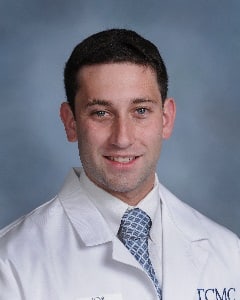
Guest Columnist: Ryan Sugarman, 4th Year Medical Student TCMC
Ryan Sugarman is a 4th year medical student and member of the charter class of The Commonwealth Medical College (TCMC). He was raised in Long Island, NY and earned a Bachelor of Science in Chemistry at Tufts University. He has a special interest in preventive care and has researched diabetic foot care and ways to improve pneumonia vaccination in the Scranton area. Recently he investigated the average one year weight loss of three bariatric procedures performed at Wilkes-Barre General Hospital in Wilkes-Barre, PA. He is currently applying for Internal Medicine residency and plans to complete a fellowship in gastroenterology, nephrology or hematology/oncology after.
Nearly one of three Pennsylvanians is obese, quantified as a Body Mass Index (BMI) > 30. This places them at risk for diabetes, hypertension (HTN) or high blood pressure, obstructive sleep apnea (OSA), and many other diseases. These illnesses may be insidious, festering unnoticed until they cause a stroke or heart failure. While diet and exercise are encouraged, it is often not enough to be effective. In more severe cases, surgical measures should be considered based on specific criteria to be discussed later in this column.
The risks vary depending on the type of bariatric procedure, but every surgery carries a risk of infection, bleeding or death. Fortunately, these surgeries are normally performed laparoscopically, where the surgeon only makes a few tiny incisions on the abdomen and operates insides the abdominal cavity with a camera and several tools, making these risks low.
The gastric band is minimally invasive and has few serious complications. Commonly the band will have to be adjusted because it is either too tight leading to vomiting, or it is too loose rendering it ineffective for weight loss. The band may slip from where it was initially placed necessitating corrective surgery. A more serious complication would be erosion of the band into the stomach, but this is extremely rare.
The gastric sleeve is a more invasive procedure, because it involves the removal of a large portion of the stomach. Common side effects are nausea and vomiting if there is too much food intake. A more serious complication is leakage at the surgical site which would require corrective surgery.
The roux-en-Y gastric bypass has risks of internal hernia, leak, vitamin deficiency and dumping syndrome, which is manifest as diarrhea, constipation, sweating and bloating due to the rapid transit of food through the GI tract. Fortunately, very few patients will suffer a complication if the surgery is performed laparoscopically by an experienced surgeon and supplements and diet instructions are followed.
Novel methods are currently being investigated including procedures that would not involve incisions at all. These endoscopic methods work by placing a tube down the mouth and esophagus and manipulating the GI tract from the inside rather than the outside. One procedure would inflate a balloon in the stomach (causing the patient to feel full), while another would line a portion of the small intestines with a material that blocks absorption.
Unfortunately, at present there are very few medications approved by the Food and Drug Administration for weight loss and their effectiveness pale in comparison to the weight loss achieved by surgery. Perhaps in the future new drugs with better mechanisms of action will be discovered.
Bariatric surgery decreases the risk of cardiovascular disease in the obese and may even reverse some preexisting diseases such as diabetes or hypertension. This accounts for up to 40% long term (7 year) decreased risk of death by any cause! Over the course of a year, more dramatic weight loss is achieved on average with the bypass and sleeve than the band in Wilkes-Barre General Hospital, but these invasive procedures also carry potential risks of serious complications. However, it is important to note that 10 years later, only one of two patients with the gastric band will maintain their weight loss versus 8-9 out of 10 who had the gastric bypass. As the gastric sleeve is relatively new, the long term maintained weight loss is not yet known.
Following the post-operative dietary instructions is critical and must be continued forever to prevent gaining weight again in 3-5-8-10 years. Additionally, participation in moderate exercise 5-7 days per week is an essential component of long term weight control and lifestyle change. Get your physician’s approval and consult with a physical therapist to develop a program specific for your needs. A minimum of 30 minutes of physical activity, 5 – 7 days per week can greatly contribute to weight control and longevity. Researchers have found that the benefits of regular physical activity are numerous. Some of the more important benefits are:
Visit your doctor regularly and listen to your body.
Keep moving, eat healthy foods, exercise regularly, and live long and well!
NOTE: Images in article were reproduced with permission of Dr. Gianfranco Silecchia MD PHD FASMBS, Associate Professor of Surgery at Padiglione Universitario, Rome, Italy.
Read Dr. Mackarey’s Health & Exercise Forum in the Scranton Times-Tribune every Monday
This article is not intended as a substitute for medical treatment. If you have questions related to your medical condition, please contact your family physician. For further inquires related to this topic email: drpmackarey@msn.com
Paul J. Mackarey PT, DHSc, OCS is a Doctor in Health Sciences specializing in orthopaedic and sports physical therapy. Dr. Mackarey is in private practice in downtown Scranton and is an associate professor of clinical medicine at The Commonwealth Medical College.