According to the World Health Organization (WHO), as of December 7, 2014, more than 17,942 cases of Ebola have been confirmed. Most of these have been in West Africa (Guinea, Liberia, Sierra Leone) where almost 6,388 people have died from Ebola Virus Disease (EVD).
Recently, I attended a lecture at The Commonwealth Medical College, by Shubhra Shetty, MD, Associate Regional Dean of The Commonwealth Medical College and Infectious Disease Specialist and was surprised how much I did not know about EVD. Consequently, with the help of Dr. Shetty, I decided to refute the many “myths” about EVD.
While not restricting travel to the entire continent of Africa, the CDC has issued a strong alert, known as a Level 3 Warning, for US citizens to avoid nonessential travel to those countries in Africa where the outbreak of EVD has been most prevalent; Guinea, Liberia and Sierra Leone. Also, a Level 2 Warning has been issued for travel to Mali and the Democratic Republic of the Congo where minor outbreaks have been reported.
Direct physical contact with someone infected with EVD will not necessarily result in the spread of the disease unless there is contact with the body fluids of an infected person. The Ebola virus can only be contracted through contact with body fluids. Body fluids most likely to spread the disease are: infected blood, stool, vomit, breast milk, urine, semen, tears and saliva.
Unless you experience direct contact with the body fluids of an infected person, you cannot contract EVD simply by breathing the same air as someone with the disease. However, if a person with EVD is within close proximity and sneezes in your face, you can contract EVD. Furthermore, infected needles or contact with other objects containing infected body fluids will place you at high risk regardless of your location.
Persons with EVD are only contagious when they have active symptoms. Those who are symptom free and fully recovered from the disease are no longer contagious. Symptoms can appear between 2 and 21 days, however, they usually appear within 7 -10 days. Early symptoms are: fever, muscle ache, headache, and sore throat. It often resembles malaria, typhoid fever or the flu. Later symptoms are: vomiting, diarrhea, internal bleeding and bleeding from the eyes, nose, ears and mouth.
However, there are two exceptions: the virus has been found to be active in semen and breast milk of infected persons for up to three months. Therefore, it is recommended that infected men use a condom and infected women avoid using their breast milk for up to 3 months following infection.
In a laboratory study, scientists discovered that the Ebola virus could survive up to 6 days. However, the study was performed in controlled and ideal conditions. Experts believe that the virus would last for 24 hours in hospital-type settings which utilized proper sanitizing techniques. The good news is household grade bleach has been found to effectively kill the Ebola virus.
Reflexively, the first thought that comes to mind is the fact that EVD is usually fatal, and therefore poses a greater threat to our health than the flu. Furthermore, there is no approved drug to vaccinate or treat EVD as exists for the flu. However, the fact remains that it is very unlikely that you will ever contract EVD. In fact, unless you have traveled to a location where there is an active outbreak or you have been exposed to bodily fluids of someone with active symptoms, your chances of contracting EVD is almost zero.
Scientists feel that African Fruit Bats are natural hosts of the Ebola virus and these bats may have spread EVD to other animals in Africa. When humans handle and/or eat the raw meat from the infected animals, they contract EVD.
Presently, scientists are working on two experimental vaccines. However, they have not been approved for public use because the safety and efficacy of these vaccines has yet to be determined.
While approximately 50% of people with EVD die, survivors develop antibodies which protect them. However, these antibodies offer protection against THAT PARTICULAR STRAIN of Ebola for at least 10 years. It is possible that the survivor could be infected by a different strain of Ebola.
The healthcare workers who contracted EVD in Liberia were treated successfully with an experimental drug called ZMapp. However, ZMapp has not been approved for public use due to the lack of solid scientific evidence to prove its safety and effectiveness. Other studies have found encouraging results when treating EVD by using the serum from survivors.
Medical Contributor: Shubhra Shetty, MD, Associate Regional Dean of The Commonwealth Medical College and Infectious Disease Specialist.
Sources: www.webmd.com; The World Health Organization (WHO), The Centers for Disease Control (CDC)
Visit your doctor regularly and listen to your body.
Keep moving, eat healthy foods, exercise regularly, and live long and well!
NEXT MONDAY – Read Dr. Paul J. Mackarey “Health & Exercise Forum in the Scranton Times-Tribune.”
This article is not intended as a substitute for medical treatment. If you have questions related to your medical condition, please contact your family physician. For further inquires related to this topic email: drpmackarey@msn.com
Paul J. Mackarey PT, DHSc, OCS is a Doctor in Health Sciences specializing in orthopaedic and sports physical therapy. Dr. Mackarey is in private practice and is an associate professor of clinical medicine at The Commonwealth Medical College.
New Year’s Resolutions are very predictable and most are health oriented. Interestingly, the ten most popular resolutions listed below, all have an impact on a healthy life.
Polls repeatedly show that one of the most consistent resolutions for the New Year is to make more time to spend with family and friends. Moreover, research shows that the comfort and camaraderie of these people whom we love is important to our health and well-being.
The benefits of regular exercise is no longer anecdotal, it is factual. Daily exercise, even in small doses, has been associated with more health benefits than anything else known to man. Studies clearly demonstrate that it reduces cholesterol and coronary artery disease and the risk of some forms of cancer. Also, it increases longevity, helps achieve and maintain weight loss, enhances mood, lowers blood pressure, and even improves arthritis. In short, exercise keeps you healthy and makes you look and feel better. If done properly, there is no down side. So, make this year the year to do it!
Recent studies report that more than 66 percent of adult Americans are considered overweight or obese. As a result, weight loss is one of the most popular New Year's resolutions. However, adhering to a weight loss program is not easy. It requires many things, including, setting reasonable goals and staying focused. Often, professional help is required. While this may be one of the most difficult goals to attain, the ultimate reward and value is well worth the effort.
Second only to losing weight, this resolution, while extremely difficult, is another life-saving goal that must be attempted. Studies report that smokers try and fail four times on average before they are successful. SO, KEEP TRYING! Get help. Talk to your physician about using over-the-counter or prescription nicotine replacement therapy and proven quit-smoking aids. Consider smoking cessation classes, support groups and hotlines in addition to the meds. This is one goal that is worth the effort.
Due in great part to our hectic and stressful work and family demands, the United States is home to millions of people requiring the use of mood elevators and antidepressants. As a result, it is important to learn what really makes you happy in order to FIND YOUR SMILE. It requires the balance of a healthy mind, body and spirit. It might be a walk in the snow, taking dance classes or a trip to the spa. One hint, it is often something simple and inexpensive.
While many people use the New Year as an incentive to finally stop drinking, most are unable to adhere to such a rigid goal. Studies show that moderate drinking can offer many health benefits such as lowering cholesterol and coronary artery disease but that is defined as one or two 8 ounce drinks per day and red wine is preferred. However, many heavy drinkers would do well to taper off to a moderate level. For those with a problem and have decided that you want to stop drinking, there is a world of help and support available such as Alcoholics Anonymous. There are also a number of treatment-based programs, as well as support groups for families of alcoholics.
This is one tip that few consider being health related. However, serious stress from financial problems affects millions of Americans every day. This cumulative stress can be very harmful to your health and can be lessened by initiating a plan. Get professional help and learn how to downsize and reevaluate your real needs. Less toys with less stress for a longer life!
There may be no one thing more important to gaining a new perspective on life that to have learned something new. It could be as drastic as returning to school to prepare for a career change or as simple as learning to play bridge. Have you vowed to make this year the year to learn something new? Take a course at local college or read a new book. Visit the Everhart Museum or take the free tour of the Scranton Cultural Center on Saturdays. It will enrich your life and make you a more interesting person. Most local colleges and universities offer distance and adult education programs.
Service to others is service to you! There may not be anything more gratifying than providing a service to others in need. Volunteerism makes you a better and healthier person. It fits into any schedule. Donate clothes, time or resources. Locally, we have many charitable causes in need of help: Be a “Friend of the Poor,” or serve lunch at St. Frances Soup Kitchen.
The goal of organization, like the goal of financial order, has similar health implications because it eliminates tremendous stress. There are many books and websites that offer suggestions on how to organize just about anything in your life. For this reason, I love my iPhone – there’s an App for that!
SOURCE: A. Powell, About.com Guide
NEXT MONDAY – Read Dr. Paul J. Mackarey “Health & Exercise Forum” in the Scranton Times-Tribune. This article is not intended as a substitute for medical treatment. If you have questions related to your medical condition, please contact your family physician. For further inquires related to this topic email: drpmackarey@msn.com Paul J. Mackarey PT, DHSc, OCS is a Doctor in Health Sciences specializing in orthopaedic and sports physical therapy. Dr. Mackarey is in private practice and is an associate professor at The Commonwealth Medical College.
Happy Holidays! It is at this time of year that we celebrate life with great hope and faith. People of many faiths take time to reflect, respect, and resolve. Christians celebrate Christmas, the miraculous birth of Christ, the Son of God, and the Messiah. Jews celebrate Chanukah, the miraculous festival of lights, when one night’s oil provided enough light and safety for 8 nights. Both major faiths promote healthy lifestyles for the mind, body and spirit. These faiths are grounded in hope, faith, love and peace. It is no surprise that studies repeatedly demonstrate that people of faith outlive those without!
With this in mind, I purport, that to be truly healthy, one must have faith because complete health is multidimensional. Socrates preached this message to his students thousands of years before Christ. One must have a healthy mind, which requires intellectual stimulation with attainable goals related to education and intellect. One must have a healthy body by eating well, engaging in physical activity and have attainable goals related to his/her body. Likewise, one must have a healthy spirit with faith, hope, prayer and meditation, comrades and counsel, and set attainable spiritual goals.
TIPS FOR MIND-BODY-SPIRIT BALANCE
Each day make time to engage in all of these healthy behaviors…
SOURCES: Deepak Chopra, is an Indian-American author, public speaker and physician who is considered a “new age guru on alternative medicine.” www.deepakchopra.com
Read Dr. Mackarey’s Health & Exercise Forum – Every Monday in the Scranton Times-Tribune.
This article is not intended as a substitute for medical treatment. If you have questions related to your medical condition, please contact your family physician. For further inquires related to this topic email: drpmackarey@msn.com
Paul J. Mackarey PT, DHSc, OCS is a Doctor in Health Sciences specializing in orthopaedic and sports physical therapy. Dr. Mackarey is in private practice and is an associate professor of clinical medicine at The Commonwealth Medical College.
Holiday shopping is stressful to your body as well as your wallet. Driving from store to store, getting in and out of the car, bundled in a sweater and winter coat, the expert shopper carries package after package from the store, to the car, over and over again. Six, eight, or ten hours later, the shopper arrives home exhausted, only to realize that 15, or 20 packages must be carried from the car into the house. This dilemma is compounded by the fact that the rain turned to sleet, and the sleet to snow. Travel by car and foot are treacherous. You are slipping and sliding all the way from the car to the house while carrying multiple packages of various sizes and shapes. The shopping bags get wet and tear, forcing you to tilt your body as you carry the packages. Of course, no one is home to help you unload the car and you make the trip several times alone. You get into the house exhausted and crash onto the couch. You fall asleep slouched and slumped in an overstuffed pillow chair. Hours later you wake up with a stiff neck and lower back pain. You wonder what happened to your neck and back. Consider the following:
Visit your doctor regularly and listen to your body.
NEXT MONDAY – Read Dr. Paul J. Mackarey “Health & Exercise Forum” in the Scranton Times-Tribune.
This article is not intended as a substitute for medical treatment. If you have questions related to your medical condition, please contact your family physician. For further inquires related to this topic email: drpmackarey@msn.com
Paul J. Mackarey PT, DHSc, OCS is a Doctor in Health Sciences specializing in orthopaedic and sports physical therapy. Dr. Mackarey is in private practice and is an associate professor of clinical medicine at The Commonwealth Medical College.
Many people living in Northeastern Pennsylvania exercise outdoors year round. The psychological benefits are many. We live in such a beautiful environment. Each season brings its own beauty: Now, however, we are moving from the colorful leaves of fall to the quiet white blanket of winter snow. This does not mean that you have to abandon outdoor activities but you must make some adjustments in equipment, clothing and food for each season and temperature changes that go with it. For those who did well in the Steamtown Marathon in October and qualified for the Boston Marathon in the spring, the importance of making changes and adjustments in training according to the weather and temperature cannot be overstated.
There are plenty of running shoes specifically designed for use in wet, cold and sloppy winter conditions. These running shoes are consider “winterized” because they offer waterproofing, sealed seams, gaiter collars to keep out snow and slop, slip resistant fabric, anti-roll stability features, anti-microbal material and aggressive tread patterns for traction on slippery surfaces. Contact your local running store at Scranton Running Company in Scranton or National Running Center in Clarks Summit, for more specific details and advice. Some shoe recommendations include:
Great strides have been made on understanding the effects of extreme temperatures on performance. Current wisdom from the University of Otago in New Zealand has found:
Visit your doctor regularly and listen to your body.
NEXT MONDAY – Read Dr. Paul J. Mackarey “Health & Exercise Forum” in the Scranton Times-Tribune.
This article is not intended as a substitute for medical treatment. If you have questions related to your medical condition, please contact your family physician. For further inquires related to this topic email: drpmackarey@msn.com
Paul J. Mackarey PT, DHSc, OCS is a Doctor in Health Sciences specializing in orthopaedic and sports physical therapy. Dr. Mackarey is in private practice and is an associate professor of clinical medicine at The Commonwealth Medical College.
PREVENTION OF SKI INJURIES!Thanksgiving Snowfall Gets Skiers Pumped up!!!
Like many in NEPA, I love winter in great part due to my love for downhill and cross-country skiing. However, with age and wisdom, I have become much more aware of the need for safety through the use of proper equipment, good technique and preseason conditioning. While I have discussed this topic before, a local ski enthusiast asked me if I would offer some tips on preseason conditioning for skiing.
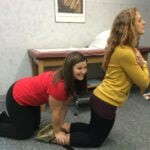
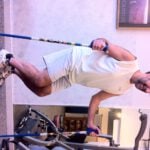
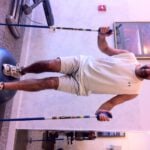
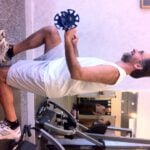
The following exercises will target the essential stability, agility, and eccentric training requirements for the prevention of skiing injuries. A BosuR Ball is a useful tool to challenge your balance and strength for skiing and other sports. It is flat on the bottom and round on the top. (www.bosu.com $110 - $125.)
PRESEASON SKI EXERCISES:
Traditional exercise such as weight training for quads, hams, gluts etc are valuable. Also, elliptical and stepper equipment and exercise bikes are important. However, the following exercises are specific to the needs of the downhill and cross-country skier.

Visit your doctor regularly and listen to your body.
NEXT MONDAY – Read Dr. Paul J. Mackarey “Health & Exercise Forum” in the Scranton Times-Tribune.
This article is not intended as a substitute for medical treatment. If you have questions related to your medical condition, please contact your family physician. For further inquires related to this topic email: drpmackarey@msn.com
Paul J. Mackarey PT, DHSc, OCS is a Doctor in Health Sciences specializing in orthopaedic and sports physical therapy. Dr. Mackarey is an associate professor of clinical medicine at The Commonwealth Medical College.
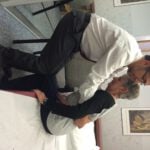
November is National Family Caregivers MonthMore than 65 million people, almost 30% of the population in the United States, are actively involved in providing 20 or more hours of care for a chronically ill, disabled, or aged family member or friend each week. As our population continues to age, this number is expected to grow rapidly.
The role of a caregiver is multifaceted and often involves tasks and skills beyond the education or comfort level of most providers. Some examples include; managing money, paying bills, shopping, cleaning, maintaining and repairing a home, dispensing and injecting medications, cleaning wounds, changing dressings, catheter management, bed baths, assisting in position changes, transferring from the bed to the chair, ambulation, stair climbing, bathroom assistance for toileting and showering and many other responsibilities. Consequently, a caregiver is often at risk for mental, spiritual and physical fatigue or breakdown. It is no surprise that depression, illness and injury often plague a caregiver and eventually, the caregiver is in need of a caregiver. One of the most common injuries suffered by a caregiver is back pain.
Lower back pain (LBP) is one of the most common problems in our society. Over 90% of all Americans will suffer from it at least once in their lives. It is generally agreed that prevention is the best treatment for LBP.
TIPS FOR THE PREVENTION OF BACK PAIN FOR THE CAREGIVER

NEXT MONDAY – Read Dr. Paul J. Mackarey “Health & Exercise Forum!” in the Scranton Times-Tribune.
This article is not intended as a substitute for medical treatment. If you have questions related to your medical condition, please contact your family physician. For further inquires related to this topic email: drpmackarey@msn.com
Paul J. Mackarey PT, DHSc, OCS is a Doctor in Health Sciences specializing in orthopaedic and sports physical therapy. Dr. Mackarey is in private practice in downtown Scranton and is an associate professor of clinical medicine at The Commonwealth Medical College.
Visit your doctor regularly and listen to your body.
Need Another Reason to Quit Smoking? Studies Show That Smokers Are More Likely to Suffer From Lower Back Pain and Failed Back Surgery! Part 2 of 2
The American Cancer Society marks the third Thursday of November each year as The Great American Smokeout! The Smokeout, in combination with many other campaigns to raise the level of awareness about the dangers of smoking, is working as smoking has declined from 20.9% in 2005 to 18.1% in 2012. According to the Centers for Disease Control, 42.1 million adults in the United States smoke cigarettes.
Smoking is the leading cause of preventable death in the US and more than 16 million Americans suffer from a disease caused by smoking. It is well documented that smoking causes cancer, heart attacks, atherosclerosis (hardening of the arteries), lung disease (bronchitis, emphysema, coughing, shortness of breath), and damage to the skin which leads to wrinkles and premature aging. Smoking also causes discoloration of teeth and fingers and causes bad breath. In recent years, several studies have discovered the strong relationship between smoking and back pain and failed back surgery. The fact that more than 80% of the population will suffer from back pain at some point in their lives makes these findings vitally important!
Smoking and Failed Back Surgery
The body was genetically engineered to heal. Given the proper opportunity for adequate rest, nutrition, oxygen, blood flow and protection from additional injury, the body, including the muscles, discs and joints of the spine, will typically heal. In view of this, the importance for smoking cessation cannot be overstated. Many back surgeons require a blood test for nicotine before they will perform surgery to limit the likelihood of failure. Moreover, as damaging as smoking is, the body is amazingly resilient. It is NEVER too late to quit smoking and allow your body to use oxygen and nutrients from clean air to restore, recover and heal.
Top 11 Tips to Quit Smoking (Patient.co.uk):
Some simple suggestions for beginning an exercise program are:
Keep moving, eat healthy foods, and exercise regularly
NEXT MONDAY – Read Dr. Paul J. Mackarey “Health & Exercise Forum!” in The Times-Tribune.
This article is not intended as a substitute for medical treatment. If you have questions related to your medical condition, please contact your family physician. For further inquires related to this topic email: drpmackarey@msn.com
Paul J. Mackarey PT, DHSc, OCS is a Doctor in Health Sciences specializing in orthopaedic and sports physical therapy. Dr. Mackarey is in private practice and is an associate clinical professor of medicine at The Commonwealth Medical College in Scranton, PA.
Need Another Reason to Quit Smoking? Studies Show That Smokers Are More Likely to Suffer From Lower Back Pain and Failed Back Surgery!
Part I of II
The American Cancer Society marks the third Thursday of November each year as The Great American Smokeout! The Smokeout, in combination with many other campaigns to raise the level of awareness about the dangers of smoking, is working as smoking has declined from 20.9% in 2005 to 18.1% in 2012. According to the Centers for Disease Control, 42.1 million adults in the United States smoke cigarettes.
Smoking is the leading cause of preventable death in the US and more than 16 million Americans suffer from a disease caused by smoking. It is well documented that smoking causes cancer, heart attacks, atherosclerosis (hardening of the arteries), lung disease (bronchitis, emphysema, coughing, shortness of breath), and damage to the skin which leads to wrinkles and premature aging. Smoking also causes discoloration of teeth and fingers and causes bad breath. In recent years, several studies have discovered the strong relationship between smoking and back pain and failed back surgery. The fact that more than 80% of the population will suffer from back pain at some point in their lives makes these findings vitally important!
Smoking – Effect on the Body
Lungs – With every breath, the lungs take in oxygen and expel carbon dioxide. It is the most basic of all gases necessary to sustain life as it provides cells and tissues of the body require oxygen to be healthy. Smoking interferes with lung function, as damaged lung tissue is unable to adequately exchange oxygen and carbon dioxide.
Heart and Blood Vessels - Smoking causes plaque deposits to build up inside the blood vessels of the body, including the heart, which leads to narrowing of the vessels and compromised blood flow.
Digestion – Smoking causes inflammation and irritation of the lining of the digestive tract, it interferes with the absorption of nutrients.
Muscle and Bone – Due to the decreases in oxygen from the damaged lungs, compromised blood flow from the narrow blood vessels, lack of nutrients from the irritated digestive tract, other vital systems of the body are unable to remain healthy. The musculoskeletal system (muscle-bone) is one of the most vulnerable parts of the body as it requires a significant amount of blood, oxygen and nutrients to maintain strong muscles and bones to move and support the body.
Smoking and Back Pain - Smoking contributes to atherosclerosis, which limits blood flow, which limits the delivery of oxygen and nutrients to the muscles, discs and joints of the spine. The muscles of the spine work hard to maintain an erect posture during sitting, standing, bending, let along lifting crates at work, running and playing sports. These hard working muscles require adequate oxygen to work at maximal capacity and prevent fatigue in order to protect the spine. Additionally, oxygen deprived muscles are more likely to suffer from painful cramps and spasms. Studies also show that younger people who smoke suffer from earlier onset of back pain.
Pain – Smokers have a higher rating of pain, including lower back pain, than nonsmokers. Researchers believe this may be due to the fact that nicotine interferes with the production of the natural pain control chemicals in the body. With less of these chemicals, pain is more prevalent. Additionally, as mentioned above, the muscles of the back lack necessary oxygen and nutrients in smokers which leads to painful spasms.
Bone Quality – smoking has a negative impact on bone quality as the cells that build bone are inhibited by nicotine. Bones that are less dense (osteoporosis) are more likely to be weak, suffer from painful compression fractures, and less likely to rebuild bone with aging and heal from trauma or surgery.
Surgical Recovery – smokers are significantly less likely to heal from surgery due to the above description of poor bone quality from nicotine. Some studies show up to 47% failure rates from back fusion as compared to 8% in nonsmokers. Furthermore, due to the fact that smoking compromises the immune system, smokers are more likely to suffer from post operative infections following a spinal fusion.
Smoking and Failed Back Surgery
The body was genetically engineered to heal. Given the proper opportunity for adequate rest, nutrition, oxygen, blood flow and protection from additional injury, the body, including the muscles, discs and joints of the spine, will typically heal. In view of this, the importance for smoking cessation cannot be overstated. Many back surgeons require a blood test for nicotine before they will perform surgery to limit the likelihood of failure. Moreover, as damaging as smoking is, the body is amazingly resilient. It is NEVER too late to quit smoking and allow your body to use oxygen and nutrients from clean air to restore, recover and heal.
** Medical Contributor: Leslie Lyness, DO, Associate Neurosurgeon at Geisinger Community Medical Center, Scranton, PA. Dr. Lyness completed her BS in Biology at University of North Carolina at Chapel Hill, Doctor of Osteopathic Medicine at Philadelphia College of Osteopathic Medicine and was a member of the 1996 USA National and Olympic Field Hockey Team.
Visit your doctor regularly and listen to your body.
Keep moving, eat healthy foods, and exercise regularly
NEXT MONDAY – Read Dr. Paul J. Mackarey “Health & Exercise Forum!” in The Times-Tribune. Next Week Read Part II of Smoking and Back Pain.
This article is not intended as a substitute for medical treatment. If you have questions related to your medical condition, please contact your family physician. For further inquires related to this topic email: drpmackarey@msn.com
Paul J. Mackarey PT, DHSc, OCS is a Doctor in Health Sciences specializing in orthopaedic and sports physical therapy. Dr. Mackarey is in private practice and is an associate clinical professor of medicine at The Commonwealth Medical College in Scranton, PA.
The Commonwealth Medical College presents: Keystone Symposium 2014 “Hypertension: Guide to the Guidelines”
In an effort to address the nation’s growing problem with hypertension, The Commonwealth Medical College with host “Keystone Symposium 2014 - Hypertension: Guide to the Guidelines” on Saturday, November 8, 2014 from 8 am to 12:30 pm. If you are a health care professional and would like to attend the symposium, at TCMC 525 Pine St. Scranton, PA, please contact the medical school at: 570-207-3686.
According to the Centers of Disease Control (CDC), Hypertension (HTN), also known as high blood pressure (HBP), affects one in three adults (67 million people) in the USA. Unfortunately, only one-half of those with high blood pressure control the problem and, as a result, are at great risk for heart disease and stroke. Emergency rooms in the United States have experienced a 25% increase in emergency room visits for HBP between 2006 and 2011.
Blood pressure numbers represent the force against the walls of your arteries. Normal blood pressure (BP) is defined as a systolic pressure (the top number) of 120 mm Hg and a diastolic pressure (the bottom number) of 80 mm Hg (120/80). The Joint National Committee on Prevention, Detection, Evaluation, and Treatment of High Blood Pressure has classified blood pressure as follows:
*(National Institutes of Health, Medline Plus)
For most people with HBP, there are no obvious symptoms. HBP is usually detected at a health fair or a routine visit with a physician. However, over time, HBP can cause problems with the heart and kidneys. Sometimes, a more serious condition can develop from very high blood pressure called malignant hypertension. Symptoms include; severe headache, nausea and vomiting, confusion, vision changes and nosebleeds. Notify your physician immediately if you develop these symptoms.
Almost everyone has had their blood pressure checked with a standard or automatic blood pressure cuff. Sometimes, when a problem is detected, a home blood pressure unit is recommended to track BP throughout the day.
Manage Stress
According to a recent long-term study, both men and women without a history of coronary artery disease or high blood pressure suffered from both diseases when they did not manage stress well. Those who allowed stress to upset them, (short fused and easily frustrated) had significant increases in cholesterol and blood pressure when compared with those who were more even-tempered and easygoing under stress.
Commit to Exercise
Exercise combats HBP and maintains a healthy body weight. The key to success when it comes to improving your life with exercise is to develop a regular, consistent program.
10 Tips to Stick to an Exercise Program
In conclusion, while HBP is a potentially serious medical condition, for most it is a controllable and preventable problem. Lifestyle changes such as diet, exercise and stress reduction have been found to be most effective.
SOURCES: Centers For Disease Control (CDC); American Heart Association (AHA), University of Pittsburgh Medical Center (UPMC), National Institutes of Health (NIH), Medline Plus
Visit your doctor regularly and listen to your body.
NEXT MONDAY – Read Dr. Paul J. Mackarey “Health & Exercise Forum” in the Scranton Times-Tribune.
This article is not intended as a substitute for medical treatment. If you have questions related to your medical condition, please contact your family physician. For further inquires related to this topic email: drpmackarey@msn.com
Paul J. Mackarey PT, DHSc, OCS is a Doctor in Health Sciences specializing in orthopaedic and sports physical therapy. Dr. Mackarey is in private practice and is an associate professor of clinical medicine at The Commonwealth Medical College.