It is at this time of year that we celebrate life with a great sense of hope and faith. Christians celebrate Christmas, the miraculous birth of Christ and Jews celebrate Chanukah, the miraculous festival of lights. But this year, only a few short months since the visit of Pope Francis, a breath of fresh air still permeates communities of all faiths, as we make time this season to reflect, respect and resolve.
Every few hundred years, often when the world is in a very dark place and all seems to be lost, the planet is blessed with a spiritual leader whose message and leadership by example, transcends all faiths and the differences between religious denominations is blurred. Pope Francis “the people’s pope” is that person! His message is universal and represents the purist and most basic tenants of all major religions and all who are spiritual: love, patience, kindness, understanding, respect, tolerance, and forgiveness. In September, Pope Francis made history as the first pope to address the United States Congress. Then, he received “rock star” receptions in New York City and Philadelphia. It may be that his unprecedented popularity has less to do about his role in the Catholic Church and more about what he represents to the human race…he challenges those of all faiths to be better people. Interestingly enough, regardless of your faith, studies show that believers (and those who consider themselves spiritual) are healthier and live longer than nonbelievers.
5 Health Benefits of Religion and Spirituality….(health.com)
How being religious or spiritual has been shown to benefit your mind, body and spirit…
Healthy Blood Pressure
High blood pressure (hypertension) can lead to heart disease and stroke, which are the leading causes of death in the United States, according to the Centers of Disease Control (CDC). It affects 1 in every 3 adults and only half of these people have their blood pressure under control. Well, religion and spiritually may help …
According to the research, including a 1998 study conducted at Duke University Medical Center on 4,000 subjects, older adults who described themselves as religiously active were 40% less likely to have high blood pressure when compared to those less active. Moreover, they were surprised to find that those who described themselves as spiritual rather than religious also were less likely to develop high blood pressure.
Greater Sense of Satisfaction
Research also indicates that religious people are more satisfied with their lives than those without faith. A sociology study determined that high satisfaction among church goers may be due to the strong social bonds that are developed within a religious congregation. Regular church attendees see the same people weekly and often more often, when participating in rewarding and gratifying church-related volunteer work.
Greater Tolerance for Adversity
In an impressive study published in 2009 in the Journal of the American Medical Association, researchers interviewed 345 late-stage cancer patients to assess their spirituality as it related to their illness. 88% stated that they were religious as it related to their coping mechanisms. It was determined that those using religion for coping demonstrated a 7.4% rate of resuscitation as compared to 1.8% for those not using religion as a coping mechanism.
Stronger Immune System
According to a Duke University study of 1,718 older adult participants, those described as “highly spiritual” were 50% less likely to have high levels of anti-inflammatory proteins that weaken the immune system and have been linked to some cancers, viral infections and autoimmune diseases. The outcome was similar for those who attend religious services at least once a week.
Greater Longevity
Those who attend religious services more than once per week are found to live and additional 7 years when compared to those who never attend services. Again, researchers feel that the social benefits of a belonging to a strong religious community may be a large part of the associated longevity. Additionally, the lifestyle of religious people is often healthier: members of these communities rarely engage in risky and unhealthy behaviors such as smoking, excessive drinking, indiscriminate sex, etc.
Visit your doctor regularly and listen to your body.
NEXT MONDAY – Read Dr. Paul J. Mackarey “Health & Exercise Forum” in the Scranton Times-Tribune.
This article is not intended as a substitute for medical treatment. If you have questions related to your medical condition, please contact your family physician. For further inquires related to this topic email: drpmackarey@msn.com
Paul J. Mackarey PT, DHSc, OCS is a Doctor in Health Sciences specializing in orthopaedic and sports physical therapy. Dr. Mackarey is in private practice and is an associate professor of clinical medicine at The Commonwealth Medical College.
Last week, “Health & Exercise Forum” presented “The Top Ten Fitness Gifts for Christmas.” This week, I will offer more detail on the three most popular, but expensive, pieces of aerobic (cardio) exercise equipment; treadmills, bikes and elliptical. Every year, well intended family members purchase expensive exercise equipment as Christmas gifts for loved ones with the hope of encouraging exercise and fitness for the New Year. I applaud the attempt to encourage wellness because the value of regular exercise is well known. However, a high percentage of these products serve as clothes hangers and diversions for visiting grandchildren before the holiday decorations are stored away. This year, I hope to offer sage advice to help avoid common mistakes and misconceptions about this equipment. Selecting the right product for the specific needs of the person using the equipment may lead to better compliance and success.
TREADMILL
The primary advantage of a treadmill is the fact that it allows you to exercise doing one of the most natural things in the world – walk. Almost anyone who does not suffer from severe paralysis, advanced osteoporosis and pain in the lower extremities can walk for exercise. Also, a treadmill allows one to gradually advance the time, speed and intensity of the exercise. For some, walking may be advanced to running by alternating 1:5 minute walk/run ratio. For others, running will be the entire form of exercise on the treadmill. In either case, it is so natural that one can easily watch television while exercising. Another advantage is the fact that it can be used indoors regardless of the weather – hot or cold, rain or snow. The disadvantage is that it is 100% weight bearing on the lower extremities and those with lower back, hip, knee or ankle arthritis may have difficulty exercising on it for long periods of time. Another disadvantage is that some find the boredom, impossible to overcome.
Purchase: Buying a treadmill as a Christmas gift does not have to be difficult. Most walkers can purchase an $800 to $1000. unit for a satisfactory product. However, if you are buying it for a large frame person or someone who wants to run on it, you must buy a good one. The frame has to be solid: longer and wider than a low end product. A good home treadmill can cost $1,500 to $2,500.
BIKE
There are two types of bikes to choose from: a standard upright bike and a recumbent bike. Both have advantages and disadvantages. The standard upright bike is good for young healthy fitness enthusiasts who bike outdoors in the summer. They are looking for a winter alternative to maintain their legs and aerobic capacity over the winter. However, if you have lower back pain, lower extremity arthritis and pain, or poor balance, then a recumbent bike is for you because it requires only partial weight bearing on the lower extremity because some of the weight is born by your butt. It offers cardiovascular fitness and lower extremity strengthening. Some home models are as inexpensive as $400 - $500. and offer a reasonable quality for small and moderate framed individuals. For larger framed people, or those interested in a more aggressive workout, a $600 to $800 model may be more appropriate. The next level for non-commercial use, $1,000 - $1,200 offers great electronic options and durability but is not necessary for most people.
ELLIPTICAL
An elliptical is an upright exercise device that imitates the “elliptical” pattern that the legs and arms normally move when running. While it requires standing and full weight-bearing, its advantage is that it eliminates the pounding and compression associated with running. It is an excellent cross-training alternative to running. It requires good strength and balance and should not be purchased for someone that has never used it before. It is important to try it out in the store because each unit has a slightly different pattern and some are more comfortable than others depending on body type. Some home models are less expensive ($600. - $800.) and offer a reasonable quality for small and moderate framed individuals. For larger framed people, or those interested in a more aggressive workout, a $1,200. to $1,600. model may be more appropriate. The next level for non-commercial use costs $1,800. - $2,200. offers great electronic options and durability but is not necessary for most people.
Locally, beginners on a tight budget can find adequate equipment and service in the sporting goods and fitness departments like Sears or Dicks. While Sam’s Club and Wal-Mart offer these products, I am not sure about the knowledge of their staff and if they offer delivery or service. Specialty fitness stores in Northeastern Pennsylvania, such as Fitness Headquarters, usually have staff that are knowledgeable and offer, deliver set-up and maintenance. Ask questions and try the product out on the demo equipment on the display floor.
Before you begin an exercise program, consult your family physician for medical clearance. Then, consult your physical therapist to help you design a program for your individual needs.
Visit your doctor regularly and listen to your body.
NEXT MONDAY – Read Dr. Paul J. Mackarey “Health & Exercise Forum” in the Scranton Times-Tribune. This article is not intended as a substitute for medical treatment. If you have questions related to your medical condition, please contact your family physician. For further inquires related to this topic email: drpmackarey@msn.com
Paul J. Mackarey PT, DHSc, OCS is a Doctor in Health Sciences specializing in orthopaedic and sports physical therapy. Dr. Mackarey is in private practice and is an associate professor of clinical medicine at The Commonwealth Medical College.
Every December, as we finish the last of the leftover turkey, patients begin to talk about the holiday season and gift shopping. This conversation invariably leads to suggestions for gift ideas related to health, exercise and fitness. The suggestions below offer a wide variety of fitness related gifts, some expensive and frivolous and others reasonably priced and practical. I hope it makes your shopping a little easier.
Dry Tech Exercise Clothing
Dry Tech is the best thing that has happened to exercise apparel since “jogging suit” was donned by all the “cool dudes” in the 70’s and 80’s . It is has great style and even better function. The specially made material is light weight and breathable and wicks moisture from the skin to the outer layers. Therefore, it will not get heavy with sweat which can weigh you down and cause friction with your skin which can lead to chaffing and blisters. The following exercise apparel is now available in Dry Tech:
Exercise Mat: An exercise mat is helpful if you decide to exercise at home. Also, if you participate in yoga or Pilates classes, a mat is required equipment.
Hand Held Dumbbells and Sandbag Leg Weights: These are essential for those interested in home exercise. For the average beginner, 3-5-8-10 pound (two of each) weights will be adequate. Dumbbells are good for shrugs, biceps, and triceps, bent over rows and lats, and lunges. Sandbags, which can be purchased as graduated weights from 1 to 5 pounds, are good for leg extensions, hamstring curls, hip hikes and hip abduction.
Resistance Bands: These cheap and versatile bands are also essential for a home program. The bands come in different colors to represent the amount of resistance with yellow being the easiest and black the most difficult. They can be used for upper and lower body. For specific band exercises visit this previous column in “Health & Exercise Forum”
Aerobic Equipment
Fitness Club Membership: Location is important for convenience. The type of gym, such as, cross fit, exercise machines vs. traditional free weights, must be considered. Equipment and other services such as personal trainers, swimming pool, sauna, hot tubs, Pilates, and yoga classes are also important to some.
Personal Trainer Gift Certificate: This can be an opportunity for someone to either get the proper advice from a professional to begin a fitness program or to revamp and tune up an old stale program. Word of mouth is a good way to find a reputable certified trainer.
Electronic Fitness Monitors or Wearable Tech Monitor: These devices use GPS technology to help the user track their activity to get more out of their exercise routines. They monitor activity, heart rate, distance, location, calories, and more. Some examples are:
Weight Loss and Activity Monitoring Apps – basic Apps are free and more advanced versions are under $10.
Nutritional Counselor Gift Certificate: Sometimes you need professional help to get started and stay focused. Just as with a personal trainer, a qualified and licensed nutritional counselor will assist you in establishing a safe and effective program to meet your nutritional and dietary goals. Again, ask around to see who has a good reputation or who may be a good fit for the recipient of your gift.
These gifts can be purchased at most local sporting goods stores or on-line.
EVERY MONDAY – Read Dr. Paul J. Mackarey “Health & Exercise Forum” in the Scranton Times-Tribune.
This article is not intended as a substitute for medical treatment. If you have questions related to your medical condition, please contact your family physician. For further inquires related to this topic email: drpmackarey@msn.com
Paul J. Mackarey PT, DHSc, OCS is a Doctor in Health Sciences specializing in orthopaedic and sports physical therapy. Dr. Mackarey is in private practice and is an associate professor of clinical medicine at The Commonwealth Medical College.
NOVEMBER IS NATIONAL DIABETES MONTH
Part 2 of 2
10 Tips to Lower Your Blood Sugar Naturally
November is National Diabetes Month. According to the American Diabetes Association (ADA), 23.6 million adults and children, 7.8% of the population in the United States, have diabetes. Unfortunately, one-third of these people are not aware that they have the disease. It will be the purpose of this column to raise the level of consciousness through education and offer recommendations for lowering blood sugar levels naturally.
Perhaps no goal is more important to a person with diabetes than maintaining a healthy blood sugar level. When managed over time, healthy blood sugar levels can slow the onset of complications associated with the disease. According to the ADA, pre-diabetes, or impaired glucose tolerance, occurs when blood glucose levels are higher than normal (110 to 125mg/dl) but below type 2 diabetes levels (126mg/dl). 54 million Americans have pre-diabetes in addition to the 20.8 million with diabetes.
While medications are effective in maintaining blood sugar levels, for those who are borderline, there are effective ways to lower your blood sugar naturally. Your physician will determine which treatment is most appropriate for your problem. Also, maintaining your ideal body weight is always important.
10 Tips to Lower Your Blood Sugar Naturally
**This column is based on information from local physicians Kenneth Rudolph, MD, Gregory Borowski, MD, the American Diabetes Association L (ADA), and Lifescript
Visit your doctor regularly and listen to your body.
NEXT MONDAY – Read Dr. Paul J. Mackarey “Health & Exercise Forum” in the Scranton Times-Tribune.
This article is not intended as a substitute for medical treatment. If you have questions related to your medical condition, please contact your family physician. For further inquires related to this topic email: drpmackarey@msn.com
Paul J. Mackarey PT, DHSc, OCS is a Doctor in Health Sciences specializing in orthopaedic and sports physical therapy. Dr. Mackarey is in private practice and is an associate professor of clinical medicine at The Commonwealth Medical College.
NOVEMBER IS NATIONAL DIABETES MONTH
Part I of II
November is National Diabetes Month. According to the American Diabetes Association (ADA), 23.6 million adults and children, 7.8% of the population in the United States, have diabetes. Unfortunately, one-third of these people are not aware that they have the disease. Moreover, the Center for Disease Control recently announced that one in three adults in the USA may develop diabetes by 2050 if current trends continue. It will be the purpose of this column to raise the level of consciousness through education and offer recommendations for lowering blood sugar levels naturally.
What is Diabetes?
Diabetes is a disease in which the hormone insulin is not adequately produced or used by the body. Insulin is needed for cells to take up glucose after it is broken down from sugars, starches and other food that we eat. When working properly, this provides the fuel necessary for activities of daily living. While the exact cause is not completely understood, genetics is known to play a big role. However, environmental factors such as obesity and inactivity have been found to play a greater role.
A Fasting Plasma Glucose Test (FPG) or an Oral Glucose Tolerance Test (OGTT) can be used to screen a person for diabetes or pre-diabetes. Due to the fact that it is easier, quicker and cheaper, the FPG is the recommended test by the ADA. A FPG test between 110 and 125 mg/dl indicates pre-diabetes. A FPG of 126 mg/dl or higher indicates diabetes.
Type 1 Diabetes
Type 1diabetes occurs when the islet cells of the pancreas are destroyed and unable to produce insulin. Without insulin the cells of the body are unable to allow glucose (sugar), to enter the cells of the body and fuel them. Without the hormone insulin, the body is unable to convert glucose into energy needed for activities of daily living. According to the ADA, 5-10% of Americans diagnosed with diabetes have type 1. It is usually diagnosed in children and young adults.
While type 1 diabetes is serious, each year more and more people are living long, healthy and happy lives. Some things type 1 diabetics will need to know: information about different types of insulin, different types of blood glucose meters, different types of diagnostic tests, managing your blood glucose, regular eye examinations, and tests to monitor your kidney function, regular vascular and foot exams.
While symptoms may vary for each patient, people with type 1 diabetes often have increased thirst and urination, constant hunger, weight loss and extreme tiredness.
Diabetes Complications
Type 1 diabetes increases your risk for other serious problems. Some examples are: heart disease, blindness, nerve damage, amputations and kidney damage. The best way to minimize your risk of complications from type 1diabetes is to take good care of your body. Get regular checkups from your eye doctor for early vision problems, dentist, for early dental problems, podiatrist to prevent foot wounds and ulcers. Exercise regularly, keep your weight down. Do not smoke or drink excessively.
Type 2 Diabetes
Type 2 diabetes, also known as adult-onset, is the most common type as most Americans are diagnosed with type 2 diabetes. Obesity has been found to contribute to more than half of all type 2 diabetics. The increased rate of childhood obesity in between 1960 and 2000 is believed to have caused the increase in type 2 diabetes in present day adults and children. It occurs when the body fails to use insulin properly and eventually it fails to produce an adequate amount of insulin. When sugar, the primary source of energy in the body is not able to be broken down and transported in the cells for energy, it builds up in the blood. There it can immediately starve cells of energy and cause weakness. Also, over time it can damage eyes, kidneys, nerves or heart from abnormalities in cholesterol, blood pressure and an increase in clotting of blood vessels. Like type 1, even though the problems with type 2 are scary, most people with type 2 diabetes live long, healthy, and happy lives. While people of all ages and races can get diabetes, some groups are at higher risk for type 2. For example, African Americans, Latinos, Native Americans and Asian Americans/Pacific Islanders and the aged are at greater risk. Complications are the same as those for type 1 diabetes.
People with type 2 diabetes experience symptoms that are more vague and gradual in onset than with type 1 diabetes. Type 2 symptoms include feeling tired or ill, increased thirst and urination, weight loss, poor vision, frequent infections and slow wound healing.
Gestational Diabetes
Gestational diabetes occurs in about 4% of all pregnant women in the United States each year according to the ADA. If you develop diabetes during pregnancy there is a 50% chance you will develop type 2 diabetes later in life.
Pre-diabetes
According to the ADA, pre-diabetes, or impaired glucose tolerance, occurs when blood glucose levels are higher than normal (110 to 125mg/dl) but below type 2 diabetes levels (126mg/dl). 54 million Americans have pre-diabetes in addition to the 23 million with diabetes.
* Your physician will determine which treatment is most appropriate for your problem. However, maintaining your ideal body weight is always important!
**This column is based on information from local physicians Kenneth Rudolph, MD, Gregory Borowski, MD and the American Diabetes Association.
Visit your doctor regularly and listen to your body.
NEXT MONDAY – Read Dr. Paul J. Mackarey “Health & Exercise Forum” in the Scranton Times-Tribune. Part 2: Diabetes: Top 10 Tips to Lower Your Blood Sugar Naturally.
This article is not intended as a substitute for medical treatment. If you have questions related to your medical condition, please contact your family physician. For further inquires related to this topic email: drpmackarey@msn.com
Paul J. Mackarey PT, DHSc, OCS is a Doctor in Health Sciences specializing in orthopaedic and sports physical therapy. Dr. Mackarey is in private practice and is an associate professor of clinical medicine at The Commowealth Medical College.

Robert S Griffith, RN
Guest Columnist: Robert S Griffith, RN, 3rd Year MD Student TCMC
Robert S. Griffith, RN, currently a third year Doctorate of Medicine student at The Commonwealth Medical College [TCMC] in Scranton, PA., graduated from Wilkes University in 2010 with a Bachelor’s of Science in Nursing. Robert worked as a Registered Nurse in the emergency room at Pocono Medical Center for 4 years prior to beginning his medical education at TCMC. Currently, he is working in Genomics research with Dr Michael Murray through Geisinger Health Network. Earlier this year, he presented topics on sudden cardiac arrest at the 2015 American College of Medical Genetics and Genomics National Conference. His future aspirations include: application of genomic research into everyday medical practice, serving the underserved and poverty-stricken people of this country, and providing healthcare needs to those in third world countries.
The Commonwealth Medical College presents:
Keystone Symposium – Fall 2015
“Genomics: What Every Health Care Professional Needs To Know”
Saturday, November 21, 2015
8 AM to 12:30 PM
TCMC Medical Sciences Blding
525 Pine Street
Scranton, PA 18509
For More Information: Contact Gloria Colosimo at 570-504-9074 or email CME@tcmc.edu
Genomics is the study of all genes in the human genome and how these genes interact with each other and the environment to produce a wide range of human diseases. As the study of genetics and genomics continues to advance, health professionals need to have a better understanding of clinical and ethical implications. According to the Department of Health, since the completion of the Human Genome Project in 2003, significant progress has made in the understanding of genetically complex conditions such as asthma, diabetes, autism and bipolar disorder. Consequently, with this knowledge, there are new opportunities to diagnose and predict disease, long before its clinical manifestations. The Genomics Symposium at TCMC will, among other goals, examine the potential of the current tools and procedures used to evaluate which genetic variants play a role in human disease and identify those that are relevant to patient care. The following article, written by TCMC student Robert Griffith, provides an overview of this exciting but complex topic, in well-written, understandable and user-friendly terms for public consumption.
Genomics
We are all made of genes. These genes, in turn, make up our DNA and all aspects of who we are as individuals. These aspects include our eye color, what our adult height will be, what sorts of things we will be allergic to, or even what kind of foods we will find delicious. Each of these things is determined by our genetic makeup. When a single gene is studied, it is called genetics. Several sets of genes make up a collection of genetic instructions for every single human cell. This collection of genetic instructions is termed a genome. Genomics is the study of the function and interactions of the DNA in a genome.
A genome is the entire set of genetic instructions found within a cell. Take an electric plug, for example, it has a precise shape and function in order to be inserted into a wall and provide electricity to whatever device it may be powering. The integrity of the electric plug may be intact and function well but the outlet, which it inserts to, may or may not be compatible with the plug dimensions. Consider the plug as our gene and the interaction between the outlet and the device genomics. We are still looking at the plug (our gene), but also ensuring the proper fit is made in order to function properly. The plugs purpose was to transmit electricity to a device in order to make the device function as intended. Just as DNA is responsible for the composition of proteins, these proteins are responsible for forming the entire human structure, from the way we think, to the way we move, and interact with one another. It is here where we root ourselves in the study of genomics.
There are millions of base pairs, which make up approximately 24,000 genes in our genome and they all have several distinct functions. Each of these genes is made a certain way, a culmination of biologic pieces of information capable of transmitting a message to the next person in the assembly line. At the end of the assembly line is a product which has a particular biologic function, whether that is to produce protein to make new muscle or signal the need for new clotting factors to be generated, the possibilities are infinite. Of the millions of base pairs that compose our genes there are millions of variations between any two individuals. In the genomic realm these are typically referred to as “misspellings.” For instance, “the fence is gray” and “the fence is grey.” Although gray is spelled differently the overall meaning of the statement is recognized and functions within the sentence. Misspellings such as this do not lead to cancer or premature heart attacks, etc. they are common and the same product can be produced and function as it would regardless of the spelling.
What if gray was replaced with the word Kentucky? “The fence is Kentucky.” This sort of misspelling is the type of error that can lead to some of the problems previously mentioned. The radical misspelling of the word gray conveys a completely different meaning to the next person in line and thus, drastically affects the product outcome. These downstream events are not always immediately recognized. Some of these problems only present themselves when a certain product/outcome is needed, and depending on the circumstance can take a lifetime to be clinically relevant.
Significant advances over the past 10-15 years have lead to creative and innovative techniques for analyzing these misspellings on an individual basis. The technique of analyzing these misspellings is called sequencing. Through analysis and scrutiny of genome sequences we have been able to determine patterns or recurring relationships that seem to be associated with certain disease(s). Discovery of these patterns have allowed physicians and other health professionals to prophylactically treat, decrease, and/or eliminate complications associated with some of the identified conditions.
In other areas of medicine, pharmaceuticals are analyzed and tailored to individual preference based on information found in these sequences. For example, there may be a protein made by our genetic assembly line, which is responsible for metabolizing antibiotic Drug X. This antibiotic Drug X has been proven to be effective in treating bacterial infections but if the protein is non-functioning or partially functioning then the drug might not be as beneficial as had been hoped. The genome sequencing may have alerted the healthcare teams decision that antibiotic Drug X would not be the best choice to use. These teams would have come to the conclusion that the metabolizing protein was misspelled and a different, more effective, drug could have been utilized.
Other early interventions are noted in several areas of medicine like implantable defibrillators for those at risk for sudden cardiac arrest due to an electric ion channel disturbance, or bowel resection surgery in those at inevitable risk for developing colorectal cancer (e.g. hereditary nonpolyposis colon cancer).
These early interventions are currently impacting everyday lives and continue to show promise through dedicated research and bedside application. The wealth of information generated from genome sequencing is vast and ever growing. We remain in the infancy of this technology and have much maturation to undergo. It is a slow and steady process but will continue to benefit the human race for years to come.
FOR MORE INFORMATION VISIT:
http://www.ncbi.nlm.nih.gov/genome/
SOURCES:
Murray, M.F., M.W. Babyatsky, and M.A. Giovanni, Clinical Genomics: Practical Applications for Adult Patient Care. 2013: McGraw-Hill Education
Feero, W.G., A.E. Guttmacher, and F.S. Collins, Genomic Medicine — An Updated Primer. New England Journal of Medicine May, 2010. 362(21).
Burke, W. and D. Dimmock, Screening an Asymptomatic Person for Genetic Risk. New England Journal of Medicine June, 2014. 370(25).
CONTRIBUTIONS :
Samuel M Lesko, MD, MPH, Medical Director, Northeast Regional Cancer Institute, Clinical Professor of Family Medicine and Epidemiology, TCMC
Karen E. Arscott, DO, MSc, Associate Professor in Clinical Sciences, TCMC
Visit your physician regularly and listen to your body.
EVERY MONDAY – Read Dr. Paul J. Mackarey “Health & Exercise Forum” in the Scranton Times-Tribune.
This article is not intended as a substitute for medical treatment. If you have questions related to your medical condition, please contact your family physician. For further inquires related to this topic email: drpmackarey@msn.com
Paul J. Mackarey PT, DHSc, OCS is a Doctor in Health Sciences specializing in orthopaedic and sports physical therapy. Dr. Mackarey is in private practice and is an associate professor of clinical medicine at The Commonwealth Medical College.
Exercise and Breathing Techniques Can Improve Quality of Life for Those with COPD
November is National Chronic Obstructive Pulmonary Disease (COPD) month. COPD is the fourth leading cause of death in the United States, according to the Centers for Disease Control and Prevention. This problem refers to a group of lung diseases that causes damage to the airways and air sacs in the lungs. People with COPD suffer from diminished airflow and difficulty breathing. Emphysema and chronic bronchitis are two of the most common types of COPD. The damage can't be reversed, so treatment includes medications and lifestyle changes designed to control symptoms and minimize further damage, according to the Mayo Clinic.
Exercise is an important part of life for those with COPD because it improves the overall strength and endurance of respiratory muscles. When you exercise, muscles adapt and use oxygen more efficiently so your lungs don't have to work so hard. Also, in addition to improvement in breathing, exercise boosts mental health, helps maintain a healthy weight and blood pressure, and improves circulation. Most importantly, exercise will improve your quality of life with COPD.
Before you begin an exercise program, see your family physician or pulmonologist for approval. Then, see a physical therapist to design a program specific to you needs. Always begin slowly and rest if you get short of breath, have chest pain, feel dizzy or sick to your stomach.
More Information: “Better Breathers Club,” in conjunction with the American Lung Association, offers a free local support group to help patients and their families suffering from COPD and chronic lung disease (www.lung.org).
Visit your doctor regularly and listen to your body.
Keep moving, eat healthy foods, and exercise regularly
NEXT MONDAY – Read Dr. Paul J. Mackarey “Health & Exercise Forum” in the Scranton Times-Tribune.
This article is not intended as a substitute for medical treatment. If you have questions related to your medical condition, please contact your family physician. For further inquires related to this topic email: drpmackarey@msn.com
Paul J. Mackarey PT, DHSc, OCS is a Doctor in Health Sciences specializing in orthopaedic and sports physical therapy. Dr. Mackarey is in private practice in downtown Scranton, PA and is an associate professor of clinical medicine at The Commonwealth Medical College.
Everyone knows a competitive athlete, not only Olympic or professional, but high school, college, or weekend warrior, who seems to enjoy taking their bodies to the maximum level in order to improve performance. Billions of dollars are spent each year to buy the best equipment, travel to the best facility, eat the best food and sometimes take unproven supplements and drugs to enhance performance. Well, the latest product on the market to get a lot of attention is “The Elevation Training Mask.” The mask, designed to simulate oxygen deprivation at high altitudes, is placed over the mouth and nose while exercising or training and creates resistance to breathing air in and out of the lungs. Consequently, less oxygen enters the lungs during activity with the hope of attaining the advantages of training at high altitudes such as the Olympic Training Center in Colorado Springs, Colorado.
Altitude training is used by some endurance athletes to stress their bodies to the maximal possible training with less oxygen available. In most cases, the training centers are above 2,400 meters (8,000 feet) above sea level such as in St. Moritz for the Swiss Olympic Training Base or Colorado Springs, Colorado for the US Olympic Training Center. At these altitudes, the barometric pressure of oxygen and overall percent of oxygen is reduced. In response, when training in these conditions, the body acclimates to the lack of oxygen by increasing the mass of red blood cells and hemoglobin (the part of the blood responsible for carrying oxygen to the muscles and other tissues of the body). Therefore, if an athlete trains at a high altitude and then competes at a lower altitude, the increase in red blood cells and hemoglobin will provide a competitive advantage in sports requiring endurance. This effect can last for 10 to 14 days after leaving a high altitude for a lower one. Attempts to simulate the affects of altitude training have been made in the several ways such as: “altitude simulation tents, rooms, or mask-based systems.” More recently, it has become available to the general public and sold on-line or at Dick’s Sporting Goods. One such product is the “Elevation Training Mask 2.0” which sells for $79.99.
According to the manufacturer claims regarding the Elevation Training Mask, “this resistance training device helps condition the lungs by creating pulmonary resistance and strengthening the diaphragm, making your workout seem like its being held high in the mountains.” “When the air is thinner, your body works harder, increasing your ability to process oxygen. When you return to lower elevations, your performance will show substantial increases in strength, endurance and speed.”
It is well documented that the body acclimates to living or training at high altitudes (2,400 meters or 8000 feet), where the barometric pressure of oxygen and overall percentage of oxygen is reduced, by increasing the mass of red blood cells and hemoglobin. However, the cause and effect to transfer to athletic performance is not as clear. In fact, according to more recent studies, elite athletes who benefit from the effects of high altitude training do not exercise at high altitudes on a regular basis. These athletes LIVE at high altitudes but exercise and train at lower altitudes for the following scientifically supported reasons:
Current research does not support the effectiveness of altitude training masks to improve physical conditioning or athletic performance. In fact, there is more evidence that supports the fact that it may actually have a negative impact on physical training and conditioning. Elite athletes who benefit from the effects of high altitude training do not exercise at high altitudes on a regular basis. These athletes LIVE at high altitudes but exercise and train at lower altitudes.If the goal of a training mask is to create an additional challenge to an exercise or conditioning program in order to improve fitness or performance, one might consider more traditional and proven methods such as: increasing time, resistance, incline, speed, variability and frequency of the activity. Additionally, consider using muscle groups in different ways: plyometric, eccentric, isometric or ballistic training techniques. Contact a certified trainer or physical therapist for more information. Visit your doctor regularly and listen to your body.
NEXT MONDAY – Read Dr. Paul J. Mackarey “Health & Exercise Forum” in the Scranton Times-Tribune.
This article is not intended as a substitute for medical treatment. If you have questions related to your medical condition, please contact your family physician. For further inquires related to this topic email: drpmackarey@msn.com
Paul J. Mackarey PT, DHSc, OCS is a Doctor in Health Sciences specializing in orthopaedic and sports physical therapy. Dr. Mackarey is in private practice and is an associate professor of clinical medicine at The Commonwealth Medical College.
October is National Physical Therapy Month! The American Physical Therapy Association (APTA) would like to raise public awareness of the thousands of dedicated physical therapists as health care providers. Moreover, physical therapists would like to thank the public for allowing us to participate in your health and wellness.
This column will address a question that is frequently asked by people of all ages and activity levels…stretching. First, it is important to keep in mind that stretching should NEVER be performed without warming up your body and muscles first. This can be done by running slowly in place or around the block for 5-10 minutes. Second, stretching should NEVER be painful. Third, a good stretch should be performed slowly and feel like slight tension in the muscle. NEVER bounce or jerk. First, perform the stretches by actively moving your muscles slowly and deliberately 5-10 times. Then, hold the stretch for 5-10 seconds, repeat 5-10 times, 2-4 times per week.
Remember, flexibility is only one aspect of complete health and wellness. Strength training, cardiovascular fitness, meditation and stress management and proper nutrition are also necessary for a healthy lifestyle. Also, be careful not to overstretch before competition as it may weaken the muscle.
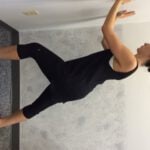
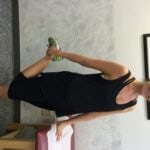
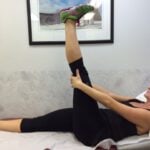
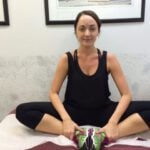
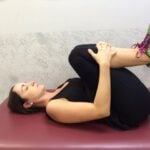
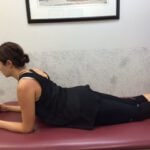



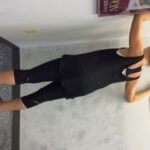
MODEL: Dana Dommermuth, PT Aide, Mackarey Physical Therapy
NEXT MONDAY – Read Dr. Paul J. Mackarey “Health & Exercise Forum” in the Scranton Times-Tribune.
This article is not intended as a substitute for medical treatment. If you have questions related to your medical condition, please contact your family physician. For further inquires related to this topic email: drpmackarey@msn.com
Paul J. Mackarey PT, DHSc, OCS is a Doctor in Health Sciences specializing in orthopaedic and sports physical therapy. Dr. Mackarey is in private practice and is an associate professor of clinical medicine at The Commonwealth Medical College.
Not So Young at Heart!
A recent study by the Center for Disease Control (CDC) found that while many Americans believe that they are “young at heart”, it turns out that many have hearts older than their actual age. For example, the study found that the average American male heart is eight years older and the average American female heart is five years older than their chronological age.
What does this mean?
The CDC’s findings may offer some explanation for the fact that many Americans die from heart attacks, strokes, and heart failure when compared to other people around the globe. Furthermore, while more Americans use heart medications more than other people in the world, heart attack and stroke continue to be the leading cause of death in the US, killing more than 80,000 each year.
What Can You Do?
The CDC has developed a new test to determine “Heart Age,” which has been found to be a much more reliable indicator of a person’s risk for heart disease. The heart age test will determine if your heart is older, younger or average for your age, which can be much more important for longevity than chronological age.
The CDC is encouraging people to take matters into their own hands …be proactive. In addition to calculating your Body Mass Index ((BMI), the CDC is asking people to use an online calculator to determine their heart age. The calculator will give a person a more accurate percentage of risk for heart attack or stroke. Based on the outcome, one must see their family physician or cardiologist to discuss the results and implement a plan.
The Calculator - For Example:
Heart Age is very easy to use: You just need to enter your age, sex, blood pressure, whether you are treated for high blood pressure, whether you smoke or have diabetes, and your body mass index (BMI), with a handy calculator if you don’t know it. The tool gives you your risk for heart disease in the next ten years, compared with normal.
The CDC “Heart Age Test” is simple:
Enter: sex, blood pressure, (list if controlled), diabetes (list if controlled), smoking history, and body mass index (BMI), a simple height/weight calculation found on-line at www.bmicalculator.cc
Example: A 53 year old women with an acceptable BMI, may actually find that she is at great risk for suffering a heart attack or stroke because she smokes cigarettes and has uncontrolled high blood pressure. The calculator includes all the significant factors proven by science to affect a person’s risk of heart attack or stroke. These include: blood pressure, weight, BMI, blood sugar, cholesterol, age, sex and smoking history.
Example: 50 year old male smoker has uncontrolled high blood pressure of 140/96, no history of diabetes, and a BMI of 30 has a predicted heart age of 72 years. A female with a similar profile would have a heart age of 74 years.
The Solution
To some, the solution may be obvious and for others it may be impossible. In the previous example of the 50 year old smoker, if he quit smoking for one year, he would halve reduced his heart age by 14 years (15 years for a woman). If he would reduce his blood pressure to 120, he would reduce his heart age by 6 years (10 years for a woman). And, if both risk factors were removed, he would reduce his heart age by 19 years (23 for a woman).
In the above examples, the 53 year old man does not have to take his 72 year old heart age as a death sentence.
What Individuals can do…
What Public Health Policy Can do…
BY THE WAY…
My loving and caring family asked me to take the test:
SOURCES: WWW.CDC.GOV
Read Dr. Mackarey’s Health & Exercise Forum – Every Monday
This article is not intended as a substitute for medical treatment. If you have questions related to your medical condition, please contact your family physician. For further inquires related to this topic email: drpmackarey@msn.com
Paul J. Mackarey PT, DHSc, OCS is a Doctor in Health Sciences specializing in orthopaedic and sports physical therapy. Dr. Mackarey is in private practice and is an associate professor of clinical medicine at The Commonwealth Medical College.