EXERCISE FOR THOSE WITH PARKINSON’S DISEASE - Part 1 of 2
Parkinson’s disease (PD) is a chronic, degenerative disease that leads to slowness of movement, balance disorders, tremors, and difficulty walking. PD results from the loss of dopamine-producing nerve cells in the brain. Dopamine is critical to stimulate the nerves of the muscular system in the body. PD affects approximately 1.5 million people in the USA with 60,000 new cases each year according to the National Parkinson Foundation. Most people know someone affected by PD. PD typically affects those over 65 years of age and only 15% are under 50. However, actor, Michael J. Fox brought national attention to the disease in 1991 when he was only 30 years old. Juvenile Parkinson’s, those diagnosed under the age of 40, is rare and only represents 7% of all those with PD.
While there is no current cure for PD, exercise can relieve some of its symptoms. Although PD affects an individual’s ability to move, exercise can help keep muscles strong, joints mobile, and tissues flexible. Exercise will not stop PD from progressing but it will improve balance, enhance walking ability, reduce muscle weakness, and minimize joint stiffness. In 2007, a study published in the Journal of Neuroscience revealed that exercise will benefit individuals with PD because exercise encourages the remaining dopamine cells to work harder to produce more dopamine. Also, the researchers discovered that exercise decreases the rate at which dopamine is removed from the brain.
Depending on the stage of the disease and the level of assistance required, exercise to improve strength, balance, flexibility and ambulation for those with PD, can be performed independently at home or supervised at a rehab or fitness facility. Supervised exercise can include physical therapy, recreational therapy, water therapy, yoga, and Tai Chi… AND DANCE! Physical therapy can improve walking ability, enhance balance, reduce fatigue, increase strength, promote flexibility and minimize pain. Physical therapy uses movement techniques and strategies as well as various pieces of equipment to enhance an individual’s level of independence and improve his quality of life. Recreational therapy incorporates leisure activities (e.g. golfing and ballroom dancing) to reduce the symptoms and associated limitations of PD. Recreational therapy adapts these activities to meet the specific needs of the person with PD. The modified activities are taught by professionals who have significant knowledge and experience in this area. Water therapy is especially helpful to people with PD because the water provides enough buoyancy to lessen the amount of balance required to perform essential exercises. The cushioning effect of the water allows for freedom of movement while providing the appropriate level of resistance necessary to achieve the desired results. Using a combination of physical and mental exercises, yoga promotes flexibility, reduces stress levels, and increases stamina and strength in individuals with PD. Tai Chi, a total mind and body workout, and is a series of individual dance-like movements linked together in a continuous flowing sequence. Particular benefits for people with PD include reduced stress, increased energy, improved concentration and focus, better circulation and muscle tone, and significant improvements in balance.
If you choose the convenience of a home exercise program, consult your physician for recommendations regarding: (1) the types of exercise best suited for you and those which you should avoid, (2) the intensity of the workout, (3) the duration of your workout, and (4) any physical limitations you may have. Your doctor may advise a referral to a healthcare professional to help you create your own personal exercise program.
The type of exercise that works best for you depends on your symptoms, fitness level, and overall health. Your exercise program should address not only strength but also flexibility and endurance and should include all body parts: face, mouth, neck, torso, arms, legs, hands, and feet. Some general exercise suggestions include:
Since individuals with PD are at risk for falling and freezing (becoming rigid), work out in a safe environment and, if possible, when someone is present. Avoid slippery floors, poor lighting, throw rugs, and other potential dangers (e.g. watch out for the pooch because he might want to join in the fun). If you have difficulty balancing, exercise sitting down, lying on the bed or within reach of a grab bar or securely installed rail. Stop and rest if you feel tired during your exercise program since overexertion can make your PD symptoms worse.
Contributions: Janet Caputo, DPT, OCS
NEXT MONDAY – Read Dr. Paul J. Mackarey “Health & Exercise Forum” in the Scranton Times-Tribune. Next Week: Part 2: Dance for Parkinson ’s Disease.
This article is not intended as a substitute for medical treatment. If you have questions related to your medical condition, please contact your family physician. For further inquires related to this topic email: drpmackarey@msn.comPaul J. Mackarey PT, DHSc, OCS is a Doctor in Health Sciences specializing in orthopaedic and sports physical therapy. Dr. Mackarey is in private practice and is an associate professor of clinical medicine at The Commonwealth Medical College.
NOVEMBER IS NATIONAL DIABETES MONTH: Part 2 of 2
10 Tips to Lower Your Blood Sugar Naturally
November is National Diabetes Month. According to the American Diabetes Association (ADA), 23.6 million adults and children, 7.8% of the population in the United States, have diabetes. Unfortunately, one-third of these people are not aware that they have the disease. It will be the purpose of this column to raise the level of consciousness through education and offer recommendations for lowering blood sugar levels naturally.
Perhaps no goal is more important to a person with diabetes than maintaining a healthy blood sugar level. When managed over time, healthy blood sugar levels can slow the onset of complications associated with the disease. According to the ADA, pre-diabetes, or impaired glucose tolerance, occurs when blood glucose levels are higher than normal (110 to 125mg/dl) but below type 2 diabetes levels (126mg/dl). 54 million Americans have pre-diabetes in addition to the 20.8 million with diabetes.
While medications are effective in maintaining blood sugar levels, for those who are borderline, there are effective ways to lower your blood sugar naturally. Your physician will determine which treatment is most appropriate for your problem. Also, maintaining your ideal body weight is always important.
10 Tips to Lower Your Blood Sugar Naturally
**This column is based on information from local physicians Kenneth Rudolph, MD, Gregory Borowski, MD, the American Diabetes Association L (ADA), and Lifescript
Visit your doctor reguLlarly and listen to your body.
NEXT MONDAY – Read Dr. Paul J. Mackarey “Health & Exercise Forum” in the Scranton Times-Tribune.
This article is not intended as a substitute for medical treatment. If you have questions related to your medical condition, please contact your family physician. For further inquires related to this topic email: drpmackarey@msn.com
Paul J. Mackarey PT, DHSc, OCS is a Doctor in Health Sciences specializing in orthopaedic and sports physical therapy. Dr. Mackarey is in private practice and is an associate professor of clinical medicine at The Commonwealth Medical College.

Nicole Marianelli, MD2, TCMC
Co Author: Nicole Marianelli, 2nd year medical student The Commonwealth Medical College
This column is a monthly feature of “Health & Exercise Forum” in association with the students and faculty of The Commonwealth Medical College.
Nicole Marianelli is a second-year medical student at The Commonwealth Medical College. A native of Old Forge, Nicole plans to pursue either family medicine or pediatrics when she graduates in 2019.
NOVEMBER IS NATIONAL DIABETES MONTH
Part 1 of 2
Diabetes is a fact of life for 29.1 million adults and children in the U.S., according to the American Diabetes Association (ADA). Of that number, ADA says 8.1 million are undiagnosed and therefore not taking the necessary steps to safeguard their health. This statistic is truly frightening, given that diabetes remains the seventh leading cause of death in the U.S.
Diabetes is a disease in which the hormone insulin is not adequately produced or used by the body. Insulin is needed for cells to take up glucose after it is broken down from sugars, starches and other food that we eat. When working properly, this provides the fuel necessary for activities of daily living. While the exact cause is not completely understood, environmental factors, such as obesity and inactivity, have been found to play an important role, particularly in Type 2 diabetes. Type 1 diabetes is linked to genetics and is believed to have a connection with autoimmune disorders. No amount of diet and exercise can reverse Type 1 diabetes, but it will have significant positive impact on Type 2.
“I am not only the doctor to be, but also a patient!” I have been living with Type 1 diabetes, also called juvenile diabetes, since I was 11 years old. My experience can help give others insight into what it’s like to have diabetes of any type and why it’s so important for everyone to establish a healthy diet, maintain a normal weight and try to get 30 minutes of exercise each day, if possible.
Parents should be aware of any changes in their child’s habits. For example, the summer when I was 11, my mother noticed that I seemed to urinate more frequently than was normal for me. When I told her that I was also suddenly thirsty all the time, she drew the right conclusions and took me to the doctor. That was on a Tuesday. My doctor said if I had waited until Saturday, I would have needed an ambulance. Mine were the classic signs of both Type 1 and Type 2 diabetes. However, people with type 2 diabetes can experience symptoms that are vaguer and more gradual in onset than with type 1 diabetes. Type 2 symptoms include feeling tired or ill, increased thirst and urination, weight loss, poor vision, frequent infections and slow wound healing.People with these symptoms should not delay in seeking medical attention.
Once diagnosed, heightened awareness of your diet becomes a way of life. As a person with Type 1 diabetes, I maintain dietary vigilance because I use an insulin pump that I must re-calibrate depending on what I eat, what my blood sugar reading is when I test it and how active I am. All of these factors go into a complex formula I process mentally every time I sit down to a meal. In my case, Type 1 diabetes will oblige me to always perform the ritual of counting carbs, deciding if they’re complex or simple and weighing them against my activity levels for the day. Most people with Type 2 diabetes have a ray of hope, however. In many instances, being strict with your diet will improve your condition and can even get some patients off of insulin shots.
Type 2 diabetes is far more prevalent than Type 1. In fact, ADA says it is the most common form. of the disease.
Type 2 diabetes, also known as adult-onset, is the most common type as most Americans are diagnosed with type 2 diabetes. Obesity has been found to contribute to more than half of all type 2 diabetics. The increased rate of childhood obesity in between 1960 and 2000 is believed to have caused the increase in type 2 diabetes in present day adults and children. It occurs when the body fails to use insulin properly and eventually it fails to produce an adequate amount of insulin. When sugar, the primary source of energy in the body is not able to be broken down and transported in the cells for energy, it builds up in the blood. There it can immediately starve cells of energy and cause weakness. Also, over time it can damage eyes, kidneys, nerves or heart from abnormalities in cholesterol, blood pressure and an increase in clotting of blood vessels. Like type 1, even though the problems with type 2 are scary, most people with type 2 diabetes live long, healthy, and happy lives. While people of all ages and races can get diabetes, some groups are at higher risk for type 2. For example, African Americans, Latinos, Native Americans and Asian Americans/Pacific Islanders and the aged are at greater risk. Complications are the same as those for type 1 diabetes.
Symptoms
People with type 2 diabetes experience symptoms that are vaguer and more gradual in onset than with type 1 diabetes. Type 2 symptoms include feeling tired or ill, increased thirst and urination, weight loss, poor vision, frequent infections and slow wound healing.
Gestational Diabetes
Gestational diabetes occurs in about 4% of all pregnant women in the United States each year according to the ADA. If you develop diabetes during pregnancy, there is a 50% chance you will develop type 2 diabetes later in life.
Pre-diabetes
According to the ADA, pre-diabetes, or impaired glucose tolerance, occurs when blood glucose levels are higher than normal (110 to 125mg/dl) but below type 2 diabetes levels (126mg/dl). 86 million Americans have pre-diabetes in addition to the 29.1 million with diabetes.
* Your physician will determine which treatment is most appropriate for your problem. However, maintaining your ideal body weight is always important!
Visit your doctor regularly and listen to your body.
NEXT MONDAY – Read Dr. Paul J. Mackarey “Health & Exercise Forum” in the Scranton Times-Tribune. Part II: Diabetes: Top 10 Tips to Lower Your Blood Sugar Naturally.
This article is not intended as a substitute for medical treatment. If you have questions related to your medical condition, please contact your family physician. For further inquires related to this topic email: drpmackarey@msn.com
Paul J. Mackarey PT, DHSc, OCS is a Doctor in Health Sciences specializing in orthopaedic and sports physical therapy. Dr. Mackarey is in private practice and is an associate professor of clinical medicine at The Commowealth Medical College.

Gretchen Welby, MHA, PharmD
Guest Columnist: Dr. Gretchen Welby, MHA, PharmD
Dr. Welby received undergraduate degrees from Keystone College and Philadelphia College of Pharmacy and Science. She received a Master's Degree in Health Administration from the University of Scranton and a Doctor of Pharmacy degree from Temple University. She currently teaches in the Biology department at the University of Scranton and Pharmacology at Marywood University in the Physician Assistant Program.
The United Nations, for only the fourth time in the institution’s history, has convened a special meeting to discuss a world health crisis. World leaders meet on September 21st to discuss solutions to combat the ever increasing problem of antibiotic resistance.
Antibiotic resistance occurs when bacteria no longer respond to the drugs designed to kill them. For almost a decade, the Centers for Disease Control and Prevention (CDC), along with other national and international agencies have supported an initiative called “Antimicrobial Stewardship”. The hallmark of Antimicrobial Stewardship is the judicious, appropriate use of antimicrobials.
Some sobering statistics from the CDC:
Patients and providers must take equal responsibility. When we get sick, we often feel we need an antibiotic right away. In fact, patients often demand them. Is this the correct approach to therapy? Are we using antibiotics too readily? What are the consequences of profuse antibiotic use?
The correct answer is “B”.
Let’s dissect the reasons why “B” is the best answer.
Symptoms experienced as part of the common cold can include green/yellow sputum, cough, runny nose, stuffiness, sore throat, headache, fever, and muscle aches. This illness is caused by a virus, most likely a rhinovirus (rhino = nose). There are currently ninety-nine identified strains of rhinovirus.
In fact, antibiotics have no activity against viruses. Antibiotics target specific bacterial structures or functions. Common bacterial targets for antibiotics include the cell wall (example: amoxicillin), ribosome activity (example: azithromycin), and bacterial enzymes (example: levofloxacin). All of those are lacking in the very primitive structure of a virus. So, you could sit in a bathtub full of penicillin and not cure your cold!
In view of this, one might ask why antibiotics are appropriate after 10 days with cold symptoms. The typical common cold lasts between five and ten days, with symptoms peaking around days three or four and waning at day six. If symptoms are consistent or regress and then become worse it is likely a sign of a bacterial super (on top of) infection. How does this happen? Normally, we carry certain bacteria with us as part of our “normal flora”. Bacteria are commonly found in our mouth, nasal passages, large intestine, and skin. These bacteria work with our body providing various “services”. A viral infection disturbs the normal balance of bacteria, allowing for proliferation and a subsequent bacterial infection.
Side Effects
The most compelling answer is antibiotic resistance (more about that topic in a minute). Beyond antibiotic resistance, antibiotics are not innocuous substances. They have significant side effect profiles. Adverse drug reactions associated with antibiotics can be less severe and consist of mild rash or nausea, vomiting, diarrhea. More serious reactions include heart arrhythmias, tendon rupture, Stevens Johnson syndrome (severe skin reaction resembling thermal burns), liver damage, and kidney damage. Remember, every drug (not only antibiotics) has the potential to cause unpredictable adverse reactions.
Resistance
Each time bacteria are exposed to an antibiotic some are destroyed while others fight to resist the antibiotic so the bacteria can live to see another day (remember Darwin’s “Survival of the Fittest”). The theory with antibiotic therapy is that the great majority of bacteria will be destroyed and those that survive will be quickly disposed of by the body’s immune system. Antibiotics are unique in that the more they are used, the less effective they become. When antibiotics are used inappropriately – not taking the medication on schedule, not finishing the entire prescription, using antibiotics for viral infections – bacteria have a chance to fight to overcome the antibiotic activity. The resistant bacteria may go on to infect others.
Identify the causative agent if possible.
For example, a sore throat should not be treated with antibiotics until a throat culture is obtained and a bacterial cause is identified. FYI – According to the Infectious Disease Society of America (IDSA), 90% of adult sore throats have a viral cause, not bacterial.
Use the most “narrow” spectrum of activity antibiotic.
Antibiotics may cover many bacterial species (“wide” spectrum). These “wide” spectrum antibiotics have been shown to increase resistance rates.
Compliance.
All medications, especially antibiotics, need to be taken as prescribed, to decrease risk of resistance,. This includes keeping to a daily schedule, taking the antibiotic with or without food as instructed, and completing the course of therapy.
Education
Educating the patient and prescriber will leading to proper use of antibiotics to curb antibiotic resistance.
SOURCES:
-Centers for Disease Control and Prevention, Office of Infectious Disease Antibiotic resistance threats in the United States, 2013. Apr, 2013
-Gross M. Antibiotics in crisis. Curr Biol. 2013;23(24):R1063–R1065
- http://www.cdc.gov/getsmart/week/downloads/antibiotic-resistance-the-global-threat.pdf
Read Dr. Mackarey’s Health & Exercise Forum in the Scranton Times-Tribune every Monday. This article is not intended as a substitute for medical treatment. If you have questions related to your medical condition, please contact your family physician. For further inquires related to this topic email: drpmackarey@msn.com
Paul J. Mackarey PT, DHSc, OCS is a Doctor in Health Sciences specializing in orthopaedic and sports physical therapy. Dr. Mackarey is in private practice and is an associate professor of clinical medicine at The Commonwealth Medical College.
Basketball season is coming soon and preseason conditioning has begun. Every kid who has ever donned a pair of basketball shoes has dreamed about the thrill of jumping high into the sky toward the hoop to dunk a basketball. Yes, even those of us at 5 feet 8 inches and below can dream. While it is safe to say that not everyone is capable of such a fete, it may be in the realm of possibilities for many. Many youngsters have benefited from expert instruction and training to get the most air out of their body and improve their odds.
Gil “Rise” Thomas is a dunk coach from Los Angeles. He is jump training specialist who has trained high school and college basketball and track athletes to jump higher and farther for the past 15 years. The level of progress one can expect to make is base on height, weight, body fat, body frame, and athletic ability. To add perspective, the average vertical leap in the NBA is 28”. Michael Jordan, at 6’ 6” tall, had a vertical leap of 46” while Allen Iverson, at 6’in height, weighing 165 pounds, with less than 6.% body fat, jumped 44 inches off the ground.
***NOTE: The Dunk-Master Program is 6-7 days per week with jumping rope daily. However, this author has serious concerns about overuse injuries to the knee such as patella tendonitis “jumper’s knee” and recommends a 4-5 day per week workout. Also, this author does not recommend this program for those over 35 years of age and to pay attention to your knee pain and ice after exercise. If knee pain persists or worsens with this program, contact your physician of physical therapist for advice.
Good luck with the program. While you may notice some progress in 6 weeks, it may take 3 months to reach your goal. Email me with your results.
** For more information about the program and products: 1-800-586-7872 or www.jumpUSA.com
Read Dr. Mackarey’s Health & Exercise Forum – every Monday in the Scranton Times-Tribune.
This article is not intended as a substitute for medical treatment. If you have questions related to your medical condition, please contact your family physician. For further inquires related to this topic email: drpmackarey@msn.com
Paul J. Mackarey PT, DHSc, OCS is a Doctor in Health Sciences specializing in orthopaedic and sports physical therapy. Dr. Mackarey is in private practice and is an associate professor of clinical medicine at The Commonwealth Medical College.

Kristina Borham, MD1, TCMC
Guest Columnist: Kristina Borham, MD1, TCMC
Kristina is from Oxford, Pennsylvania, located in Chester County in the southeastern part of the state. She attended West Chester University of Pennsylvania and graduated with a degree in Cell and Molecular Biology in 2015. Kristina is currently a 2nd Lieutenant in the United States Air Force through the Health Professions Scholarship Program and will be serving as an active duty physician following her graduate medical education. Her interests and hobbies include women’s health, cancer biology, blogging, yoga, and hiking.
Veteran’s Healthcare--Friday, November 11, is Veteran’s Day!
In the United States, there are currently 21.8 million veterans. When compared to civilians, these service men and women have a unique set of healthcare issues that is not easily discernible based on typical patient interactions. As the daughter of a disabled Army veteran and as a first-year medical student and an officer in the U.S. Air Force, this is a fact with which I am well acquainted. Unfortunately, my personal knowledge of veterans’ struggles is not widely shared by the civilian population.
Veterans face a variety of healthcare issues ranging from access to care, mental health, physical disabilities and even transition from military to civilian life. The responsibility to address these issues, however, is not limited to the Department of Veterans Affairs (DVA), as too many in the civilian population believe. According to the 2010 National Survey of Veterans from the DVA, a little more than 41 percent of veterans do not use their veteran benefits for their health care. This means that civilian healthcare professionals are caring for American veterans from military actions ranging from World War II, through Vietnam, all the way to the War on Terror and deployments to Afghanistan and Iraq. As a result, the civilian healthcare sector should be sensitive to veterans’ needs and experiences and become more aware of the role and influence military service plays in regards to these patients’ physical and emotional wellbeing in order to provide the best appropriate care.
But how is treating a veteran different than treating any other patient of the same age and demographics with the same conditions? This question can be answered in a multitude of ways. It is important to recognize that veterans whether designated as “disabled” or not, have experienced things – often emotionally injurious – that the average American has not. These experiences can result in post-traumatic stress disorders, addiction, and chronic illnesses from toxicity, mental health disorders, suicide risk, homelessness and other safety concerns. Additionally, many veterans are unaware of the availability of VA benefits or cannot obtain the level of disability benefits they need to take care of themselves and their families. There is a huge gap between the care given and the care needed, even among the most caring of physicians.
For any type of healthcare provider, one of the largest areas of concern when treating a veteran is mental health. Mental health issues include depression, anxiety, PTSD, and even substance abuse. Military training and deployment can have an impact on the psychological and medical state of individuals. This impact can affect the veteran on an individual level or extend to his or her family in the form of issues such as suicide grief, intimate partner violence, abandonment fear with children, or isolation from the family. With appropriate screening and access to care, veterans’ ability to cope with these hardships can be increased while risks can be decreased.
Despite this urgent need, many clinicians and practices are actually unaware of the military status of many of their patients. A military health history is rarely completed and connections between current health status and deployment are therefore hidden. Additionally, lack of identification of at-risk patients or family members for service-related complications may reduce the access to veteran benefits, as patients often rely on their providers to guide them through the application process or supply resources.
With proper education and increased awareness, civilian healthcare providers can give better care to our veterans. This can translate to better diagnoses, increased access to veteran benefits and the DVA, or simply more appropriate and improved doctor-patient relationships. Our veterans have served us and our country and it is our duty as medical professionals to serve them the best that we can.
SYMPOSIUM ON VETERANS’ HEALTHCARE
The Commonwealth Medical College, located in Scranton at the Medical Sciences Building at 525 Pine Street, will be hosting its fall Keystone Symposium on November 5th entitled “Veterans’ Healthcare: The Physical and Emotional Needs of the Military.” One of the symposium’s speakers, Dr. Jeffrey Brown, served in Vietnam as a decorate front line infantry battalion surgeon and will be discussing the weak link in veterans’ healthcare. Another speaker, Kim Ruocco, representing Tragedy Assistance Program for Survivors, will be discussing suicide and survivorship. Other topics include PTSD and behavioral and mental health. The symposium will take place on Saturday, November 5th from 8 a.m. until 12:30 p.m. and is open to TCMC staff, faculty, students, military members, resident physicians, university students and all other community members. You can register at www.tcmc.edu/Keystone.
If you are a veteran or know a veteran in need and require more information, please visit the sites below:
Sources
Read Dr. Mackarey’s Health & Exercise Forum – every Monday in the Scranton Times-Tribune. This article is not intended as a substitute for medical treatment. If you have questions related to your medical condition, please contact your family physician. For further inquires related to this topic email: drpmackarey@msn.com
Paul J. Mackarey PT, DHSc, OCS is a Doctor in Health Sciences specializing in orthopaedic and sports physical therapy. Dr. Mackarey is in private practice and is an associate professor of clinical medicine at The Commonwealth Medical College.
October is National Physical Therapy Month: Keep on Moving!
October is National Physical Therapy Month. The American Physical Therapy Association (APTA) would like the nation to recognize the positive role physical therapy plays in your health and wellness. We are passionate about what we do! No, we don’t save lives, but we do save lifestyles and quality of life! PT’s are great people. We have a special gift to provide healthcare unique to our field. For example, while many different health care professionals treat back pain, PT’s are some of the very few working to rehabilitate stroke and head injury victims, amputees, children with cerebral palsy and other serious neurological and orthopedic disorders.
In honor of physical therapy month and the thousands of dedicated physical therapists working hard to keep you healthy and mobile, I would like to offer some suggestions to stay active and healthy, not only at the gym, but throughout the day, even at work.
Remember, we cannot control our gene pool or what happens to our bodies, however, we can control our lifestyles. Research suggests that lifestyle may play the biggest role on how healthy you are and how long you live. The food you eat, what you drink, if you smoke, how active you are and how you handle stress are critical factors that determine your longevity. Research also tells us that smoking, physical inactivity, and poor eating habits are the leading causes of death, in that order.
Physical activity is one of the most important factors in improving a lifestyle in a positive way. A minimum of 30 minutes of physical activity, 5 days per week can greatly contribute to longevity. But, the studies also show that engaging in 10-15 minutes of activity 2-3 times per day, is also valuable to your health…even at work!
Researchers have found that the benefits of regular physical activity are numerous. Some of the more important benefits are:
Keep moving, eat healthy foods, exercise regularly, and live long and well!
Source: Mayo Clinic
NEXT MONDAY – Read Dr. Paul J. Mackarey “Health & Exercise Forum" in the Scranton Times-Tribune.
This article is not intended as a substitute for medical treatment. If you have questions related to your medical condition, please contact your family physician. For further inquires related to this topic email: drpmackarey@msn.com
Paul J. Mackarey PT, DHSc, OCS is a Doctor in Health Sciences specializing in orthopaedic and sports physical therapy. Dr. Mackarey is in private practice and is an associate professor of clinical medicine at The Commonwealth Medical College.

Daniel Savaria
TCMC “Health & Exercise Forum” - 3rd Monday of the Month
Guest Columnist: Daniel Savaria, TCMC, MD2
Daniel Savaria of Collegeville is a second-year medical student at TCMC. He is a 2012 graduate of Muhlenberg College and received a master of biomedical science degree from TCMC in 2014.
It is fair to say that most of you have heard the phrase, “diet and exercise are the “magic pills.” One very good variation on the analogy says, “Exercise is a magic pill that takes just 30 minutes per day to swallow.” Despite the ubiquity of the sentiment, in the case of breast cancer, current medical research, including a project being conducted at TCMC, leads me to believe that the public can’t hear the advice often enough.
Before we explore why maintaining a healthy weight is so important to breast cancer prevention, let’s begin with some background. This Breast Cancer Awareness month, there are several things women – and men – should know about this common and feared disease. First of all, breast cancer is not a single disease and is much more complicated than what can be disseminated in the general news media. There are several kinds of breast cancer, including its most common form, estrogen- or progesterone-receptive.
Estrogen-receptive cancer has some very good, targeted treatments, including drugs like tamoxifen and anastrozole, which block estrogen effects. Another type of breast cancer, which is less common, is HER2-receptive breast cancer. As the Mayo Clinic explains, “HER2-positive breast cancer . . . tests positive for a protein called human epidermal growth factor receptor 2 (HER2), which promotes the growth of cancer cells.” As in the case of estrogen-receptive cancer, HER2-positive cancer has a very effective, targeted treatment: trastuzumab. This drug is an antibody that interferes with the HER2/neu receptor.
A third and more aggressive type of breast cancer is Triple–negative breast cancer (TNBC). It is frequently diagnosed in younger and premenopausal women. Since TNBC tests negative for estrogen and progesterone receptors, as well as HER2/neu, it is unlikely to respond to hormone-and/or HRE2-based therapies. Due to its aggression and the lack of a targeted treatment, TNBC can difficult to treat. According to the National Breast Cancer Foundation, TNBC “occurs in about 10-20 percent of diagnosed breast cancers and is more likely to affect younger people, African Americans, Hispanics, and/or those with a BRCA1 gene mutation.” Also, this cancer is more likely to spread and recur. Therefore, finding a way to block growth and proliferation of TNBC cells would be an important tool for treating this fast-moving cancer.
I have been privileged to assist in the lab of TCMC scientist, Dr. Raj Kumar, where he is exploring the overarching goal of identifying what drives TNBC growth and determining how to stop it. Stress hormones, like cortisol, and obesity/metabolic syndrome appear to play a role in TNBC. Discovering a way to block stress-hormone cell receptors could lead to a targeted treatment, something not available today. Dr. Kumar’s lab is currently pursuing a way to target this pathway for drug development. However, if obesity is unequivocally linked to cancer cell proliferation, as we believe it may be, perhaps we already have something infinitely better than treatment – prevention.
That’s where the magic pill comes in. It has been shown that lifestyle changes decrease breast cancer risk even in high-risk women. We should also make abundantly clear that, in rare instances, men can get breast cancer and so should also be concerned with prevention. According to the Mayo Clinic and the American Cancer Society, here’s what men and women can do:
This October, while supporting every good observation aimed at raising awareness and raising funds to defeat breast cancer, take time out to review how often you take the exercise pill. Swallowing it for a little over 20 minutes every day will have protective effects on your body that are almost magical.
Medical Reviewer: Raj Kumar, PhD is Professor of Biochemistry in the Basic Sciences Department at TCMC.
Sources: Centers for Disease Control, Journal of Infectious Diseases, National Cancer Institute.
Read Dr. Mackarey’s Health & Exercise Forum – every Monday in the Scranton Times-Tribune. This article is not intended as a substitute for medical treatment. If you have questions related to your medical condition, please contact your family physician. For further inquires related to this topic email: drpmackarey@msn.com
Paul J. Mackarey PT, DHSc, OCS is a Doctor in Health Sciences specializing in orthopaedic and sports physical therapy. Dr. Mackarey is in private practice and is an associate professor of clinical medicine at The Commonwealth Medical College.
Compression Socks for Runners – Wear After The Race!
Jury Out on Value for Running Performance, But New Research Suggests Socks May Prevent Post Race Blood Clots
Congratulations to the participants of the 21st Annual Steamtown Marathon! Completing the long and arduous 26.2 mile journey is not an easy task. In fact, the mechanical and physiological toll on your body is tremendous; from painful joints, muscles, tendons, to black and blue toes. Not so obvious, however, is the damage to your deep veins and tissues of the circulatory system. New research indicates that strenuous endurance exercise, such as marathon running, stimulates the clotting mechanisms in your body in response to the multiple micro traumas sustained over 2 or more hours. While most healthy athletes will naturally heal from post exercise clot formation, others may be at risk…those traveling more than 1 hour (by car, bus, train or plane). The risk increases substantially for those with a longer period of travel/sitting post-race, history of previous trauma, blood clots or have the genetic predisposition for clot formation.
Compression socks are familiar to most people as the tight knee-high support stockings worn after a surgical procedure such as a knee or hip replacement to prevent blood clots. They are made with a special fabric and weave design to provide graduated compression (stronger compression at foot and ankle and less at the top of the sock) to promote better circulation and movement of fluids from the foot, ankle and calf back to the upper leg and ultimately the heart. Compression socks work similarly in runners. As the stagnant fluid with lactic acid and other byproducts of exercise is removed from the space, fresh blood, nutrients and oxygen is replaced to foster healing of micro damage to tissue and promote more efficient use of the muscles.
The Journal of Strength and Conditioning Research published a study that found wearing compression socks improved running performance. However, similar studies have failed to support this claim. One finding that has been repeatedly supported in the literature, including The British Journal of Sports Medicine, found that compression socks worn in soccer players and runners improved the rate and magnitude of recovery. Moreover, recent studies, including a study with the Boston Marathon, have demonstrated the reduction in clotting mechanisms in those wearing compression socks AFTER the marathon, as compared with those wearing “sham” socks. Benefits seem to be less obvious for short duration activities or when running 10km or less.
In conclusion, only time will tell if compression socks will improve performance in runners will or be merely a fad based on placebo or true fact supported by scientific research. Based on current wisdom, these socks may offer value and benefit AFTER activities of long duration (more than 1 hour) or long distance running (more than 10km) to expedite the recovery from exercise-induced blood clot formation, muscle soreness from the accumulation of lactic acid and other muscle damage byproducts.
It is this author’s opinion that this product is worth a try. However, whenever you try something new for your sport, trials should occur during practice and if successful used during competition. Consider trying a lower compression to begin (the socks come in different degrees of compression). Even if one is hesitant to use the product while running, it appears the greatest value of the sock is after a prolonged training session or competition to reduce exercise-induced muscle soreness and prevent blood clots, especially in athletes at risk for clotting and those traveling for an hour or more after the race. Additionally, in view of the fact that some studies which showed only minimal to moderate improvement in well-trained athletes, it may be that those in greater need, such as deconditioned individuals attempting to begin a fitness program and novice weekend athletes, may benefit more from compression socks than elite athletes.
TAKE HOME: Runners, cyclists, triathletes, soccer players and others participating in endurance sports should consider compression socks, if not during the activity, certainly following the activity for 24 to 48 hours…especially those at risk for blood clots and those traveling for more than one hour after the race. AND…local elite runner, Matt Byrne, two-time Olympic Marathon Trials participant and three-time Steamtown Marathon winner, has been using compression socks post-race for many years. Even before the science, he states the “it just made good sense.”
Where to find compression socks:
2XU Compression Racing Sock – www.2XU.com
Scranton Running Company – Olive Street - Scranton
NEXT MONDAY – Read Dr. Paul J. Mackarey “Health & Exercise Forum” in the Scranton Times-Tribune.
This article is not intended as a substitute for medical treatment. If you have questions related to your medical condition, please contact your family physician. For further inquires related to this topic email: drpmackarey@msn.com
Paul J. Mackarey PT, DHSc, OCS is a Doctor in Health Sciences specializing in orthopaedic and sports physical therapy. Dr. Mackarey is in private practice and is an associate professor of clinical medicine at The Commonwealth Medical College.
THE ANKLE: EXERCISES FOR ARTHRITIS OF ANKLE
2nd of 2 Columns
I have been advising my patients to exercise, keep active, and walk as long as they can in order to stay mobile and healthy. However, seniors and others suffering from repeated trauma such as fractures and sprains, often tell me activities that require prolonged walking is limited by ankle pain from arthritis. They often ask, “What is arthritis of the ankle?” How does it happen? What can I do about it?
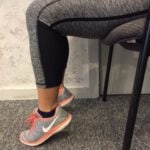
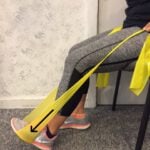
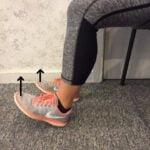
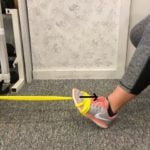
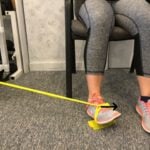
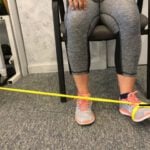
Gerry Davis, assistant baseball coach at Lackawanna College, is a typical example of the ankle arthritis journey. He has suffered for many years from ankle arthritis and pain. He sustained repeated injuries as a young athlete and, when conservative treatment was no longer effective and he was no longer able to walk without a painful limp, he had an ankle replacement. However, to maintain function he exercises every day. Moreover, he performs exercise specifically for strength and mobility of his ankle.
Visit your doctor regularly and listen to your body.
EVERY MONDAY – Read Dr. Paul J. Mackarey “Health & Exercise Forum” in the Scranton Times-Tribune.
This article is not intended as a substitute for medical treatment. If you have questions related to your medical condition, please contact your family physician. For further inquires related to this topic email: drpmackarey@msn.com
Paul J. Mackarey PT, DHSc, OCS is a Doctor in Health Sciences specializing in orthopaedic and sports physical therapy. Dr. Mackarey is in private practice and is an associate professor of clinical medicine at The Commonwealth Medical College.