This column is a monthly feature of “Health & Exercise Forum” in association with the students and faculty of Geisinger Commonwealth School of Medicine (formerly The Commonwealth Medical College).

Megan Lombardi
TIPS TO PREPARE FOR SURGERY
Guest Author: Megan Lombardi
2nd Year Medical Students at Geisinger Commonwealth School of Medicine (GCSOM)
Megan Lombardi is a second year medical student at Geisinger Commonwealth School of Medicine. Megan grew up locally in Dalton, PA before attending Penn State University for her undergraduate degree. Megan is exploring surgery as a medical residency following graduation in 2019.
SURGERY! Just the word can elicit very strong emotions from people including fear, pain, anxiety, lack of control, and the list goes on and on. While surgery is a very important part of medicine and can create apprehension, there are many things you can do to prepare if you plan on scheduling an elective procedure that will make your life and recovery much easier. Preparation for anything in life is crucial to its success and surgery or medical procedures are no different. It’s important to have a strong, trusting relationship with your surgeon so you feel comfortable having open conversations and asking questions. Surgeons want patients who are inquisitive and want participate their health and wellness. While your doctor will most likely give you a specific set of instructions prior to taking you to the operating room, the below tips will give you a framework of what should be done and what questions to ask to make sure your hospital and surgical experience as well as recovery are as positive as possible.
1) Smoking: You should stop smoking a minimum of 4-6 weeks prior to surgery and stay off cigarettes for at least four weeks afterwards; however the best situation would be to stay off of them forever. If you’re having some type of spinal fusion or orthopedic surgery, you should cut back a minimum of 3 months prior to the surgery. The different chemicals and toxins in cigarette smoke have been correlated with poor post-surgical outcomes including poor wound healing, poor bone fusion, anesthesia complications, blood clots, and infection, when compared with non-smokers.
2) Household Chores: Consider prepaying your bills if your surgery will fall around they’re due. No one knows how they’ll exactly feel afterwards and sometimes recovery is harder than people think. Paying bills in advance will allow you peace of mind and give you time to relax and recover. Also, consider going grocery shopping before your surgery and stock up on healthy, easy to make meals. Depending on the type of surgery you’ll be having such as hernia or back surgery, you may want to prearrange and ask for help around the house or be careful lifting heavy objects.
3) Food and Water: If you’re having a planned, elective surgery, start eating healthy with lots of fruit and vegetables 4-6 weeks prior. A balanced diet containing proper portions of protein, carbs, and fats can help get your body get in the best shape it can be prior to having your surgery. Drinking a lot of water for a few days before surgery will ensure you’re staying hydrated. You’ll want to make sure to drink water the day before surgery as a lot of surgeons will ask that you not eat or drink after midnight the night before the operation. This helps reduce the risk of getting sick when waking up from anesthesia and aspirating food or liquids into your lungs. Keep in mind that diabetics may have special considerations and instructions so make sure your surgeon knows your diabetic status. Also, avoid alcohol for at least for 24 hours prior to surgery, more if possible. A bowel cleansing preparation may also be required depending on your surgery. This would entail drinking a liquid medication that would induce bowel movements to help cleanse the colon making it easier for your surgeon to visualize the intestines. In most cases, you will be able to drink clear liquids up until midnight the night before the procedure.
4) Pre-Admission Testing: Your doctor will ask you to set up an appointment at the hospital to get any pre-admission testing done prior to your surgery. It is crucial that you make and keep this appointment as your surgery runs a risk of being canceled if it is not completed. Some examples of what might need to be done include blood work, x-rays, and other laboratory tests like a urinalysis. Take an updated medication (with dosages) and allergy list to the hospital so your chart is as up to date as possible which will help keep you stay safe during your hospital stay. This includes all vitamins and herbal supplements such as St. John’s Wort, fish oil, and Vitamin E, as well. Ask your surgeon what medications you can continue taking up through surgery and what medications should be stopped prior to as many medicines interact with blood clotting and anesthesia in a negative fashion.
5) Day of Surgery: Some of the most important things that you’ll want to take to the hospital with you include your ID, credit cards, medication list, and insurance card. Depending on your coverage, you may be asked to pay part of your bill the day of, so make sure you talk to the hospital or your insurance company so you know what to expect. This is all part of the pre-certification process for elective procedures and is very important in preparing for surgery.
Wear loose fitting clothing to the hospital, especially if you’re having a same day surgery and will be released from the hospital within a few hours. Make sure whatever clothing you wear is easy to get on and off. If you wear glasses/contacts, make sure to have both available as many surgeons will ask you to take your contacts out prior to surgery. If staying overnight, you’ll want to take a few comfortable outfits and pack all of your toiletries (toothbrush, toothpaste, brush/comb, retainers, etc.) as the hospital may be able to provide some, but most people are more comfortable with their own. Lastly, make arrangements for a driver to take you home from the hospital.
6) Cleanser: Preparing your skin for surgery is one of the most effective ways to reduce possible complications including post-operative infections. One of the most recommended cleansers is chlorhexidine gluconate soap (CHG) which is found in Hibiclens and other brands. This soap can be found in most pharmacies and stores like Wal-Mart and have special instructions. You may need to use some for up to three days prior to surgery to get a full benefit. However, it is important to remember not to use it on your face or sensitive skin areas. You may also want to avoid shaving your surgical area prior to surgery as shaving can cause micro-cuts that would allow infection to spread more easily.
7) Home Prep: Prior to surgery, you’ll want to discuss with your surgeon about any possible home prep you can do to make your life easier once you return home. Some examples of different home equipment or preparation you may want to consider include a stair lift, shower chair/handrails, moving into a first floor bedroom, or getting a hospital bed or portable commode for the first floor. Some patients who are undergoing shoulder surgery have found that sleeping on a wedge or in a recliner has helped reduce their pain and allow for more restful sleep. You can also get a wheelchair, crutches, or walker prior to surgery so it’s at home and ready if you will require one and a lot of insurance companies will help cover the cost of this. Calling your home health agency or physical therapist ahead of time may also relieve some post-surgery stress as you can set up your first few appointments and talk to them about what to expect.
Overall, surgery can be a stressful and frightening experience but preparing ahead of time and getting your questions answered can take away much of the stress. Asking the right questions to the right people, including your surgeon, physical therapist, insurance company, and others, allows you to know exactly what to expect prior to going to the hospital or surgery center. If you suffer from anxiety, it may be beneficial to look into relaxation and breathing techniques or meditation to practice the weeks prior and the day of surgery. Going to the hospital with a clear mind and good outlook can help improve not only your experience, but also help with your recovery. On a positive not, please remember, if you do forget anything or something unexpected comes up, the hospital has social workers and other professionals that will aid you in making sure you get the care/supplies that you need in order to make your recovery as smooth as possible. Surgery has advanced tremendously since it first began in the mid-1800s but going into the process with an open, peaceful, and prepared mind certainly can help as well.
Medical Contributor: Joseph Bannon, MD, Colon & Rectal Surgeon, Geisinger-Community Medical Center, Clinical Faculty, Geisinger Commonwealth School of Medicine.
Visit your doctor regularly and listen to your body.
NEXT MONDAY – Read Dr. Paul J. Mackarey “Health & Exercise Forum!”
This article is not intended as a substitute for medical treatment. If you have questions related to your medical condition, please contact your family physician. For further inquires related to this topic email: drpmackarey@msn.com
Paul J. Mackarey PT, DHSc, OCS is a Doctor in Health Sciences specializing in orthopaedic and sports physical therapy. Dr. Mackarey is in private practice and is an associate professor of clinical medicine at Geisinger Commonwealth School of Medicine (formerly The Commonwealth Medical College).
 Congratulations to the dedicated runners and organizers of yesterdays 22nd Annual Steamtown Marathon. The 26.2 mile event, beginning in Forest City and ending in downtown Scranton, is a spectacular event. By my view, the event represents everything that makes NEPA special: hardworking, unselfish organizers, appreciative and enthusiastic supporters, beautiful landscape and fall foliage. Many runners have local roots and return home to run with zealous love and support from family and friends along the trail.
This year at the race, whether running, working or cheering, you may have noticed many of the runners were sporting knee socks. You may wonder what this is all about…style, fad, or medical device. Well, after reading this column, it is my hope that runners will wear their compression socks today, as it has been found to be more important to use the socks while recovering from the event than during it. It can not only expedite recovery but may also prevent blood clots.
Runners competing at this level constantly try to improve performance through training, diet, nutrition, mental focus and equipment. And, to advance to the next level, it is critical to limit exercise-induced muscle soreness from excessive training. One product purported to control post-exercise soreness has become popular over the past few years among members of this elite group: compression socks.
While not a new product, its popularity continues to grow. In 2009, compression socks burst onto the running scene when people witnessed Paula Radcliffe, one of the top female marathon runners, wearing what appeared to be knee-high socks as she ran the Boston Marathon and other major events. In fact, so many people took notice that the sock she wore, 2XU Compression Racing Socks, became the 2009 Product of the Year! Today, the company offers two socks: one worn while running to improve performance, and the other worn after prolonged activities to reduce exercise-induced muscle soreness.
Most people recognize compression socks as the tight knee-high support stockings worn to prevent blood clots after a surgical procedure such as a knee or hip replacement. They are made with a special fabric and weave design that provide graduated compression (stronger compression at foot and ankle and less at the top of the sock) to promote better circulation and movement of fluids from the foot, ankle and calf back to the upper leg and, ultimately, to the heart. The theory that compression socks help runners relies on the idea that they facilitate the movement of stagnant fluid filled with lactic acid and other byproducts of exercise away from the legs and toward the heart, thereby rushing fresh blood, nutrients and oxygen to the legs. This exchange fosters the healing of micro-damage to tissue and promotes more efficient use of the muscles. If the product holds up to scientific scrutiny, compression socks could significantly benefit long distance runners, cyclists, triathletes, soccer players and others who participate in endurance sports.
In 2009, The Journal of Strength and Conditioning Research published a study suggesting that wearing compression socks significantly improved running performance, but similar studies have failed to support this claim. However, one finding that literature supports is that compression socks can improve the rate and magnitude of recovery when worn by soccer players and runners. A study in The British Journal of Sports Medicine confirmed this finding, and reported that the benefits of compression socks are more obvious for long-duration activities or when running 10km or more.
Time will tell if the benefit of compression socks for runners is a fact supported by scientific research or a fad based on placebo effect. Current wisdom suggests that these socks may offer value and benefit for activities of long duration (more than 1 hour), long distance running (more than 10km), and when worn after prolonged activity to expedite recovery from exercise-induced muscle soreness. If you are an athlete who falls into one of these categories of activity, this product is worth a try. However, as with all new equipment, you should try the product during practice and only use it during competition if your training was successful. If you hesitate to use compression socks while running, consider wearing them after a prolonged training session or competition to reduce exercise-induced muscle soreness. If you are de-conditioned and attempting to begin a fitness program or if you are a novice weekend athlete, you may see the greatest benefit from compression socks, as the improvements recorded in well-trained athletes were minimal. Lastly, these socks may prevent the risk of exercise induced blood-clots, which occurs in endurance athletes from prolonged micro trauma to the musculoskeletal system and is worse for who travel more than two hours after the event.
Scranton Running Company
2XU Compression Racing Sock – www.2XU.com
Two socks are available – one for racing and one for recovery
NEXT MONDAY – Read Dr. Paul J. Mackarey “Health & Exercise Forum” in the Scranton Times-Tribune.
This article is not intended as a substitute for medical treatment. If you have questions related to your medical condition, please contact your family physician. For further inquires related to this topic email: drpmackarey@msn.com
Paul J. Mackarey PT, DHSc, OCS is a Doctor in Health Sciences specializing in orthopaedic and sports physical therapy. Dr. Mackarey is in private practice and is an associate professor of clinical medicine at Geisinger Commonwealth School of Medicine.
Top Ten Health & Wellness Pearls of Wisdom
October is National Physical Therapy Month
October is National Physical Therapy Month. The American Physical Therapy Association (APTA) would like the nation to recognize the positive role physical therapy plays in your health and wellness. We are passionate about what we do! No, we don’t save lives, but we do save lifestyles and quality of life! PT’s are great people. We have a special gift to provide healthcare unique to our field. For example, while many different health care professionals treat back pain, PT’s are some of the very few working to rehabilitate stroke and head injury victims, amputees, children with cerebral palsy and other serious neurological and orthopedic disorders.
In honor of physical therapy month and the thousands of dedicated physical therapists working hard to keep you healthy and mobile, I would like to share some health and wellness pearls of wisdom.
Remember, we cannot control our gene pool or what happens to our bodies, however, we can control our lifestyles. Research suggests that lifestyle may play the biggest role on how healthy you are and how long you live. The food you eat, what you drink, if you smoke, how active you are and how you handle stress are critical factors that determine your longevity. Research also tells us that smoking, physical inactivity, and poor eating habits are the leading causes of death, in that order.
The following health and wellness tips can also serve you well…
One, to be truly healthy, one must have a healthy mind, body and spirit. A healthy mind requires education and intellectual stimulation. The body requires a good diet and physical activity while the spirit thrives on faith and hope. Strive to find balance and address all three elements of health and wellness.
Two, keep it simple. Should I walk, run, swim, or ride? Do I use free weights, barbells, rubber tubing or lifting machines at a gym? The answer is KEEP IT SIMPLE! You don’t need to join an expensive gym with a personal trainer to get in shape. Bands, light dumbbells, walking at the mall, and biking will all get you in shape. It must be convenient and consistent. Physical activity is one of the most important factors in improving a lifestyle in a positive way. But, it does not have to be complicated. A minimum of 30-45 minutes of physical activity, 3-5 days per week will have many positive effects on your body. But, the studies also show that engaging in 10-15 minutes of activity 2-3 times per day, is also valuable to your health…even at work!
Three, be realistic. Expect that exercise will take time to have a noticeable benefit. Don’t get overly ambitious and set yourself up for failure.
Four, be religious. Be religious about exercise and diet but don’t get too compulsive. Studies show if you are too compulsive, you will probably not keep it up for life.
Five, ask a professional. There are a million misconceptions about health and fitness. For example, some people still think you can spot reduce! Ask a professional, (medical doctor, physical therapist, nutritionist, exercise physiologist), if you have a question about beginning a diet or exercise program. If you have health issues or concerns, see your primary care physician first.
Six, there is no secret to a long and healthy life. According to the National Institutes of Health (NIH), while genes play an important role, lifestyle plays the biggest role on how healthy you are and how long you live. The food you eat, what you drink, if you smoke, how active you are and how you handle stress are critical factors that determine your longevity. The NIH research has found that smoking, physical inactivity, and poor eating habits are the leading causes of death, in that order.
Seven, find a fitness mentor or role model. I have the good fortune of meeting many patients over the years that serve as my health & fitness role models. I continue to be inspired by those who overcome their disabilities and injuries through hard work and determination to regain health, wellness and function. Find someone who inspires you!
Eight, find a spiritual mentor or role model. Learn a lesson from “the greatest generation.” The WWII generation rarely complained, worked hard and placed great emphasis on God and responsibility to family. Try to associate with people whose “glass of water is always half full.”
Nine, do the right thing. When it comes to exercise, do the right thing. Get good advice, wear the appropriate clothing and shoes and eat and drink appropriately for the activity. Walk and run in running shoes, eat plenty of whole grains, fruits and vegetables with a good balance of protein and carbohydrates. Drink plenty of water before and during endurance activities. Make proper adjustments for different temperatures.
Ten, have FUN! A healthy lifestyle doesn’t have to be drudgery. There are plenty of good and flavorful healthy food choices. An occasional cheat is good. Also, there are plenty of fun activities and exercise options. Run, walk, swim, bike, hike a canyon, cross-country ski, downhill ski. Use the elliptical, recumbent bike, or stairmaster, recumbent stepper. Alternate routines, cross-train, or play a sport like tennis, golf (walk the course), racquetball or squash. Mix it up. IF YOU WANT TO EXERCISE FOR LIFE - YOU MUST HAVE FUN!
Read Dr. Mackarey’s Health & Exercise Forum – Every Monday in the Scranton Times-Tribune.
This article is not intended as a substitute for medical treatment. If you have questions related to your medical condition, please contact your family physician. For further inquires related to this topic email: drpmackarey@msn.com
Paul J. Mackarey PT, DHSc, OCS is a Doctor in Health Sciences specializing in orthopaedic and sports physical therapy. Dr. Mackarey is in private practice and is an associate professor of clinical medicine at Geisinger Commonwealth School of Medicine.
PREVENTIVE MEDICINE LECTURE “TAKING THE DIE OUT OF DIET”
Guest Speaker: Kim Williams, MD
Chief of Cardiology, Rush University Medical Center
Thursday, October 5, 2017 5:30 pm
Geisinger Commonwealth School of Medicine
525 Pine Street
Scranton, PA
For more information: 570-504-9685 tcmc.edu/PreventiveMed
According to the American Board of Medical Specialties, “preventative medicine focuses on the health of individuals and communities to protect, promote, and maintain health and well-being and to prevent disease, disability and death.” On October 5, 2017, Geisinger Commonwealth School of Medicine will continue their annual preventative medicine lecture series with Dr. Kim Williams, Chief of Cardiology at Rush University Medical Center.
For more information: 570-504-9685 tcmc.edu/PreventiveMed
The list of diseases such as high blood pressure, diabetes, and stroke that can be managed, cured, or prevented is endless. Certainly, cholesterol and heart disease is at the top of the list. Studies clearly demonstrate that managing cholesterol through education, medication, diet and exercise can significantly reduce the risk of heart disease.
Education – Know your numbers. Learn the difference between unsaturated and saturated fats. Make yourself a student of healthy living through diet and exercise. Avoid fads, and focus your effort on scientifically proven methods. Many experts feel that those with genetically high cholesterol should use exercise and diet to maintain health, but will also need require the addition of a statin drug in order to manage cholesterol effectively.
Statin Drugs - There are many methods to lower your LDL (bad cholesterol). However, no method has been proven more successful than statin drugs. Multiple landmark studies confirm that for those individuals needing statin drugs to control their cholesterol, the benefits far outweigh the risks.
By inhibiting an enzyme in the liver, statin drugs limit the liver’s ability to produce cholesterol thereby significantly lowering LDL (bad cholesterol) and triglycerides and modestly increasing HDL (good cholesterol). As a result, their unique benefits include preventing and reducing plaque in arteries, stabilizing existing plaque, reducing inflammation of the arterial wall, and improving overall vascular function. Statin Drugs Include: Lipitor (atorvastatin); Lescol (fluvastatin); Mevacor (lovastatin); Pravachol (pravastatin); Zocor (simvastatin); Crestor (rosuvastatin).
Clinical studies that have shown that statin drugs significantly reduce the risk of heart attack and death in patients with proven coronary artery disease (CAD), and can also reduce cardiac events in patients with high cholesterol levels who are at increased risk for heart disease. And although statins are best known for lowering cholesterol, they may also have several other benefits: they may prevent Alzheimer’s disease, and they may also have a positive impact on diabetes and blood pressure.
Exercise – Second only to statin drugs, no other method of the prevention of CAD has proven more effective than exercise, specifically aerobic exercise. It is well documented that physically active people have a lower incidence of CAD than sedentary people. For the prevention of CAD, the following exercises are defined as aerobic: High Amount/High Intensity – a caloric equivalent of jogging 20 miles per week at 65 -80 percent intensity, Low Amount/High Intensity – a caloric equivalent of jogging 12 miles per week at 65 to 80 percent intensity, Low Amount/Moderate Intensity – a caloric equivalent of walking 12 miles per week at 40 to 55 percent intensity.
Exercise is a valuable prevention tool on many levels: it reduces weight, LDL, and blood pressure, and it increases HDL. Research has found that the amount of exercise matters more than the intensity. For example, those exercising 5 or more days per week benefited more than those exercising less often. However, it is important to remember that ALL exercise groups showed improvement.
Diet – Following a Mediterranean diet is one way you can reduce CAD and cut your risks for other diseases. While no Mediterranean diet has more value than another, the following equation highlights the factors that make a Mediterranean diet so valuable. First, eat a variety of fruits, vegetables, whole grains, beans, nuts, and seeds, with olive oil as an important source of fat. Then, add moderate amounts of fish, poultry and fresh dairy. Finally, subtract red meat from your diet, or at least limit your consumption.
The Dietary Approaches to Stop Hypertension (DASH) diet is the American version of the Mediterranean diet and has been found to reduce blood pressure and LDL levels. It is rich in fruits and vegetables, moderate in low-fat dairy, and low in animal protein. It promotes the use of legumes and nuts as plant sources of protein.
Along with increasing your plant-based foods and decreasing your consumption of red meat, you may also want to replace some of the carbohydrates in your diet with proteins or monounsaturated fats. This switch can improve lipid levels.
Fiber, Nuts, Tea, and Alcohol – Dietary soluble fibers such as pectin, wheat dextrin, and oat products will reduce LDL. Some suggest that a combination of soluble fiber with plant sterols many have be beneficial. Walnuts, high in polyunsaturated fatty acids, have been shown to positively impact serum lipid levels. Almonds, pistachios and other nuts have shown similar results. Those consuming nuts more than four times per week showed the most significant improvement. Also, those with moderately high LDL who drank green tea once to twice per day while following a low-fat diet found more improvement in LDL reduction than they did with a placebo. Moderate alcohol consumption (1-2 drinks per day) has been shown to improve HDL levels. Red wine, in particular, has the added antioxidant benefit even in its non-alcohol form.
Weight Loss – Fat cells secrete chemicals that negatively affect lipid metabolism. “Maintaining a body that is slim and trim with consistent exercise and a low calorie diet limited in saturated fats is the key”
Supplements – While the internet is littered with information on thousands of supplements claiming to lower cholesterol and provide other life enhancing outcomes, few are proven effective. Of these, only fish oil, taken in concentrated high doses (> 6g/day) has been proven to lower triglycerides and LDL.
Multivitamins, soy proteins, and other grain products, while not cholesterol reducing, are valuable to many. But when it comes to reducing cholesterol, garlic, policosanol, Vitamin E, and isoflavone supplements have failed the scrutiny of scientific research. Plant sterols such as BenecolR sisosterol and campesterol, found in Promise activTM, have been shown to slightly reduce serum cholesterol levels; however, no studies have actually demonstrated their ability to lower the incidence of CAD. In fact, the Nutrition Committee of the American Heart Association has suggested that the general population not use these products until further studies determine their safety and efficacy, due in part to potential side effects.
Read Dr. Paul J. Mackarey “Health & Exercise Forum!” Every Monday in the Scranton Times-Tribune.
This article is not intended as a substitute for medical treatment. If you have questions related to your medical condition, please contact your family physician. For further inquires related to this topic email: drpmackarey@msn.com
Paul J. Mackarey PT, DHSc, OCS is a Doctor in Health Sciences specializing in orthopaedic and sports physical therapy. Dr. Mackarey is in private practice and is an associate professor of clinical medicine at Geisinger Commonwealth School of Medicine.

Leanne Woiewodski, MD 2
The third Monday of every month is dedicated to the students and faculty of Geisinger Commonwealth School of Medicine.
Guest Columnist: Leanne Woiewodski, MD 2, Geisinger Commonwealth School of Medicine
This week's column is written by Leanne Woiewodski, a Geisinger Commonwealth School of Medicine second-year student. Originally from Lower Burrell, PA, she attended the University of Pittsburgh majoring in Political Science before graduating in 2014. She is an avid sports and fitness enthusiast and previously worked as a Ball Girl for the Pittsburgh Pirates for two seasons.
We’ve all heard it before – encouragement to exercise to trim our waistline or to speed up our metabolism. However, there may be more benefit to lacing up those sneakers than you’d think. Recent studies have established a link between exercise and cognition, making physical activity even more important.
Exercise has been shown to improve sleep and mood, decrease stress, and even increase libido. It also can bolster our self-esteem and ability to problem-solve and to remember details. In fact, strength training has even been shown to reverse cognitive decline to a degree in aging adults with mild impairment. Though the medical community is still trying to elucidate exactly how exercise boosts our brains physiologically, increased circulation to the brain and modulation of the hypothalamus-pituitary-adrenal axis that regulates the body’s response to stress have been implicated as the bearers of benefit. While exercise can be advantageous for everyone, it perhaps is even more valuable to those struggling with mood disorders. Exercise can help combat anxiety and depression and quell the symptoms of Attention Deficit Hyperactivity Disorder and Post Traumatic Stress Disorder as it helps the brain to pump out neurotransmitters and pain-fighting endorphins. Exercise makes addiction management easier, as well, and has recently been shown to help alcoholics lessen consumption.
So, how much exercise exactly is enough to illicit tangible cognitive benefit, you ask? Any amount of weight lifting, running, walking, or yoga helps, but habitual activity helps the most. Studies cite that a few consecutive weeks of participation in a fitness regimen yielded notable, positive results in subjects. Try to make exercise part of your daily routine to encourage good fitness habits. If you find the idea of adopting a strenuous new fitness program intimidating or off-putting, have no fear. Moderate exercise is enough to do the trick. The Mayo Clinic cites both brisk walking and mowing the lawn as examples of moderate activity, so an average fitness level is adequate for yielding positive mental results.
If you’re thinking about beginning an exercise program for the first time, start gradually. Begin with walking for 10 to 15 minutes twice daily, and add 1 or 2 minutes to your session every time you walk until you can walk continuously for 45 to 60 minutes. The same principle can be used when beginning other fitness routines involving biking, swimming, running, etc. Begin a weight training program to strengthen bones and tendons using 3 to 5 pound dumbbells, and increase the weight you use by a pound once you can easily perform 30 consecutive repetitions. Be careful to pay close attention to posture and form. Contact your physical therapist or a personal trainer for assistance with designing an appropriate exercise program. Don’t hesitate to contact your physician, either, if you have questions about whether a particular exercise program is safe and suitable for your age group or current fitness level.
Consider these tips to make the most of your workout:
Sources:
US National Library of Medicine, National Institutes of Health
Helpguide.org
IDEA Health & Fitness Association
Mayo Clinic
Public Library of Science
Read Dr. Mackarey’s Health & Exercise Forum – every Monday. This article is not intended as a substitute for medical treatment. If you have questions related to your medical condition, please contact your family physician. For further inquires related to this topic email: drpmackarey@msn.com
Paul J. Mackarey PT, DHSc, OCS is a Doctor in Health Sciences specializing in orthopaedic and sports physical therapy. Dr. Mackarey is in private practice and is an associate professor of clinical medicine at Geisinger Commonwealth School of Medicine.
You have probably noticed a lot of attention being paid to sugar lately. Even television star Ellen DeGeneres recently shared with her audience that she would be going on a “sugar cleanse.” I have had several patients and friends tell me the same thing. For 4-6 weeks these people decide to avoid all refined sugars with the goal of improving their health and wellness. Well, what is all the fuss about? Terms like simple sugars and simple carbs, which are purported to be bad, and complex carbs, suggested to be good, are being used ad nauseam. While medical research does not support the value of a short term “sugar cleanse,” it may have value for another reason. For example, it would be very beneficial if one engages in a “sugar cleanse” for the purpose of changing their palate with the hope of developing long term healthy eating habits.
So, with this in mind, I decided to find the answers to some simple questions about the fuss over sugar. What is a simple sugar? What is a complex sugar? Which sugars are good for you?
WHAT IS A SIMPLE SUGAR (CARBOHYDRATE)?
Sugars, along with starches and fibers, are one of three types of carbohydrates (also referred to as a carb). A carb is “simple” or “complex,” based on its chemical composition and how it is processed in the body. It gets a little complicated because some foods have both simple and complex carbs. Typically, simple carbs are chemically more “simple” and basic, and therefore they are broken down more easily and serve as a quick source of energy. Some of these carbs are naturally simple (like fruit and milk) while others are processed or refined sugars such as those used in candy, soda and baked goods. To determine if a food product has good or bad simple sugar, you must also know how much fiber, vitamins and minerals are in the food. A food with a higher sugar content combined with a low fiber, vitamin or mineral content will be worse than a food with the same sugar content but high fiber and vitamins or minerals. For example: a candy bar, which is high in sugar without fiber or vitamins or minerals, is not as healthy as a fresh orange, which contains fiber, vitamins and minerals along with its simple sugar (fructose).
Examples of simple carbs: Most candy products, non-diet soft drinks, cookies and cakes, iced tea and lemonade with sugar, energy drinks, and ice cream.
WHAT IS A COMPLEX SUGAR (CARBOHYDRATE)?
Complex carbs have a more complicated chemical makeup and take more time for the body to break down for use as energy. Therefore, these are considered “good” carbs because they provide a more even distribution of energy for the body to use during activity. They cause a more consistent and gradual release of sugar into the blood stream (as opposed to peaks and valleys caused by simple carbs) and provide energy to function throughout the day. Additionally, “good” carbs have the added benefit of providing vitamins, fiber, and minerals that are missing from simple carbs.
Examples of complex (carbs):
Whole grains: buckwheat, brown rice, corn, wheat, barley, oats, sorghum, quinoa, breads and pastas made with whole grains
Dairy: low fat yogurt, skim milk
Nuts, Seeds, Legumes: lentils, kidney beans, chick peas, split peas, soy beans, pinto beans, soymilk
Fruits and Vegetables: potatoes, tomatoes, onions, okra, dill pickles, carrots, yams, strawberries, peas, radishes, beans, broccoli, spinach, green beans, zucchini, apples, pears, cucumbers, asparagus, grapefruit, prunes
WHY EAT COMPLEX CARBS INSTEAD OF SIMPLE CARBS?
Remember that carbohydrates fuel the body and are an important source of energy, especially for active and athletic people. However, carefully selecting the type of carb you eat is critical to peak function and performance.
Simple carbs taste great (according to our modern brain raised on simple sugars) and are easy to breakdown into a quick source of energy. However, the sensation of hunger is quick to return because the sugar is released and used up in the body quickly, giving the sensation of needing more.
Simple carbs are often “refined” and therefore stripped of their fiber, vitamins and minerals, which is why they are often referred to “empty” calories.
Simple carbs lead to rapid spikes in blood sugar and insulin levels after meals. When these levels are not controlled over time, it can lead to obesity, which is ultimately related to adult-onset diabetes and high blood pressure.
Complex carbs make you feel full faster and longer and therefore, are an important component to weight loss.
Complex carbs keep the body fueled for an extended time.
Complex carbs are easier to digest and the fiber content allows for smoother digestion with less bloating and gas, and improved toxin removal.
Complex carbs from vegetables have been found to lower LDL cholesterol, blood pressure and heart disease.
TIPS TO EAT MORE COMPLEX CARBOHYDRATES
Sources: www.everydayhealth.com; www.yourdictionary.com
Visit your doctor regularly and listen to your body.
NEXT MONDAY – Read Dr. Paul J. Mackarey “Health & Exercise Forum!”
This article is not intended as a substitute for medical treatment. If you have questions related to your medical condition, please contact your family physician. For further inquires related to this topic email: drpmackarey@msn.com
Paul J. Mackarey PT, DHSc, OCS is a Doctor in Health Sciences specializing in orthopaedic and sports physical therapy. Dr. Mackarey is in private practice and is an associate professor of clinical medicine at Geisinger Commonwealth School of Medicine.
Since 1894 Labor Day has been designated as the national holiday that pays tribute to the contributions and achievements of American workers. Research supports the notion that healthier employees are happier and more productive. When employers encourage healthy behavior and safety at work, they benefit in many ways. For example, in addition to improving job satisfaction and productivity, healthy employees save money by using less sick time, worker’s compensation benefits and health benefits. For example, according to the Centers for Disease Control and Prevention, approximately 75 percent of employers” health care costs are related to chronic medical problems such as obesity, diabetes, high blood pressure, and high cholesterol. Deconditioned, overweight employees are more likely to suffer from these preventable conditions and are at greater risk for injury. Employers are encouraged to use this holiday as an opportunity to start a health promotion program at your workplace…have a health fair, offer healthy snacks, encourage walking and exercising at lunch, or offer fitness club stipends.
Lower back pain, one of the most costly illnesses to employers, is one example of a problem which can be prevented with a good health and safety program. It is widely accepted in the medical community that the best treatment for lower back pain (LBP) is prevention. Keeping fit, (flexible and strong), practicing good posture, and using proper body mechanics are essential in the prevention of LBP. At our clinic, significant time and effort is spent emphasizing the importance of these concepts to improve the health and wellness of patients, injured workers and staff.
On this Labor Day all employers, managers and supervisors are reminded to take good care of their most important product…their employees! Consider starting or expanding a back safety and prevention program. You will benefit from a significant reduction in LBP injuries through an onsite safety program which promotes education, wellness, body mechanics, lifting techniques, postural and stretching exercises and ergonomics. More importantly, you will have a happy, healthy and more productive workforce!
Maintain Fitness Level: As little as 10 extra pounds puts great stress on your lower back. It also makes it more difficult to maintain good posture. Eat well, exercise regularly and don’t smoke. Smokers have a much higher incidence of LBP and failure from lower back surgery.
Practice Good Posture & Body Mechanics: Good posture is critical for a healthy back. When sitting, standing or walking maintain a slight arch in your lower back, keep shoulders back, and head over your shoulders. In sitting, use a towel roll or small pillow in the small of the back.







When bending to lift an object think about safety:
Models: Megan Gibons, SPT; Bobby Sorokas, SPTA
Visit your doctor regularly and listen to your body.
NEXT MONDAY – Read Dr. Paul J. Mackarey “Health & Exercise Forum!”
This article is not intended as a substitute for medical treatment. If you have questions related to your medical condition, please contact your family physician. For further inquires related to this topic email: drpmackarey@msn.com
Paul J. Mackarey PT, DHSc, OCS is a Doctor in Health Sciences specializing in orthopaedic and sports physical therapy. Dr. Mackarey is in private practice and is an associate professor of clinical medicine at Geisinger Commonwealth School of Medicine.
Special Feature “ Health & Exercise Forum” with Geisinger Commonwealth School of Medicine (formerly The Commonwealth Medical College) – The 3rd Monday of every month!

Sabrina Brunozzi, MD2

Medical Advisor, Brian Wilcox, M.D.
Guest Columnist: Sabrina Brunozzi; Medical Advisor: Brian Wilcox, MD
Sabrina Brunozzi, MD2: This week’s article is written by Sabrina Brunozzi, a second year medical student at Geisinger Commonwealth School of Medicine and a Lackawanna County native. She majored in Biology and minored in Psychology at the University of the Sciences in Philadelphia and has a strong interest in women’s health. Sabrina is conducting ongoing research with Dr. Brian Wilcox regarding the usage of prophylactic antibiotics for gynecological surgery at Moses Taylor Hospital. The study is delivering valuable quality improvement information that local physicians can use to achieve better patient outcomes and comply with national guidelines set forth by ACOG for women’s pelvic surgeries.
What is the first thing that pops into your head when you think of birth control? If you are like the majority of patients who go to their gynecologist requesting a contraceptive, you probably just thought of “the pill”. Historically, when women think of birth control they automatically think of oral contraceptives, the patch, or the ring. In the past, these methods were the most recommended for preventing unwanted pregnancy. However, organizations like the American Congress of Obstetricians and Gynecologists, the World Health Organization, and the Centers for Disease Control and Prevention are now recommending other options that are safer, more effective, and have fewer side effects. In fact, long-acting reversible contraceptives (or LARCs for short) have the same effectiveness as sterilization, but are completely reversible in the case that a woman ever does desire to become pregnant.
LARC methods fall into two main categories: intrauterine devices (IUDs) or implants. An intrauterine device is a small, T-shaped plastic device that is inserted into the uterus right in your physician’s office. Intrauterine devices work in one of two ways. One type contains a hormone called levonorgestrel, which is a synthetic form of hormones produced naturally by the body. Levonorgestrel works by suppressing ovulation, increasing the thickness of cervical mucus which makes it harder for sperm to travel, and suppressing the growth of the lining of the uterus which makes it less likely that a fertilized egg will attach to it. The other type of intrauterine device is non-hormonal and works by using copper to inhibit sperm migration, which prevents fertilization of the egg. Once inserted, the hormonal versions can be left in for 3-5 years depending on the model you choose, and the copper version can be left in for up to 10 years.
The implant is a small rod about the size of a matchstick that is inserted into the arm beneath the skin in your physician’s office. The area is numbed and the rod is inserted using a special applicator that does not require an incision. The implant contains etonogestrel and works similarly to the way the previously mentioned hormonal IUD works, and it protects against pregnancy for 3 years.
If the thought of not having to remember to take a daily pill for the next 3-10 years is starting to entice you, it gets better. LARCs:
Like with any medical procedure, there are some risks associated with LARC usage. However, the risks are still small relative to the risks associated with other birth control methods and serious complications are rare. Some individuals experience spotting and irregular bleeding for the first 3-6 months of use, which is followed by complete absence of a period in most women. There is a slight risk of the IUD coming out of the uterus during the first year of usage (less than 5% of all cases), a 1 in 1,000 risk of the IUD piercing the uterine wall, and a less than 1 in 100 risk of pelvic inflammatory disease (an infection of the female reproductive organs). Although pregnancy is very rare using LARCs, if pregnancy does occur, the risk of the pregnancy being ectopic (outside the uterus) is slightly increased as well. Of course, it is also important to note that birth control does not protect against the spread of sexually transmitted diseases and other protection methods should be used during sexual intercourse while using a LARC.
Overall, long-acting reversible contraceptives are more effective and safe than previously recommended birth control methods. They are great options for women who would like to prevent pregnancy for the next few years of their lives, but may still wish to have children in the future. They are also extremely convenient and do not require any follow-up action for a number of years after insertion. If you are thinking that a LARC is a good choice for you, please discuss which method is the best fit for you with your physician. In addition, you can find more information on the American Congress of Obstetricians and Gynecologists’ website at www.acog.org.
Read Dr. Mackarey’s Health & Exercise Forum – every Monday. This article is not intended as a substitute for medical treatment. If you have questions related to your medical condition, please contact your family physician. For further inquires related to this topic email: drpmackarey@msn.com
Paul J. Mackarey PT, DHSc, OCS is a Doctor in Health Sciences specializing in orthopaedic and sports physical therapy. Dr. Mackarey is in private practice and is an associate professor of clinical medicine at Geisinger Commonwealth School of Medicine (The Commonwealth Medical College).
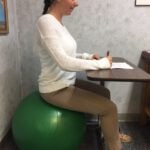
Students beware: summer is passing by quickly…so don’t waste one single minute idly watching TV or playing video games! Finish your reading list and get outside and play! It won’t be long before your parents will begin the end of summer shopping scramble…uniforms, shoes, backpacks, tablets, copy paper etc. Well, the same could be said about preparing for a healthy school year. With the help of local pediatrician, Lori Shipski, MD I offer the following suggestions and hope it will contribute to a healthy and productive school year. Dr. Shipsky says, "New crayons, new backpack, and your yearly flu shot are all key components for 'back to school.” But, just in case, we offer a few additional health tips…




MEDICAL CONTRIBUTOR: Lori Shipsky, MD, is a pediatrician in Chinchilla, PA in association with Anders Nelson, MD, working with infants, children and adolescents to age 23.
Model: Danielle Higgins
NEXT MONDAY – Read Dr. Paul J. Mackarey “Health & Exercise Forum!”
This article is not intended as a substitute for medical treatment. If you have questions related to your medical condition, please contact your family physician. For further inquires related to this topic email: drpmackarey@msn.com
Paul J. Mackarey PT, DHSc, OCS is a Doctor in Health Sciences specializing in orthopaedic and sports physical therapy. Dr. Mackarey is in private practice in downtown Scranton and is an associate professor of clinical medicine Geisinger Commonwealth School of Medicine.
I enjoy the privilege of working with people recovering from a wide variety of medical conditions. However, many of these directly affect activities of daily living, particularly, the ability to drive safely: orthopedic and sports injuries, fractures, sprains and strains, joint replacements, hip fractures, shoulder and elbow surgeries and spinal fusions. Despite the many different types of problems, there is one question that is invariably asked, “When can I return to driving?” Unfortunately, the answer is not as simple as the question because it depends on many factors. Furthermore, the implications, such as a serious accident causing further damage to the injury or surgical site or harm to someone else, are significant and possibly critical. So, the next time you ask your physician this question, please follow instructions and be patient…remember, it could be your child or grandchild running into traffic to chase a ball and you would want the driver to be at optimal function to apply the brakes!
In our culture, the inability to drive has a significant impact on lifestyle and livelihood. A study published in the Journal of Bone and Joint Surgery, found that 74% of those unable to drive due to injury or surgery are dependent on family and most of the remainder depend on friends. 4% of those unable to drive have no help at all and more than 25% suffer major financial hardship.
The report also found that family physicians, orthopedic surgeons, podiatrists, and physical therapists are keenly aware of this dilemma but often fail to communicate effectively to patients about driving. Most medical professionals express serious concerns about liability regarding return to driving following an injury or surgery. They feel that there is a lack of data to support decisions and inadequate communication among each other. They agree that they must do a better job communicating with patients and their families so they can better prepare for a period of time during their recovery in which they cannot drive.
Recent studies published in the Journal of the American Academy of Orthopaedic Surgeons (JAAOS) and the Journal of Foot and Ankle Surgery (JFAS),determined that there are two significant components in the decision of safely returning to driving after an injury or surgery; the time required for healing and the time required for a return of function. Additionally, it was found that those wearing a surgical shoe or walking boot demonstrated a significantly slower braking response time even in healthy/non-injured individuals wearing the shoe/boot.
During the time required for healing, in addition to the fear of an additional trauma from a motor vehicle accident to the healing body part, there is a general concern about the potential damage that may come from over using the body part to drive before it is adequately healed. For example, a healing fracture in the right lower leg might be compromised or delayed if one must suddenly and forcefully apply the brakes. Also, during this time, it is not unusual for post-injury or post-surgery patients to use pain medications, including narcotics. This will also compromise judgment and reaction time while driving.
Most orthopedic conditions heal in 6 to 8 weeks. However, as many of you may fully know, once a cast or splint is removed, you are not ready to run or jump. Depending on the severity of the injury, it may take many weeks of aggressive physical therapy to regain strength, range-of-motion, agility and dexterity to function at a safe level for a full return to daily activities, including driving.
The current research reinforces the fact that driving safely requires good function of the entire body. For example, just because you broke your shoulder bone but did not fracture your right leg does not mean that you are able to drive safely. Wearing a sling after arm surgery also compromises driving. First, the injury must be stabilized and healed before you can drive. Then, you must work in rehab to make modifications to return to safe driving. The same scenario is applied to injuries or surgery to the spine (neck and lower back).
Type of Surgery Time Until Normal Braking*
Knee Arthroscopy 4 Weeks
Right Total Hip Replacement 4-6 Weeks
Right Total Knee Replacement 4-6 Weeks
Lower Leg Fracture 6 Weeks after initial weight bearing
Ankle Fracture 9 Weeks
Right Lower Leg Cast/Brace Full weight bearing after removal of cast/brace
Ankle/Foot Tendonitis/Fasciitis (non-surgical) Surgical shoe/boot can be removed for 50-75% weight bearing
*Based on research using driving simulators
Remember, every case is unique and there is no substitute for communication with your orthopedic surgeon, podiatrist, family physician and physical therapist.
Visit your doctor regularly and listen to your body.
Keep moving, eat healthy foods, exercise regularly, and live long and well!
NEXT MONDAY – Read Dr. Paul J. Mackarey “Health & Exercise Forum!”
This article is not intended as a substitute for medical treatment. If you have questions related to your medical condition, please contact your family physician. For further inquires related to this topic email: drpmackarey@msn.com
Paul J. Mackarey PT, DHSc, OCS is a Doctor in Health Sciences specializing in orthopaedic and sports physical therapy. Dr. Mackarey is in private practice and is an associate professor of clinical medicine at Geisinger Commonwealth School of Medicine.